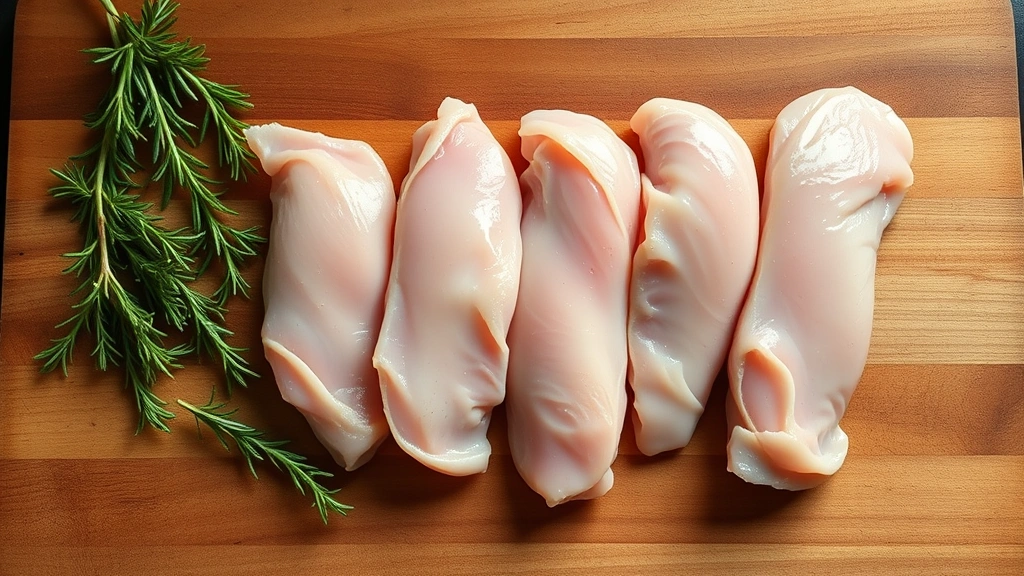
Chicken Tenderloin Nutrition: Dietitian Insights
Chicken tenderloins have become a staple in modern kitchens, celebrated for their versatility, convenience, and impressive nutritional profile. These tender strips of white meat offer a lean protein source that fits seamlessly into virtually any dietary approach, from high-protein fitness regimens to balanced family meals. Understanding the complete nutritional picture of chicken tenderloins empowers you to make informed dietary choices and maximize their health benefits.
Whether you’re a fitness enthusiast tracking macronutrients, a parent seeking wholesome protein options for your family, or someone managing specific health conditions, chicken tenderloins deliver substantial nutritional value with minimal complexity. This comprehensive guide explores everything dietitians recommend knowing about chicken tenderloin nutrition, including detailed macro and micronutrient breakdowns, preparation methods that preserve nutritional integrity, and practical strategies for incorporating them into a healthy nutrition plan.
Complete Nutritional Breakdown Per Serving
A standard 3.5-ounce (100-gram) serving of raw, skinless chicken tenderloin contains approximately 165 calories, making it an exceptionally efficient protein source for calorie-conscious individuals. The macronutrient distribution reveals why dietitians consistently recommend this cut: roughly 31 grams of protein, 3.6 grams of fat, and zero carbohydrates per 100-gram serving. This composition places chicken tenderloins among the leanest poultry options available, rivaling even skinless chicken breast in protein density while maintaining superior tenderness and flavor.
When you prepare chicken tenderloins using healthy cooking methods like grilling, baking, or poaching without added fats, the caloric content remains remarkably stable. Cooked chicken tenderloins yield slightly different measurements due to moisture loss during cooking—approximately 190 calories per 100 grams of cooked meat, with protein content rising to around 35 grams as water evaporates. This makes them particularly valuable for nutrition solutions targeting high protein intake without excessive calorie consumption.
The glycemic profile of chicken tenderloins presents another significant advantage. With virtually no carbohydrates and a negligible impact on blood sugar levels, they suit diabetic meal plans, ketogenic diets, and low-carb nutritional approaches exceptionally well. Dietitians frequently recommend chicken tenderloins for individuals managing blood glucose levels because they provide sustained satiety without triggering insulin spikes.
Protein Content and Amino Acid Profile
The protein in chicken tenderloins represents one of nature’s most complete and bioavailable protein sources, containing all nine essential amino acids your body cannot synthesize independently. This complete amino acid profile makes chicken tenderloins a legitimate substitute for animal proteins in virtually any dietary context. The essential amino acid composition includes substantial quantities of leucine, isoleucine, and valine—branched-chain amino acids (BCAAs) that muscle tissue preferentially utilizes for repair and growth.
For individuals engaged in resistance training or athletic pursuits, the BCAA content in chicken tenderloins supports post-workout recovery and muscle protein synthesis. A single 3.5-ounce serving delivers approximately 2.7 grams of leucine, the primary BCAA triggering muscle protein synthesis signaling pathways. This makes chicken tenderloins particularly valuable for athletes following tips for meal planning designed to optimize performance and recovery.
The protein digestibility of chicken tenderloins exceeds 95%, meaning your digestive system efficiently absorbs and utilizes the amino acids they contain. This superior digestibility compared to plant-based proteins makes chicken tenderloins especially appropriate for individuals with compromised digestive function, elderly populations, or anyone requiring easily assimilated protein. Dietitians often recommend chicken tenderloins when implementing nutrition care manual protocols for patients recovering from illness or surgery.
Fat Composition and Heart Health Benefits
Despite their leanness, chicken tenderloins contain approximately 3.6 grams of fat per 100-gram serving, predominantly in the form of unsaturated fatty acids that support cardiovascular health. This fat composition differs favorably from red meat options, with chicken tenderloins providing roughly 1.3 grams of monounsaturated fat and 0.8 grams of polyunsaturated fat per serving, alongside only 1 gram of saturated fat. This profile aligns with American Heart Association recommendations for heart-healthy protein selection.
The minimal saturated fat content in chicken tenderloins makes them an excellent choice for individuals managing cholesterol levels or following heart-protective dietary patterns. Research from the American Heart Association consistently demonstrates that lean poultry consumption correlates with improved lipid profiles and reduced cardiovascular disease risk compared to red meat consumption. Removing the skin—which many consumers already do with tenderloins—eliminates virtually all additional fat while preserving the tender texture that makes this cut appealing.
The fat present in chicken tenderloins includes omega-3 and omega-6 polyunsaturated fatty acids that support brain function, reduce inflammation, and contribute to hormonal balance. While chicken tenderloins shouldn’t serve as your primary omega-3 source (fatty fish like salmon provides superior amounts), they meaningfully contribute to total polyunsaturated fat intake when incorporated into balanced nutrition solutions emphasizing diverse protein sources.
Vitamins and Minerals in Chicken Tenderloins
Beyond macronutrient composition, chicken tenderloins deliver an impressive micronutrient profile that supports multiple physiological functions. B-vitamins appear abundantly in chicken tenderloins, with niacin (vitamin B3) representing the most concentrated micronutrient at approximately 9 milligrams per 100-gram serving—roughly 56% of the daily recommended intake. Niacin supports energy metabolism, DNA repair, and nervous system function, making chicken tenderloins particularly valuable for individuals with elevated energy demands.
Vitamin B6 (pyridoxine) content reaches approximately 0.9 milligrams per 100-gram serving, supporting amino acid metabolism and immune function. This becomes especially relevant when consuming chicken tenderloins as part of high-protein diets, where B6 facilitates efficient amino acid utilization. Pantothenic acid and riboflavin round out the B-vitamin profile, each contributing to energy production and cellular metabolism.
Mineral content in chicken tenderloins includes selenium (approximately 27 micrograms per 100 grams, or 49% of daily needs), a trace mineral essential for thyroid function and antioxidant defense. Phosphorus appears at roughly 200 milligrams per serving, supporting bone health and energy metabolism alongside calcium. While chicken tenderloins don’t represent a primary calcium source, their phosphorus content contributes to proper mineral balance when incorporated into comprehensive how to improve nutrient absorption strategies emphasizing diverse mineral sources.
Iron content in chicken tenderloins reaches approximately 0.8 milligrams per 100-gram serving, primarily in the form of heme iron—the highly bioavailable iron form that your body absorbs more efficiently than plant-based non-heme iron. This makes chicken tenderloins particularly valuable for vegetarians incorporating occasional poultry, individuals with elevated iron needs, or those managing iron-deficiency anemia under medical supervision.
Preparation Methods That Preserve Nutrients
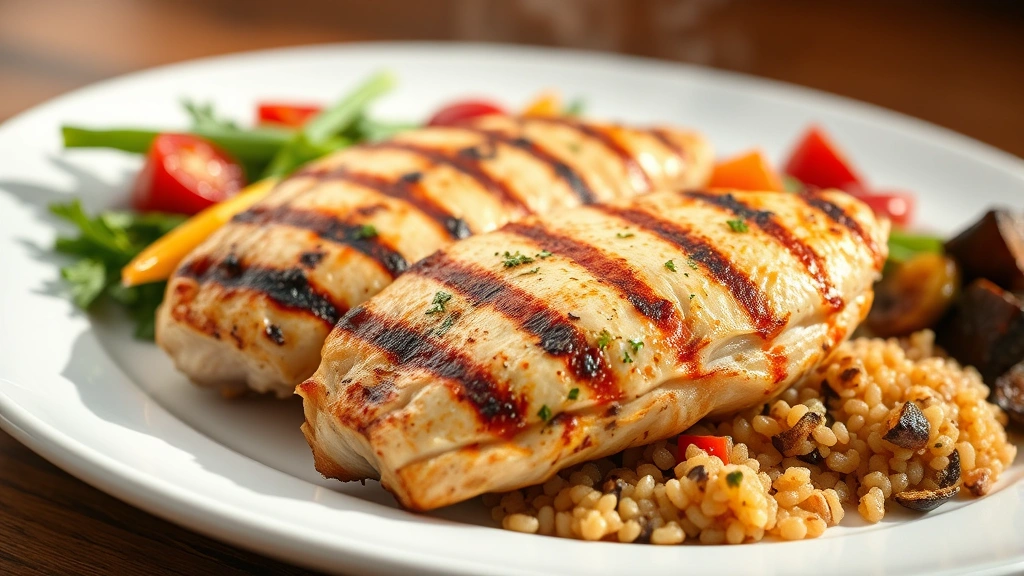
Cooking method significantly impacts the nutritional profile of chicken tenderloins, with some preparation techniques preserving nutrients more effectively than others. Grilling at moderate temperatures (around 350-375°F) represents one of the optimal approaches, allowing adequate cooking without excessive nutrient degradation. The Maillard reaction occurring during grilling creates beneficial compounds while moisture loss concentrates remaining nutrients.
Baking chicken tenderloins at 375°F for 15-20 minutes provides another excellent nutrient-preservation option, particularly when prepared with parchment paper to minimize oxidative damage from direct heat exposure. Poaching in low-sodium broth offers superior nutrient retention for individuals prioritizing water-soluble vitamin preservation, though some B-vitamins leach into the cooking liquid. Dietitians recommend consuming poaching liquid in soups or sauces to capture these nutrients.
Conversely, deep-frying substantially increases fat and calorie content while potentially degrading heat-sensitive vitamins through prolonged high-temperature exposure. Pan-frying with minimal added fat represents a reasonable compromise between convenience and nutrient preservation, particularly when using heart-healthy oils like olive oil and maintaining moderate temperatures. Slow-cooking or braising in covered containers minimizes oxidative nutrient loss while tenderizing the meat through gentle, moist heat.
Seasoning choices impact both flavor and nutritional value—using herbs, spices, and citrus juice rather than salt-heavy seasonings enhances nutrient absorption and supports cardiovascular health. Research demonstrates that compounds in turmeric, ginger, and black pepper enhance bioavailability of certain nutrients through synergistic mechanisms, making these seasonings particularly valuable additions to chicken tenderloin preparations.
Comparison with Other Chicken Cuts
Understanding how chicken tenderloins compare to other poultry options helps contextualize their nutritional role within comprehensive dietary strategies. Chicken breast (skinless) contains slightly more protein at approximately 31 grams per 100 grams compared to tenderloins’ 31 grams, making them nutritionally equivalent in protein content. However, chicken tenderloins offer superior tenderness and require less cooking time, making them more convenient for busy individuals implementing tips for meal planning strategies.
Chicken thighs (skinless) provide comparable protein but contain approximately 9 grams of fat per 100-gram serving compared to tenderloins’ 3.6 grams, along with slightly more calories. While chicken thighs offer marginally higher micronutrient density due to increased fat-soluble vitamin content, they present less favorable options for calorie-restricted or heart-health-focused dietary approaches. Ground chicken varies dramatically depending on fat content, ranging from comparable leanness to substantially higher fat levels than tenderloins.
Turkey tenderloins provide nutritionally similar options with marginally lower fat content and comparable protein density, though availability and cost considerations often favor chicken tenderloins. Duck and other poultry options contain substantially higher fat content and fewer practical applications in typical meal-planning scenarios. For individuals prioritizing lean protein, chicken tenderloins consistently rank among the most efficient options available.
Incorporating Into Meal Plans
Practical incorporation of chicken tenderloins into balanced meal plans maximizes their nutritional benefits while maintaining dietary adherence and culinary satisfaction. The versatility of chicken tenderloins accommodates diverse cuisines—from Asian stir-fries to Mediterranean preparations to Latin-inspired dishes—allowing consistent consumption without palatability fatigue. Dietitians recommend varying preparation methods and flavor profiles throughout the week to maintain long-term dietary adherence.
For individuals implementing high-protein dietary approaches, combining chicken tenderloins with complex carbohydrates like quinoa, sweet potatoes, or brown rice creates nutritionally balanced meals supporting sustained energy and muscle maintenance. The nutrition care manual emphasizes pairing protein sources with fiber-rich vegetables to optimize satiety, nutrient absorption, and digestive health. A typical balanced meal combines 3-4 ounces of cooked chicken tenderloins with 1-2 cups of non-starchy vegetables and a measured portion of whole grains.
For lower-carbohydrate or ketogenic approaches, chicken tenderloins pair excellently with healthy fats like avocado, nuts, seeds, and olive oil-based preparations, creating nutritionally complete meals within macronutrient targets. Meal-prepping chicken tenderloins in bulk—grilling or baking several pounds simultaneously—facilitates consistent protein intake throughout busy weeks, supporting adherence to comprehensive nutrition solutions addressing individual health objectives.
Portion control remains important despite chicken tenderloins’ nutritional efficiency. Standard serving sizes of 3-4 ounces of cooked chicken tenderloins provide approximately 110-150 calories and 25-35 grams of protein—appropriate portions for most adults within typical meal structures. Athletes or individuals with substantially elevated protein requirements may consume larger portions aligned with specific performance or body composition goals.

FAQ
How many calories are in a single chicken tenderloin?
A single raw chicken tenderloin typically weighs 30-40 grams and contains approximately 50-65 calories. Cooked tenderloins contain slightly more calories per gram due to moisture loss, with a single cooked tenderloin providing roughly 60-75 calories. Exact values depend on cooking method and any added fats or seasonings.
Are chicken tenderloins healthier than chicken breast?
Chicken tenderloins and skinless chicken breast offer comparable nutritional profiles, with nearly identical protein and fat content. The primary advantages of tenderloins involve superior tenderness, faster cooking times, and greater culinary versatility. Both represent excellent lean protein choices for balanced dietary approaches.
Can chicken tenderloins fit into weight loss programs?
Absolutely. Chicken tenderloins’ high protein content, minimal fat, and zero carbohydrates make them ideal for weight loss programs emphasizing protein preservation during caloric restriction. The satiety-promoting effects of protein help reduce overall calorie consumption while maintaining lean muscle mass during weight loss phases.
How should frozen chicken tenderloins be prepared?
Thaw frozen chicken tenderloins in refrigerator overnight for optimal texture and food safety. Alternatively, defrost using cold water immersion or cook directly from frozen, extending cooking time by 50%. Avoid thawing at room temperature, which promotes bacterial proliferation and compromises food safety.
What’s the sodium content in chicken tenderloins?
Raw, unseasoned chicken tenderloins contain minimal sodium—approximately 75 milligrams per 100-gram serving. Added seasonings, marinades, or commercial preparations may substantially increase sodium content, making ingredient review important for individuals managing sodium intake for hypertension or other conditions.
Do chicken tenderloins contain cholesterol?
Yes, chicken tenderloins contain dietary cholesterol at approximately 85 milligrams per 100-gram serving. However, research indicates that dietary cholesterol’s impact on blood cholesterol levels is minimal for most individuals, and lean poultry consumption supports healthy cholesterol profiles compared to red meat alternatives.
Can children eat chicken tenderloins?
Chicken tenderloins represent excellent protein sources for children, offering superior tenderness compared to other cuts and appealing to many young palates. Cut into age-appropriate sizes for younger children, and ensure thorough cooking to eliminate foodborne pathogen risks. The nutrition care manual recommends chicken tenderloins as appropriate for children over 12 months of age.


