Are Chicken Wings Healthy? Nutritionist Insights on Nutrition and Preparation
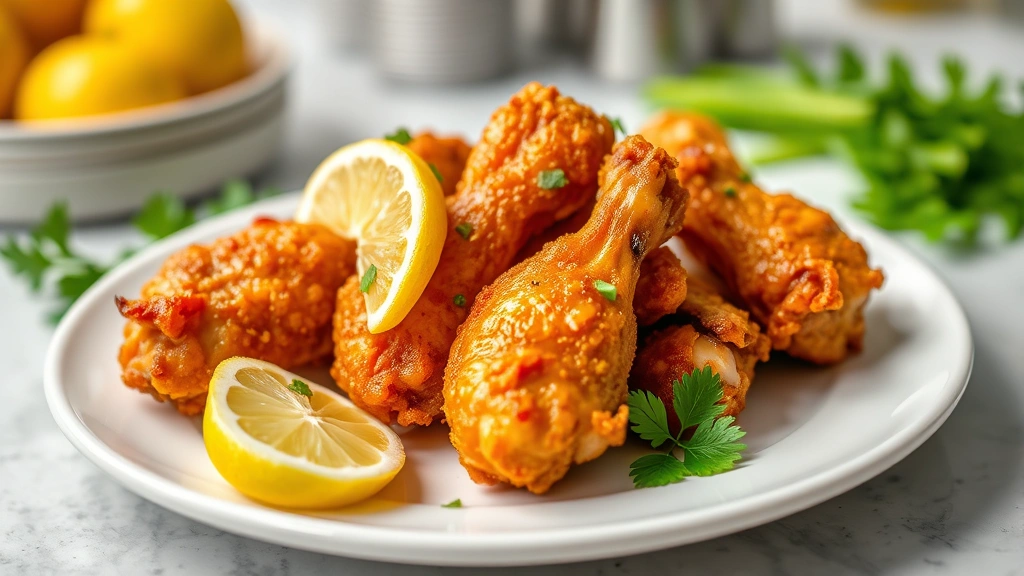
Chicken wings have become a staple at sports bars, game day gatherings, and casual dining establishments across America. Yet despite their popularity, many people wonder whether these crispy, flavorful morsels fit into a balanced diet. The answer isn’t straightforward—it depends on how they’re prepared, how often you consume them, and what role they play in your overall healthy nutrition plan.
Nutritionists have long debated the health profile of chicken wings. While wings are an excellent source of protein and contain important micronutrients, traditional preparation methods often involve deep frying in oil, which significantly increases caloric content and unhealthy fat intake. Understanding the nutritional breakdown of chicken wings—and learning how to prepare them in healthier ways—can help you enjoy this popular food without derailing your wellness goals.
Nutritional Breakdown of Chicken Wings
A typical serving of chicken wings—defined as 3.5 ounces or about 100 grams—contains approximately 203 calories, 15.4 grams of protein, and 15.8 grams of fat. However, these numbers shift dramatically depending on preparation method. Deep-fried wings with skin intact can contain 320+ calories per 3.5-ounce serving, while skinless baked wings drop to around 165 calories.
The nutritional profile includes essential B vitamins, particularly niacin and B6, which support energy metabolism and nervous system function. Chicken wings also provide selenium, phosphorus, and zinc—minerals crucial for bone health, immune function, and protein synthesis. The wing meat itself, being darker poultry meat, contains more iron and B vitamins than white breast meat, making it nutritionally dense in certain micronutrients.
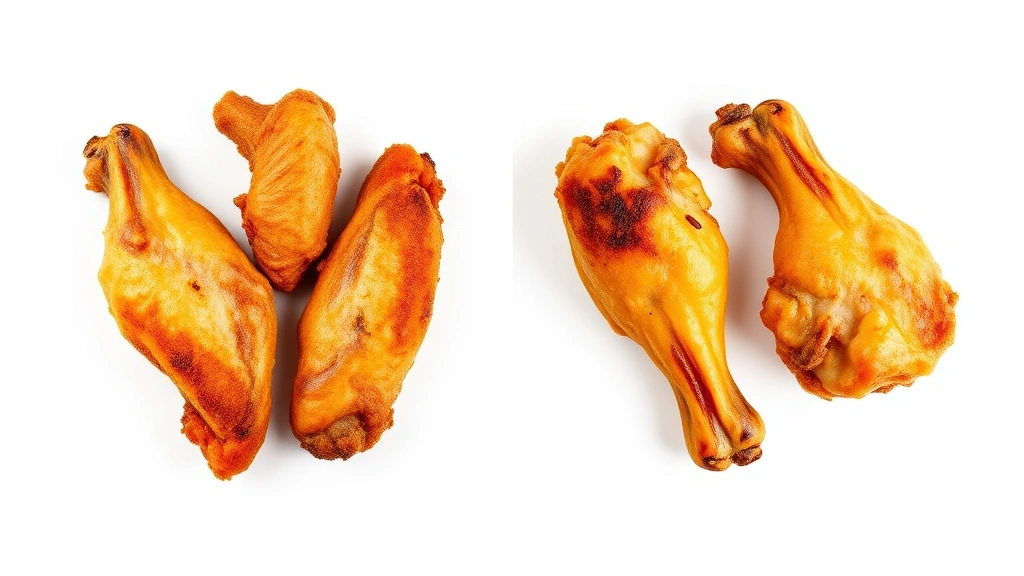
One critical factor that nutritionists emphasize is the difference between bone-in and boneless wings. Bone-in wings provide better satiety because the bones make you eat more slowly and deliberately. Boneless wings are typically breaded and fried, dramatically increasing caloric density and reducing nutritional value relative to calories consumed.
Protein Content and Muscle Building
From a protein perspective, chicken wings are impressive. A 3.5-ounce serving delivers roughly 15 grams of complete protein, containing all nine essential amino acids your body cannot produce independently. This makes wings an excellent choice for individuals engaged in strength training and muscle development.
The protein-to-calorie ratio becomes important when evaluating wings as a dietary staple. Grilled or baked wings offer superior protein efficiency compared to fried versions. Research from the National Center for Biotechnology Information demonstrates that adequate protein intake supports muscle protein synthesis, making wings a legitimate option for post-workout nutrition when prepared healthily.
Athletes and fitness enthusiasts often incorporate wings into meal prep because of their high protein density and convenience. However, pairing them with vegetables and whole grains—rather than ranch dip and fries—maximizes their nutritional benefit.
Fat Profile and Heart Health Concerns
The fat content in chicken wings presents the most significant health consideration. Raw chicken wing skin contains approximately 60-70% of total calories from fat, with roughly one-third being saturated fat. Saturated fat consumption has been linked to elevated LDL cholesterol levels, a major risk factor for cardiovascular disease.
According to guidelines from the American Heart Association, limiting saturated fat to 5-6% of daily calories helps maintain healthy cholesterol levels. A single serving of fried wings can represent 15-20% of your daily saturated fat allowance, particularly concerning if consumed regularly.
The cooking method dramatically affects fat content. Deep frying absorbs additional oil, increasing total fat by 50-100% compared to baked or air-fried preparation. Conversely, removing the skin reduces fat content by approximately 40-50%, though it also reduces flavor and texture that many people enjoy.
Trans fats, the most harmful fat type, may appear in commercially fried wings depending on oil quality and frying practices. Many restaurants have eliminated trans fats, but some establishments still use older frying systems. Checking restaurant practices or preparing wings at home ensures you control fat intake.
Sodium Levels in Wings
Sodium content represents another significant concern with commercially prepared chicken wings. A typical restaurant serving of six wings with sauce can contain 1,500-2,000 milligrams of sodium—approaching or exceeding the entire recommended daily limit of 2,300 milligrams established by dietary guidelines.
High sodium consumption correlates with elevated blood pressure, increased cardiovascular disease risk, and fluid retention. Sauces—particularly buffalo, barbecue, and teriyaki varieties—concentrate sodium content significantly. Plain baked wings contain roughly 80-150 milligrams per 3.5-ounce serving, while sauced versions jump to 400-600 milligrams or more.
For individuals managing hypertension or heart disease, restaurant wings present particular challenges. Preparing wings at home with homemade dry rubs and low-sodium sauces allows complete control over sodium intake, making them compatible with heart-healthy eating patterns.
Healthier Cooking Methods
The preparation method ultimately determines whether chicken wings fit into a healthy diet. Several cooking techniques dramatically improve their nutritional profile:
- Air Frying: Uses minimal oil while achieving crispy texture, reducing fat by 75-80% compared to deep frying. Results in 200-220 calories per 3.5-ounce serving.
- Baking: At 400-425°F for 25-35 minutes produces crispy skin without added oil. Pat wings dry before baking to maximize crispiness.
- Grilling: Allows fat to drip away while adding smoky flavor. Excellent for marinades and dry rubs without added calories.
- Broiling: Places wings close to direct heat, crisping skin while rendering fat away from meat.
- Poaching: Removes all skin fat but requires careful seasoning to maintain palatability.
Skinless wings reduce fat content but sacrifice much of the flavor and crispy texture people enjoy. A compromise approach involves keeping skin but using healthier cooking methods and portion control. Marinating wings in vinegar-based or citrus-based liquids before cooking adds flavor while tenderizing meat and potentially reducing formation of harmful compounds during cooking.

Comparison with Other Chicken Cuts
Understanding how wings compare to other poultry options provides helpful context. Chicken breast contains only 3.6 grams of fat per 3.5-ounce serving compared to wings’ 15.8 grams, making breast meat leaner. However, breast meat contains less flavor and fewer micronutrients than darker wing meat.
Chicken thighs fall between wings and breast in fat content at 9.2 grams per serving, offering better flavor than breast while containing less fat than wings. For individuals prioritizing protein while minimizing fat intake, thighs represent a reasonable compromise.
When incorporated into a comprehensive healthy eating strategy, wings can fit alongside leaner cuts. Rotating protein sources ensures varied nutrient intake and prevents dietary monotony.
Portion Control and Frequency
The key to incorporating wings into a healthy diet involves realistic portion sizing and consumption frequency. Nutritionists recommend limiting wings to occasional consumption—perhaps once or twice monthly—rather than weekly. This frequency allows enjoyment without accumulating excessive saturated fat and sodium.
Appropriate portion sizes for wings depend on overall caloric needs and dietary goals. For most adults following a 2,000-calorie diet, 6-8 wings (roughly 200-250 calories) represent a reasonable serving when prepared healthily. This provides satisfying protein intake while maintaining caloric balance.
Pairing wings with nutrient-dense sides amplifies their health value. Serving wings alongside vegetables with dietary fiber for digestive health and whole grains creates a balanced meal. This approach reduces overall meal caloric density while increasing satiety and micronutrient diversity.
Context matters significantly in dietary assessment. Wings consumed occasionally as part of an otherwise balanced diet pose minimal health risk for most people. Conversely, regular consumption of fried wings combined with sugary drinks and processed sides contributes to weight gain and chronic disease development.
For individuals with specific health conditions—heart disease, diabetes, hypertension—consulting with a registered dietitian helps determine appropriate wing consumption. Some people may benefit from eliminating wings entirely, while others can enjoy them strategically with proper preparation.
Understanding nutrient absorption principles helps optimize wing nutrition. Consuming wings with vitamin C-rich vegetables enhances iron absorption from the wing meat, maximizing micronutrient benefit.
FAQ
Are chicken wings healthier than chicken breast?
Chicken breast contains less fat and fewer calories than wings, making it technically “healthier” from a caloric standpoint. However, wings provide more flavor, better satiety, and superior micronutrient density. The best choice depends on individual dietary goals and preferences.
How many calories are in fried chicken wings?
Deep-fried wings typically contain 320-350 calories per 3.5-ounce serving. This increases further with sauces, which can add 50-150 calories depending on quantity and type.
Can I eat chicken wings on a diet?
Yes, when prepared healthily and consumed in appropriate portions. Baked or air-fried wings prepared at home, eaten occasionally and in moderation, can fit into most weight loss diets. Avoid restaurant wings with heavy sauces and pair home-prepared wings with vegetables.
What’s the healthiest way to cook chicken wings?
Air frying provides the best combination of health and taste, reducing fat by 75-80% while maintaining crispy texture. Baking and grilling are excellent alternatives requiring minimal added oil.
How much sodium is in chicken wings?
Plain baked wings contain 80-150 milligrams of sodium per 3.5-ounce serving. Restaurant wings with sauce can contain 1,500-2,000 milligrams per serving, representing 65-87% of daily recommended sodium intake.
Are boneless wings healthier than bone-in wings?
Boneless wings are typically breaded and contain more calories and fat per serving than bone-in wings. Bone-in wings are generally healthier, though bone-in preparation matters significantly more than bone presence.
Can people with heart disease eat chicken wings?
People with heart disease should limit or avoid wings due to saturated fat content. Consulting with a cardiologist or registered dietitian helps determine safe consumption levels based on individual lipid profiles and health status.