
Chili’s Menu Nutrition: Dietitian Insights and Healthy Choices
Dining out doesn’t have to derail your nutritional goals, especially when you understand what you’re ordering. Chili’s Bar & Grill, one of America’s most popular casual dining chains, offers a surprisingly diverse menu with options that can fit various dietary needs and preferences. As a dietitian, I’ve analyzed their nutritional data to help you make informed choices that align with your health objectives.
Whether you’re managing calories, watching sodium intake, or seeking protein-rich options, Chili’s provides transparency through their published nutrition facts. This guide breaks down the menu strategically, highlighting dishes that deliver nutrition without sacrificing flavor, and explains how to modify less-healthy favorites into balanced meals.
Understanding Chili’s Nutritional Data
Chili’s publishes comprehensive nutrition information online, including calories, macronutrients, allergens, and sodium content. This transparency is crucial for anyone tracking their intake or managing health conditions. The restaurant displays this data per serving, which is important because portion sizes at casual dining establishments often exceed standard serving recommendations.
Most Chili’s entrees range from 800 to 1,500 calories, which represents 40-75% of a 2,000-calorie daily diet depending on the dish. This is significant because many people consume an entire day’s worth of calories in a single restaurant meal. Understanding this context helps you make strategic choices about what you order and how you balance it with other meals.
When reviewing Chili’s menu nutrition information, pay attention to three key metrics: total calories, sodium (ideally under 2,300mg daily), and saturated fat (under 10% of daily calories, or roughly 20g). Many restaurant dishes exceed recommended limits in these categories, but armed with knowledge, you can identify the better options or request modifications that reduce these numbers significantly.
A healthy nutrition plan includes understanding where your calories come from. At Chili’s, dishes heavy in fried preparations, cream-based sauces, and generous cheese portions will be higher in calories and less nutrient-dense than grilled options with vegetable sides.
Best Protein-Rich Entrees
Protein is essential for muscle maintenance, satiety, and metabolic function. Chili’s offers several grilled protein options that deliver substantial protein with moderate calorie counts. The grilled chicken breast dishes, particularly when prepared without heavy sauces, provide approximately 40-50g of protein per serving with 500-700 calories.
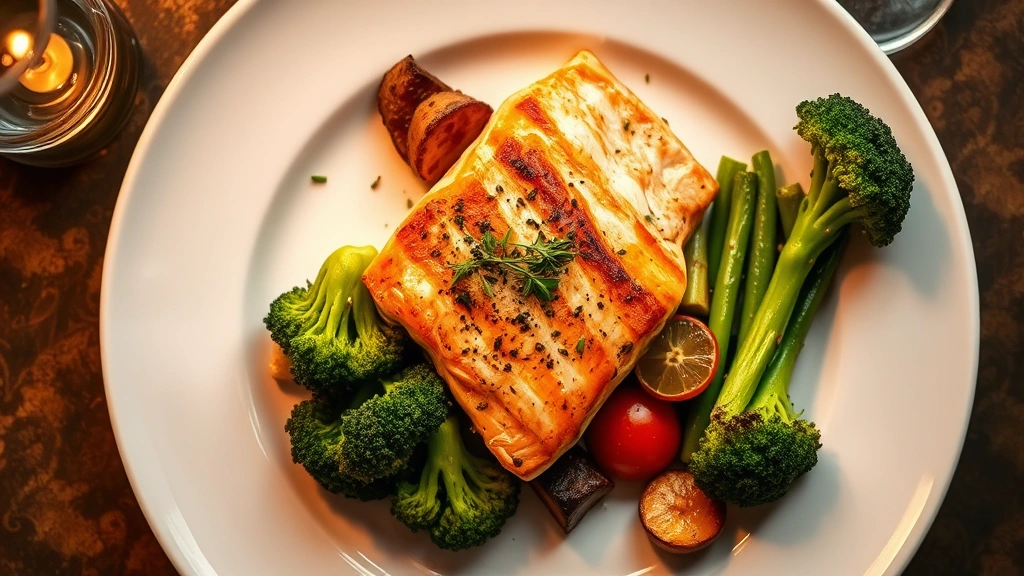
The Grilled Salmon is an excellent choice for those seeking omega-3 fatty acids alongside protein. Salmon contains EPA and DHA, which support heart and brain health. At Chili’s, their grilled salmon typically contains 35-40g of protein, healthy fats, and roughly 600-700 calories depending on preparation method and sides.
If you’re interested in optimizing your diet for specific goals, our article on nutrition for athletes provides deeper insight into protein timing and quality. Even if you’re not an athlete, these principles apply to anyone building lean muscle or maintaining protein intake.
Lean beef options exist on the menu as well. The 6-ounce sirloin steak provides approximately 35-40g of protein with iron and B vitamins, though you’ll want to request it grilled without added butter to keep calories reasonable. Pairing any protein entree with vegetable sides rather than fries dramatically improves the nutritional profile.
Avoid fried chicken preparations, which absorb significant oil during cooking, increasing calories by 200-300 compared to grilled versions while adding minimal nutritional value. The same protein content exists in both, but the grilled version preserves micronutrients better.
Lower-Calorie Appetizer Strategies
Appetizers are typically calorie-dense traps at restaurants, but Chili’s offers some reasonable options if you understand portion control and preparation methods. Salads without dressing or with dressing on the side can be excellent appetizers, providing fiber and micronutrients before your main course.
The Grilled Chicken Salad with dressing on the side contains approximately 400-500 calories and offers substantial protein and vegetables. This is a legitimate full meal rather than an appetizer, making it ideal if you’re dining solo or want a lighter option.
Avoid breaded and fried appetizers like Southwestern Egg Rolls, Fried Pickles, and Loaded Nachos, which typically contain 600-1,200 calories in a small appetizer portion. These items offer minimal nutritional benefit relative to calorie content and are primarily fat and refined carbohydrates.
If you must have an appetizer, consider the Boneless Wings without sauce on the side, which allows you to control how much you consume. Even better, skip appetizers and focus your calories on a quality entree and beverage. This strategy reduces overall meal calories while improving nutritional density.
Soups can work as lighter starters—the Chicken & Gnocchi soup at roughly 350-400 calories provides warmth, satiety, and some vegetables, though sodium will be elevated like most restaurant soups.
Managing Sodium and Saturated Fat
Restaurant meals are notorious for excessive sodium, and Chili’s is no exception. A single entree can contain 1,500-2,500mg of sodium, representing 65-110% of the daily recommended limit. This is problematic for blood pressure management and fluid retention.
To manage sodium intake when dining at Chili’s, request that your food be prepared without added salt and ask for sauces and dressings on the side. You maintain control over how much seasoning reaches your plate. Additionally, avoid soup and appetizers, which tend to be particularly sodium-heavy due to their preparation methods.
Saturated fat management requires similar strategies. Cream-based sauces, cheese toppings, and fried preparations are primary saturated fat sources. Choosing grilled proteins, requesting sauces on the side, and selecting vegetable sides over creamy sides can reduce saturated fat by 10-15g per meal.
Understanding the importance of dietary fiber for your health also matters here. Fiber helps regulate cholesterol and blood sugar, so requesting extra vegetables and whole grain options when available improves your meal’s nutritional value substantially.
The relationship between sodium intake, saturated fat, and cardiovascular health is well-documented. Research from the American Heart Association emphasizes that limiting these nutrients is critical for long-term health, particularly for those with hypertension or family history of heart disease.
Customization Tips from a Dietitian
The most powerful tool at any restaurant is the ability to customize your order. Chili’s staff generally accommodates reasonable requests, and these modifications can transform a nutritionally poor meal into a balanced one.
First, always request grilled preparation instead of fried. This single change reduces calories by 200-400 and eliminates unnecessary oil absorption. Second, ask for sauces, dressings, and butter on the side. You control the amount, which typically reduces calories by 100-300 per meal.
Third, substitute sides strategically. Replacing fries with a side salad, steamed vegetables, or rice saves 200-300 calories and adds fiber and micronutrients. Many restaurants offer this substitution without upcharge, and even if they do, the health benefit justifies the cost.
Fourth, request extra vegetables as your side rather than starch. This increases volume and satiety while reducing calorie density. A plate loaded with grilled chicken, steamed broccoli, and roasted vegetables will keep you fuller longer than chicken with fries, despite potentially containing fewer calories.
Fifth, drink water instead of regular soda or sweet tea. A 20-ounce regular soda contains approximately 240 calories and 65g of sugar—nearly three times the recommended daily sugar limit. Switching to water, unsweetened tea, or diet beverages saves these empty calories.
Sixth, be mindful of bread service. Complimentary bread and rolls can add 200-400 calories before your entree arrives. If you’re managing calories, politely decline or have the server remove it from the table.
Navigating Sides and Beverages
Sides significantly impact your meal’s nutritional profile. French fries, a standard Chili’s side, contain approximately 400-500 calories and 20-25g of fat per serving, with minimal micronutrients beyond potassium. This represents 20-25% of daily calories in a side dish alone.
Better side options include steamed vegetables, side salads with dressing on the side, or brown rice if available. These provide fiber, vitamins, and minerals while keeping calories under 200. Some locations offer sweet potato fries as a compromise; while still calorie-dense (around 350-400 calories), they provide beta-carotene and fiber compared to regular fries.
Beverages are where hidden calories accumulate quickly. Sweet tea, lemonade, and regular soda each contain 200-300 calories per serving. A typical restaurant visit might include a 20-30 ounce beverage, potentially adding 300-450 calories. Over a month of weekly dining, this represents 1,200-1,800 extra calories.
The CDC’s nutrition research demonstrates that sugary beverage consumption correlates with weight gain, type 2 diabetes, and dental problems. Choosing water, unsweetened tea, or diet beverages eliminates these risks while reducing meal calories substantially.
Alcohol beverages, if you consume them, add calories without nutritional benefit. A margarita or beer typically contains 150-350 calories. If you drink alcohol, account for these calories in your daily total and consider it instead of a dessert or appetizer.
Special Dietary Considerations
Chili’s accommodates various dietary needs, though you must communicate clearly with your server and the kitchen. For gluten-free diets, grilled proteins with vegetable sides are safe options, but confirm that no cross-contamination occurs during preparation.
For dairy-free or vegan diets, options are more limited. Grilled vegetables and some protein options can be prepared without dairy, but you’ll need to specify this clearly. Many sauces and dressings contain dairy or animal products, so requesting oil and vinegar or asking about preparation is essential.
For those managing diabetes or prediabetes, focus on protein and fiber while minimizing refined carbohydrates. Grilled proteins with vegetable sides and minimal sauce provide stable blood sugar without the spike that fries, bread, and sugary beverages create. Understanding nutrition and mental health also matters, as blood sugar stability affects mood and cognitive function.
For those with high blood pressure, sodium management is critical. Request no added salt, avoid soup and appetizers, and skip condiments like ketchup and soy sauce. These modifications can reduce sodium intake by 50% or more at a single meal.
Those seeking to lose weight should focus on protein-rich entrees with vegetable sides, skip appetizers and bread, and avoid sugary beverages. A typical weight-loss-friendly meal at Chili’s might include grilled chicken or fish (400-500 calories), steamed vegetables (50-100 calories), and water, totaling 450-600 calories—reasonable for a single meal within a 1,500-2,000 calorie daily plan.

Visiting our Nutrients Pathway Blog provides additional resources on managing nutrition across various health conditions and dietary preferences. Additionally, learning about nutrition facts about avocados can help you understand how to incorporate nutrient-dense foods even when dining out.
FAQ
What’s the lowest-calorie entree at Chili’s?
The Grilled Chicken Salad with dressing on the side typically contains 400-500 calories and provides substantial protein and vegetables. Among traditional entrees, the grilled fish or chicken breast without heavy sauces ranges from 500-700 calories depending on sides.
Can I eat healthy at Chili’s if I have dietary restrictions?
Yes, with clear communication. Specify your needs to your server and kitchen. Grilled proteins with vegetable sides work for most restrictions, but confirm preparation methods to avoid cross-contamination or hidden ingredients.
How much sodium is in a typical Chili’s meal?
Most entrees contain 1,500-2,500mg of sodium, exceeding daily recommendations in a single meal. Request no added salt, avoid soup and appetizers, and minimize condiments to reduce sodium significantly.
Should I avoid eating at Chili’s while trying to lose weight?
No, you can eat at Chili’s while losing weight by making strategic choices: select grilled proteins, request vegetable sides instead of fries, skip appetizers and bread, and drink water instead of sugary beverages. This approach keeps a meal under 600 calories.
What beverages are best at Chili’s?
Water is optimal, containing zero calories and supporting hydration. Unsweetened tea and diet sodas are acceptable alternatives. Avoid regular soda, sweet tea, lemonade, and alcoholic beverages, which add 150-350+ empty calories per serving.
Are appetizers ever healthy choices?
Some appetizers work as light meals if chosen carefully. Salads with dressing on the side or grilled chicken options can be reasonable. Avoid fried, breaded, or cheese-heavy appetizers, which typically contain 600-1,200 calories with minimal nutritional benefit.


