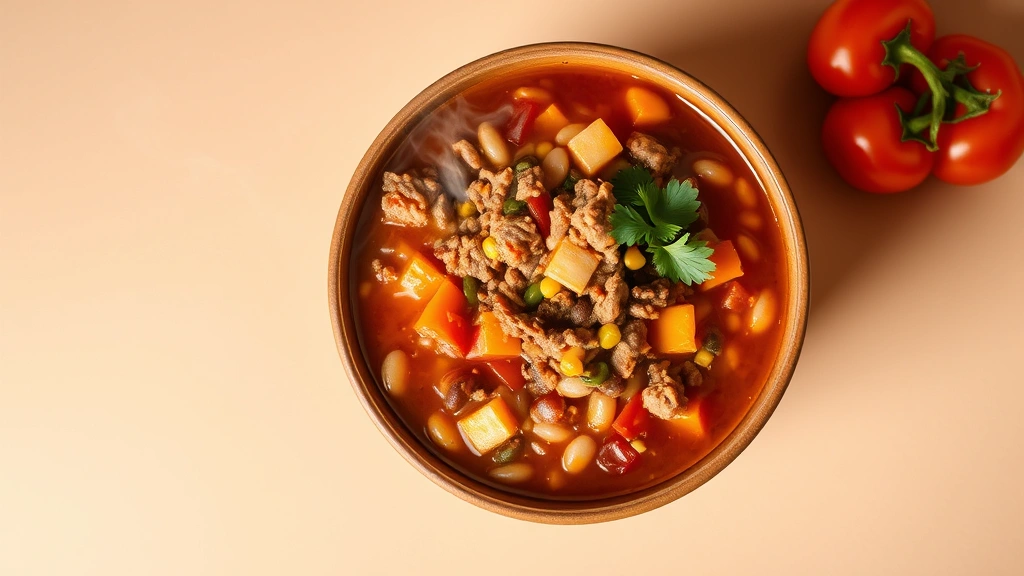
Chili’s Nutrition Facts: Dietitian Explains What You’re Really Eating
Chili has long been celebrated as a comfort food staple across American cuisine, but understanding the nutritional profile of this beloved dish is essential for making informed dietary choices. Whether you’re enjoying a bowl at a restaurant, preparing it at home, or grabbing it as a quick meal, the nutritional content can vary dramatically depending on preparation methods, ingredients, and portion sizes. This comprehensive guide breaks down the nutrition facts you need to know, offering insights from a dietitian’s perspective on how to enjoy chili while maintaining your health goals.
The complexity of chili’s nutrition lies in its ingredient diversity. A traditional recipe typically combines ground meat, beans, tomatoes, spices, and various vegetables, creating a protein-rich, fiber-dense meal that can be either highly nutritious or calorie-dense depending on how it’s prepared. Understanding these components helps you make smarter choices whether you’re dining out or cooking at home, and enables you to align chili consumption with your personal healthy nutrition plan.
Basic Nutritional Breakdown of Chili
A standard one-cup serving of beef chili with beans typically contains approximately 250-350 calories, though this varies based on preparation method and fat content. The foundational nutritional profile includes:
- Calories: 250-350 per cup
- Protein: 15-20 grams
- Total Fat: 8-15 grams
- Carbohydrates: 25-35 grams
- Fiber: 6-8 grams
- Sodium: 800-1200 milligrams
These numbers represent a typical restaurant or standard homemade preparation. However, variations matter significantly. A chili made with lean ground beef and minimal oil will have substantially different nutrition facts than one prepared with 80/20 ground beef and topped with cheese and sour cream. Understanding this baseline helps you contextualize the actual dish you’re consuming.
According to the American Heart Association, bean-based chili varieties offer particular nutritional advantages due to their legume content, which provides plant-based protein and essential micronutrients. The beans themselves are nutritional powerhouses, contributing fiber, iron, magnesium, and folate to the overall dish.
Macronutrient Analysis: Proteins, Fats, and Carbohydrates
The macronutrient composition of chili makes it an interesting meal option for various dietary approaches. The protein content, primarily from ground meat and beans, typically ranges from 15-20 grams per cup, making it a substantial protein source for a single serving. This protein content supports muscle maintenance, satiety, and metabolic function, which is particularly valuable if you’re following a balanced approach to nutrition.
Protein Sources in Chili: Ground beef contributes complete proteins with all nine essential amino acids, while beans provide incomplete proteins that complement meat proteins excellently. This combination creates a nutritionally complete protein profile. For vegetarian versions, bean-based chili can deliver 12-15 grams of protein per cup when prepared with multiple legume varieties.
The fat content presents a more nuanced picture. Traditional chili made with standard ground beef contains 8-15 grams of fat per cup, with saturated fat comprising approximately 3-6 grams. This saturated fat content warrants attention, particularly for individuals managing cholesterol levels or cardiovascular health. Choosing 90% lean ground beef instead of 80/20 can reduce fat content by 30-40% while maintaining flavor and satisfaction.
Carbohydrates in chili derive primarily from beans and tomatoes, ranging from 25-35 grams per cup. These are predominantly complex carbohydrates with significant fiber content, making them metabolically favorable compared to simple carbohydrates. The glycemic index of chili is relatively moderate due to the fiber and protein content, meaning it provides sustained energy without dramatic blood sugar spikes.
Sodium Content and Heart Health Considerations
One of the most significant nutritional concerns with commercial and restaurant chili is sodium content. A single cup can contain 800-1200 milligrams of sodium, representing 35-52% of the daily recommended limit of 2300 milligrams established by health organizations. This is particularly important because sodium intake directly impacts blood pressure and cardiovascular health.
Restaurant chili typically contains more sodium than homemade versions due to:
- Use of canned beans with added salt
- Salted meat products and broths
- Seasoning blends containing sodium compounds
- Additional salt for flavor enhancement
- Preservation requirements in commercial settings
If you consume chili regularly, managing sodium becomes crucial for overall health. Preparing chili at home using low-sodium canned beans and controlling salt additions can reduce sodium content to 400-600 milligrams per cup while maintaining delicious flavor through spices like chili powder, cumin, and oregano.
Fiber Benefits and Digestive Health
One of chili’s most underappreciated nutritional advantages is its fiber content. A typical serving provides 6-8 grams of dietary fiber, contributing meaningfully to daily fiber recommendations of 25-38 grams. This fiber content, primarily from beans and tomatoes, supports digestive health in multiple ways.
Understanding the importance of dietary fiber reveals why chili is such a valuable nutritional choice. The fiber in chili:
- Promotes healthy gut microbiome development
- Supports regular digestive function and prevents constipation
- Helps regulate blood sugar levels through slower carbohydrate absorption
- Contributes to satiety and weight management
- Reduces cholesterol levels by binding to cholesterol particles
- Feeds beneficial gut bacteria, supporting overall immune function
The soluble fiber from beans particularly benefits cholesterol management, while insoluble fiber from tomatoes and vegetables supports digestive regularity. This dual-action fiber profile makes chili an excellent choice for individuals focused on digestive wellness and long-term health optimization.
Micronutrients in Chili
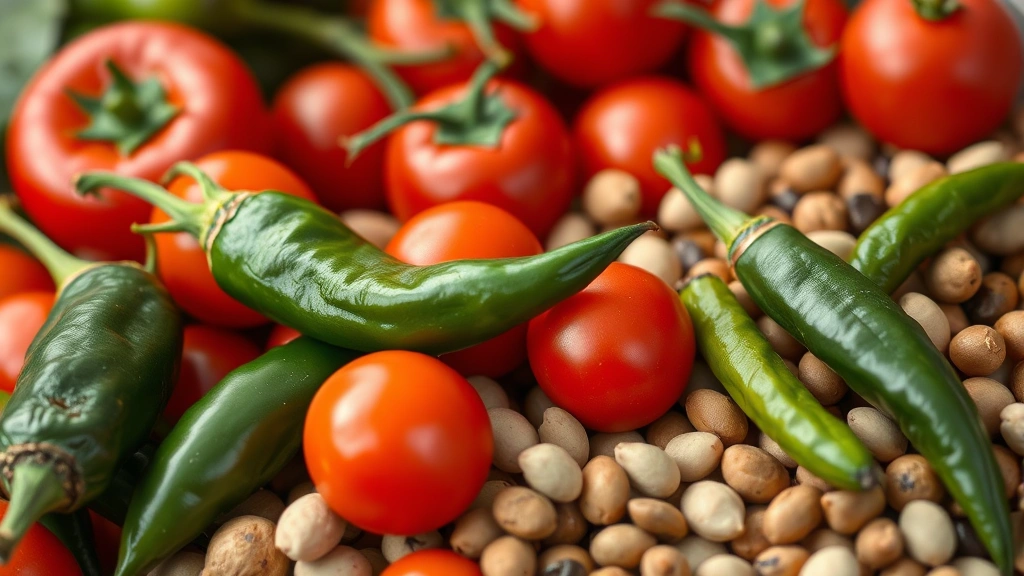
Beyond macronutrients and fiber, chili delivers an impressive array of micronutrients essential for optimal body function. The specific micronutrient profile depends heavily on ingredients, but typical chili provides significant quantities of:
Iron: Both the heme iron from beef and non-heme iron from beans contribute to iron content, typically providing 3-5 milligrams per cup. This is particularly valuable for individuals at risk of iron deficiency, including vegetarians who consume bean-based chili.
Zinc: Beef contributes substantial zinc, essential for immune function and wound healing. A cup of chili provides approximately 4-6 milligrams of zinc, representing 36-55% of daily requirements.
B Vitamins: Chili is rich in B vitamins including B12 (from beef), folate (from beans), and thiamine. These vitamins support energy metabolism and neurological function, connecting directly to nutrition and mental health outcomes.
Lycopene: Tomatoes in chili contain lycopene, a powerful antioxidant linked to reduced cardiovascular disease risk and improved cellular health. Cooking tomatoes, as in chili preparation, actually increases lycopene bioavailability.
Magnesium: Beans and chili peppers contribute magnesium, supporting muscle function, energy production, and nervous system health. A cup typically provides 50-80 milligrams of magnesium.
Potassium: Beans and tomatoes offer potassium, important for blood pressure regulation and cardiovascular health, typically providing 400-600 milligrams per serving.
Restaurant vs. Homemade Chili Nutrition
The nutritional difference between restaurant and homemade chili can be substantial. Restaurant chili, particularly from casual dining establishments, often contains significantly more calories, sodium, and fat than homemade versions due to preparation methods and ingredient choices.
Typical Restaurant Chili (per cup):
- Calories: 350-450
- Fat: 15-25 grams
- Sodium: 1000-1500 milligrams
- Added ingredients: cheese, sour cream, crackers
Typical Homemade Chili (per cup):
- Calories: 200-280
- Fat: 6-10 grams
- Sodium: 400-700 milligrams
- Control over all ingredients
The difference becomes even more pronounced when considering typical restaurant serving sizes, which often exceed standard cup measurements. A restaurant bowl might contain 1.5-2 cups, effectively doubling the nutritional values listed above. Additionally, restaurant chili frequently comes topped with cheese, sour cream, and crackers, adding 150-300 additional calories and significant fat and sodium.
Homemade chili allows complete control over every ingredient, enabling optimization for your specific nutritional needs and health goals. This control extends to how to improve nutrient absorption through ingredient selection and preparation timing.
Making Healthier Chili Choices
If you’re committed to enjoying chili while optimizing nutrition, several evidence-based strategies can significantly improve the nutritional profile:
Ingredient Selection: Choose 93% lean ground beef or ground turkey to reduce saturated fat content. For vegetarian options, use a combination of beans (black, kidney, pinto) and lentils to maximize protein and fiber while maintaining complete amino acid profiles. Add extra vegetables including diced bell peppers, zucchini, and mushrooms for additional micronutrients and volume without excess calories.
Sodium Management: Use low-sodium canned beans (or rinse standard canned beans to remove 40% of sodium), avoid adding salt until the final stages of cooking, and rely on spices like chili powder, cumin, paprika, and oregano for flavor. These adjustments can reduce sodium to 300-400 milligrams per cup while maintaining exceptional taste.
Fat Optimization: Brown ground meat in a separate pan and drain excess fat before adding to the chili. Use a minimal amount of cooking oil, relying instead on the natural moisture from tomatoes and vegetables. Remove any visible fat that accumulates on the surface during cooking.
Portion Control: Serve chili in one-cup portions with substantial side components like a large salad or whole grain bread rather than multiple cups as the main dish. This approach provides satisfaction while maintaining reasonable calorie intake.
Topping Choices: If adding toppings, choose Greek yogurt instead of sour cream (saves 40-60 calories and adds protein), use modest amounts of sharp cheddar (which provides more flavor per ounce, requiring less cheese), and skip crackers in favor of whole grain bread or vegetables.
The Nutrients Pathway Blog offers additional resources for optimizing various recipes and understanding nutritional trade-offs in common foods.
According to the Academy of Nutrition and Dietetics, chili represents an excellent vehicle for delivering plant-based proteins and fiber to the diet, particularly when prepared mindfully with attention to ingredient quality and portion sizes.

FAQ
How many calories are in a typical serving of chili?
A standard one-cup serving contains approximately 250-350 calories for homemade chili and 350-450 calories for restaurant versions. Exact values depend on meat type, bean variety, cooking method, and added toppings. Restaurant servings are typically 1.5-2 cups, effectively doubling these values.
Is chili healthy for weight loss?
Chili can support weight loss goals due to its high protein and fiber content, which promote satiety and sustained energy. However, portion control and preparation method matter significantly. Homemade chili with lean meat and controlled sodium is more compatible with weight loss than restaurant versions with added fats and toppings.
Can I make chili lower in sodium?
Absolutely. Use low-sodium canned beans or rinse standard canned beans, avoid adding salt during cooking, and rely on spices for flavor. Homemade chili can contain 300-400 milligrams of sodium per cup compared to 1000-1500 milligrams in restaurant versions.
What’s the best type of beans for chili nutrition?
Black beans, kidney beans, and pinto beans all offer excellent nutrition. Combining multiple bean varieties maximizes nutrient diversity and creates more complete protein profiles. Lentils can supplement beans for additional iron and fiber.
Does cooking chili affect its nutritional value?
Long, slow cooking actually enhances chili’s nutritional value. Extended cooking improves nutrient bioavailability, particularly for lycopene from tomatoes and minerals from beans. The slow cooking process also allows flavors to develop without requiring excess salt.
Is vegetarian chili as nutritious as meat-based chili?
Vegetarian chili can be equally nutritious when prepared with diverse legumes, additional vegetables, and whole grains. The primary consideration is ensuring complete protein through combining different plant proteins. Vegetarian chili typically contains lower saturated fat but may require more careful planning to achieve equivalent iron and B12 content.
How should I store leftover chili?
Refrigerate chili in airtight containers for up to four days or freeze for up to three months. Freezing actually preserves nutritional content, making batch cooking an excellent strategy for maintaining healthy eating patterns.


