Are Chocolate Chip Cookies Healthy? Expert Insight on Nutrition Facts
Chocolate chip cookies represent one of America’s most beloved treats, yet they remain a source of nutritional controversy. The question of whether these indulgences can fit into a healthy diet requires moving beyond simple yes-or-no answers and examining the actual chocolate chip cookie nutrition facts that determine their place in balanced eating patterns. Modern nutrition science suggests that occasional consumption of chocolate chip cookies, when made with mindful ingredient choices, need not derail wellness goals entirely.
The intersection of pleasure and nutrition has become increasingly nuanced in contemporary dietary guidance. Rather than demonizing treats entirely, nutrition experts now advocate for understanding portion control, ingredient quality, and frequency of consumption. This comprehensive analysis explores the nutritional profile of chocolate chip cookies, examines what makes certain varieties more healthful than others, and provides actionable insights for those seeking to enjoy these treats without compromising their health objectives.

Understanding Chocolate Chip Cookie Nutrition Facts
A standard chocolate chip cookie weighing approximately 40 grams typically contains between 150-200 calories, depending on size and ingredients. The chocolate chip cookie nutrition facts label reveals a complex nutritional profile that extends far beyond simple calorie counting. Most commercial varieties contain significant quantities of refined carbohydrates, added sugars, and saturated fats—nutrients that warrant careful consideration within the context of overall dietary patterns.
The fundamental question isn’t whether chocolate chip cookies are inherently “healthy” or “unhealthy,” but rather how they fit into individual nutritional needs and lifestyle choices. A single cookie consumed occasionally poses minimal metabolic concern for most individuals. However, regular consumption without awareness of portion sizes and overall caloric intake can contribute to excessive calorie accumulation, weight gain, and elevated risk for metabolic diseases. Understanding the specific nutritional components helps inform more intelligent dietary decisions.
Research from the CDC on added sugars consumption demonstrates that Americans consume far more added sugars than recommended levels, with baked goods representing a significant source. This context makes awareness of cookie nutrition particularly relevant for public health outcomes.
The Nutrients Pathway Blog provides ongoing analysis of food composition and nutritional science. For those seeking to understand how individual foods impact broader health patterns, examining detailed nutritional breakdowns proves essential. Chocolate chip cookies, when evaluated through this lens, reveal both challenges and opportunities for modification.

Caloric Content and Macronutrient Breakdown
Caloric density represents the primary nutritional concern associated with chocolate chip cookies. A typical cookie delivers approximately 150-200 calories in a relatively small portion, meaning that consuming multiple cookies quickly accumulates substantial caloric intake without proportional satiety benefits. The macronutrient distribution in standard recipes emphasizes carbohydrates and fats while providing minimal protein content.
The macronutrient breakdown of an average chocolate chip cookie typically includes:
- Carbohydrates: 18-24 grams, primarily from refined flour and added sugars
- Fat: 8-12 grams, largely from butter and chocolate
- Protein: 1-2 grams, insufficient for meaningful satiety
- Fiber: Less than 1 gram in most commercial varieties
This macronutrient composition lacks the balance recommended by nutrition experts. The low protein and fiber content means cookies provide rapid blood sugar elevation without sustained satiety, contributing to continued hunger and potential overeating patterns. Individuals following a healthy nutrition plan focused on eating well for life should recognize these limitations when incorporating cookies into their dietary framework.
The caloric density becomes particularly problematic when consumed alongside other foods rather than as a standalone snack. Research on eating behavior demonstrates that high-calorie, low-satiety foods often fail to trigger appropriate fullness signals, leading to overconsumption before satiety mechanisms activate.
Sugar Content and Metabolic Impact
Sugar content represents the most significant nutritional concern in chocolate chip cookies. A single standard cookie contains approximately 12-15 grams of added sugar, representing 25-30% of the recommended daily intake for adults. This concentration of simple carbohydrates triggers rapid blood glucose elevation, stimulating insulin secretion and contributing to energy fluctuations and mood destabilization.
The metabolic impact of cookie consumption extends beyond immediate blood sugar effects. Regular consumption of high-sugar foods increases risk for type 2 diabetes, metabolic syndrome, and cardiovascular disease. The American Heart Association recommends limiting added sugar to 25 grams daily for women and 36 grams for men—meaning a single chocolate chip cookie consumes a substantial portion of this allowance.
Research from the American Heart Association on added sugars emphasizes the particular danger of refined sugars in processed foods. The concentration of sugars in baked goods represents a significant public health concern, particularly given their ubiquity and palatability.
Individuals concerned with nutrition and mental health impacts on brain function should recognize that blood sugar fluctuations directly influence cognitive performance and emotional regulation. The energy crash following sugar consumption can impair focus and mood stability throughout the day.
Fat Composition in Traditional Cookies
The fat content in chocolate chip cookies warrants careful examination, as cookie recipes traditionally rely on butter—a source of saturated fat. A typical cookie contains 8-12 grams of total fat, with 4-7 grams from saturated sources. While saturated fat consumption requires moderation rather than elimination, the quantity in cookies represents a meaningful portion of recommended daily limits.
Chocolate chip cookies additionally contain trans fats in many commercial varieties, particularly those utilizing vegetable shortening or partially hydrogenated oils. Trans fats present unique metabolic dangers, increasing LDL cholesterol while decreasing HDL cholesterol—a particularly harmful combination for cardiovascular health. Many manufacturers have reformulated to eliminate trans fats, yet some products still contain these harmful compounds.
The chocolate component provides some nutritional benefits through flavonoid antioxidants, particularly in darker chocolate varieties. However, the quantity of chocolate in most cookies remains insufficient to deliver meaningful antioxidant benefits. The added sugars and fats in chocolate components typically outweigh modest polyphenol contributions.
For individuals prioritizing heart health, understanding fat composition becomes essential. The importance of dietary fiber for health article discusses how fiber intake influences fat metabolism and cholesterol profiles—a benefit almost entirely absent from traditional chocolate chip cookies.
Healthier Cookie Alternatives
Modern nutritional science has enabled development of chocolate chip cookie recipes that substantially improve nutritional profiles while maintaining palatability and satisfaction. These modifications address the primary nutritional deficiencies in traditional recipes through strategic ingredient substitutions.
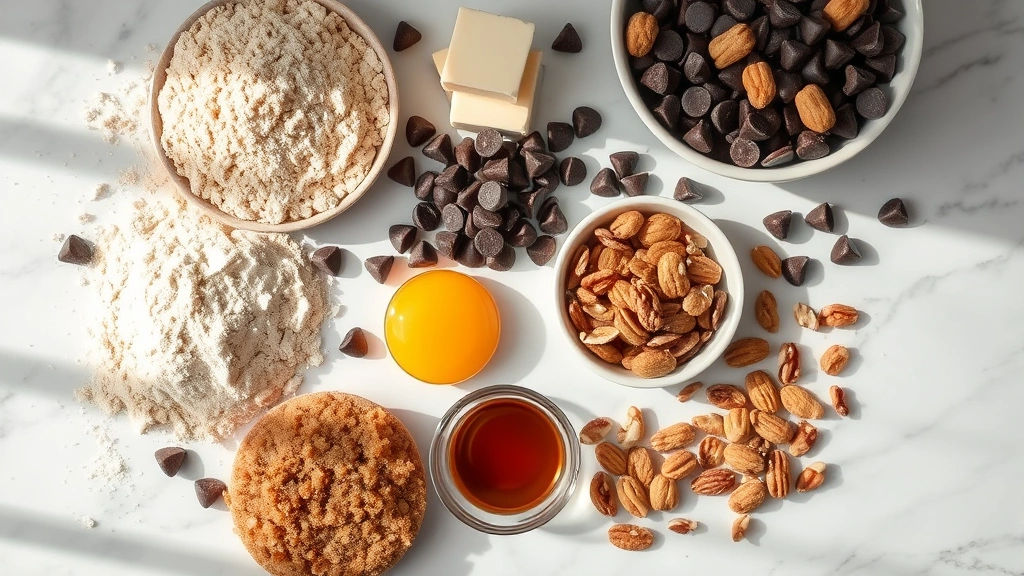
Whole grain flour substitution: Replacing refined white flour with whole wheat or oat flour dramatically increases fiber content, improving satiety and blood sugar stability. A cookie made with whole grain flour may contain 2-3 grams of fiber compared to less than 1 gram in traditional versions. This modification also introduces micronutrients including B vitamins and minerals largely absent in refined flour.
Sugar reduction strategies: Utilizing alternative sweeteners such as monk fruit, stevia, or allulose can reduce added sugar content by 30-50% without substantially compromising taste. Some recipes employ mashed banana or applesauce to provide sweetness while adding beneficial nutrients and fiber. These modifications maintain cookie appeal while dramatically reducing metabolic stress.
Protein enhancement: Adding protein powder, Greek yogurt, or nut butters increases protein content to 3-5 grams per cookie, substantially improving satiety profiles. Higher protein content slows glucose absorption and extends post-consumption fullness, reducing likelihood of overconsumption.
Fat optimization: Substituting butter with coconut oil or incorporating ground nuts introduces healthier fat profiles while maintaining moisture and texture. These modifications reduce saturated fat content while introducing beneficial compounds including medium-chain triglycerides and beneficial polyphenols.
Mix-in modifications: Replacing some chocolate chips with nuts, seeds, or dried fruits increases nutrient density while reducing overall sugar concentration. This approach maintains sensory satisfaction through texture and flavor diversity while improving nutritional outcomes.
Portion Control Strategies
For those unwilling to eliminate chocolate chip cookies entirely, strategic portion control enables enjoyment within nutritionally sound dietary frameworks. The key principle involves treating cookies as occasional treats rather than daily staples, consuming single cookies in mindful contexts rather than multi-cookie eating episodes.
Effective portion control strategies include:
- Single serving packaging: Purchasing individually wrapped cookies or portioning homemade cookies into single servings prevents unconscious overconsumption. Visual cues and pre-portioning create psychological boundaries supporting moderation.
- Pairing with protein: Consuming a cookie alongside protein sources such as Greek yogurt, nuts, or cheese slows glucose absorption and extends satiety. This combination approach converts cookies from pure indulgence into more balanced snacks.
- Frequency limitation: Restricting cookie consumption to specific occasions—perhaps once weekly—prevents accumulation of excessive calories and sugar while preserving enjoyment and psychological satisfaction.
- Mindful consumption: Eating cookies slowly, without distraction, enhances sensory experience and satisfaction, reducing quantities required to achieve pleasure. Mindful eating practices support portion moderation through enhanced awareness.
- Beverage pairing: Consuming cookies with water or unsweetened beverages rather than sugary drinks prevents additional sugar accumulation while supporting hydration.
Research on eating behavior demonstrates that conscious portioning and mindful consumption practices substantially reduce overall caloric intake compared to unconscious snacking patterns. These strategies prove particularly effective for individuals maintaining meal planning practices that account for occasional treats within broader nutritional frameworks.
Ingredient Quality Matters
The distinction between commercial mass-produced cookies and artisanal or homemade varieties proves nutritionally significant. Premium cookies often utilize higher-quality ingredients including real butter, dark chocolate with higher cocoa percentages, and whole grain flours—modifications that improve nutritional profiles while maintaining or enhancing flavor.
Commercial cookies frequently contain preservatives, artificial flavors, and additives designed to extend shelf life and reduce production costs. These compounds provide no nutritional benefit and may trigger sensitivities in some individuals. Reading ingredient lists reveals the stark contrast between simple, whole-food-based recipes and heavily processed commercial varieties.
Dark chocolate chips, particularly varieties containing 70% cocoa or higher, provide substantially greater antioxidant benefits than milk chocolate alternatives. The increased cocoa percentage means higher flavonoid concentrations while typically indicating reduced sugar content per serving. For those consuming chocolate chip cookies, prioritizing dark chocolate varieties represents a meaningful nutritional improvement.
Nut-based cookies incorporating almonds, walnuts, or pecans introduce healthy fats, protein, and micronutrients including vitamin E and magnesium. These additions transform cookies from nutritionally sparse indulgences into foods offering modest nutritional value alongside their sensory appeal.
Making cookies at home provides complete control over ingredient quality and quantities. Homemade recipes enable elimination of preservatives, reduction of added sugars to desired levels, and incorporation of nutrient-dense ingredients impossible in commercial production. The time investment in home baking yields superior nutritional outcomes justifying the effort for health-conscious consumers.
Expert analysis from nutritional research on ultra-processed foods demonstrates that processing level significantly influences metabolic effects independent of macronutrient composition. This research supports prioritizing minimally processed cookie varieties when consumption occurs.
Expert Recommendations and Nutritional Context
Registered dietitians increasingly adopt flexible, non-restrictive approaches to nutrition that accommodate treats within overall healthy patterns. Rather than complete elimination, experts recommend treating chocolate chip cookies as occasional indulgences consumed consciously and in moderation. This approach proves more sustainable than strict dietary prohibition, which often triggers rebound overeating and psychological distress.
The critical nutritional principle involves ensuring that treats occupy a small percentage of overall caloric intake—typically 10% or less—while the majority of calories derive from nutrient-dense foods. For individuals consuming 2,000 calories daily, this framework allows 150-200 calories from treats, translating to approximately one standard cookie daily or several cookies weekly.
Nutritional science emphasizes total dietary patterns rather than individual foods. A single chocolate chip cookie consumed as part of a diet rich in vegetables, fruits, lean proteins, and whole grains presents minimal health concern. Conversely, regular cookie consumption as part of a diet dominated by processed foods creates cumulative metabolic stress regardless of individual cookie quality.
The question of cookie health ultimately depends on individual circumstances including current health status, dietary patterns, activity levels, and personal health goals. Individuals with diabetes, prediabetes, or metabolic syndrome should approach cookies with greater caution, potentially avoiding them entirely or limiting consumption to specially formulated low-sugar varieties. Others with generally healthy metabolic profiles can accommodate occasional cookie consumption without concern.
Consultation with registered dietitians provides personalized guidance accounting for individual health status and goals. Generic nutritional advice proves less valuable than customized recommendations addressing specific health contexts and preferences.
FAQ
How many calories are in a typical chocolate chip cookie?
Standard chocolate chip cookies contain 150-200 calories per cookie, depending on size and ingredients. Homemade varieties may range from 100-250 calories based on recipe modifications and portion sizes.
Can I eat chocolate chip cookies on a diet?
Occasional cookie consumption fits within most dietary frameworks when portion-controlled and balanced with nutrient-dense foods. Consuming one cookie as an occasional treat, perhaps weekly, presents minimal dietary concern for most individuals. However, those with specific health conditions should consult healthcare providers regarding appropriate consumption levels.
What’s the sugar content in chocolate chip cookies?
Typical cookies contain 12-15 grams of added sugar per cookie, representing 25-30% of recommended daily limits. Homemade cookies with reduced sugar or cookies sweetened with sugar alcohols or alternative sweeteners may contain substantially less.
Are homemade cookies healthier than store-bought?
Homemade cookies offer potential nutritional advantages through ingredient control, allowing reduction of added sugars, elimination of preservatives, and incorporation of whole grains and nuts. However, homemade cookies may still contain significant sugars and fats depending on recipes used. The nutritional advantage depends entirely on specific recipe modifications.
What makes a healthier chocolate chip cookie?
Healthier cookie modifications include using whole grain flours, reducing added sugars through alternative sweeteners, increasing protein content, incorporating nuts or seeds, utilizing dark chocolate, and reducing saturated fat through ingredient substitutions. These modifications improve nutritional profiles while maintaining sensory appeal.
How often can I safely eat chocolate chip cookies?
For most individuals without metabolic disease, consuming one to two cookies weekly presents minimal health concern. Those with diabetes, prediabetes, or obesity may need to limit consumption further or avoid cookies entirely, depending on individual health status and professional medical guidance.