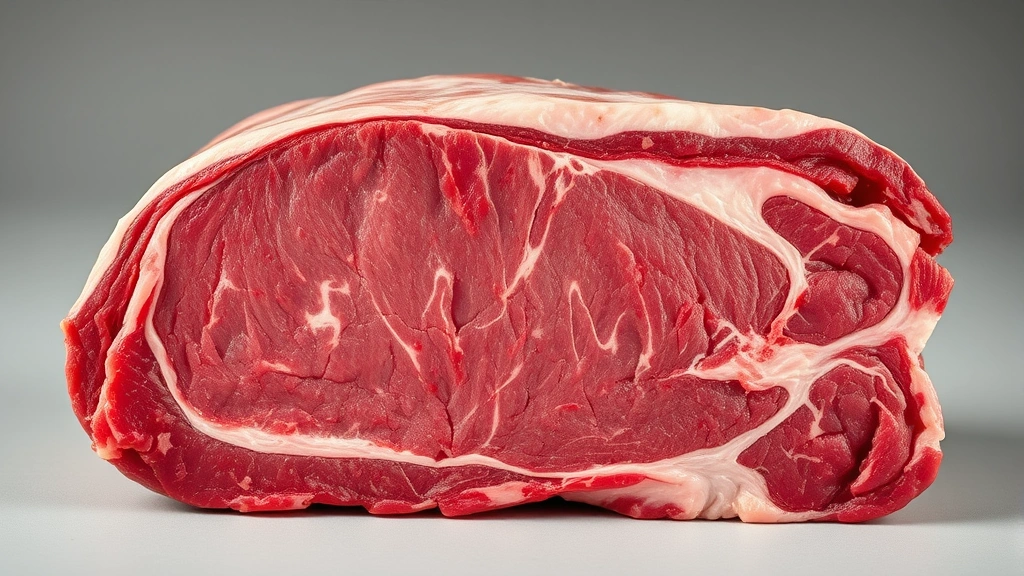
Chuck Roast Benefits? Dietitian’s Insight on Nutrition and Health
Chuck roast has emerged as a nutritional powerhouse in the culinary landscape, offering substantial health benefits that extend beyond its delicious, tender texture. As a registered dietitian, I’ve observed growing interest in understanding how this affordable beef cut contributes to overall wellness. Chuck roast delivers an impressive nutritional profile that makes it worthy of regular inclusion in a balanced diet, particularly for individuals seeking muscle development, sustained energy, and micronutrient density.
The beauty of chuck roast lies in its versatility and nutrient concentration. Whether slow-cooked in a Dutch oven, pressure-cooked, or braised, this cut retains its nutritional integrity while becoming increasingly bioavailable. Understanding the specific health advantages of chuck roast empowers consumers to make informed dietary choices that align with their wellness goals.
Nutritional Composition of Chuck Roast
Chuck roast, derived from the shoulder area of the cow, contains approximately 25-26 grams of protein per 3.5-ounce serving, making it one of the most protein-dense foods available. This lean-to-fat ratio varies depending on the specific cut and trim level, but the nutritional value remains consistently impressive. A typical serving provides roughly 200-250 calories, with the majority derived from protein and a moderate amount from fat.
The macronutrient distribution in chuck roast supports multiple metabolic functions. Beyond protein, chuck roast contains beneficial fats including oleic acid, the same monounsaturated fat found in olive oil. These fats facilitate the absorption of fat-soluble vitamins and support cellular function. The carbohydrate content remains negligible, making chuck roast an excellent choice for individuals following low-carbohydrate or ketogenic dietary approaches.
When examining the micronutrient density, chuck roast delivers substantial quantities of B vitamins, iron, zinc, and selenium. These nutrients work synergistically to support energy metabolism, immune function, and antioxidant defense systems. The bioavailability of these nutrients—particularly heme iron—exceeds that of plant-based sources, meaning your body absorbs and utilizes them more efficiently. Exploring a healthy nutrition plan that incorporates chuck roast can significantly enhance your micronutrient intake.
Protein Content and Muscle Development
Protein serves as the fundamental building block for muscle tissue, and chuck roast provides complete protein containing all nine essential amino acids. This completeness distinguishes animal proteins from most plant-based alternatives, offering superior muscle protein synthesis stimulation. Research from the Journal of the International Society of Sports Nutrition demonstrates that beef consumption correlates with enhanced muscle development when combined with resistance training.
The leucine content in chuck roast particularly supports muscle growth. Leucine acts as a signaling molecule that activates mTOR pathways responsible for muscle protein synthesis. A 3.5-ounce serving of chuck roast contains approximately 1.8 grams of leucine, sufficient to trigger optimal muscle-building responses. This makes chuck roast particularly valuable for aging adults experiencing sarcopenia—age-related muscle loss—and for athletes engaged in strength development.
Beyond immediate muscle synthesis, chuck roast supports long-term muscular health through its creatine content. Creatine functions as an energy substrate for muscle cells, enhancing performance during high-intensity activities. The combination of complete protein, leucine, and creatine positions chuck roast as an exceptional food for individuals prioritizing muscle maintenance and development. Consider pairing chuck roast consumption with strategies outlined in our guide to nutrition for weight gain to maximize muscle development results.
Essential Micronutrients and Bioavailability
Chuck roast delivers exceptional concentrations of B vitamins essential for energy metabolism. Vitamin B12, found exclusively in animal products, reaches approximately 1.4 micrograms per 3.5-ounce serving—exceeding the daily recommended intake for most adults. This vitamin proves critical for nervous system function, DNA synthesis, and red blood cell formation. Individuals deficient in B12 experience fatigue, cognitive impairment, and neurological complications; chuck roast consumption provides an efficient dietary solution.
Niacin (B3) content in chuck roast supports cardiovascular health and energy production. Additionally, chuck roast contains significant quantities of vitamin B6, essential for neurotransmitter synthesis and immune function. The riboflavin content facilitates cellular energy generation through its role in the electron transport chain. These B vitamins work synergistically to maintain metabolic efficiency and prevent age-related cognitive decline.
The iron content in chuck roast deserves particular attention. Red meat contains heme iron, a highly bioavailable form that your body absorbs at rates approaching 25-35%, compared to non-heme iron absorption rates of 2-20%. This distinction proves crucial for individuals at risk of iron deficiency anemia, including menstruating women and endurance athletes. A 3.5-ounce serving provides approximately 2.6 milligrams of iron—roughly 15% of the daily recommended intake for adult women.
Zinc and selenium, two critical micronutrients often deficient in Western diets, appear in substantial quantities in chuck roast. Zinc supports immune function, wound healing, and protein synthesis. Selenium functions as a powerful antioxidant, protecting cells from oxidative damage and supporting thyroid hormone metabolism. The combination of these micronutrients, coupled with their superior bioavailability in animal sources, establishes chuck roast as a nutritional concentrate worthy of regular consumption.
Heart Health Considerations
Concerns about beef consumption and cardiovascular health warrant careful examination. While chuck roast contains saturated fat, emerging research challenges simplistic dietary guidelines that demonized all saturated fat consumption. A comprehensive analysis published by Harvard School of Public Health demonstrates that the relationship between beef consumption and heart disease depends significantly on preparation methods, portion sizes, and overall dietary patterns.
Chuck roast, when trimmed of visible fat and prepared through methods like braising or slow-cooking, can fit within heart-healthy dietary frameworks. The fat rendered during slow-cooking can be removed, reducing saturated fat content substantially. Furthermore, chuck roast contains compounds like conjugated linoleic acid (CLA) and carnitine, which may offer cardiovascular protective effects. CLA demonstrates anti-inflammatory properties, while carnitine supports heart muscle function.
The key to incorporating chuck roast into a heart-healthy diet involves portion control and preparation methodology. Limiting consumption to 3-4 ounces per serving, trimming visible fat, and avoiding processed preparations supports cardiovascular wellness. Additionally, pairing chuck roast with vegetables rich in dietary fiber addresses potential concerns about cholesterol metabolism. Integrating chuck roast into your nutrition and mental health approach can enhance overall dietary satisfaction, potentially improving dietary adherence.
Weight Management Applications
Chuck roast presents a paradoxical advantage for weight management: despite moderate caloric density, its high protein content promotes satiety and supports metabolic efficiency. Protein exerts the highest thermic effect of macronutrients, meaning your body burns additional calories during protein digestion and metabolism. A high-protein diet incorporating chuck roast can increase daily energy expenditure by 80-100 calories compared to lower-protein alternatives.
The satiety-promoting effects of chuck roast prove particularly valuable for individuals managing caloric intake. Protein activates gut hormones including cholecystokinin and peptide YY, signaling fullness to the brain. This physiological response reduces overall caloric consumption without requiring conscious restriction. Studies demonstrate that individuals consuming adequate protein experience fewer hunger episodes and reduced cravings for processed foods.
Furthermore, chuck roast contains negligible carbohydrates, eliminating blood sugar fluctuations that trigger hunger cycles. This stable glucose response permits sustained energy availability without the energy crashes associated with refined carbohydrate consumption. For individuals following low-carbohydrate approaches to weight management, chuck roast serves as an ideal protein source. Combining chuck roast consumption with strategies outlined in our comprehensive guide to nutrition for weight gain demonstrates how this cut can support diverse health objectives.
Bone and Joint Support
Chuck roast provides collagen and gelatin, particularly when prepared through slow-cooking methods that extract connective tissue. These compounds contain amino acids including glycine and proline, which serve as building blocks for cartilage, bone matrix, and connective tissue. The gelatin-rich broths produced during chuck roast preparation deliver bioavailable collagen peptides that support joint integrity and mobility.
Bone broth, created by slow-cooking chuck roast with bones and connective tissue for extended periods, has gained recognition for supporting joint health. The collagen hydrolysate in this preparation supports cartilage resilience and may reduce joint pain associated with osteoarthritis. Additionally, the minerals leached from bones during cooking—calcium, magnesium, and phosphorus—support bone mineralization and structural integrity.
Beyond collagen, chuck roast delivers nutrients essential for bone metabolism. Zinc participates in bone formation and remodeling, while vitamin B12 supports osteoblast function. The copper content, though modest, proves essential for collagen cross-linking, the process that provides bone with its tensile strength. For aging individuals concerned with bone density maintenance, chuck roast consumption supports skeletal health through multiple biochemical pathways.
Preparation Methods Matter
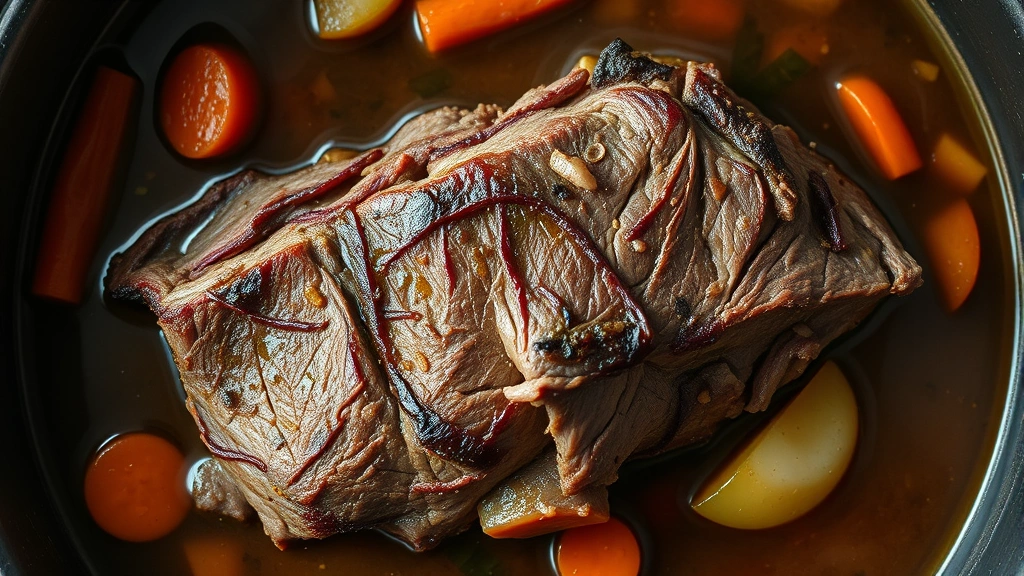
The nutritional benefits of chuck roast vary substantially depending on preparation methodology. Slow-cooking and braising preserve nutrient density while rendering fat that can be removed, optimizing the nutritional profile. These methods also increase collagen hydrolysis, enhancing bioavailability of amino acids essential for joint and gut health. Pressure cooking delivers similar benefits while reducing preparation time from 4-6 hours to 45 minutes.
Conversely, charring or high-temperature cooking methods create heterocyclic amines (HCAs) and polycyclic aromatic hydrocarbons (PAHs), potentially carcinogenic compounds. Marinating chuck roast in antioxidant-rich solutions—rosemary, garlic, and vinegar—before cooking reduces HCA formation by up to 90%. Cooking at lower temperatures and for shorter durations minimizes these compounds while preserving nutritional integrity.
Combining chuck roast with vegetables amplifies the nutritional benefit. The fiber in vegetables supports digestive health and feeds beneficial gut bacteria. Cruciferous vegetables like broccoli contain sulforaphane, a compound with anti-inflammatory and potentially cancer-protective properties. This synergistic approach to meal preparation optimizes both nutrition and health outcomes. Exploring a complete guide to dietary fiber can enhance your understanding of how to structure chuck roast meals for maximum health benefit.
Comparison with Other Cuts
Chuck roast occupies a unique position among beef cuts, offering superior nutritional value compared to many alternatives. Compared to ribeye steak, chuck roast contains marginally less fat while maintaining equivalent protein density. Ground chuck, derived from the same anatomical region, provides similar nutritional benefits with increased versatility for meal preparation. However, chuck roast’s collagen-rich connective tissue offers joint-supporting benefits absent from leaner cuts.
When compared to sirloin or round roast, chuck roast delivers superior marbling and fat-soluble vitamin content. The intramuscular fat in chuck roast enhances vitamin A, D, and E absorption. Additionally, chuck roast’s lower cost makes premium nutrition more accessible. Brisket, another economical cut, contains comparable nutrition but requires longer cooking times and yields less versatile end products.
Organ meats, while nutrient-dense, present palatability challenges for many individuals. Chuck roast bridges this gap, delivering substantial micronutrient concentrations in a familiar, culturally acceptable form. For individuals transitioning to nutrient-dense dietary patterns, chuck roast provides an excellent entry point. Visit our Nutrients Pathway Blog for additional comparative analysis of protein sources and their health applications.
FAQ
How much chuck roast should I consume weekly?
Most dietary guidelines recommend 3-4 ounces of lean beef 2-3 times weekly. This quantity provides substantial nutritional benefits while maintaining dietary balance. Individuals with specific health conditions should consult healthcare providers regarding personalized recommendations.
Does chuck roast contain harmful bacteria?
Properly stored and cooked chuck roast presents minimal food safety risks. Cooking to internal temperatures of 160-165°F eliminates pathogenic bacteria. Slow-cooking methods, which maintain temperatures above 140°F for extended periods, ensure complete pathogen elimination.
Can chuck roast fit into vegetarian diets?
Chuck roast, being beef, does not align with vegetarian dietary approaches. However, exploring plant-based protein alternatives and consulting our nutrition facts about avocados can provide vegetarians with alternative nutrient sources.
Is grass-fed chuck roast superior to grain-fed?
Research from Nutrients Journal indicates grass-fed beef contains marginally higher omega-3 fatty acids and CLA. However, both grass-fed and grain-fed chuck roast deliver excellent nutrition. Individual budget and availability often determine selection.
How does chuck roast support energy levels?
Chuck roast delivers B vitamins essential for converting food into cellular energy. Additionally, the iron and carnitine content supports oxygen transport and mitochondrial energy production, enhancing sustained energy availability throughout the day.
What are the environmental considerations?
Beef production carries environmental implications including greenhouse gas emissions and land use. Consuming chuck roast in moderate quantities while supporting sustainable ranching practices represents a balanced approach to environmental stewardship and personal nutrition.


