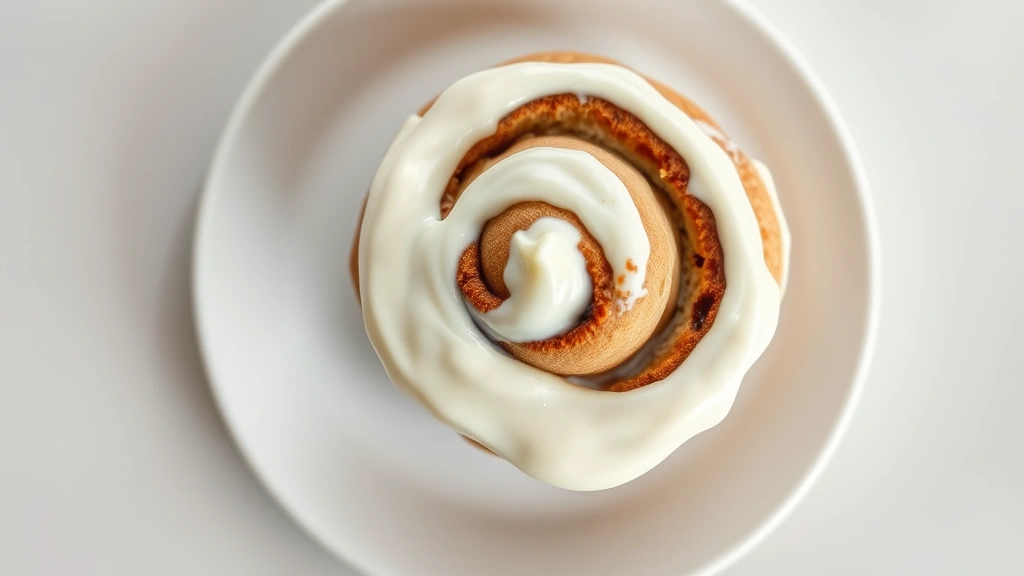
Cinnabon Calories High? Dietitian Insights on Nutrition Facts
Cinnabon rolls have become a guilty pleasure for millions of people worldwide, but understanding their nutritional impact is crucial for informed dietary choices. A single Classic Cinnabon roll contains approximately 880 calories, which represents a substantial portion of the recommended daily intake for most adults. This comprehensive guide examines the calorie content, sugar levels, and overall nutritional profile of Cinnabon products through the lens of professional dietitian expertise.
The popularity of Cinnabon extends beyond casual indulgence—these pastries occupy a significant space in modern food culture, available in malls, airports, and specialty locations globally. However, the caloric density and ingredient composition warrant serious consideration for anyone concerned about their dietary habits. Whether you’re a regular consumer seeking moderation strategies or someone curious about occasional indulgence, understanding the nutritional breakdown helps you make conscious decisions aligned with your health goals.

Calorie Breakdown and Serving Sizes
The caloric content of Cinnabon products varies significantly depending on the specific item and portion size. A Classic Cinnabon roll weighs approximately 113 grams and delivers 880 calories, making it one of the most calorie-dense bakery items available at commercial establishments. For context, this single pastry represents 44% of a 2,000-calorie daily diet, which is the standard reference value used on nutrition labels.
Cinnabon offers several variations that differ in caloric content. The Cinnabon Minis, which are smaller portions, contain approximately 350 calories each, providing a smaller indulgence option. The Cinnabon BiteSize offerings deliver around 80-100 calories per piece, allowing consumers to satisfy cravings with reduced caloric impact. Understanding these variations is essential for portion control and dietary planning, particularly for individuals following a healthy nutrition plan.
The cream cheese frosting that characterizes Cinnabon products contributes substantially to the caloric load. This frosting alone accounts for approximately 300-350 calories of the total, making it a primary driver of the pastry’s energy density. The dough itself, which is layered with cinnamon and sugar, provides the remaining calories through refined carbohydrates and added fats.
Dietitians emphasize that serving size awareness is fundamental to responsible consumption. Many consumers underestimate portion sizes when enjoying indulgent foods, leading to unintended caloric excess. The standard Cinnabon roll represents a complete meal-equivalent in terms of calories, not merely a snack or side item as some perceive it.

Sugar Content and Dietary Implications
Perhaps more concerning than calories alone is the sugar content present in Cinnabon products. A Classic roll contains approximately 72 grams of sugar, which exceeds the American Heart Association’s recommended daily sugar intake for adult women (25 grams) and approaches the limit for adult men (36 grams). This single pastry delivers nearly 3 days’ worth of recommended sugar consumption in one serving.
The sugar in Cinnabon comes from multiple sources: the dough itself, the cinnamon-sugar filling, the cream cheese frosting, and any glaze or additional toppings. This multi-layered sugar load creates a significant blood glucose spike, which can trigger insulin responses and contribute to energy crashes shortly after consumption. For individuals managing diabetes or prediabetes, this sugar concentration presents particular concerns.
Research from the CDC on added sugars indicates that excessive consumption of added sugars is linked to increased risk of heart disease, type 2 diabetes, and dental problems. The sugar in Cinnabon products is almost entirely added sugar rather than naturally occurring, making it particularly relevant to these health concerns.
Dietitians note that regular consumption of high-sugar foods like Cinnabon can contribute to metabolic dysfunction and weight gain over time. The lack of satiety-promoting nutrients (fiber, protein) in these pastries means that despite their high caloric content, they don’t provide lasting fullness, potentially leading to additional food consumption shortly afterward.
For individuals concerned about nutrition and mental health, understanding sugar’s impact on mood and cognitive function is also relevant. Blood sugar fluctuations from high-sugar foods can affect emotional regulation and mental clarity.
Complete Nutritional Profile Analysis
Beyond calories and sugar, examining Cinnabon’s complete nutritional profile provides important context for dietary decisions. A Classic roll contains approximately 34 grams of fat, with saturated fat comprising about 17 grams. This saturated fat content represents 85% of the recommended daily limit, raising concerns about cholesterol levels and cardiovascular health with regular consumption.
The protein content in a standard Cinnabon roll is minimal—approximately 13 grams—which is insufficient to provide meaningful satiety or muscle support. This low protein-to-calorie ratio is characteristic of refined carbohydrate-based pastries and contributes to their poor nutritional efficiency. A food that delivers 880 calories should ideally provide at least 20-25 grams of protein to be considered reasonably balanced.
Sodium content presents another concern, with a single roll containing approximately 730 milligrams of sodium. This represents 32% of the recommended daily intake, making Cinnabon a significant sodium source despite being a sweet pastry rather than a savory food. Excessive sodium consumption is linked to hypertension and cardiovascular complications.
The carbohydrate content totals approximately 111 grams, nearly all from refined sources lacking fiber. A Classic roll contains only 2 grams of dietary fiber, which is negligible. Dietitians emphasize that dietary fiber is essential for digestive health and metabolic function. The absence of meaningful fiber means Cinnabon provides minimal nutritional benefit despite its substantial caloric load.
Micronutrient analysis reveals limited vitamin and mineral content. While Cinnabon contains small amounts of calcium and iron, these are negligible relative to daily requirements. The pastry offers virtually no vitamin C, vitamin K, or other essential micronutrients that support immune function and overall health.
How Cinnabon Compares to Other Pastries
Understanding Cinnabon’s nutritional profile becomes clearer when compared to other bakery items. A Starbucks Chocolate Croissant contains approximately 410 calories and 25 grams of sugar—roughly half the caloric and sugar content of a Cinnabon. A typical glazed donut from Krispy Kreme delivers about 190 calories and 10 grams of sugar, making it a significantly lighter option.
Even indulgent alternatives like a slice of cheesecake (approximately 400-500 calories) or a chocolate brownie (200-300 calories) offer better portion-controlled options than a full Cinnabon. This comparison isn’t meant to suggest these alternatives are healthy choices, but rather to illustrate that Cinnabon represents the extreme end of the pastry spectrum in terms of caloric and sugar density.
Comparing Cinnabon to breakfast items provides additional perspective. A typical breakfast consisting of two eggs, whole wheat toast with butter, and a glass of orange juice delivers approximately 400-450 calories with significantly more protein (15-20 grams) and fiber (3-4 grams). This breakfast would provide greater satiety and more balanced nutrition than a Cinnabon, despite being roughly half the calories.
International pastries offer interesting comparisons as well. A French croissant typically contains 200-250 calories, while a Danish pastry ranges from 250-350 calories. These European pastries, while still indulgent, are considerably lighter than Cinnabon’s cream cheese-frosted offerings. The cream cheese frosting is the primary differentiator that pushes Cinnabon into the extreme caloric range.
Strategies for Enjoying Cinnabon Responsibly
For those who genuinely enjoy Cinnabon and wish to incorporate it into their diet occasionally, professional dietitians recommend several practical strategies. The most straightforward approach is portion control: sharing a Classic roll with another person effectively halves the caloric intake to approximately 440 calories, making it more reasonable for an occasional treat.
Timing consumption strategically can also help minimize negative impacts. Enjoying a Cinnabon as part of a balanced meal (paired with protein and vegetables) rather than as a standalone snack reduces blood sugar spikes and provides greater satiety. For example, consuming a Cinnabon alongside a protein-rich lunch helps slow sugar absorption and maintains energy levels.
Opting for the smaller Cinnabon Minis (350 calories each) provides the same flavor experience with a 60% reduction in caloric content. This allows for more frequent enjoyment without excessive caloric accumulation. Some consumers find that one Mini satisfies their craving as effectively as a full roll would, making this a practical compromise.
Frequency matters significantly in the context of overall dietary patterns. Occasional Cinnabon consumption—perhaps once monthly—has minimal impact on long-term health outcomes. However, weekly or more frequent consumption can meaningfully contribute to weight gain, metabolic dysfunction, and chronic disease risk. Following tips for meal planning helps ensure that indulgences remain occasional rather than habitual.
Pairing Cinnabon with physical activity can help offset some caloric impact. A 30-minute moderate-intensity workout burns approximately 300-400 calories for most individuals, partially compensating for the pastry’s caloric load. While this shouldn’t be viewed as “earning” indulgences, it does provide context for how consumption fits within overall energy balance.
Healthier Alternatives and Substitutions
For individuals seeking cinnamon-flavored satisfaction without Cinnabon’s nutritional drawbacks, numerous alternatives exist. Homemade cinnamon rolls made with whole wheat flour, reduced sugar, and Greek yogurt-based frosting can deliver similar sensory experiences with 300-400 calories and significantly less sugar. Many online recipes provide guidance for creating satisfying versions with improved nutritional profiles.
Cinnamon-flavored oatmeal bowls topped with yogurt, nuts, and a drizzle of honey offer the cinnamon flavor profile with approximately 250-300 calories and meaningful protein and fiber content. These bowls provide sustained energy and satiety that Cinnabon cannot match, making them superior choices for breakfast or snacks.
Cinnamon toast made from whole grain bread with a small amount of cinnamon and honey delivers approximately 150-200 calories while providing fiber and sustained carbohydrates. This simple preparation satisfies cinnamon cravings with a fraction of Cinnabon’s caloric impact.
For those seeking bakery-quality cinnamon rolls without commercial processing, exploring local bakeries that use quality ingredients and offer smaller portions can provide better options. Many artisanal bakeries create cinnamon rolls with real butter, less sugar, and minimal additives—still indulgent but more nutritionally honest than Cinnabon.
Frozen cinnamon roll options made with whole grains and reduced sugar are increasingly available at grocery stores. While not equivalent to fresh bakery items, these provide a middle ground between homemade convenience and commercial indulgence, typically offering 250-350 calories per roll.
Exploring nutrition facts about nutrient-dense foods like avocados and other whole foods helps build a dietary framework where occasional indulgences fit naturally without dominating food choices. This approach emphasizes abundance of nutritious foods rather than deprivation of treats.
FAQ
Is one Cinnabon roll worth the calories?
Whether a single Cinnabon roll is “worth” its 880 calories depends on individual circumstances, dietary goals, and frequency of consumption. For someone maintaining a healthy weight with balanced overall nutrition, an occasional Cinnabon can fit within a flexible diet. However, for individuals managing weight loss, diabetes, or cardiovascular health concerns, the caloric and sugar load presents genuine health risks. The decision should be informed by your complete dietary context rather than viewed in isolation.
How often can I safely eat Cinnabon?
Most dietitians recommend limiting Cinnabon consumption to no more than once monthly for optimal health outcomes. This frequency allows for occasional enjoyment while preventing meaningful contribution to weight gain or metabolic dysfunction. Individuals with diabetes, prediabetes, or cardiovascular disease should consult healthcare providers about appropriate frequency, as their metabolic needs differ from the general population.
Does Cinnabon have any nutritional benefits?
Cinnabon provides minimal nutritional benefits relative to its caloric content. While it contains trace amounts of calcium and iron, these are negligible contributors to daily requirements. The cinnamon itself contains some antioxidants, but the quantity present in a roll is too small to provide meaningful health benefits. From a nutritional standpoint, Cinnabon is best viewed as a pure indulgence rather than a food offering health value.
Can I eat Cinnabon while trying to lose weight?
Weight loss is fundamentally about caloric deficit—consuming fewer calories than expended. A single Cinnabon roll represents nearly half a day’s recommended caloric intake for many people, making it extremely difficult to incorporate into a weight loss plan without sacrificing other meals or exercise. If weight loss is your goal, Cinnabon should be avoided or reserved for rare occasions when you can carefully plan your remaining daily intake.
What’s the difference between Cinnabon and homemade cinnamon rolls?
Homemade cinnamon rolls offer significantly more control over ingredients and portion sizes. Commercial Cinnabon rolls contain various additives, preservatives, and excessive amounts of added sugar that many homemade recipes omit. A typical homemade cinnamon roll, especially those using whole grains and reduced sugar, can provide similar satisfaction with 40-50% fewer calories and substantially less sugar than Cinnabon’s commercial offering.
Are Cinnabon Minis a healthier option?
Cinnabon Minis represent a more reasonable portion size at approximately 350 calories each, compared to the Classic roll’s 880 calories. However, “healthier” is relative—they’re still calorie-dense, sugar-heavy pastries. For individuals who will enjoy a Cinnabon regardless, choosing Minis reduces the caloric impact while maintaining the flavor experience. They’re a better choice than Classic rolls but shouldn’t be considered a health food.


