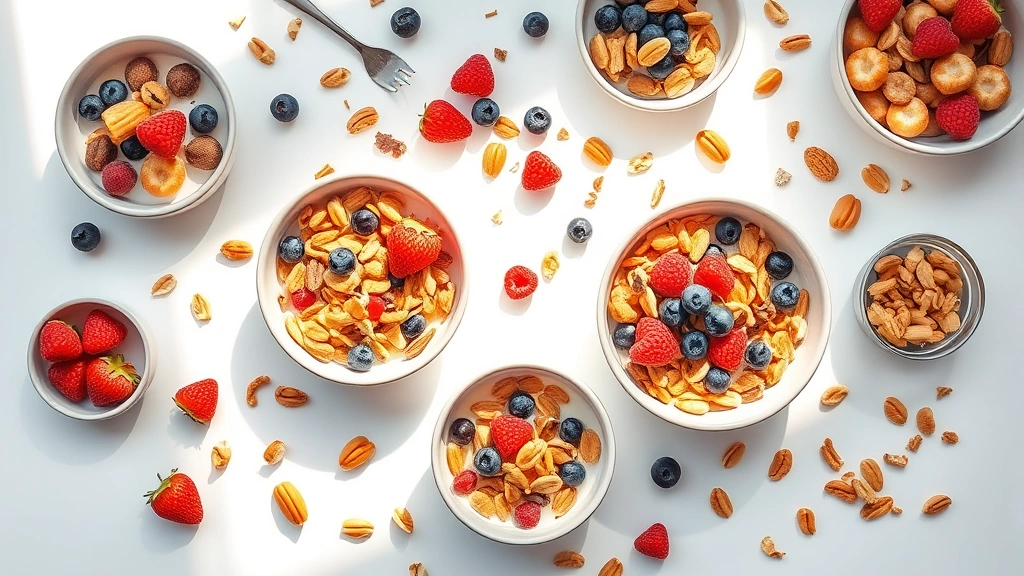
Is Cinnamon Toast Crunch Healthy? Dietitian Insight
Cinnamon Toast Crunch has been a breakfast staple for generations, beloved for its sweet cinnamon-sugar coating and crispy squares. But as health-conscious consumers increasingly scrutinize their food choices, a critical question emerges: is this iconic cereal actually healthy? This comprehensive analysis examines the nutritional profile of Cinnamon Toast Crunch through a dietitian’s lens, breaking down what the nutrition label really tells us and how this cereal fits into a balanced diet.
Understanding the health implications of breakfast cereals requires looking beyond marketing claims and examining the actual scientific evidence. We’ll explore the sugar content, fiber levels, artificial ingredients, and nutritional trade-offs that make Cinnamon Toast Crunch a complex food choice for modern families navigating dietary decisions.
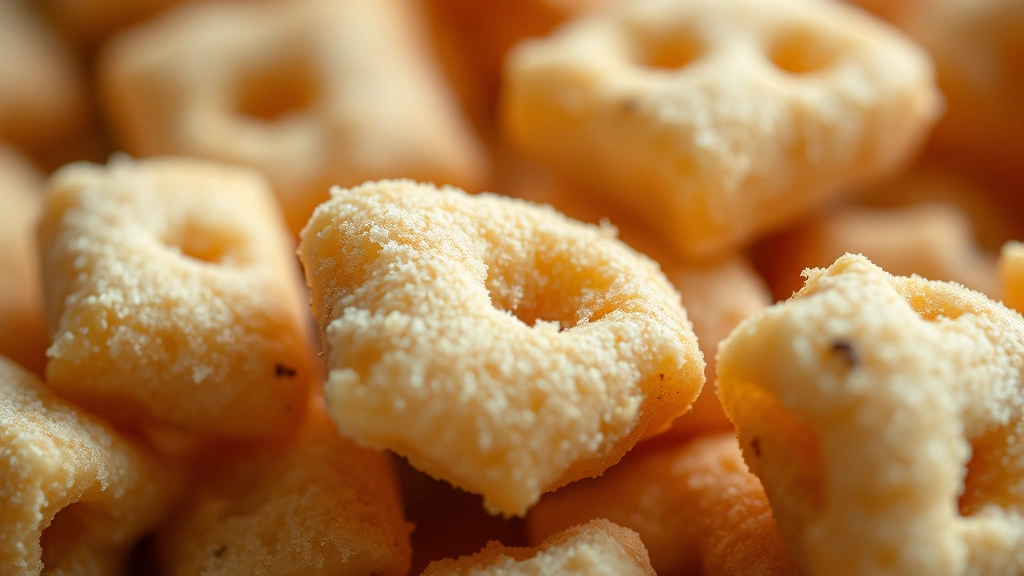
Cinnamon Toast Crunch Nutrition Breakdown
A standard serving of Cinnamon Toast Crunch (approximately 3/4 cup or 30 grams) contains roughly 130 calories, making it a relatively modest caloric choice for breakfast. However, calories tell only part of the story. The macronutrient composition reveals significant nutritional challenges that dietitians frequently discuss with clients.
Each serving provides approximately 1.5 grams of protein and only 1.5 grams of dietary fiber. For context, the American Heart Association recommends that adults consume 25-30 grams of fiber daily, making a single serving of Cinnamon Toast Crunch contribute just 5-6% of your daily fiber needs. The carbohydrate content stands at around 24 grams per serving, with the majority coming from simple sugars rather than complex carbohydrates.
The cereal contains minimal fat (approximately 1.5 grams), which is generally positive from a saturated fat perspective. However, the lack of healthy fats means this cereal won’t provide sustained satiety or support nutrient absorption. When examining the micronutrient profile, Cinnamon Toast Crunch is fortified with several vitamins and minerals including iron, zinc, and B vitamins, which manufacturers add to increase the product’s nutritional appeal.
Understanding your nutrition solutions requires examining complete food labels, not just isolated nutrients. The fortification of cereals like Cinnamon Toast Crunch is a double-edged sword—while it adds micronutrients, these additions don’t compensate for the product’s fundamental nutritional shortcomings.
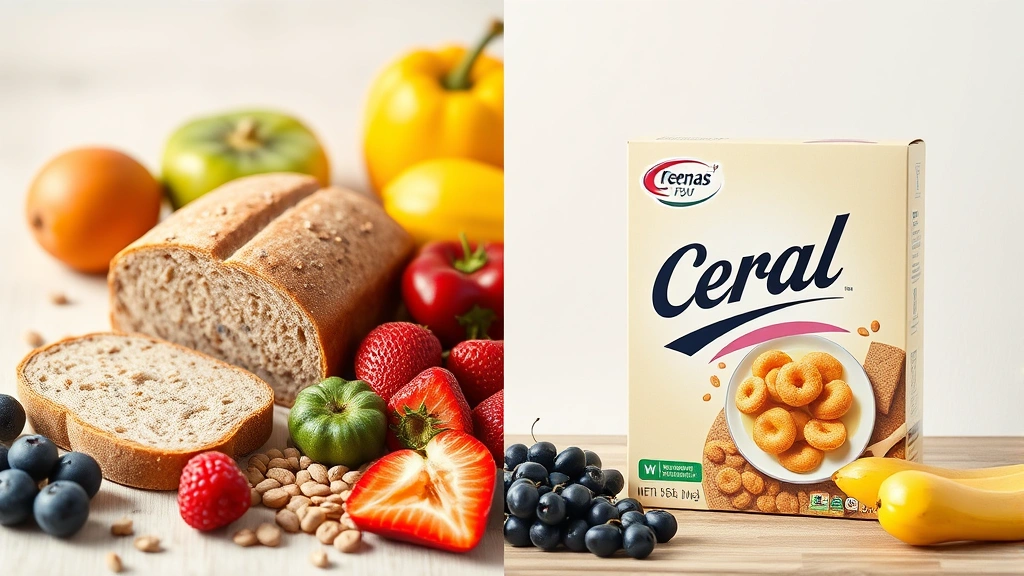
Sugar Content and Health Concerns
The most significant health concern with Cinnamon Toast Crunch is its sugar content. A single 3/4 cup serving contains approximately 9-10 grams of added sugar, which represents 18-20% of the daily recommended sugar intake for adults (based on the American Heart Association’s limit of 50 grams daily). For children, this represents an even larger percentage of their recommended daily sugar intake.
The World Health Organization and numerous nutritional guidelines from health organizations emphasize reducing added sugar consumption, linking excessive intake to obesity, type 2 diabetes, cardiovascular disease, and dental problems. Cinnamon Toast Crunch’s sugar-forward formula means consuming even a modest serving significantly impacts daily sugar consumption.
What makes this particularly problematic is the rapid absorption rate of these simple sugars. Without substantial fiber or protein to slow digestion, consuming Cinnamon Toast Crunch causes blood sugar spikes followed by crashes, leading to energy dips and increased hunger within hours. This metabolic response contradicts the goal of breakfast—providing sustained energy and satiety until the next meal.
The cinnamon flavoring, while natural in origin, doesn’t offer meaningful health benefits to offset the sugar concerns. Cinnamon contains compounds like cinnamaldehyde that have been studied for potential metabolic effects, but the amount present in sweetened cereal is negligible for any therapeutic benefit.
Artificial Ingredients and Additives
Cinnamon Toast Crunch’s ingredient list reveals several additives that warrant scrutiny. The cereal contains BHT (butylated hydroxytoluene), a preservative that has been controversial in food safety discussions. While the FDA has deemed BHT safe at current usage levels, some consumers prefer avoiding synthetic preservatives altogether.
The product also includes artificial flavor compounds and colorants. The distinctive sweet coating contains sugar, vegetable oil, cinnamon, and artificial flavor—the latter being a catch-all term that doesn’t specify which specific compounds create the characteristic taste. This lack of transparency is common in processed foods and concerns consumers seeking clean-label products.
The grain base, while including whole grain wheat, is heavily processed into small squares that maximize surface area for sugar coating. This processing significantly increases the glycemic index compared to whole grain options. The refining process breaks down the grain’s cellular structure, making sugars more readily available for rapid absorption.
For those interested in understanding how to make informed dietary choices, exploring healthy nutrition plans can provide frameworks for evaluating processed foods. Modern nutrition science emphasizes minimizing ultra-processed foods, a category in which Cinnamon Toast Crunch firmly belongs.
Fiber and Whole Grain Analysis
While Cinnamon Toast Crunch does contain whole grain wheat as its primary ingredient, the fiber content remains disappointingly low at just 1.5 grams per serving. Whole grains inherently contain fiber in their bran layer, but processing and the addition of sugar-based coatings dilute this benefit significantly.
Dietary fiber serves multiple critical functions: promoting digestive health, supporting stable blood sugar, feeding beneficial gut bacteria, and promoting satiety. The minimal fiber in Cinnamon Toast Crunch fails to meaningfully contribute to these important health markers. Compare this to high-fiber cereals containing 8-10 grams of fiber per serving, and the nutritional gap becomes stark.
The whole grain claim on the package, while technically accurate, can mislead consumers into believing this cereal provides substantial whole grain benefits. In reality, the whole grain content is overwhelmed by added sugars and processing that diminishes nutritional value. Dietitians recommend choosing cereals where whole grains are the primary ingredient and fiber content exceeds 3 grams per serving.
Research from Harvard School of Public Health demonstrates that refined grain products contribute to metabolic dysfunction and chronic disease risk, particularly when consumed regularly without balancing nutrients.
Portion Control and Serving Sizes
One critical factor in assessing Cinnamon Toast Crunch’s healthfulness is the portion size. The standard serving of 3/4 cup is quite small—many people consume 1.5 to 2 cups of cereal for breakfast, effectively doubling or tripling the sugar intake. At 2 cups, a single breakfast bowl contains approximately 18-20 grams of added sugar before adding milk.
This portion mismatch between labeled serving sizes and actual consumption patterns is endemic to the cereal industry. Manufacturers deliberately set small serving sizes to make nutrition labels appear more favorable. Understanding how to properly assess meal planning strategies includes recognizing these labeling practices and accounting for realistic consumption amounts.
The psychological aspect of portion control also matters. Cinnamon Toast Crunch’s appealing taste and lack of satiety-promoting nutrients (fiber and protein) encourage continued consumption. Many people find themselves reaching for additional bowls or snacking later because the breakfast didn’t provide lasting fullness.
For children, portion control becomes even more critical. A single age-appropriate serving of Cinnamon Toast Crunch (typically 1/2 to 3/4 cup) represents a larger percentage of their daily caloric and sugar intake than the same serving would for an adult, making breakfast cereal selection particularly important in pediatric nutrition.
Healthier Breakfast Alternatives
If you enjoy the convenience of breakfast cereals, numerous healthier options exist that provide better nutritional profiles. Look for cereals containing:
- At least 3 grams of fiber per serving to support digestive health and blood sugar stability
- Less than 6 grams of added sugar per serving to minimize metabolic disruption
- Whole grains as the primary ingredient rather than refined grains with added nutrients
- Minimal artificial additives for cleaner ingredient lists
- Adequate protein content (at least 3-5 grams) to enhance satiety
Examples of nutritionally superior cereal options include plain oatmeal (which you can sweeten minimally with fresh fruit), high-fiber bran cereals, and whole grain options with minimal added sugar. These alternatives typically contain 5-10 grams of fiber and under 5 grams of added sugar per serving.
Beyond cereals, consider whole food breakfast options that provide superior nutrition: Greek yogurt with berries and nuts, whole grain toast with avocado, vegetable omelets, or overnight oats made with rolled oats, milk, and fresh fruit. These options provide fiber, protein, healthy fats, and micronutrients that work synergistically to support health.
Exploring nutrition facts about avocados and other whole foods demonstrates how single ingredients can provide complex nutritional benefits that processed cereals cannot replicate. Whole foods offer nutrient density—more nutritional value per calorie—compared to processed breakfast cereals.
A Practical Approach to Cereal Choices
Rather than viewing Cinnamon Toast Crunch as inherently forbidden, a practical approach acknowledges that occasional consumption within a balanced diet poses minimal health risk. The problem arises with regular consumption, particularly as a primary breakfast staple.
If you or your family enjoys Cinnamon Toast Crunch, consider these strategies:
- Reduce frequency: Reserve it for occasional breakfasts rather than daily consumption, perhaps as a weekend treat
- Modify portions: Use smaller bowls and measure actual servings rather than pouring freely
- Boost nutrition: Add protein-rich toppings like Greek yogurt or nuts, and include whole fruit on the side
- Pair strategically: Combine with eggs, cheese, or other protein sources to slow sugar absorption and enhance satiety
- Choose alternatives most days: Use Cinnamon Toast Crunch occasionally while building a habit of more nutritious breakfast choices
This balanced approach acknowledges food preferences and psychological aspects of eating while prioritizing long-term health outcomes. Overly restrictive dietary approaches often fail because they ignore the pleasure and convenience factors that drive food choices.
The broader context of your overall diet matters tremendously. Someone eating Cinnamon Toast Crunch once weekly while maintaining a vegetable-rich, whole-food-based diet faces minimal health risk. Conversely, someone eating this cereal daily while consuming other processed foods faces compounded metabolic stress.
For comprehensive dietary guidance, consulting the Nutrients Pathway Blog provides evidence-based nutrition information. Working with qualified nutrition professionals can help you create personalized dietary strategies that align with your health goals and lifestyle preferences.
FAQ
Is Cinnamon Toast Crunch fortified with vitamins?
Yes, Cinnamon Toast Crunch is fortified with several vitamins and minerals including iron, zinc, and B vitamins (thiamine, riboflavin, niacin, B6, B12, and folate). However, fortification doesn’t compensate for the high sugar content and low fiber. Whole foods naturally contain these nutrients without the added sugar burden.
Can children eat Cinnamon Toast Crunch?
Occasional consumption is acceptable, but regular consumption isn’t ideal for children’s developing metabolic health. The American Academy of Pediatrics recommends limiting added sugars for children, and Cinnamon Toast Crunch exceeds recommended amounts in a single serving. Better breakfast choices support healthy growth and development.
How does Cinnamon Toast Crunch compare to other sweetened cereals?
Cinnamon Toast Crunch falls in the middle range of sweetened cereals regarding sugar content—some cereals contain 12+ grams per serving, while others contain 6-8 grams. However, “less bad than worse options” doesn’t constitute a health recommendation. Comparison should include healthier alternatives, not just other processed cereals.
Does the cinnamon provide health benefits?
Cinnamon contains bioactive compounds that have been studied for potential metabolic effects, but the amount in Cinnamon Toast Crunch is negligible. Additionally, any potential benefits are overwhelmed by the high sugar content, which negates positive effects from trace cinnamon compounds.
Is Cinnamon Toast Crunch better with milk?
Adding milk increases protein and calcium content, which helps slow sugar absorption slightly and provides additional nutrients. However, milk doesn’t fundamentally address the cereal’s high sugar content or low fiber. Choosing a lower-sugar cereal would be more beneficial than relying on milk to improve a poor cereal choice.
Can Cinnamon Toast Crunch be part of a healthy diet?
Technically yes, but only as an occasional indulgence rather than a breakfast staple. A truly healthy diet emphasizes whole foods, adequate fiber, limited added sugars, and nutrient-dense foods. Cinnamon Toast Crunch can fit occasionally without derailing overall health, but shouldn’t be a dietary foundation.


