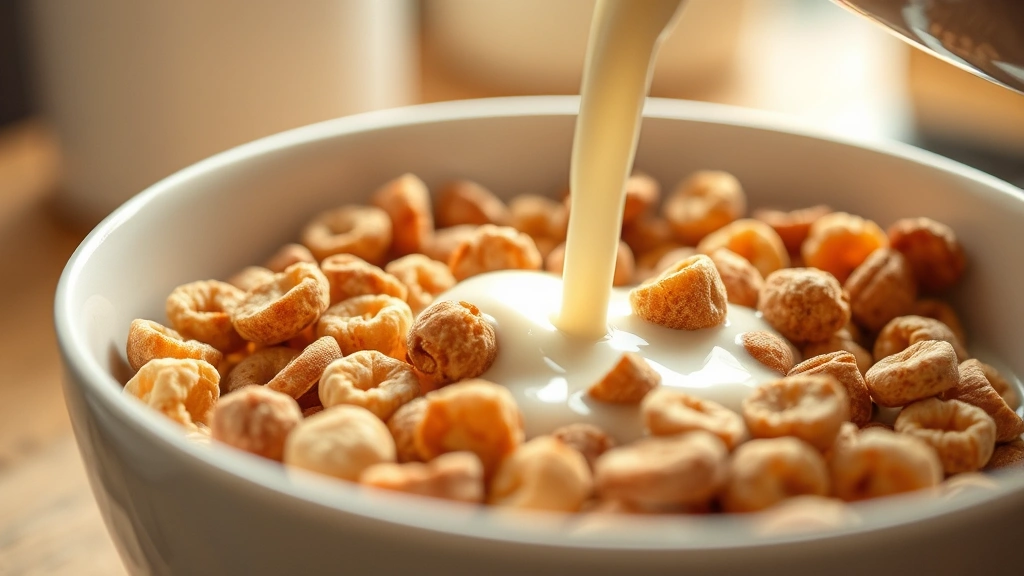
Cinnamon Toast Crunch: A Dietitian’s Complete Nutritional Breakdown
Cinnamon Toast Crunch has been a beloved breakfast staple since 1984, captivating generations with its distinctive cinnamon-sugar coating and sweet vanilla flavor. But what does a bowl of this iconic cereal actually contribute to your daily nutritional intake? As a dietitian, I’m frequently asked about the nutritional profile of popular breakfast cereals, and Cinnamon Toast Crunch deserves a thorough, honest examination. This analysis goes beyond the nutrition label to explore what these numbers mean for your health and how this cereal fits into different dietary approaches.
Understanding the cinnamon toast crunch nutrition facts requires looking at portion sizes, ingredient quality, and the broader context of your overall diet. While this cereal shouldn’t be your primary breakfast choice if you’re focused on optimal health, understanding its composition helps you make informed decisions about when and how to enjoy it. Whether you’re a parent deciding what to serve your children, someone managing blood sugar levels, or simply curious about what you’re eating, this comprehensive breakdown provides the insights you need.
Caloric Content and Macronutrient Breakdown
A standard serving of Cinnamon Toast Crunch consists of approximately 3/4 cup (30 grams) of cereal, providing about 130 calories. This relatively modest caloric contribution makes it appealing for those watching their calorie intake, but the composition of those calories tells a more important story. The macronutrient distribution reveals the cereal’s primary purpose: delivering quick energy through carbohydrates.
Each serving contains approximately 24 grams of carbohydrates, with the vast majority coming from refined grains and added sugars rather than complex carbohydrates. The protein content sits at around 1.5 grams per serving, which is exceptionally low and represents a significant nutritional limitation. When you compare this to other foods in your diet, the protein-to-calorie ratio becomes concerning for satiety and muscle maintenance.
Fat content is minimal, typically around 1.5 grams per serving, with most of this coming from the cinnamon-sugar coating and minimal oil used in processing. While low fat might seem beneficial, the absence of healthy fats means the cereal provides no support for vitamin absorption or sustained energy release. This rapid carbohydrate absorption without protein or fat creates a situation where hunger returns quickly after consumption.
Sugar Content: The Primary Concern
The most significant nutritional concern with Cinnamon Toast Crunch is its sugar content. Each 30-gram serving contains approximately 12 grams of added sugar, which represents nearly 25% of the recommended daily sugar intake for adults according to American Heart Association guidelines. For children, this single serving represents an even larger percentage of their recommended daily limit.
This sugar level is particularly problematic when consumed as part of breakfast because it triggers rapid blood glucose spikes. Without adequate protein or fiber to moderate glucose absorption, your pancreas responds with insulin surges that can lead to energy crashes within hours. This metabolic roller coaster often results in increased hunger and cravings by mid-morning, potentially leading to additional calorie consumption throughout the day.
The sugar in Cinnamon Toast Crunch comes from multiple sources: enriched wheat flour (which raises blood glucose similarly to sugar), actual added sugars, and corn syrup solids. This combination of refined carbohydrates and simple sugars creates a particularly high glycemic load. Research from The Academy of Nutrition and Dietetics demonstrates that high-glycemic breakfasts correlate with increased snacking and reduced cognitive performance in both children and adults throughout the morning.
Parents should be particularly aware that children consuming sugary cereals show measurable increases in hyperactivity and difficulty concentrating in school settings. The American Academy of Pediatrics recommends limiting added sugars for children, making Cinnamon Toast Crunch a less-than-ideal choice for regular consumption in households with young children.

Fiber and Digestive Health
Dietary fiber represents another critical nutritional gap in Cinnamon Toast Crunch. Each serving provides only 1.5 grams of fiber, falling dramatically short of the recommended daily intake of 25-35 grams for adults. This minimal fiber content stems from the use of refined wheat flour rather than whole grains, where most of the fiber-rich bran layer has been removed during processing.
Adequate fiber intake is essential for digestive health, blood sugar regulation, and cardiovascular function. When you understand the importance of dietary fiber for your health, it becomes clear that cereals providing less than 2 grams of fiber per serving are nutritionally incomplete as breakfast options. The low fiber content means the cereal contributes negligibly to your daily fiber goals.
The combination of high sugar and low fiber creates digestive stress. Your gut microbiome requires substantial fiber to maintain healthy bacterial populations, and the refined carbohydrates in Cinnamon Toast Crunch actually feed harmful bacteria while starving beneficial species. This dysbiosis can lead to increased inflammation, compromised immune function, and even mood disturbances, as documented in recent research on the gut-brain axis.
For individuals managing digestive conditions, diabetes, or metabolic syndrome, the fiber deficiency in this cereal makes it an inappropriate choice. Even occasional consumption should be balanced with high-fiber foods elsewhere in the meal or throughout the day.
Vitamins and Minerals Profile
Cinnamon Toast Crunch is fortified with several essential vitamins and minerals, which represents one of its few nutritional advantages. The cereal provides 10% of the daily value for iron, 10% for zinc, and various B vitamins including thiamine, riboflavin, niacin, and B12. These micronutrients are added during processing to compensate for what’s lost when whole grains are refined.
However, fortification creates a false sense of nutritional adequacy. While the cereal contains these micronutrients in measurable quantities, they’re added in synthetic forms that your body may not absorb as efficiently as naturally occurring versions. Additionally, the presence of these vitamins doesn’t address the fundamental problems of excessive sugar and insufficient fiber.
The mineral profile is notably weak in calcium, providing only about 4% of daily needs per serving. For children consuming this cereal with milk, the calcium contribution improves, but the milk’s calcium doesn’t offset the cereal’s nutritional deficiencies. Similarly, magnesium and potassium levels are minimal, meaning this cereal doesn’t support cardiovascular or bone health effectively.
Interestingly, cinnamon itself—the flavoring ingredient—contains beneficial compounds including polyphenols with antioxidant and anti-inflammatory properties. However, the amount of actual cinnamon in the cereal is minimal, and its potential benefits are overwhelmed by the high sugar content and nutrient-poor grain base.
Ingredient Analysis and Quality
Reading the ingredient list reveals much about Cinnamon Toast Crunch’s nutritional quality. The first ingredient is enriched wheat flour, indicating that refined grains form the cereal’s foundation. Enriched means that synthetic vitamins and minerals have been added back after processing stripped away the naturally occurring nutrients from whole grains.
The ingredient list includes multiple forms of sugar: sugar itself, corn syrup solids, and dextrose. This redundancy suggests that manufacturers are carefully managing the cereal’s sweetness profile, using different sugar types to achieve the specific taste and texture consumers expect. The presence of three distinct sweetening agents is a red flag for excessive sugar engineering.
Vegetable oil provides minimal nutrition and contributes unnecessary calories from a less-healthy fat source. The cereal also contains artificial flavors and colors, including Yellow 6, Red 40, and Blue 1, which some consumers prefer to avoid due to potential sensitivities or philosophical preferences regarding artificial additives.
The ingredient list doesn’t include whole grains, nuts, seeds, or any whole food components that would improve the nutritional profile. This is a processed food in the truest sense—engineered for shelf stability and taste appeal rather than nutritional density. When developing a healthy nutrition plan, foods with such simplified, processed ingredient lists should play minimal roles.
How It Compares to Other Cereals
To contextualize Cinnamon Toast Crunch’s nutritional profile, comparing it to other breakfast cereals reveals its position in the market. Among popular children’s cereals, it ranks in the higher-sugar category, though not the absolute highest. Some cereals contain 15+ grams of sugar per serving, making Cinnamon Toast Crunch slightly better in that regard, but this comparison represents “least bad” rather than “good.”
Compared to healthier cereal options like plain oatmeal (which provides 5 grams of fiber and minimal added sugar), or whole grain cereals (offering 3-5 grams of fiber and less than 6 grams of sugar), Cinnamon Toast Crunch falls significantly short. The difference in satiety, blood sugar stability, and nutritional contribution is substantial when measured across a week of breakfast choices.
Even moderately healthier sweetened cereals like Honey Nut Cheerios provide similar or better fiber content with comparable sugar levels, demonstrating that the market offers alternatives that maintain taste appeal while improving nutritional value. The choice to purchase Cinnamon Toast Crunch is a choice to prioritize taste and nostalgia over nutritional optimization.
Practical Serving Strategies
If you or your family enjoy Cinnamon Toast Crunch, complete elimination isn’t necessary, but strategic consumption matters. The key is understanding portion control and complementary foods that address the cereal’s nutritional gaps.
Reduce the cereal portion: Instead of filling a bowl with cereal and milk, consider using half the typical portion and supplementing with high-fiber alternatives. Mix Cinnamon Toast Crunch with plain oatmeal or a whole grain cereal to dilute the sugar concentration while maintaining the taste experience.
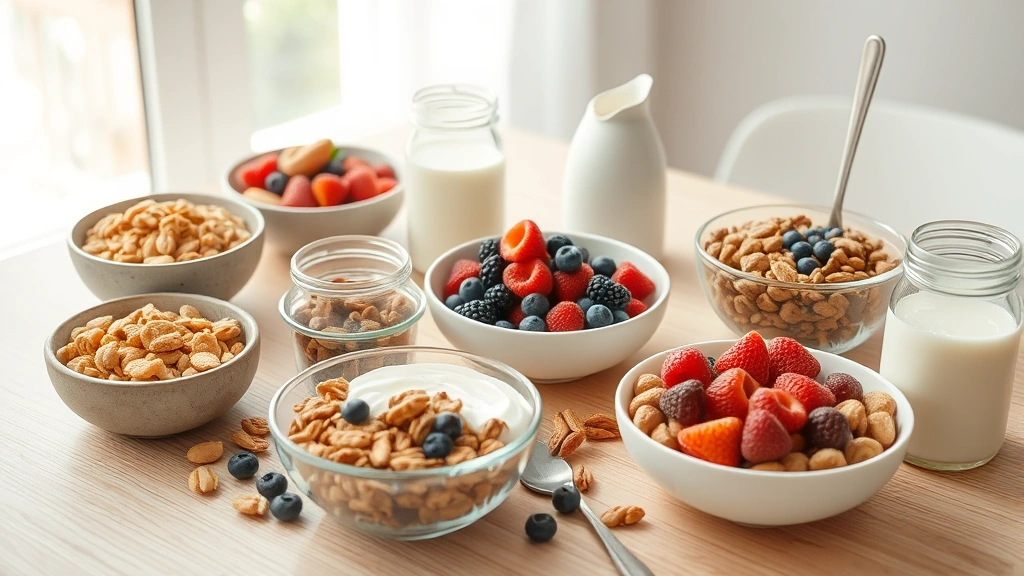
Add protein: Pair the cereal with Greek yogurt instead of milk, or add nuts and seeds that provide protein, healthy fats, and fiber. A handful of almonds or walnuts transforms the meal from a high-sugar, low-satiety option to something more balanced. Hard-boiled eggs on the side also work well.
Include fresh fruit: Rather than relying on the cereal’s minimal nutrients, add fresh berries or sliced banana. The fiber from whole fruit, combined with the cereal’s carbohydrates, creates a more stable glucose response.
Limit frequency: Reserve Cinnamon Toast Crunch for occasional enjoyment rather than daily consumption. When incorporated as an occasional treat rather than a dietary staple, its nutritional limitations matter less. Perhaps establish a weekend-only rule or use it as an occasional indulgence.
Consider timing: If consuming this cereal, do so after exercise or physical activity when your muscles are primed to absorb glucose efficiently. Avoid eating it alone without other foods, as this maximizes blood sugar spikes.
Following the tips for meal planning approach, you can incorporate occasional treats while maintaining overall nutritional goals. The key is intentionality—choosing to eat Cinnamon Toast Crunch consciously rather than by default.
FAQ
Is Cinnamon Toast Crunch suitable for children?
While not toxic, Cinnamon Toast Crunch isn’t ideal for children’s regular consumption due to its high sugar content and low nutritional value. Children’s developing brains benefit from stable blood sugar, which this cereal doesn’t support. Occasional consumption is acceptable, but daily use contributes to excessive sugar intake and may affect behavior and concentration.
Can people with diabetes eat Cinnamon Toast Crunch?
Individuals managing diabetes should avoid this cereal entirely or consume it only under specific circumstances with medical guidance. The high sugar content and low fiber mean rapid blood glucose elevation, requiring significant insulin response. The glycemic load makes it incompatible with most diabetes management plans.
Does the milk in the bowl add nutritional value?
Yes, milk adds protein, calcium, and micronutrients that improve the overall meal’s nutritional profile. However, milk doesn’t address the cereal’s excessive sugar or low fiber. Using Greek yogurt instead of milk provides additional protein and probiotics, creating a more balanced breakfast.
How does Cinnamon Toast Crunch compare to oatmeal?
Plain oatmeal provides approximately 5 grams of fiber compared to Cinnamon Toast Crunch’s 1.5 grams, and contains minimal added sugar. Oatmeal creates sustained satiety and stable blood glucose, making it nutritionally superior for most dietary goals. Adding cinnamon and a small amount of honey to oatmeal provides similar taste appeal with vastly better nutrition.
Is the cinnamon in the cereal beneficial?
Cinnamon contains beneficial compounds, but the amount in Cinnamon Toast Crunch is minimal and largely flavor-derived rather than health-derived. The potential benefits are negligible compared to the negative impact of the cereal’s sugar content. Sprinkling actual cinnamon on healthier foods provides more cinnamon’s benefits.
Can this cereal be part of a healthy diet?
Yes, but only as an occasional indulgence, not a dietary staple. If consumed, it should be in reduced portions, combined with protein and fiber sources, and balanced with nutrient-dense foods throughout the day. Think of it as a treat rather than a breakfast foundation.
What’s the best alternative cereal?
Look for cereals with at least 3 grams of fiber per serving, less than 6 grams of added sugar, and whole grains as the first ingredient. Options like plain Cheerios, Grape-Nuts, or high-fiber bran cereals offer better nutritional profiles while still providing satisfying breakfast options. Understanding nutrition and mental health principles shows how breakfast quality affects cognitive performance throughout the day.
Should parents buy this cereal for their children?
Parents seeking optimal nutrition for their children should choose alternatives. However, occasional consumption in reasonable portions won’t cause harm. The concern arises with regular consumption, which contributes to childhood obesity, type 2 diabetes, and dental problems. Teaching children to enjoy treats occasionally while prioritizing nutritious foods creates healthy lifetime eating patterns.


