Cold Stone Creamery Calories & Nutrition: What Dietitians Want You to Know
Cold Stone Creamery has become a beloved destination for frozen dessert enthusiasts, but the caloric and nutritional reality behind those Instagram-worthy creations often surprises health-conscious consumers. Whether you’re indulging in a signature mix-in creation or a classic scoop, understanding the nutritional impact of Cold Stone products—particularly their creamers and mix-in options—is essential for making informed dietary choices. This comprehensive analysis breaks down the calorie content, sugar profiles, and ingredient transparency that dietitians emphasize when evaluating frozen dessert chains.
The frozen dessert industry has experienced significant growth over the past decade, with premium ice cream shops like Cold Stone Creamery expanding their menus to include healthier alternatives. However, the standard offerings remain calorie-dense, often containing more sugar in a single serving than recommended daily intake guidelines. As a registered dietitian nutritionist, I’ve analyzed Cold Stone’s nutritional data extensively, and the findings reveal important patterns about portion sizes, ingredient quality, and how marketing influences consumer perception of “indulgence” versus actual nutritional value.
Understanding Cold Stone Creamery’s Caloric Landscape
Cold Stone Creamery’s menu structure centers around customization, which fundamentally changes how we approach nutritional analysis. Unlike traditional ice cream shops with fixed portion sizes, Cold Stone offers three primary size categories: Like It (5 oz), Love It (8 oz), and Gotta Have It (10 oz). A “Like It” sized scoop of Cold Stone’s sweet cream ice cream contains approximately 280 calories, while the same flavor in a “Gotta Have It” portion escalates to around 700 calories—more than one-third of a typical 2,000-calorie daily diet in a single dessert.
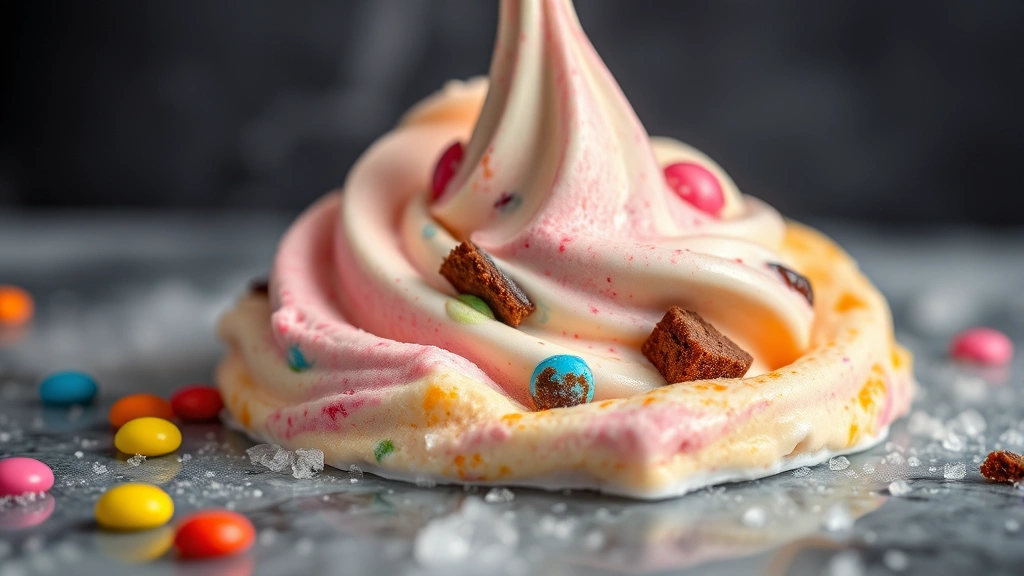
The base ice cream itself represents only the beginning of caloric accumulation. Cold Stone’s signature appeal lies in their “rolled” preparation method, where ice cream is mixed with add-ins directly on a frozen stone surface. This theatrical presentation masks a nutritional reality: every mix-in addition substantially increases the final caloric content. Understanding this foundational caloric structure is crucial for anyone attempting to incorporate Cold Stone treats into a healthy nutrition plan.
Research from the Pew Research Center indicates that consumers often underestimate caloric content in restaurant desserts by 20-40%, with premium ice cream shops experiencing even higher misestimation rates. This perception gap stems partly from the small-appearing portion size and partly from marketing language that emphasizes “premium” and “indulgent” rather than nutritional facts.

Creamery Mix-Ins: Hidden Calories Explained
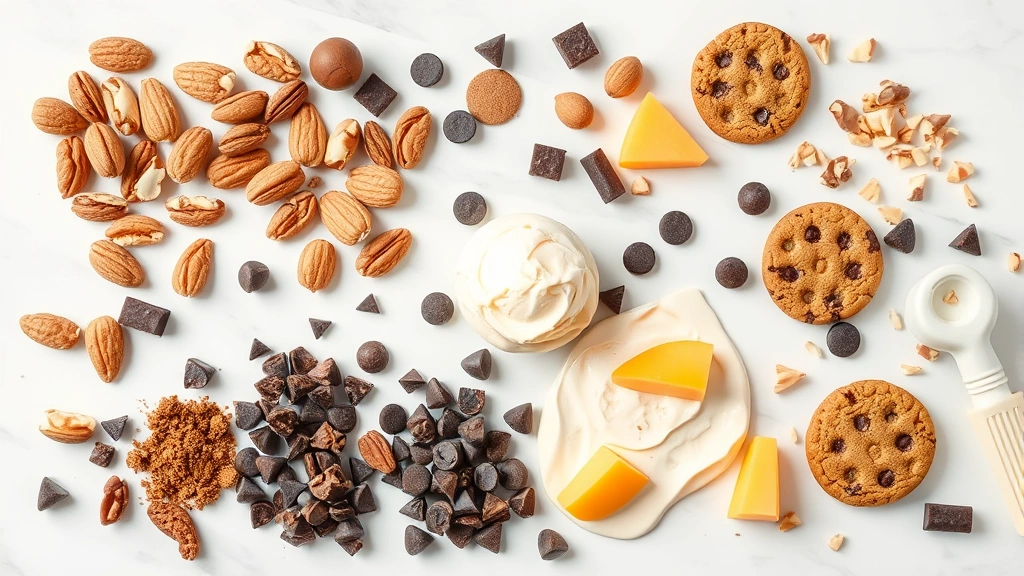
The true caloric explosion at Cold Stone occurs when customers select mix-ins. Popular additions like brownie bites, candy pieces, cookie dough, and chocolate chips each contribute 100-200 additional calories per serving. A “Gotta Have It” sized creation with multiple mix-ins can easily exceed 1,200 calories—approaching or exceeding total daily caloric needs for many individuals.
Dietitians particularly scrutinize mix-in selections because they typically contain added sugars, trans fats, or refined carbohydrates without meaningful nutritional compensation. For instance, brownie mix-ins contain approximately 150 calories and 15 grams of sugar per serving, while providing minimal fiber or micronutrients. When combined with the base ice cream’s inherent sugar content, these mix-ins create a nutritional profile dominated by simple carbohydrates and fat.
The psychological impact of mix-in selection deserves consideration. Cold Stone’s marketing emphasizes customization freedom, encouraging consumers to view mix-in additions as personal expression rather than dietary decisions. This framing can lead to what behavioral economists term “choice overload,” where the abundance of options paradoxically increases overall caloric intake compared to fixed-menu alternatives. Research from American Psychological Association studies on food choice architecture demonstrates this phenomenon consistently across restaurant settings.
Comparing mix-in options reveals significant nutritional variation. Fruit-based mix-ins like gummy bears or fruit pieces contain roughly 80-120 calories with higher sugar concentration, while nut-based options like almonds or walnuts provide 120-150 calories but with superior fat profiles including heart-healthy unsaturated fats. This distinction matters when constructing a nutrition facts-based approach to indulgent treats.
Sugar Content and Metabolic Impact
Sugar represents the most concerning macronutrient in Cold Stone’s offerings. A single “Like It” sized serving of sweet cream ice cream contains 28 grams of sugar—exceeding the American Heart Association’s recommended daily sugar limit (25 grams for women, 36 grams for men) in one dessert. Larger sizes and mix-in additions push sugar content to 50-70 grams, representing nearly two days’ worth of recommended sugar intake.
The metabolic consequences of this sugar density warrant serious consideration. When consumed rapidly without accompanying fiber or protein, ice cream’s high sugar content triggers rapid blood glucose spikes, stimulating insulin release and potentially contributing to insulin resistance over time. Additionally, the liquid nature of melting ice cream accelerates gastric emptying and sugar absorption compared to solid foods with equivalent sugar content.
Cold Stone’s positioning as a premium product obscures the fact that their ice cream contains similar sugar concentrations to mass-market alternatives. Both contain approximately 20-30% sugar by weight, despite significant price differentials. This pricing structure reflects branding and presentation rather than superior nutritional composition. Understanding this distinction helps consumers evaluate whether premium pricing aligns with their dietary priorities.
The glycemic impact extends beyond immediate blood sugar effects. Regular consumption of high-sugar ice cream products correlates with increased risk for type 2 diabetes, cardiovascular disease, and dental health complications. Dietitians emphasize that occasional indulgence presents minimal risk, but the frequency of consumption matters significantly for long-term health outcomes.
Protein and Macronutrient Breakdown
Protein content represents a critical gap in Cold Stone’s nutritional profile. A standard scoop contains only 4-5 grams of protein, providing minimal satiety and failing to support muscle maintenance or recovery. This protein deficiency means that Cold Stone treats fail to create sustained fullness, often leading to additional food consumption shortly after dessert.
The macronutrient distribution in Cold Stone products skews heavily toward carbohydrates and fat, with carbohydrates comprising 40-50% of calories and fat comprising 45-55%. This distribution lacks the balance that nutritional science suggests for sustained energy and satiety. A more balanced dessert option would incorporate higher protein percentages, potentially through Greek yogurt bases or protein-fortified alternatives.
Fat quality deserves examination as well. Cold Stone uses premium dairy sources, contributing primarily saturated fat (approximately 8-12 grams per serving) rather than the polyunsaturated fats found in nuts or seeds. While dietary saturated fat restrictions have evolved in recent nutritional research, dietitians still recommend limiting saturated fat to 10% of total daily calories, and a single Cold Stone serving can approach this threshold for many individuals.
The absence of meaningful micronutrients (vitamins, minerals, antioxidants) further limits Cold Stone’s nutritional value. Premium ice cream derives its value primarily from taste experience and indulgence perception rather than from nutritional density. This reality informs how dietitians recommend incorporating Cold Stone into overall dietary patterns—as occasional treats rather than regular components of a diet prioritizing fiber and nutrient density.
Healthier Choices at Cold Stone
Despite the nutritional challenges outlined above, Cold Stone does offer relatively superior options for health-conscious consumers. Their “Sorbet” selections provide approximately 140-160 calories per “Like It” serving with negligible fat content. While sorbet still contains concentrated sugar (25-30 grams per serving), it eliminates the saturated fat component and provides a lighter alternative for occasional indulgence.
Cold Stone’s frozen yogurt options present an intermediate choice between traditional ice cream and sorbet. Frozen yogurt typically contains 150-200 calories per “Like It” serving with improved protein content (6-8 grams) compared to ice cream. The probiotic cultures in yogurt may offer modest digestive benefits, though most frozen yogurt undergoes pasteurization that eliminates live cultures. Selecting frozen yogurt with minimal mix-in additions keeps total caloric intake manageable.
For those committed to indulging at Cold Stone, strategic ordering minimizes nutritional damage. Selecting a “Like It” size instead of larger options cuts calories by 50-60%. Choosing single-ingredient mix-ins (almonds, fruit pieces) rather than multi-item combinations prevents excessive caloric accumulation. Requesting lighter ice cream options like vanilla or fruit flavors over dense chocolate varieties reduces both calories and sugar concentration.
Sharing a larger size with friends or family represents another effective strategy. A “Gotta Have It” shared among three people provides reasonable portion sizes while maintaining social satisfaction. This approach acknowledges that Cold Stone’s value proposition centers on experience and social connection rather than nutritional contribution, and optimizing for portion control aligns with this reality.
Comparing Cold Stone to Industry Standards
Situating Cold Stone within the broader ice cream industry reveals important context. Haagen-Dazs, Ben & Jerry’s, and other premium brands maintain similar caloric densities to Cold Stone, typically ranging from 250-350 calories per standard scoop. Mass-market brands like Breyer’s or Vanilla Bean offer slightly lower caloric content (200-280 calories per scoop) but with inferior ingredient profiles and less satisfying taste experiences.
Cold Stone’s primary distinction involves customization and preparation theater rather than nutritional superiority. The “rolled on stone” preparation method has minimal impact on final nutritional composition, primarily affecting texture and perceived value. Understanding this distinction prevents consumers from attributing special health properties to Cold Stone’s preparation method.
Soft-serve ice cream chains like McDonald’s or Sonic offer lower-calorie options (150-200 calories per serving) but typically feature less appealing ingredient lists and diminished taste satisfaction. Research in food psychology suggests that highly satisfying, indulgent experiences consumed occasionally may provide greater overall well-being than frequent consumption of mediocre alternatives. From this perspective, occasional Cold Stone visits may represent a superior choice to frequent visits to lower-calorie chains.
Emerging alternatives like gelato, liquid nitrogen ice cream, and protein-enhanced frozen desserts present evolving industry options. These alternatives sometimes offer improved macronutrient profiles or reduced sugar concentrations, though premium pricing often exceeds Cold Stone’s already-high price points. Dietitians increasingly recommend exploring these emerging options as technology enables better nutritional profiles in premium frozen desserts.
Reading Labels and Making Smart Decisions
Cold Stone provides detailed nutritional information for all menu items, though accessing this information requires intentional effort. Their website and in-store materials display caloric content, but mix-in additions require manual calculation. Developing comfort with basic nutritional math—adding individual component calories—empowers consumers to make informed decisions aligned with personal health goals.
Understanding serving size context proves crucial for accurate assessment. Cold Stone’s “Like It” size (5 oz) represents a reasonable single serving, while “Love It” and “Gotta Have It” sizes exceed standard serving recommendations. Recognizing that a “Gotta Have It” actually contains approximately two standard servings helps contextualize the 700+ caloric content.
Comparing Cold Stone to other daily food choices provides meaningful perspective. A 500-calorie Cold Stone treat represents approximately 25% of a 2,000-calorie daily diet. If this dessert replaces a 500-calorie meal rather than adding to total daily intake, the nutritional impact shifts significantly. Dietitians emphasize that absolute caloric content matters less than how consumption fits within overall dietary patterns.
Consulting with registered dietitian nutritionists offers personalized guidance for those with specific health goals or dietary restrictions. Individuals managing diabetes, cardiovascular disease, or obesity may benefit from professional guidance regarding appropriate frequency and portion sizes for Cold Stone indulgence. The Academy of Nutrition and Dietetics provides directories for locating qualified professionals.
Digital tracking apps enable real-time nutritional monitoring, allowing consumers to visualize how Cold Stone consumption affects daily macronutrient and micronutrient goals. Many individuals find that visual feedback regarding sugar or calorie accumulation naturally encourages more moderate consumption without requiring willpower-dependent restriction.
FAQ
How many calories are in a Cold Stone “Love It” with two mix-ins?
A “Love It” sized sweet cream ice cream contains approximately 500 calories, with each mix-in adding 100-200 calories depending on selection. Two mix-ins typically add 200-350 calories, resulting in total consumption of 700-850 calories. Selecting lower-calorie mix-ins like fruit pieces or nuts (versus brownies or cookie dough) can reduce this total by 50-100 calories.
Is Cold Stone ice cream worse than regular grocery store brands?
Cold Stone’s nutritional profile closely resembles other premium ice cream brands, with similar calorie and sugar concentrations. The primary difference involves ingredient quality and taste satisfaction rather than nutritional composition. From a pure caloric standpoint, Cold Stone offers no advantage or disadvantage compared to Haagen-Dazs or Ben & Jerry’s, though mass-market brands contain slightly fewer calories per serving.
Can I enjoy Cold Stone while maintaining a healthy diet?
Yes, occasional Cold Stone consumption fits within healthy eating patterns for most individuals. Limiting frequency to once or twice monthly, selecting smaller sizes, and minimizing mix-in additions keep nutritional impact manageable. Those with specific health conditions (diabetes, cardiovascular disease) should consult healthcare providers regarding appropriate frequency.
What’s the best Cold Stone option for calorie-conscious consumers?
Sorbet “Like It” sized portions offer the lowest-calorie option at approximately 140-160 calories. Frozen yogurt “Like It” with minimal mix-ins provides a protein-enhanced alternative at 200-250 calories. Ice cream “Like It” without mix-ins delivers approximately 280 calories with superior taste satisfaction for occasional indulgence.
How does Cold Stone compare nutritionally to frozen yogurt shops?
Self-serve frozen yogurt shops enable portion control that Cold Stone doesn’t provide, potentially resulting in lower average consumption. However, frozen yogurt’s perceived health halo often encourages excessive mix-in additions that exceed Cold Stone’s typical caloric impact. Both options require intentional portion management for nutritional alignment.
Does the “rolled on stone” preparation method affect nutritional content?
No, the preparation method has minimal impact on final nutritional composition. The theatrical rolling process primarily affects texture and perceived value rather than calories, sugar content, or macronutrient distribution. Marketing emphasizing this preparation method shouldn’t influence nutritional assessment.
What about Cold Stone’s “Sinless” or lighter options?
Cold Stone’s lighter offerings vary by location and menu updates. When available, these options typically reduce calories by 20-30% compared to standard ice cream through ingredient substitution or reduced portion sizes. Checking with your local Cold Stone regarding current lighter options ensures access to the most nutritious available alternatives.