
Corn Tortilla Nutrition Facts: Dietitian Insights
Corn tortillas have been a staple of Mexican cuisine for over 9,000 years, and they continue to be a nutritional cornerstone in many diets today. Unlike their flour counterparts, corn tortillas offer a unique nutritional profile that makes them an excellent choice for those seeking whole grain benefits, gluten-free options, and traditional food wisdom. As a dietitian resource, understanding the complete nutritional breakdown of corn tortillas helps consumers make informed dietary choices and incorporate them effectively into balanced meal planning.
Whether you’re exploring healthy nutrition plans or simply curious about common food staples, corn tortillas deserve recognition for their nutrient density and versatility. This comprehensive guide examines the nutritional science behind corn tortillas, their health benefits, and how they fit into modern dietary approaches.
Complete Nutritional Breakdown Per Tortilla
A single medium corn tortilla (approximately 28 grams) contains roughly 52 calories, making it an energy-efficient carbohydrate source. The standard nutritional profile includes:
- Calories: 48-56 per medium tortilla
- Carbohydrates: 10-11 grams
- Protein: 1.5-2 grams
- Fat: 0.5-1 gram
- Fiber: 1.5-2 grams
- Sodium: 40-50 mg
These values can vary slightly depending on the brand, corn variety, and preparation method. Traditional stone-ground corn tortillas may have slightly different nutrient profiles compared to mass-produced versions. Understanding these baseline numbers is essential for effective meal planning and portion control, especially for those tracking macronutrients or managing specific health conditions.
The caloric density of corn tortillas makes them particularly suitable for weight management diets. With fewer than 60 calories per tortilla, they allow for flexible meal construction without excessive energy intake. This makes them ideal for creating nutrient-dense meals that support satiety without caloric excess.
Macronutrient Profile and Energy Content
Corn tortillas are primarily composed of carbohydrates, which constitute approximately 80% of their caloric content. These carbohydrates come from corn starch and represent a relatively low glycemic index food when consumed in appropriate portions. The carbohydrate quality in corn tortillas differs from refined grain products due to the traditional nixtamalization process—a chemical treatment with calcium hydroxide that improves nutrient bioavailability and protein quality.
The protein content, though modest at 1.5-2 grams per tortilla, becomes more significant when considering the amino acid profile. Corn protein is naturally low in lysine, an essential amino acid, but the nixtamalization process increases amino acid availability. When corn tortillas are combined with legumes—a traditional Mexican food pairing—the complementary amino acid profiles create a complete protein source. This traditional wisdom aligns with modern nutritional science and supports the practice of combining corn with beans for optimal protein utilization.
Fat content in corn tortillas is minimal, typically less than 1 gram per tortilla. This low-fat profile makes them suitable for heart-healthy diets and those managing cholesterol levels. The small amount of fat present is primarily unsaturated, contributing to cardiovascular health rather than compromising it. For those following nutrition approaches for building muscle mass, corn tortillas serve as an excellent carbohydrate source to support training and recovery without excessive fat intake.
Essential Vitamins and Minerals
The micronutrient content of corn tortillas reflects both the nutritional profile of corn itself and the enhancements from traditional processing. One of the most significant nutritional advantages of corn tortillas is their bioavailable calcium content, a direct result of the nixtamalization process. This traditional method increases calcium availability from approximately 20 mg to 140-160 mg per tortilla—a remarkable enhancement that makes corn tortillas a legitimate calcium source.
Key micronutrients in corn tortillas include:
- Calcium: 140-160 mg (14-16% Daily Value)
- Iron: 0.3-0.5 mg (2-3% Daily Value)
- Magnesium: 25-30 mg (6-7% Daily Value)
- Phosphorus: 70-90 mg (7-9% Daily Value)
- Potassium: 40-50 mg (1% Daily Value)
- Folate: 15-20 mcg (4-5% Daily Value)
- Niacin (B3): 0.8-1.2 mg (5-6% Daily Value)
The presence of folate makes corn tortillas particularly valuable for pregnant women and those of childbearing age, as folate supports fetal neural development and overall cellular function. The niacin content, often enhanced through fortification in commercial products, supports energy metabolism and cardiovascular health. These micronutrient contributions demonstrate that corn tortillas are more than simple carbohydrate vehicles—they’re nutrient-dense foods worthy of regular dietary inclusion.
Research from Pew Research Center on food consumption patterns shows that populations with regular corn tortilla consumption often demonstrate better micronutrient status, particularly regarding calcium intake in communities with limited dairy consumption. This highlights the importance of traditional foods in meeting nutritional requirements across diverse populations.
Key Health Benefits for Dietary Goals
Corn tortillas offer multiple health benefits that extend beyond basic nutritional content. Their low glycemic index (approximately 46-52) makes them suitable for blood sugar management and diabetes prevention. The combination of fiber, resistant starch, and the nixtamalization process creates a carbohydrate source that doesn’t cause rapid blood glucose spikes, making them preferable to many refined grain alternatives.
The fiber content, though modest at 1.5-2 grams per tortilla, contributes to digestive health and satiety. When consumed as part of a complete meal with protein and healthy fats, corn tortillas support sustained energy levels and reduce subsequent hunger. This makes them valuable for weight management strategies and developing comprehensive healthy nutrition plans.
Corn tortillas contain polyphenols and carotenoids, plant compounds with antioxidant and anti-inflammatory properties. These bioactive compounds support cellular health and may reduce chronic disease risk. The yellow and blue corn varieties contain higher concentrations of certain carotenoids, offering additional phytonutrient diversity. Studies published in NCBI (National Center for Biotechnology Information) demonstrate that whole grain corn consumption correlates with improved inflammatory markers and cardiovascular outcomes.
The resistant starch in corn tortillas—particularly when cooled after cooking—acts similarly to fiber, promoting beneficial gut bacteria growth and improving metabolic health. This prebiotic effect supports long-term digestive health and may enhance nutrient absorption of various micronutrients through improved gut microbiota composition.
Gluten-Free and Digestive Advantages
For individuals with celiac disease or gluten sensitivity, corn tortillas represent a naturally gluten-free option that doesn’t require special processing or labeling. Unlike many gluten-free substitutes that rely on starches and gums, traditional corn tortillas contain only two ingredients: corn and salt (or lime for nixtamalization). This simplicity appeals to those seeking minimally processed foods and those with multiple food sensitivities.
The digestibility of corn tortillas is enhanced by the nixtamalization process, which breaks down corn proteins and makes amino acids more bioavailable. This traditional processing method predates modern food science by centuries yet demonstrates superior nutritional outcomes compared to unprocessed corn. The alkaline treatment softens the corn kernel’s outer layer, making it easier to grind and digest while simultaneously improving nutrient absorption.
For individuals with inflammatory bowel conditions or sensitive digestive systems, corn tortillas are generally well-tolerated and less likely to trigger symptoms compared to wheat products. The complete absence of gluten, combined with the improved digestibility from nixtamalization, makes corn tortillas suitable for various therapeutic diets. However, those with corn allergies or sensitivities must obviously avoid them and seek alternative grain sources.
Corn vs Flour Tortillas Comparison
Understanding the differences between corn and flour tortillas helps consumers make informed choices aligned with their dietary goals. Flour tortillas, typically made from wheat, contain approximately 140-150 calories per tortilla—nearly triple the caloric content of corn tortillas. This significant difference impacts weight management approaches and portion control strategies.
Nutritional comparison (medium tortilla):
| Nutrient | Corn | Flour |
|---|---|---|
| Calories | 52 | 140-150 |
| Protein (g) | 1.5 | 3.5-4 |
| Fiber (g) | 1.5-2 | 0.5-1 |
| Fat (g) | 0.5-1 | 3-5 |
| Calcium (mg) | 140-160 | 10-20 |
| Glycemic Index | 46-52 | 70-75 |
Flour tortillas contain more protein due to wheat’s higher protein content, but this comes at the cost of significantly more calories and fat—much of it saturated from added shortening or lard. Flour tortillas also have higher glycemic index values, causing faster blood sugar responses. For those managing diabetes or pursuing weight loss, corn tortillas represent the superior choice from a nutritional standpoint.
The calcium advantage of corn tortillas is striking—they contain 8-16 times more bioavailable calcium than flour tortillas. This reflects the impact of traditional nixtamalization processing on nutrient enhancement. From a nutritional science perspective, this demonstrates how traditional food preparation methods can create superior nutritional outcomes compared to modern processing.
How to Select Quality Corn Tortillas
Not all corn tortillas are created equal. Quality varies significantly based on ingredient sourcing, processing methods, and storage conditions. When selecting corn tortillas, examine the ingredient list first—ideal products contain only corn, water, and salt. Some manufacturers add lime (calcium hydroxide) explicitly, which is beneficial for the nixtamalization process and enhances calcium content.
Quality indicators include:
- Ingredient simplicity: Avoid products with added preservatives, dough conditioners, or artificial ingredients
- Stone-ground varieties: Often retain more nutrients and fiber compared to industrially processed versions
- Organic certification: Indicates non-GMO corn and no synthetic pesticide residues
- Texture consistency: Quality tortillas should be pliable without cracking and maintain structural integrity
- Aroma: Fresh corn tortillas have a pleasant corn smell; stale or off odors indicate age or improper storage
- Color variation: Natural color variation indicates traditional processing; uniform color may suggest added ingredients
Store corn tortillas in airtight containers or plastic bags in the refrigerator to maintain freshness and prevent mold growth. Properly stored tortillas maintain quality for 7-10 days. For longer storage, freezing is excellent—frozen tortillas maintain nutritional quality for 2-3 months. Allow frozen tortillas to thaw at room temperature before use to prevent brittleness.
Integrating Tortillas into Meal Planning
Corn tortillas shine in diverse meal applications, from traditional Mexican dishes to creative modern preparations. Their neutral flavor profile and structural integrity make them versatile vehicles for various nutritional combinations. When building meals with corn tortillas, consider complementary proteins to create complete amino acid profiles.
Optimal meal combinations include:
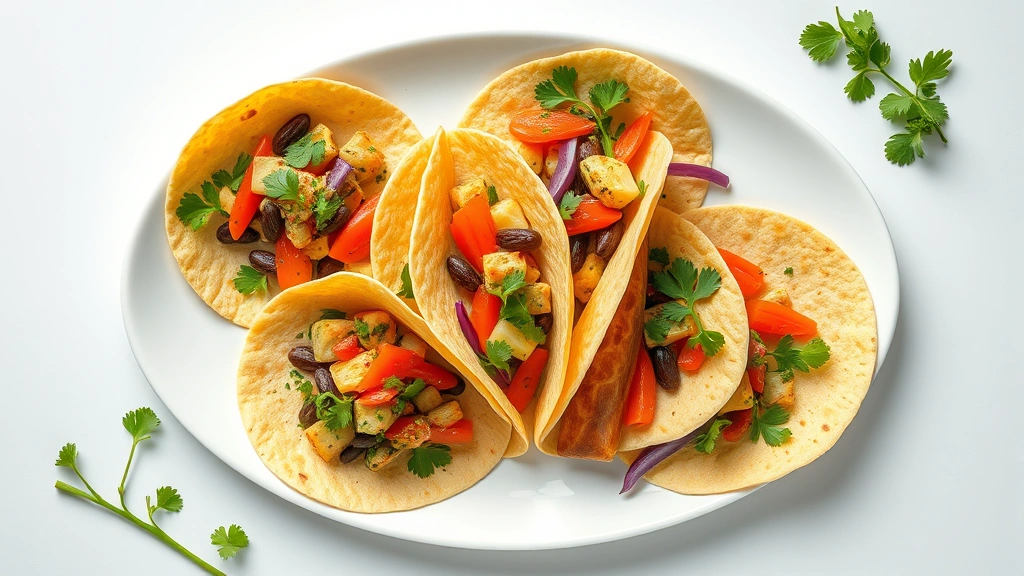
- Beans and corn: Classic pairing providing complete protein with all essential amino acids
- Fish or seafood: Supports omega-3 fatty acid intake and lean protein consumption
- Legume-based fillings: Chickpeas, black beans, or lentils create nutrient-dense meals
- Grilled vegetables: Adds fiber, micronutrients, and increases satiety
- Avocado or healthy fats: Enhances nutrient absorption and supports satiety (explore avocado nutrition details for comprehensive information)
For breakfast applications, corn tortillas support savory preparations with eggs, vegetables, and cheese. Their lower caloric density compared to flour tortillas allows for more generous portions or additional fillings without excessive energy intake. As components of comprehensive meal planning strategies, corn tortillas provide flexibility for various dietary approaches including weight management, athletic performance, and disease prevention.
Research from Harvard School of Public Health demonstrates that populations consuming traditional grain combinations—particularly corn with legumes—show improved metabolic markers and sustained weight management compared to those consuming refined grains. This validates the nutritional wisdom of traditional dietary patterns and supports the inclusion of corn tortillas in modern health-conscious meal planning.
Frequently Asked Questions
How many corn tortillas can I eat daily?
Most nutrition guidelines support 4-6 corn tortillas daily as part of a balanced diet, though individual needs vary based on total caloric requirements, activity level, and dietary goals. Those managing weight may benefit from 2-3 tortillas daily, while active individuals or those with higher caloric needs may comfortably consume more. Consulting with a registered dietitian provides personalized recommendations aligned with individual health objectives.
Are corn tortillas suitable for diabetics?
Yes, corn tortillas are generally suitable for diabetes management due to their low glycemic index (46-52) compared to flour tortillas and many bread products. Their fiber content also supports blood sugar stability. However, portion control remains important—consuming 1-2 tortillas per meal rather than larger quantities helps maintain stable glucose levels. Pairing tortillas with protein and healthy fats further moderates blood sugar response.
Do corn tortillas contain any allergens?
Traditional corn tortillas are naturally free of gluten, making them safe for those with celiac disease or gluten sensitivity. However, cross-contamination during manufacturing may occur if facilities process wheat products. Those with severe gluten sensitivity should verify that tortillas were produced in dedicated corn-only facilities. Corn allergies are rare but do exist, making medical consultation important for those with suspected corn sensitivity.
What’s the difference between yellow and blue corn tortillas?
Yellow and blue corn tortillas differ primarily in pigment compounds and subtle flavor variations. Blue corn contains higher concentrations of anthocyanins and other antioxidants, offering enhanced phytonutrient density. Both varieties undergo nixtamalization and provide similar calcium and mineral content. Nutritionally, blue corn offers slightly superior antioxidant profiles, while yellow corn is more widely available. Neither is nutritionally inferior—both represent excellent tortilla choices.
Can corn tortillas support weight loss?
Corn tortillas can support weight loss efforts due to their low caloric density (approximately 52 calories per tortilla) and fiber content, which promotes satiety. Their low glycemic index prevents blood sugar spikes and subsequent energy crashes that often trigger overeating. The key to weight loss success involves portion control, appropriate filling choices, and consistent energy deficit maintenance. Corn tortillas are preferable to flour tortillas for weight management due to their superior nutritional profile and lower caloric content.
How should I store corn tortillas to maintain freshness?
Store corn tortillas in airtight containers or sealed plastic bags in the refrigerator for optimal freshness—they maintain quality for 7-10 days under these conditions. For longer-term storage, freezing is excellent; frozen tortillas remain nutritionally intact for 2-3 months. Thaw frozen tortillas at room temperature before heating to prevent brittleness. Avoid storing tortillas in direct sunlight or warm environments, as heat accelerates mold growth and spoilage.
This article represents current nutritional science and dietary guidance. Individual nutritional needs vary based on health status, medications, and personal circumstances. Consult with qualified healthcare professionals or registered dietitians for personalized dietary recommendations aligned with specific health conditions or goals.


