Is Costco’s Chicken Bake Healthy? A Dietitian’s Complete Nutritional Analysis
Costco’s Chicken Bake has become an iconic food court staple for millions of shoppers, beloved for its convenience, affordability, and satisfying taste. But when you’re trying to maintain a healthy nutrition plan, the question inevitably arises: is this popular item actually good for you? From a dietitian’s perspective, the answer requires nuance. The Chicken Bake contains significant calories, sodium, and saturated fat—nutrients that warrant careful consideration depending on your individual health goals and dietary patterns.
This comprehensive guide breaks down the Costco Chicken Bake’s nutritional profile, examining what makes it problematic for some and potentially acceptable for others. We’ll explore the macronutrients, micronutrients, and ingredient quality while providing practical strategies to enjoy this convenience food within a balanced meal planning framework.
Nutritional Breakdown: The Numbers Behind the Bake
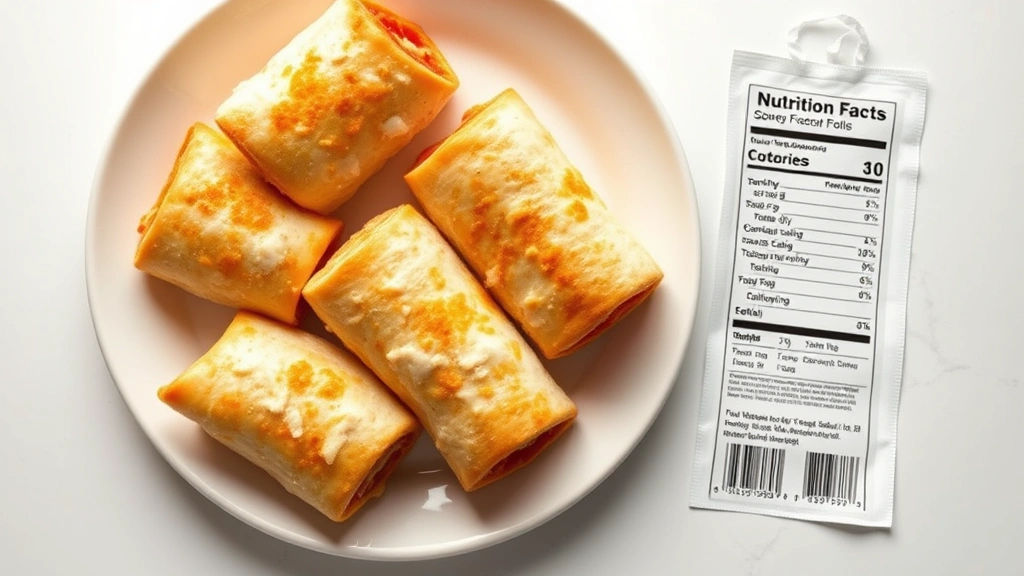
The Costco Chicken Bake is a substantial food court item consisting of rotisserie chicken, Caesar dressing, mozzarella cheese, and tomatoes, all baked inside a pizza-like crust. According to Costco’s official nutrition information, one Chicken Bake contains approximately 770 calories, making it a significant portion of a typical 2,000-calorie daily diet. This single item accounts for roughly 38% of daily caloric needs, which is substantial for a lunch choice.
Understanding the complete nutritional profile is essential for making informed decisions. The item delivers 44 grams of protein, 34 grams of fat (including 14 grams of saturated fat), 68 grams of carbohydrates, and 1,110 milligrams of sodium. For context, the American Heart Association recommends limiting daily sodium to 2,300 milligrams, meaning this one meal represents nearly 50% of that daily allowance. These numbers tell a story that goes beyond simple calories.
Registered dietitians emphasize that evaluating any food requires examining not just calories but the quality of those calories and how they fit into your overall eating pattern. The Chicken Bake presents a mixed nutritional picture that depends significantly on individual circumstances, health conditions, and daily dietary choices.
Caloric Content and Macronutrient Distribution
At 770 calories per serving, the Chicken Bake ranks as a moderately high-calorie meal option. For weight management, this matters considerably. If you’re consuming 2,000 calories daily, dedicating nearly 40% to a single meal leaves limited flexibility for other meals and snacks. However, for physically active individuals or those following nutrition for athletes protocols, this caloric density may be entirely appropriate.
The macronutrient breakdown reveals an interesting distribution. The 44 grams of protein is genuinely beneficial—this represents about 23% of the total calories, which aligns reasonably well with nutritional guidelines recommending 10-35% of calories from protein. The protein comes primarily from the rotisserie chicken, which is a complete protein containing all essential amino acids.
The 34 grams of fat deserves closer examination. While fat is essential for hormone production, nutrient absorption, and satiety, the quality and quantity matter. The Chicken Bake’s fat comes from multiple sources: chicken skin and meat, mozzarella cheese, and Caesar dressing. The presence of 14 grams of saturated fat is noteworthy, as this exceeds recommendations for a single meal for many individuals.
The 68 grams of carbohydrates come primarily from the baked crust, providing energy but limited fiber or nutritional density. This represents about 35% of total calories from carbohydrates, which falls within recommended ranges but lacks the complexity and nutrient profile that whole grains offer.
Sodium Levels: A Major Health Consideration
Perhaps the most concerning aspect of the Costco Chicken Bake is its sodium content. At 1,110 milligrams per serving, this single item delivers nearly half of the recommended daily sodium intake. This is particularly problematic for individuals managing hypertension, heart disease, or kidney issues, where sodium restriction is medically necessary.
Excessive sodium consumption is linked to elevated blood pressure, increased cardiovascular disease risk, and fluid retention. For the general population, the American Heart Association recommends no more than 2,300 milligrams daily, though 1,500 milligrams is considered optimal for heart health. The American Heart Association emphasizes that most Americans consume far too much sodium, primarily from processed and restaurant foods.
The high sodium content in the Chicken Bake stems from multiple sources: the rotisserie chicken preparation, the mozzarella cheese, the Caesar dressing, and the bread itself. If you consume a Chicken Bake for lunch, your remaining meals should contain minimal added sodium to stay within healthy ranges. This requires conscious planning and preparation of lower-sodium foods throughout the day.
For those with salt sensitivity or hypertension, the Chicken Bake may not be the best choice, or it should be consumed infrequently as part of a sodium-conscious overall dietary pattern. Individuals should consult with healthcare providers about appropriate sodium limits based on personal health status.

Protein Quality and Ingredient Analysis
The rotisserie chicken in the Chicken Bake provides high-quality protein that includes all nine essential amino acids. This complete protein profile is advantageous for muscle maintenance, immune function, and overall cellular health. The protein content of 44 grams is substantial and represents one of the meal’s strongest nutritional features.
However, the ingredient quality extends beyond just the chicken. The Caesar dressing, while contributing to flavor and palatability, adds fat and sodium without significant micronutrient contribution. The mozzarella cheese provides calcium and additional protein but also contributes saturated fat and sodium. The tomatoes offer some vitamins and antioxidants but represent a relatively small portion of the overall item.
From an ingredient perspective, the Chicken Bake contains recognizable whole foods rather than synthetic additives, which is preferable to ultra-processed alternatives. The chicken is rotisserie-prepared, which involves minimal processing. However, the dressing, cheese, and crust likely contain various additives including preservatives and emulsifiers, though Costco’s food court items are generally less processed than typical fast-food offerings.
The crust quality deserves attention. While it provides structure and contributes satisfying carbohydrates, the refined flour base lacks the fiber and micronutrients found in whole grain alternatives. This impacts both satiety and nutritional density, particularly regarding the importance of dietary fiber for your health.
Saturated Fat and Heart Health Implications
The 14 grams of saturated fat in a single Chicken Bake requires careful consideration, particularly for those concerned with cardiovascular health. The American Heart Association recommends limiting saturated fat to 5-6% of total daily calories, which translates to approximately 11-13 grams for a 2,000-calorie diet. One Chicken Bake nearly meets this entire daily recommendation.
Saturated fat raises LDL cholesterol levels, a key risk factor for heart disease and stroke. While dietary saturated fat has become a more nuanced topic in recent nutrition research, most health organizations still recommend limiting intake, particularly for individuals with elevated cholesterol or cardiovascular disease risk factors.
The saturated fat in the Chicken Bake comes from multiple sources: chicken skin (which provides flavor and moisture), mozzarella cheese (inherently high in saturated fat), and the dressing. If you choose to consume a Chicken Bake, subsequent meals should prioritize lean proteins, plant-based fats, and low-fat or non-fat dairy to balance daily saturated fat intake.
It’s worth noting that not all saturated fat is equally problematic. Recent research published in Proceedings of the National Academy of Sciences suggests that the relationship between saturated fat and heart disease is more complex than previously understood, with factors like overall dietary pattern, exercise, and individual genetics playing significant roles. However, this doesn’t negate the general recommendation to limit saturated fat, particularly for those with existing cardiovascular risk factors.
Micronutrients and Fiber Content
Beyond macronutrients, the Chicken Bake’s micronutrient profile is relatively limited. The item provides some calcium from the cheese, some iron and B vitamins from the chicken, and some vitamin C from the tomatoes. However, it lacks the micronutrient density of a meal incorporating more vegetables and whole grains.
The fiber content is particularly concerning. With only approximately 2-3 grams of fiber per serving, the Chicken Bake falls well short of the 25-38 grams recommended daily for adults. Adequate fiber intake supports digestive health, blood sugar regulation, cholesterol management, and satiety. The refined wheat crust contributes minimal fiber, whereas a whole grain alternative would significantly improve this metric.
The limited vegetable content—primarily represented by the tomato layer—means the Chicken Bake doesn’t meaningfully contribute to daily vegetable intake goals. Most nutritionists recommend consuming at least 5 servings of vegetables daily; this meal provides less than one serving. The absence of leafy greens, cruciferous vegetables, or other nutrient-dense vegetables represents a missed nutritional opportunity.
For optimal health, consuming the Chicken Bake should be accompanied by meals and snacks rich in vegetables, whole grains, and fiber-containing foods to balance the day’s nutritional profile. This might include a large salad, vegetable-based side dishes, and whole grain breads at other meals.
Comparison to Other Convenient Lunch Options
To properly evaluate the Chicken Bake’s healthfulness, it’s helpful to compare it to other convenient lunch options commonly available at food courts and quick-service restaurants. A typical fast-food cheeseburger contains similar calories (around 540-600) but with less protein and more refined carbohydrates. A large pizza slice contains comparable calories but offers less protein and more fat relative to nutritional benefit.
Compared to a Chipotle bowl with chicken, brown rice, beans, and vegetables, the Chicken Bake contains more calories and sodium but provides similar protein. The Chipotle option offers more fiber and micronutrients from vegetables and beans, making it potentially a more nutritionally balanced choice despite higher customization difficulty.
A Panera Bread chicken sandwich typically contains 500-600 calories with 30-35 grams of protein but also 1,000+ milligrams of sodium and significant saturated fat. The Chicken Bake is comparable in this context, though the baked preparation may involve slightly less added fat than sandwich preparations.
When compared to homemade options—a grilled chicken breast with whole grain bread, vegetables, and hummus—the Chicken Bake contains more calories, sodium, and saturated fat while providing less nutritional density and fiber. However, the comparison between convenience foods and home-prepared meals often overlooks the practical reality that not everyone has time or resources to prepare meals daily.
Making the Chicken Bake Work in Your Diet
If you enjoy the Costco Chicken Bake and want to include it in a healthy diet, several strategies can help. First, consider frequency. Consuming the Chicken Bake occasionally—perhaps once or twice monthly—poses minimal health risk for most individuals. Regular consumption (weekly or more) becomes problematic, particularly for those managing hypertension or cardiovascular disease.
Second, balance your remaining meals accordingly. If you consume a Chicken Bake for lunch, prioritize lower-sodium, lower-fat meals for breakfast and dinner. Include plenty of vegetables, whole grains, and lean proteins in other meals. Avoid additional high-sodium processed foods throughout the day. This strategic approach allows you to include foods you enjoy while maintaining overall nutritional goals.
Third, consider portion modification. While Costco doesn’t typically sell half-portions, sharing a Chicken Bake with a colleague or consuming half and saving the remainder for another day effectively reduces the caloric and nutrient load per meal. Pair half a Chicken Bake with a large salad to increase vegetable intake and fiber while maintaining satiety.
Fourth, hydration matters. The high sodium content increases thirst and can contribute to fluid retention. Drinking adequate water throughout the day helps mitigate these effects. Aim for at least 8-10 glasses of water daily, particularly on days when you consume high-sodium meals.
Fifth, incorporate physical activity. For individuals engaging in regular exercise, the Chicken Bake’s 770 calories and 44 grams of protein can be strategically timed around workouts to support recovery and muscle maintenance. Athletes and active individuals have different caloric and macronutrient needs than sedentary individuals, potentially making this meal more appropriate in their context.
Finally, maintain awareness of your individual health status. Those with hypertension, heart disease, kidney disease, or other conditions requiring sodium or fat restriction should limit or avoid the Chicken Bake, consulting with healthcare providers or registered dietitians for personalized guidance. Nutrition and mental health connections suggest that rigid food restriction can negatively impact psychological wellbeing, so finding a sustainable balance matters for long-term success.

FAQ
How many calories are in a Costco Chicken Bake?
A Costco Chicken Bake contains approximately 770 calories. This represents roughly 38% of a typical 2,000-calorie daily diet, making it a substantial meal requiring consideration within your overall dietary pattern.
Is the Chicken Bake high in sodium?
Yes, significantly. At 1,110 milligrams of sodium per serving, the Chicken Bake contains nearly 50% of the recommended daily sodium intake. This is a major consideration for individuals managing hypertension or heart disease and should inform dietary choices for the remainder of the day.
How much protein does the Chicken Bake provide?
The Chicken Bake provides 44 grams of protein, representing a substantial amount of complete protein containing all essential amino acids. This is one of the meal’s strongest nutritional features and supports muscle maintenance and overall cellular function.
Can I eat Chicken Bake while trying to lose weight?
Occasional consumption of the Chicken Bake can fit within a weight loss plan, particularly if you balance it with lower-calorie meals and maintain a caloric deficit overall. However, regular consumption makes weight loss more challenging due to the caloric density. Consider sharing or consuming half a Chicken Bake paired with a large salad for portion control.
Is the Chicken Bake healthier than other fast-food options?
The Chicken Bake is comparable to many fast-food options in terms of calories, sodium, and fat content. Its advantage lies in higher protein content and use of recognizable whole food ingredients. However, it’s not inherently healthier than well-chosen alternatives like grilled chicken with vegetables or carefully composed salads.
What’s the saturated fat content?
The Chicken Bake contains 14 grams of saturated fat, which nearly meets the recommended daily limit for many individuals. Those concerned with cardiovascular health should balance this with lower-saturated-fat meals throughout the day.
Does the Chicken Bake contain fiber?
The Chicken Bake contains minimal fiber, approximately 2-3 grams per serving. This falls well short of daily recommendations and represents a nutritional weakness of this item. Pairing it with high-fiber foods like vegetables or whole grains is advisable.
Are there ingredients I should be concerned about?
The Chicken Bake contains primarily recognizable whole foods, which is positive. However, the dressing and processed cheese likely contain additives including emulsifiers and preservatives. For those avoiding ultra-processed foods, this may be a consideration, though it’s generally less processed than typical fast-food offerings.
How often is it safe to eat the Chicken Bake?
For most healthy individuals, occasional consumption (once or twice monthly) poses minimal health risk. Regular weekly consumption becomes problematic, particularly regarding sodium and saturated fat accumulation. Those with specific health conditions should consult healthcare providers about appropriate frequency.
What can I pair with the Chicken Bake for a more balanced meal?
Pairing the Chicken Bake with a large salad containing leafy greens, vegetables, and vinaigrette dressing increases fiber and micronutrient intake while maintaining reasonable portion sizes. Adding water instead of sugary beverages and avoiding additional high-sodium items throughout the day helps balance the meal nutritionally.
Disclaimer: This article provides general nutritional information and should not replace personalized medical advice. Individuals with specific health conditions should consult registered dietitians or healthcare providers before making significant dietary changes.