Costco Pizza Nutrition: Dietitian’s Breakdown
Costco’s food court has become a cultural institution, and their pizza remains one of the most popular items—affordable, convenient, and widely accessible. However, understanding the Costco nutrition facts pizza is essential for anyone trying to make informed dietary choices. As a registered dietitian, I’ve analyzed the nutritional profile of Costco pizza extensively, and the results might surprise you. This comprehensive guide breaks down exactly what you’re consuming when you grab a slice (or a whole pie) from Costco’s iconic food court.
The appeal of Costco pizza is undeniable: a large, satisfying slice costs just $1.99, and the membership warehouse offers consistency across all locations. But convenience comes with nutritional considerations. Whether you’re a regular Costco shopper, someone watching their calorie intake, or simply curious about what makes up this beloved food court staple, this breakdown will provide actionable insights to help you enjoy Costco pizza as part of a balanced diet.
Costco Pizza Calorie Content Explained
A single slice of Costco’s cheese pizza contains approximately 680-710 calories, depending on how it’s cut and prepared. Since most Costco pizzas are cut into 6 slices, consuming an entire pizza means consuming roughly 4,080-4,260 calories—nearly double the daily caloric needs for many adults. This makes portion control the first consideration when evaluating Costco pizza from a nutritional standpoint.
The calorie density of Costco pizza is relatively high compared to homemade alternatives, primarily due to the generous amounts of cheese and oil used in preparation. The crust is thick and airy, contributing significant carbohydrate and calorie content. For context, a thin-crust pizza slice typically contains 200-300 fewer calories, highlighting how the Costco style—designed for value and satisfaction—naturally skews toward higher caloric density.
Understanding these calories in context matters. If you’re consuming one slice as part of a balanced meal with vegetables and protein, it represents roughly 30-35% of a 2,000-calorie daily diet. However, many people consume 2-3 slices in a single sitting, which can represent 40-50% of daily caloric intake in one meal. For individuals following a healthy nutrition plan, this requires strategic integration.
Macronutrient Breakdown: Protein, Fat, and Carbs
Breaking down the macronutrients provides crucial insight into how Costco pizza fits into your dietary needs:
- Protein: One slice contains approximately 24-26 grams of protein, which is substantial. This protein comes from both the cheese (primary source) and the wheat-based crust. For those using pizza as a protein source, this is actually a significant advantage.
- Fat: Each slice contains 28-32 grams of total fat, with roughly 12-14 grams coming from saturated fat. The fat primarily comes from the cheese, with additional contributions from the oil used in preparation and the meat toppings (if applicable).
- Carbohydrates: A single slice provides 68-72 grams of carbohydrates, making it a carb-heavy food. Most of these carbohydrates come from the wheat crust, with minimal fiber content (typically 2-3 grams per slice).
The macronutrient ratio of Costco pizza skews heavily toward carbohydrates and fat, with moderate protein content. This means the pizza provides sustained energy but may cause blood sugar spikes in individuals sensitive to refined carbohydrates. The importance of dietary fiber for your health becomes apparent here—Costco pizza’s low fiber content means it doesn’t provide the satiety benefits of whole-grain alternatives.
Sodium Levels and Heart Health Implications
One of the most significant nutritional concerns with Costco pizza is its sodium content. A single slice contains 1,400-1,500 milligrams of sodium, representing 58-63% of the recommended daily limit of 2,300 milligrams set by the American Heart Association. Consuming two slices means exceeding 50% of your daily sodium allowance in a single meal.
This high sodium content comes from multiple sources: the cheese (which is naturally high in sodium), the crust (which contains added salt for flavor), and any processed toppings. For individuals with hypertension, heart disease, or those following a low-sodium diet for medical reasons, Costco pizza requires careful moderation.
Research from the American Heart Association emphasizes that excess sodium consumption correlates with increased blood pressure and cardiovascular disease risk. Regularly consuming high-sodium foods like Costco pizza without compensating with low-sodium meals elsewhere can contribute to chronic health issues over time. This is particularly relevant for individuals over 50, those with a family history of heart disease, or those of African descent, who may be more sodium-sensitive.
Saturated Fat and Cholesterol Analysis
With 12-14 grams of saturated fat per slice, Costco pizza contributes significantly to daily saturated fat intake. The recommended limit is 20 grams per day on a 2,000-calorie diet, meaning one slice represents 60-70% of the recommended daily amount. Two slices would exceed the recommended daily saturated fat intake.
The cholesterol content averages 45-55 milligrams per slice, which is moderate but notable. When combined with other dietary sources, regular consumption of Costco pizza can elevate overall cholesterol intake. Saturated fat and dietary cholesterol are known contributors to elevated LDL cholesterol (the “bad” cholesterol), which increases cardiovascular disease risk.
However, it’s important to note that dietary cholesterol’s impact on blood cholesterol is less pronounced than once believed, with individual variation playing a significant role. Some people’s bodies regulate cholesterol more efficiently regardless of dietary intake, while others show greater sensitivity. Understanding your personal cholesterol response requires consultation with a healthcare provider and, ideally, genetic testing or family history assessment.
Micronutrients and What’s Missing
Beyond macronutrients, examining micronutrient content reveals both strengths and deficiencies:
- Calcium: Costco pizza is an excellent source of calcium, providing 400-450 milligrams per slice (roughly 40% of daily needs). The cheese is the primary contributor.
- Phosphorus: Present in substantial amounts due to the cheese, supporting bone health alongside calcium.
- Selenium: The wheat crust provides selenium, an important antioxidant mineral.
- B Vitamins: Thiamin, riboflavin, and niacin are present from both the cheese and enriched wheat crust.
- Iron: Moderate amounts of iron from the crust, though the bioavailability may be reduced due to lack of vitamin C in the meal.
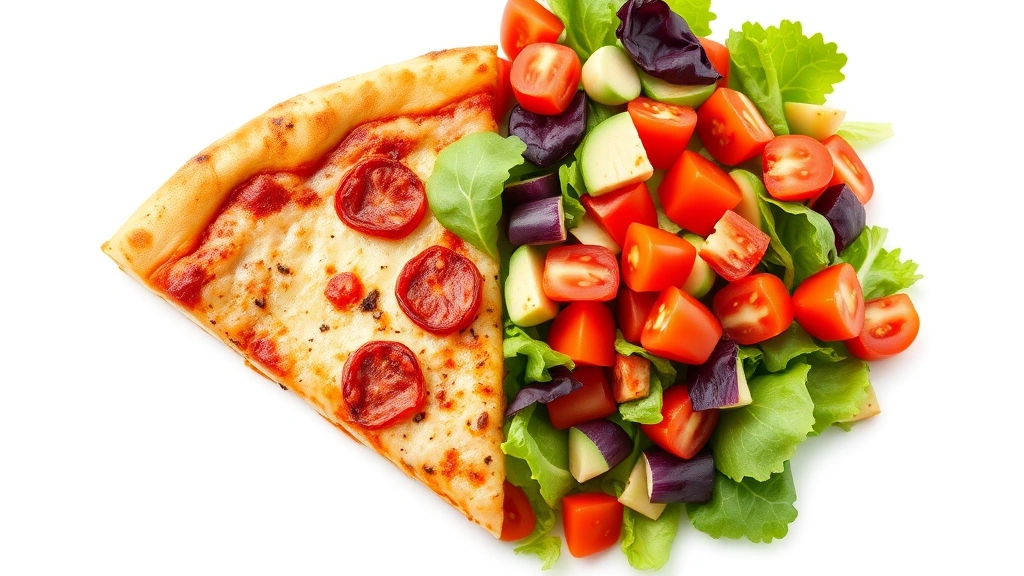
Notable micronutrient deficiencies include limited vitamin A (no colorful vegetables), minimal vitamin C (unless vegetable toppings are added), and negligible amounts of folate. This highlights why Costco pizza functions best as part of a broader dietary pattern rather than as a standalone meal. Pairing pizza with a vegetable-rich salad or side can significantly enhance the micronutrient profile of the entire meal.
Comparing Costco Pizza to Other Warehouse Options
How does Costco pizza compare nutritionally to alternatives available at other warehouse clubs and food establishments? A comparative analysis reveals interesting insights:
- Sam’s Club Pizza: Similar nutritional profiles with comparable calories (670-700), sodium (1,400-1,500mg), and fat content. The main difference is often portion size and crust thickness.
- Pizza Hut/Domino’s Standard Slice: Typically lower in calories (250-350 per slice) but higher in sodium relative to calories. Costco’s larger format provides more food value.
- Local Pizzeria Thin Crust: Usually 200-300 calories per slice with slightly lower sodium, though artisanal pizzas may use premium cheeses increasing fat content.
- Frozen Pizza (Home-prepared): Highly variable, but many frozen options range from 250-400 calories per slice with comparable sodium to fresh pizza.
The key distinction is that Costco pizza’s value proposition—affordable, large portions, consistent quality—comes with the trade-off of higher absolute nutrient amounts per serving. This isn’t inherently negative; it simply requires awareness and portion management.
Smart Strategies for Enjoying Costco Pizza Healthfully
Being a registered dietitian doesn’t mean avoiding foods like Costco pizza—it means enjoying them strategically. Here are evidence-based approaches:
- Practice Portion Control: Limit consumption to 1-2 slices per occasion. This keeps calories between 680-1,420 and sodium below 3,000mg in a single meal.
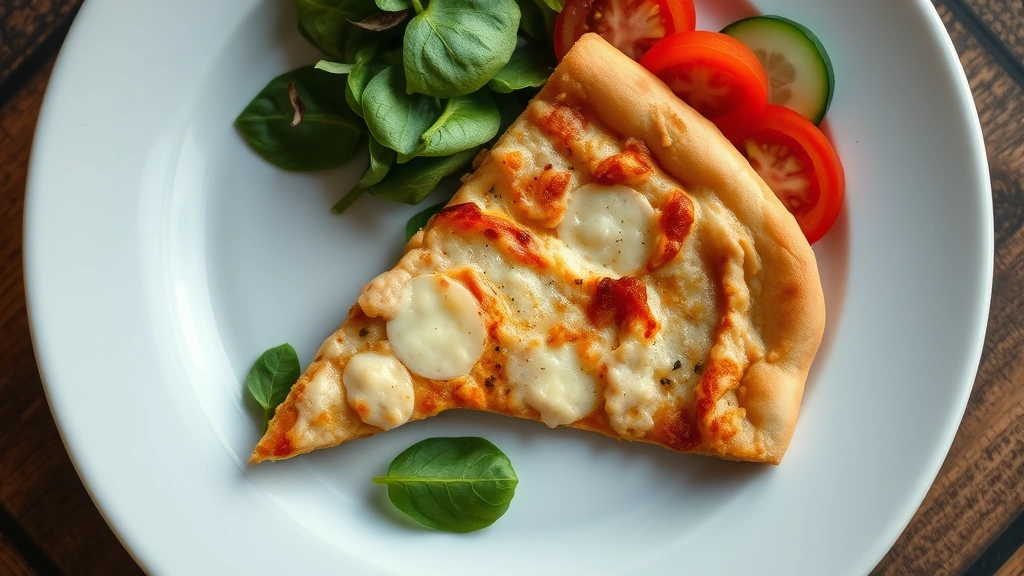
- Pair with Vegetables: Load a plate with salad greens, raw vegetables, or steamed vegetables. The fiber and micronutrients balance the pizza’s nutritional profile.
- Choose Vegetable Toppings: When ordering, select vegetable toppings (peppers, onions, mushrooms) instead of additional meat. This increases micronutrient density without dramatically increasing calories.
- Stay Hydrated: Consume water with your meal rather than sugary beverages. The high sodium content makes hydration particularly important.
- Timing Matters: Eat pizza earlier in the day or around exercise when your body can better utilize the carbohydrates for energy.
- Frequency Assessment: Occasional consumption (1-2 times monthly) has minimal health impact for most people. Weekly consumption requires careful attention to overall dietary patterns.
- Adjust Other Meals: If eating Costco pizza, reduce sodium and fat intake in other meals that day to maintain balance.
Pizza and Your Overall Nutrition Plan
The Nutrients Pathway Blog emphasizes that individual foods matter less than overall dietary patterns. Costco pizza can absolutely fit within a healthy diet when integrated thoughtfully. Research from the National Institutes of Health shows that food restriction often leads to unsustainable eating patterns, whereas flexible moderation tends to promote long-term health outcomes.
For those following a nutrition and mental health approach, the psychological satisfaction of occasionally enjoying foods you love can be nutritionally important. Deprivation often backfires into binge eating, whereas planned enjoyment of pizza supports sustainable health behaviors.
Consider how Costco pizza fits into your weekly dietary pattern: If your baseline diet is rich in vegetables, whole grains, lean proteins, and low in sodium, occasional pizza consumption poses minimal health risk. If your diet already tends toward processed, high-sodium, high-fat foods, Costco pizza should be limited or eliminated. Individual health status, family history, current lab values, and personal health goals all influence appropriate recommendations.
Additionally, how to improve nutrient absorption becomes relevant when eating pizza. Consuming pizza with fat-soluble vitamins (A, D, E, K) from vegetable toppings or side salads enhances their bioavailability. The fat in pizza actually aids absorption of these nutrients from accompanying vegetables.
FAQ
How many calories are in a Costco pizza slice?
A single slice of Costco cheese pizza contains approximately 680-710 calories. Pepperoni and other meat-topped varieties may contain slightly more (720-750 calories). Since pizzas are cut into 6 slices, the entire pizza contains roughly 4,080-4,260 calories.
Is Costco pizza unhealthy?
Costco pizza isn’t inherently unhealthy—it’s a calorie-dense, sodium-rich food that requires portion control and strategic pairing with nutrient-dense foods. Occasional consumption (1-2 times monthly) within a balanced diet poses minimal health concerns for most people. Frequent consumption may contribute to excessive sodium and saturated fat intake.
What are the sodium levels in Costco pizza?
One slice contains 1,400-1,500 milligrams of sodium, representing 58-63% of the American Heart Association’s recommended daily limit of 2,300mg. This makes sodium content the primary nutritional concern for regular consumers.
Can I eat Costco pizza on a diet?
Yes, with strategic integration. Consuming 1-2 slices (680-1,420 calories) as part of a balanced meal with vegetables and limiting sodium elsewhere that day allows pizza to fit within most calorie-restricted diets. Success requires portion awareness and compensatory meal planning.
How does Costco pizza compare nutritionally to homemade pizza?
Homemade pizza allows control over ingredients, typically resulting in lower sodium and potentially lower calories if using moderate cheese and whole-grain crust. However, Costco pizza’s nutritional profile isn’t dramatically worse—the main differences are portion size and ingredient quality. Homemade pizza can be equally high in calories and sodium if prepared with similar ingredients.
What toppings make Costco pizza healthier?
Vegetable toppings (peppers, onions, mushrooms, spinach) add micronutrients and fiber with minimal calorie increase. Avoiding extra cheese and meat toppings reduces saturated fat and sodium. Requesting lighter cheese reduces calories by 80-120 per slice and sodium by 200-300mg.
Is the protein in Costco pizza good quality?
The 24-26 grams of protein per slice is substantial, though it comes primarily from cheese rather than muscle protein sources. While adequate in quantity, it lacks the amino acid profile diversity of complete proteins like chicken or fish. The protein quality is moderate rather than optimal.