Is Costco Pizza Healthy? Diet Expert Opinion on Nutrition & Health Impact
Costco pizza has become a cultural staple for millions of shoppers seeking affordable, convenient meals. At just $1.99 per slice (a price that hasn’t changed since 1992), it’s an undeniable value proposition. However, convenience and price don’t necessarily translate to nutritional merit. Many health-conscious consumers wonder whether grabbing a slice during their warehouse visit aligns with their dietary goals. The answer isn’t straightforward—it depends on your nutritional priorities, frequency of consumption, and overall dietary patterns.
Diet experts have increasingly scrutinized popular chain pizzas over the past decade, particularly regarding sodium content, saturated fat, and caloric density. Costco pizza occupies an interesting middle ground: it’s neither the worst option available nor a nutritional powerhouse. Understanding the actual nutritional profile, ingredient quality, and how it fits into a balanced diet requires examining the data beyond surface-level assumptions. This comprehensive analysis breaks down what nutrition professionals really think about Costco pizza and whether it deserves a place in your regular eating rotation.
Costco Pizza Nutrition Facts Breakdown
A single slice of Costco’s 14-inch cheese pizza contains approximately 680 calories, 28 grams of fat, 38 grams of carbohydrates, and 26 grams of protein. These numbers represent a significant portion of daily macronutrient intake for most adults. The pizza provides roughly 34% of a 2,000-calorie daily diet in just one slice, making it calorie-dense compared to many whole food alternatives.
The macronutrient distribution reveals some positives and negatives. The protein content—26 grams per slice—is respectable and compares favorably to many fast-casual pizza chains. This protein density makes Costco pizza potentially useful for nutrition for building muscle mass, particularly when paired with appropriate training protocols. However, the fat content warrants closer examination. Of the 28 grams total fat, approximately 12 grams are saturated fat, representing 60% of the recommended daily saturated fat intake for a 2,000-calorie diet.
Micronutrient analysis shows Costco pizza provides meaningful quantities of calcium (700-800 mg) from the cheese, supporting bone health. The pizza also contributes iron, phosphorus, and B vitamins from the crust and toppings. However, the refined flour base means you’re missing the fiber, minerals, and phytonutrients found in whole grain alternatives. A single slice provides virtually no dietary fiber, which creates blood sugar stability concerns for some consumers.
The Sodium Problem: Why It Matters
Perhaps the most significant nutritional concern with Costco pizza is sodium content. A single slice contains approximately 1,500-1,600 mg of sodium—representing 65-70% of the recommended daily sodium intake for most adults. This concentration is problematic for several reasons that nutrition professionals consistently emphasize.
Excess sodium consumption directly correlates with elevated blood pressure, increased cardiovascular disease risk, and fluid retention. The American Heart Association recommends limiting sodium to 2,300 mg daily, with an ideal limit of 1,500 mg for optimal cardiovascular health. Consuming two slices of Costco pizza approaches or exceeds daily recommendations for many health-conscious individuals. This becomes particularly concerning for people with hypertension, metabolic syndrome, or family histories of cardiovascular disease.
The sodium primarily derives from three sources: the cheese (which is naturally high in sodium), the processed crust, and added salt in the sauce. Unlike some premium pizza chains experimenting with lower-sodium formulations, Costco has maintained consistent recipes for decades. For individuals managing sodium intake, this represents a significant dietary consideration that shouldn’t be overlooked despite other positive nutritional attributes.
Interestingly, sodium content varies slightly between Costco locations due to regional supplier differences, though the variation is minimal. Consumers particularly sensitive to sodium should account for this pizza’s contribution to their total daily intake, especially if consuming other processed foods the same day.
Protein Content and Muscle Recovery
The protein story around Costco pizza is more nuanced than many casual consumers realize. At 26 grams per slice, the protein content genuinely supports muscle recovery and satiety—two important nutritional goals. This makes Costco pizza potentially valuable for protein intake for muscle building when timed correctly.
Timing matters significantly here. Consuming Costco pizza as part of post-workout recovery foods for optimal muscle repair and energy becomes more defensible nutritionally. The combination of protein, carbohydrates, and fat creates a complete macronutrient profile supporting glycogen repletion and muscle protein synthesis. Athletes and active individuals may find one or two slices strategically consumed post-training to be an effective recovery tool, despite the sodium and saturated fat concerns.
However, the protein source—primarily from processed cheese rather than lean animal proteins or plant-based alternatives—comes packaged with significant saturated fat. The protein-to-fat ratio is approximately 1:1, which is higher in fat than optimal protein sources. This doesn’t negate the protein benefit but contextualizes it within the broader nutritional picture.
For sedentary individuals or those not engaged in structured training, the protein benefit becomes less compelling, particularly given the caloric and sodium trade-offs. The protein alone doesn’t justify regular consumption for individuals prioritizing weight management or cardiovascular health.
Caloric Impact on Daily Intake
At 680 calories per slice, Costco pizza represents a substantial caloric commitment. For individuals following a 1,500-calorie diet (common for weight loss), a single slice consumes 45% of daily allotted calories. This caloric density makes portion control absolutely essential and explains why many nutrition professionals recommend limiting consumption frequency rather than elimination.
The satiety factor—how long the pizza keeps you full—moderates the caloric impact somewhat. The combination of protein, fat, and carbohydrates creates reasonable satiety, meaning consumers typically don’t immediately hunger for additional food. This differs from highly processed, low-protein snacks that provide calories without satisfaction. Research on food satiety suggests that Costco pizza ranks moderately for satiety relative to its caloric content, making it less problematic than truly empty-calorie foods.
Conversely, the refined carbohydrate base may trigger blood sugar spikes in sensitive individuals, potentially creating rebound hunger within 2-3 hours. This creates a paradoxical situation where initial satiety gives way to renewed appetite, potentially leading to additional caloric intake throughout the day. Individuals with insulin resistance or prediabetes should particularly monitor this response.
For nutrition for athletes optimizing performance through diet, the caloric contribution fits more reasonably into higher-calorie athletic diets supporting increased training volume and energy expenditure.
Ingredient Quality and Processing
Examining ingredient quality provides important context that raw nutrition facts cannot capture. Costco pizza uses commodity cheese, refined wheat flour, and standardized toppings—all produced at significant scale and optimized for cost rather than nutritional density or ingredient purity.
The cheese contains standard dairy ingredients, emulsifiers, and preservatives typical of processed cheese products. While not inherently dangerous, this represents a departure from whole food pizza made with fresh mozzarella, organic flour, and fresh vegetables. The crust contains enriched flour (refined white flour with added vitamins), vegetable oil, and salt—lacking the fiber, minerals, and phytonutrients of whole grain or ancient grain alternatives.
Costco’s commitment to food safety and quality control is genuinely strong, and their pizza uses no artificial colors or flavors. This positions Costco pizza as cleaner than many fast-food pizza chains from a processing standpoint. However, “cleaner than fast food” doesn’t equate to “healthy” in absolute terms.
The ingredient list is relatively short and recognizable, which appeals to consumers concerned about ultra-processed foods. This transparency represents a legitimate advantage compared to some competitors featuring more extensive additive lists. However, ingredient simplicity doesn’t resolve the sodium, saturated fat, or refined carbohydrate concerns.
How It Compares to Competitors
Contextualizing Costco pizza within the broader pizza market reveals its position as a middle-ground option. Pizza Hut’s traditional hand-tossed cheese pizza contains approximately 290 calories per slice with 1,100 mg sodium—appearing superior on paper until you realize most consumers eat 2-3 slices, making total consumption comparable to Costco’s larger slices. Domino’s medium pizza slices contain roughly 200 calories with 700 mg sodium, though the smaller size means less per-serving satisfaction.
Premium pizza chains emphasizing fresh ingredients, whole grain crusts, and reduced sodium formulations (typically 600-900 mg per slice) offer superior nutritional profiles but at 3-4 times the price point. These represent genuinely healthier options for consumers prioritizing nutrition over cost, though accessibility differs significantly.
Frozen pizza options from grocery stores vary wildly, ranging from ultra-processed varieties (900+ calories, 1,800+ mg sodium) to more health-conscious options (500 calories, 900 mg sodium) featuring whole grains and reduced sodium. Costco pizza generally falls in the middle-to-upper range for calories and sodium compared to the frozen pizza market.
Homemade pizza using quality ingredients, whole grain flour, fresh vegetables, and controlled salt represents the nutritional gold standard but requires significant time investment. For consumers choosing between convenience options, Costco pizza is competitive but not exceptional.

Strategies for Healthier Pizza Consumption
Rather than eliminating Costco pizza entirely, nutrition professionals recommend strategic consumption approaches maximizing enjoyment while minimizing health detriment. First, limit frequency: consuming Costco pizza occasionally (1-2 times monthly) creates minimal impact on long-term health markers compared to weekly consumption.
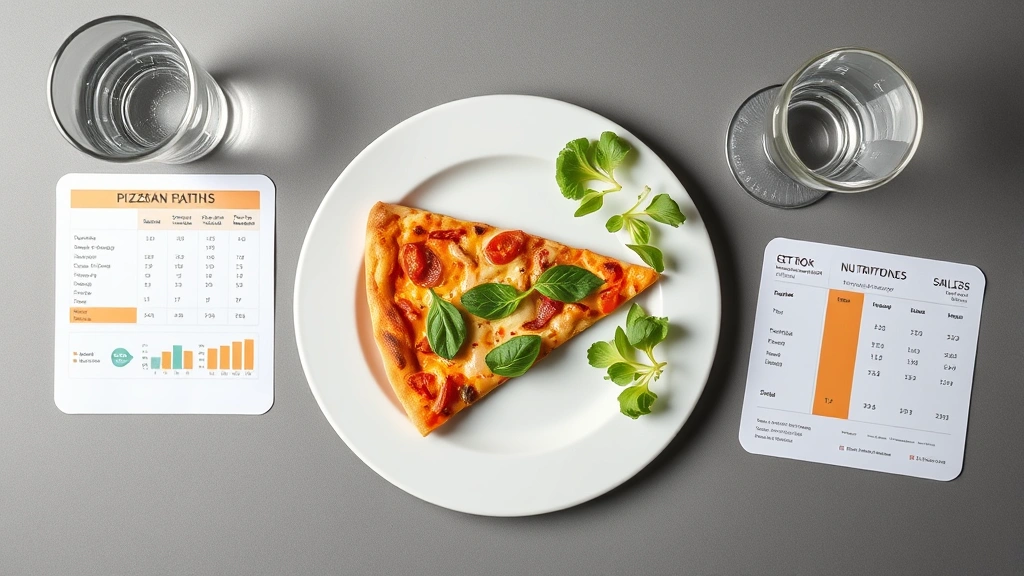
Second, implement portion control. Consuming one slice with water and vegetable sides rather than multiple slices with sugary beverages dramatically reduces caloric and sodium intake. This approach allows enjoyment without derailing dietary goals. Pairing pizza with high-fiber vegetables increases overall meal satiety and nutrient density.
Third, time consumption strategically. Consuming Costco pizza post-workout or during higher-activity days allows your body to utilize carbohydrates more effectively. This becomes particularly relevant for individuals following how to maintain muscle mass protocols requiring adequate carbohydrate intake.
Fourth, develop awareness of total daily sodium intake. If consuming Costco pizza, reduce sodium from other sources that day—avoid processed snacks, cured meats, and high-sodium condiments. This compensatory approach maintains reasonable daily sodium totals despite pizza’s sodium concentration.
Fifth, consider the beverage choice. Consuming pizza with water, unsweetened tea, or black coffee avoids additional sugar and calories. Sugary beverages compound pizza’s glycemic impact, creating more dramatic blood sugar spikes.
Finally, adopt a healthy nutrition plan as a guide to eating well for life framework where Costco pizza occupies a small, occasional role rather than a dietary staple. This perspective acknowledges that no single food determines health outcomes—overall patterns do.
FAQ
Is Costco pizza worse than other fast-food pizza?
Costco pizza is generally comparable to or slightly better than most fast-food pizza chains. The main advantages are larger slice size, respectable protein content, and fewer artificial additives. The primary disadvantage is higher sodium concentration per slice. Overall, they’re in the same nutritional category rather than dramatically different.
Can I eat Costco pizza while trying to lose weight?
Yes, but with careful portion control. One slice contains 680 calories—manageable within most weight loss diets if consumed occasionally and paired with lower-calorie meals that day. Regular consumption (multiple times weekly) makes weight loss more difficult due to caloric density and potential blood sugar disruption.
Is the protein in Costco pizza high quality?
The protein is complete (containing all essential amino acids) from the cheese, making it nutritionally complete. However, it comes packaged with significant saturated fat. Compared to lean protein sources like chicken breast or fish, Costco pizza is less optimal for muscle building, though still useful for active individuals.
How does Costco pizza’s sodium compare to other foods?
At 1,500-1,600 mg per slice, Costco pizza is extremely high in sodium. Most whole foods contain 100-300 mg sodium per serving. A single slice represents 5-10 times the sodium of comparable calorie amounts in unprocessed foods, making it one of the more sodium-dense foods available.
What’s the best way to make Costco pizza healthier?
Eat one slice with vegetable sides, drink water, and avoid other high-sodium foods that day. If possible, consume post-workout when your body can utilize carbohydrates efficiently. Limit frequency to occasional consumption rather than regular habits.
Is Costco pizza suitable for athletes?
Yes, particularly for post-workout recovery. The 26g protein, substantial carbohydrates, and fat create an effective recovery meal. However, the sodium content requires consideration for athletes concerned about hydration status or those with salt sensitivity.
Does Costco pizza contain artificial ingredients?
No artificial colors or flavors are present, which is commendable. However, it contains processing aids, emulsifiers, and preservatives typical of commercial cheese products. It’s cleaner than many ultra-processed foods but still processed.