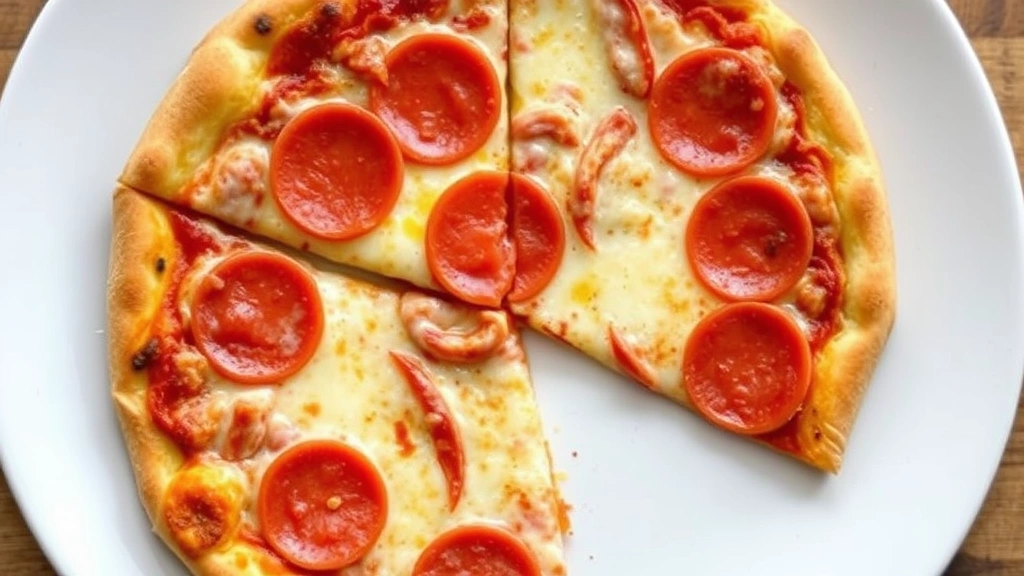
Costco pizza has become a beloved staple for millions of shoppers seeking affordable, convenient meals. With its generous slices and competitive pricing, it’s easy to understand why this warehouse favorite remains a go-to option for families and individuals alike. However, understanding the nutritional profile of Costco pizza is essential for anyone making informed dietary choices, whether you’re tracking calories for weight management, building muscle mass, or simply maintaining a balanced lifestyle.
Many consumers grab a slice without considering the full nutritional impact. A single slice of Costco’s signature pepperoni pizza contains approximately 680 calories—a substantial portion of most people’s daily caloric intake. Beyond calories, pizza delivers significant amounts of sodium, saturated fat, and carbohydrates, making it crucial to understand how this popular food fits into your overall healthy nutrition plan. This comprehensive breakdown examines Costco pizza nutrition facts from a dietitian’s perspective, helping you make smarter choices without sacrificing enjoyment.
Costco Pizza Calorie Count Breakdown
Costco’s food court pizza menu primarily features three varieties: cheese, pepperoni, and combination. The pepperoni pizza slice stands at approximately 680 calories, making it one of the more calorie-dense options available at the warehouse food court. For context, this represents roughly 34% of a standard 2,000-calorie daily diet in a single slice.
The cheese pizza slice contains approximately 600 calories, offering a slightly lighter option for those seeking to reduce caloric intake. The combination pizza, loaded with multiple toppings, climbs to around 710 calories per slice. These figures assume a standard slice from Costco’s 18-inch pizza, which typically yields eight slices.
Understanding these baseline numbers is critical because many consumers underestimate portion sizes. Research from Pew Research Center indicates that Americans frequently misjudge portion sizes, often consuming 20-30% more calories than they estimate. With Costco pizza slices being particularly large, this miscalculation becomes even more pronounced.
The caloric content varies slightly depending on crust thickness and topping distribution. Costco’s pizza features a relatively thick crust with generous cheese coverage, both contributing significantly to the overall calorie count. A single slice delivers approximately 27-30 grams of carbohydrates, primarily from the refined flour base.
Macronutrient Analysis
Beyond calories, examining macronutrient composition reveals important nutritional details about Costco pizza. A pepperoni slice contains approximately 28-30 grams of protein, derived primarily from cheese and meat toppings. This protein content makes pizza moderately substantial as a protein source, though it comes packaged with considerable fat and sodium.
Fat content presents a more concerning picture. Each pepperoni pizza slice contains roughly 30-32 grams of total fat, with approximately 12-14 grams classified as saturated fat. This saturated fat represents 60-70% of the American Heart Association’s recommended daily limit of 20 grams for a 2,000-calorie diet. Consuming two slices of pizza essentially maxes out saturated fat recommendations for an entire day.
The carbohydrate profile includes approximately 27-30 grams per slice, with minimal dietary fiber—typically less than 2 grams. This carbohydrate-to-fiber ratio creates a spike in blood glucose levels, particularly problematic for individuals managing diabetes or prediabetes. The refined wheat flour base lacks the nutritional benefits associated with whole grains and dietary fiber for your health.
Micronutrient analysis shows decent calcium content—approximately 400-450mg per slice—thanks to the generous cheese application. However, this comes with trade-offs in sodium content and added sugars. The vitamin profile is relatively limited, with minimal vitamin C or B vitamins beyond what naturally occurs in wheat and cheese.
Sodium and Heart Health Concerns
Perhaps the most concerning nutritional aspect of Costco pizza is sodium content. A single pepperoni slice contains approximately 1,500-1,700 milligrams of sodium, representing 65-74% of the American Heart Association’s recommended daily limit of 2,300 milligrams. This excessive sodium concentration poses significant cardiovascular risks, particularly for individuals with hypertension or family histories of heart disease.
Sodium serves multiple functions in pizza production: enhancing flavor, preserving ingredients, and improving dough texture. The combination of salty cured meats (pepperoni), processed cheese, and salted dough creates a sodium-laden product. Two slices of Costco pizza exceed the full daily sodium recommendation, making this food choice potentially problematic for heart health.
Research published in the Journal of the American College of Cardiology demonstrates clear correlations between high sodium intake and elevated blood pressure. Chronic hypertension increases risks for heart attacks, strokes, and kidney disease. For individuals managing cardiovascular health, consuming Costco pizza requires careful consideration and portion control.
The sodium-to-potassium ratio in pizza is particularly unfavorable. Pizza contains minimal potassium—approximately 200-250mg per slice—while providing excessive sodium. This imbalance undermines the body’s natural sodium-potassium pump, which regulates fluid balance and blood pressure regulation. Balancing pizza consumption with potassium-rich foods becomes essential for cardiovascular health maintenance.
Comparing Pizza Types at Costco
Costco’s cheese pizza represents the baseline option, containing approximately 600 calories and 1,200-1,400mg sodium per slice. This lighter option appeals to calorie-conscious consumers, though sodium levels remain elevated. The cheese pizza provides roughly 22-24 grams of protein and 26-28 grams of carbohydrates.
Pepperoni pizza adds approximately 80 calories and 200-300mg additional sodium compared to cheese. The pepperoni topping contributes additional saturated fat, though it also increases protein content to around 28-30 grams. For many consumers, the marginal calorie increase feels justified by enhanced flavor.
The combination pizza, featuring pepperoni, sausage, and vegetables, climbs to approximately 710 calories and 1,600-1,800mg sodium per slice. While the vegetable additions provide minimal extra nutrients, they offer psychological satisfaction and perceived healthfulness. However, the additional processed meat toppings amplify sodium and saturated fat concerns.
Seasonal or limited-edition pizza options occasionally appear at Costco food courts. These variations typically follow similar nutritional patterns, with calorie counts ranging from 580-750 depending on topping selections. The fundamental issue remains: Costco’s pizza construction—thick crust, generous cheese, processed toppings—inherently creates a calorie and sodium-dense food product.
Portion Control Strategies
Effective portion control transforms Costco pizza from a nutritional liability into an acceptable occasional indulgence. The most straightforward strategy involves limiting consumption to a single slice rather than the two or three slices many people consume. One slice provides approximately 680 calories for pepperoni, representing roughly 34% of a 2,000-calorie daily diet.
Pairing pizza with nutrient-dense sides significantly improves the overall meal’s nutritional profile. A large salad with vinaigrette dressing provides volume, satiety, and micronutrients while adding minimal calories. The salad’s fiber and water content slow gastric emptying, promoting prolonged satiety and reducing overall caloric consumption during that meal.
Timing pizza consumption strategically within your daily eating pattern matters considerably. Consuming pizza at lunch rather than dinner allows more opportunity for physical activity to burn calories. Additionally, having lighter meals throughout the day—breakfast with whole grains and protein, snacks with fruit and nuts—creates caloric flexibility for indulging in pizza without exceeding daily targets.
Beverage selection dramatically impacts the overall meal experience. Choosing water, unsweetened tea, or diet beverages instead of regular soda eliminates 150-300 additional calories. This simple substitution effectively offsets the caloric impact of eating pizza while improving hydration status.
Eating mindfully—sitting down, chewing thoroughly, and avoiding distractions—enhances satisfaction from smaller portions. Research demonstrates that distracted eating leads to 20-30% increased caloric consumption. Taking time to genuinely enjoy a single slice often provides more satisfaction than rapidly consuming multiple slices while distracted.
Nutritional Impact on Dietary Goals
For individuals pursuing muscle mass building, Costco pizza presents a mixed nutritional profile. The approximately 28-30 grams of protein per slice supports muscle protein synthesis, though the saturated fat and sodium content complicate the equation. Athletes typically prefer protein sources with lower fat-to-protein ratios, making pizza a suboptimal choice despite adequate protein quantity.
Weight loss goals require careful pizza portion management. The calorie density—approximately 680 calories for one moderate-sized slice—consumes substantial portions of daily caloric allowances. For individuals following 1,500-1,800 calorie diets, a single pizza slice represents 38-45% of daily calories. This concentration makes pizza problematic for aggressive weight loss phases.
However, pizza can fit within weight loss plans when treated as an occasional indulgence within a caloric deficit. The key involves planning: reducing calories throughout the day to accommodate pizza consumption, engaging in additional physical activity, and limiting consumption to single slices. This approach maintains psychological sustainability, reducing the diet fatigue that undermines long-term adherence.
Blood sugar management and diabetes prevention require particular attention to Costco pizza’s carbohydrate profile. The 27-30 grams of refined carbohydrates per slice, combined with minimal fiber, creates rapid blood glucose elevation. Individuals with diabetes or prediabetes should consume pizza sparingly and pair slices with protein and fat sources to moderate glycemic response.
For individuals focused on nutrient absorption optimization, pizza’s highly processed nature presents challenges. The refined flour lacks the micronutrient density of whole grains, while processed cheese and cured meats contain additives potentially interfering with nutrient absorption. Balancing pizza with whole foods becomes essential.
Healthier Modifications and Alternatives
Several modifications can improve Costco pizza’s nutritional profile. Removing excess cheese reduces saturated fat and sodium while maintaining pizza’s essential character. Requesting lighter cheese application during pizza preparation can reduce these concerns by 15-20%.
Adding vegetable toppings—peppers, onions, mushrooms, olives—increases fiber, micronutrients, and volume without substantially increasing calories. Vegetables add approximately 10-20 calories per topping while improving satiety and nutritional density. However, Costco’s food court offers limited vegetable topping options compared to independent pizzerias.
Choosing whole wheat or multigrain crust alternatives, when available, significantly improves the nutritional profile. Whole grain crusts provide 3-4 times more fiber than refined flour crusts, promoting better blood sugar control and sustained satiety. Some warehouse locations offer alternative crust options; inquiring about availability is worthwhile.
External dining research from RAND Corporation suggests that consuming pizza less frequently but with greater awareness leads to better long-term health outcomes than restrictive approaches. Occasional pizza consumption—once weekly or biweekly—fits reasonably into most dietary patterns without compromising health goals.
Alternative options within Costco’s food court include rotisserie chicken with vegetables, providing 300-350 calories with 40+ grams of protein and minimal sodium compared to pizza. The hot dog, while also sodium-dense, provides fewer calories (around 550 for a combo) and denser protein per calorie. These alternatives deserve consideration for health-conscious Costco shoppers.
Homemade pizza prepared with quality ingredients offers superior nutritional control. Using whole wheat flour, reduced-sodium cheese, lean protein toppings, and abundant vegetables creates a more nutritionally balanced product. While requiring more effort than Costco’s convenient option, homemade pizza allows customization for specific dietary goals.
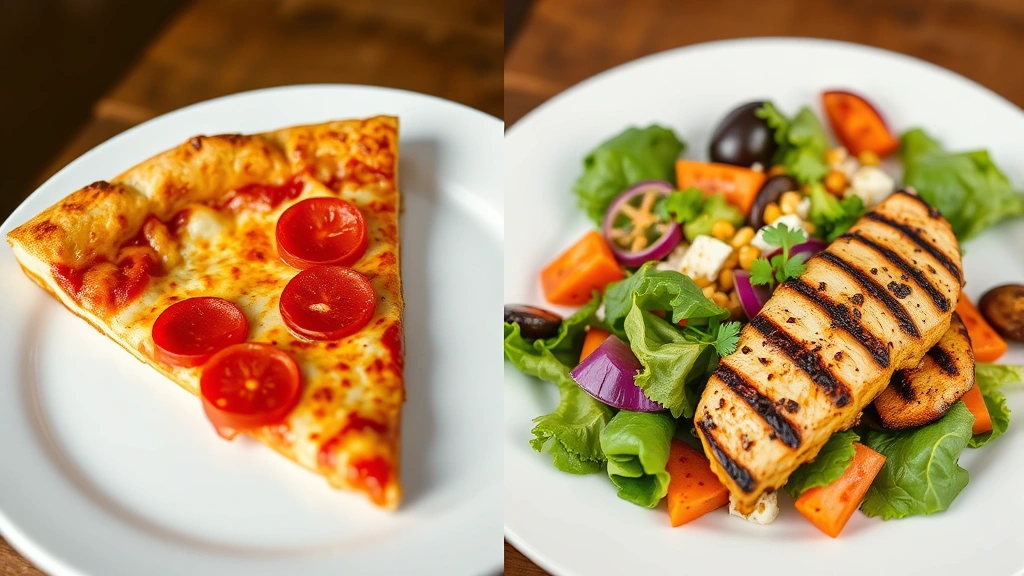
Understanding Costco pizza’s nutritional reality empowers informed decision-making. This warehouse staple needn’t be completely eliminated from balanced diets—rather, it requires conscious consumption, portion awareness, and strategic pairing with nutrient-dense foods. By treating pizza as an occasional indulgence rather than a dietary staple, consumers can enjoy this beloved food while maintaining health and wellness objectives.
Frequently Asked Questions
How many calories are in a whole Costco pizza?
A complete 18-inch Costco pepperoni pizza contains approximately 5,440 calories (8 slices × 680 calories per slice). A cheese pizza totals roughly 4,800 calories, while combination pizza reaches approximately 5,680 calories. These figures represent 2.7-2.8 days of standard caloric intake in a single pizza.
Is Costco pizza healthier than other fast food pizza options?
Costco pizza nutritional values are comparable to major pizza chains. Domino’s, Pizza Hut, and Papa John’s similarly offer 600-700 calorie slices with 1,200-1,700mg sodium. Costco’s competitive pricing doesn’t translate to superior nutritional profiles. Independent pizzerias sometimes offer whole grain crusts and vegetable-forward options, potentially providing healthier alternatives.
Can I eat Costco pizza while dieting?
Yes, occasional Costco pizza consumption fits within weight loss diets when approached strategically. Limiting consumption to one slice, reducing calories elsewhere that day, and pairing pizza with salad or vegetables enables sustainable inclusion. Complete elimination often leads to unsustainable dieting and eventual overeating.
What makes Costco pizza so high in sodium?
Multiple factors contribute to sodium density: cured pepperoni, processed cheese, salted dough, and tomato sauce all contain significant sodium. The combination creates a cumulative effect where a single slice exceeds daily recommendations. This reflects industry-wide pizza preparation practices rather than Costco-specific issues.
Are there lower-calorie pizza options at Costco?
Cheese pizza represents the lowest-calorie Costco option at approximately 600 calories per slice. Requesting light cheese application or removing toppings can further reduce calories. However, Costco’s food court offers limited customization compared to full-service pizzerias, constraining modification options.
How often can I safely eat Costco pizza?
Occasional consumption—once weekly or biweekly—poses minimal health risks for most individuals. Consuming Costco pizza multiple times weekly significantly elevates sodium and saturated fat intake, potentially compromising cardiovascular health. Individual tolerance varies based on overall dietary patterns and health status.
What pairs well with Costco pizza nutritionally?
Large salads with vinaigrette, vegetable sides, and water create balanced meals. These additions provide fiber, micronutrients, and hydration while improving satiety. Avoiding sugary beverages and high-calorie desserts prevents additional caloric accumulation around pizza consumption.
Does Costco offer nutritional information for pizza?
Costco provides nutrition facts labels at food court locations, typically displaying calorie, fat, sodium, and carbohydrate information. These labels enable informed decision-making. Requesting detailed nutritional information from food court staff can answer specific dietary questions.
Visit our Nutrients Pathway Blog for additional nutritional insights and dietary guidance. For comprehensive dietary planning, consult registered dietitian nutritionists who can personalize recommendations based on individual health status and goals.


