
Cottage cheese has emerged as a nutritional powerhouse in modern wellness circles, yet many people remain uncertain about its actual health benefits and composition. As a registered dietitian, I’ve observed a significant uptick in clients asking about this versatile dairy product, particularly those focused on building muscle mass and maintaining stable blood sugar levels. The resurgence of cottage cheese popularity isn’t merely a trend—it’s grounded in legitimate nutritional science that deserves deeper exploration.
Understanding cottage cheese nutrition facts requires examining both its macronutrient profile and micronutrient density. Unlike many processed dairy alternatives flooding supermarket shelves, cottage cheese offers a relatively simple ingredient list combined with impressive protein content and minimal added sugars in many commercial varieties. This guide breaks down exactly what makes cottage cheese nutritionally valuable, how it compares to other protein sources, and practical strategies for incorporating it into your daily diet.
Whether you’re an athlete optimizing performance, someone managing weight through healthy nutrition planning, or simply seeking nutrient-dense foods, cottage cheese deserves a prominent place in your nutritional toolkit. Let’s examine the science behind this often-overlooked dairy staple.
Macronutrient Breakdown and Protein Content
The nutritional profile of cottage cheese varies significantly depending on fat content, but the standard half-cup serving (approximately 113 grams) contains remarkable macronutrient density. Full-fat cottage cheese delivers roughly 14 grams of protein, 5 grams of fat, and 5 grams of carbohydrates per serving. Low-fat varieties maintain similar protein content while reducing fat to approximately 2 grams, making them attractive for calorie-conscious consumers. The protein quality in cottage cheese ranks exceptionally high because it contains all nine essential amino acids, qualifying it as a complete protein source.
What distinguishes cottage cheese from other dairy proteins is its casein content. Approximately 80% of milk protein exists as casein, a slow-digesting protein that provides sustained amino acid release throughout several hours. This characteristic makes cottage cheese particularly valuable for muscle building applications, especially when consumed before sleep. The branched-chain amino acids (BCAAs)—leucine, isoleucine, and valine—found abundantly in cottage cheese directly stimulate muscle protein synthesis, the fundamental mechanism underlying muscle growth and repair.
The lactose content in cottage cheese presents another important consideration. During manufacturing, whey (which contains most lactose) is separated from curds, leaving cottage cheese with substantially lower lactose than milk or yogurt. A half-cup serving typically contains only 3-4 grams of lactose, making it tolerable for many individuals with lactose sensitivity. This characteristic expands cottage cheese’s accessibility across diverse populations with varying digestive tolerances.
Essential Micronutrients in Cottage Cheese
Beyond macronutrients, cottage cheese supplies critical micronutrients often overlooked in nutritional discussions. Selenium represents one particularly important micronutrient, with a single serving providing approximately 30% of the daily recommended value. Selenium functions as a crucial cofactor for selenoproteins, which include glutathione peroxidase—a powerful antioxidant enzyme protecting cells from oxidative damage. This mineral also supports thyroid hormone metabolism and immune function.
Phosphorus content in cottage cheese reaches approximately 220 milligrams per half-cup serving, contributing meaningfully to bone mineralization and energy metabolism. Phosphorus works synergistically with calcium to maintain bone structural integrity, though the phosphorus-to-calcium ratio in cottage cheese warrants attention. The ratio approaches 1:1 in many commercial varieties, which dietitians consider optimal for calcium absorption and utilization. This balance distinguishes cottage cheese from certain other protein sources that contain disproportionate phosphorus levels.
Vitamin B12 concentration in cottage cheese makes it particularly valuable for individuals following plant-forward diets or those with absorption concerns. A single serving supplies approximately 0.5 micrograms of B12, representing roughly 8% of the daily requirement. Vitamin B12 proves essential for neurological function, red blood cell formation, and DNA synthesis. The bioavailability of B12 from dairy sources exceeds that from fortified plant-based alternatives, offering superior absorption efficiency.
Additionally, cottage cheese provides meaningful amounts of riboflavin (vitamin B2), essential for energy production and cellular growth. The B-vitamin complex in cottage cheese supports metabolic processes and may enhance mental clarity and sustained energy throughout the day. When examining nutrient absorption improvement strategies, consuming cottage cheese with foods containing vitamin C enhances non-heme iron absorption, optimizing overall micronutrient utilization.

Digestive Health and Probiotic Benefits
The digestive implications of cottage cheese consumption extend beyond basic macronutrient delivery. Certain commercial cottage cheese varieties contain live and active cultures—specific strains of beneficial bacteria including Lactobacillus and Bifidobacterium. These probiotics support gut microbiome diversity and may enhance digestive comfort, immune function, and even mental health through the gut-brain axis. Research published in peer-reviewed microbiome journals demonstrates correlations between probiotic consumption and improved gastrointestinal symptoms.
The casein protein in cottage cheese also exhibits prebiotic properties, selectively promoting beneficial bacterial growth in the colon. This dual mechanism—delivering probiotics while simultaneously feeding existing beneficial bacteria—creates a synergistic effect supporting long-term gut health. For individuals with compromised digestive function or those recovering from antibiotic courses, cottage cheese offers a gentle yet effective dietary intervention.
However, it’s crucial to recognize that not all commercial cottage cheese contains viable probiotics. Many manufacturing processes involve heat treatment that eliminates live cultures. When selecting cottage cheese specifically for probiotic benefits, check labels for terms like “live and active cultures” or “contains probiotics.” Storage conditions also matter—probiotics remain viable only when refrigerated properly, typically maintaining potency for several weeks after purchase.
The casein protein structure in cottage cheese differs significantly from whey protein, affecting digestion speed and gut microbiome interaction patterns. This slower digestion rate means cottage cheese doesn’t cause the rapid blood sugar spikes associated with some other carbohydrate sources, supporting stable energy and potentially reducing cravings throughout the day. Understanding these digestive mechanisms helps explain why cottage cheese consumption correlates with improved satiety metrics in nutritional research.
Cottage Cheese for Muscle Building and Recovery
Athletes and fitness enthusiasts increasingly recognize cottage cheese as a superior post-workout recovery food, rivaling expensive protein supplements in efficacy while offering superior micronutrient density. The complete amino acid profile, combined with slow casein digestion, creates an extended protein delivery system optimizing muscle protein synthesis during recovery windows. Research from sports nutrition research databases indicates that casein protein consumption before sleep enhances overnight muscle protein synthesis by approximately 22% compared to placebo.
For individuals pursuing muscle building through strategic nutrition, cottage cheese offers particular advantages during caloric restriction phases. The high protein-to-calorie ratio means substantial protein intake without excessive caloric expenditure. A single serving delivers 14 grams of protein for merely 110-160 calories (depending on fat content), making it exceptionally efficient for maintaining muscle mass while pursuing fat loss.
The leucine content in cottage cheese deserves specific attention. Leucine, comprising approximately 11% of cottage cheese’s amino acid profile, acts as a nutrient sensor triggering mTOR signaling—the primary pathway regulating muscle protein synthesis. Studies suggest that consuming 2.5-3 grams of leucine stimulates maximal muscle protein synthesis, a threshold easily achieved through a single cottage cheese serving. This mechanism explains why cottage cheese consumption correlates with superior muscle retention in resistance-trained populations during caloric restriction.
Beyond immediate post-workout consumption, incorporating cottage cheese throughout the day supports cumulative muscle protein synthesis. Rather than single large protein doses, distributed protein consumption—including cottage cheese at breakfast, snacks, or evening meals—optimizes muscle building potential. This strategic distribution aligns with emerging evidence suggesting that spreading protein intake across multiple meals enhances total daily muscle protein synthesis compared to concentrated consumption patterns.
Weight Management and Satiety
The satiety-promoting properties of cottage cheese make it invaluable for individuals managing weight through caloric moderation. The high protein content triggers cholecystokinin (CCK) release, a satiety hormone signaling fullness to the brain. Additionally, the slow casein digestion extends satiety duration compared to rapidly absorbed carbohydrates or whey protein. Research demonstrates that cottage cheese consumption reduces subsequent caloric intake at meals following consumption, suggesting meaningful appetite suppression effects.
The thermic effect of protein—the caloric expenditure required for protein digestion—contributes meaningfully to weight management. Protein digestion requires approximately 20-30% of consumed calories, substantially exceeding the thermic effect of carbohydrates (5-10%) or fats (0-3%). Choosing high-protein foods like cottage cheese therefore increases total daily energy expenditure, supporting weight loss goals through multiple mechanisms beyond simple caloric restriction.
For individuals implementing comprehensive healthy nutrition plans, cottage cheese provides versatility across meal contexts. Morning cottage cheese consumption stabilizes blood glucose throughout the day, reducing afternoon energy crashes and associated cravings. Evening consumption maintains muscle protein synthesis during sleep while supporting satiety through the night, potentially reducing midnight snacking behaviors.
The micronutrient density of cottage cheese distinguishes it from other high-protein, low-calorie foods. Many processed protein options provide protein with minimal additional nutritional value, whereas cottage cheese delivers selenium, phosphorus, B vitamins, and calcium alongside protein. This comprehensive nutrient profile supports metabolic function, energy production, and bone health—factors crucial for sustainable weight management and long-term health outcomes.
Choosing the Right Variety and Storage
The commercial cottage cheese market encompasses considerable variation in nutritional composition, requiring informed selection strategies. Full-fat varieties (4% milk fat minimum) contain approximately 150 calories per half-cup serving but provide superior fat-soluble vitamin bioavailability and enhanced satiety. Low-fat varieties reduce calories to approximately 110 per serving while maintaining similar protein content, appealing to those prioritizing caloric restriction. Non-fat varieties offer minimal fat content but may compromise satiety and vitamin absorption.
Added sugar content represents another critical selection factor. Some commercial varieties contain 3-5 grams of added sugars per serving, substantially exceeding the minimal carbohydrate content of plain cottage cheese. Reading nutrition labels carefully ensures selection of varieties sweetened minimally or using sugar substitutes if desired. Plain cottage cheese allows maximum flexibility for culinary applications—pairing with fresh fruit for natural sweetness or incorporating into savory dishes without added sugars.
Curd size preferences vary individually but affect eating experience meaningfully. Large-curd varieties offer chunkier textures preferred by some consumers, while small-curd options provide smoother consistency. Neither offers nutritional superiority; selection depends entirely on personal preference and intended applications. Blended varieties combining cottage cheese with yogurt increase probiotic content while slightly reducing pure cottage cheese concentration.
Storage practices critically influence cottage cheese quality and nutrient retention. Unopened containers remain viable for up to two weeks when refrigerated at temperatures below 40°F. After opening, consume cottage cheese within 3-5 days to minimize bacterial growth risk. Freezing cottage cheese is technically possible but substantially alters texture—the curds separate from whey, creating grainy consistency unsuitable for direct consumption though potentially acceptable in cooked applications. For optimal nutrition and quality, consume cottage cheese within several days of opening.
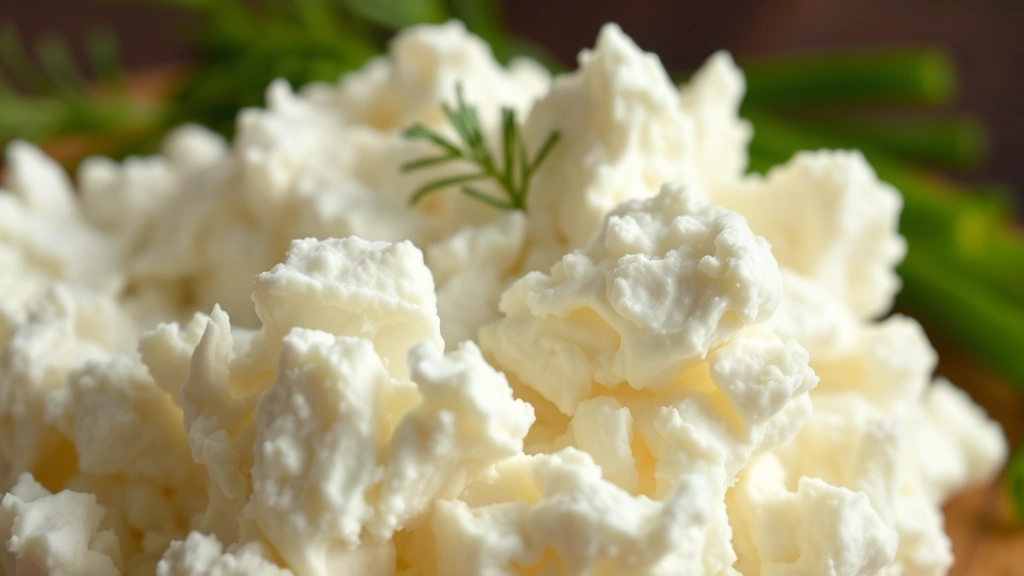
When selecting cottage cheese, prioritize brands listing milk and salt as primary ingredients, indicating minimal processing. Avoid varieties containing excessive additives, gums, or stabilizers when possible—while these ingredients aren’t inherently harmful, they suggest higher processing levels. Organic and grass-fed varieties offer potential additional benefits including enhanced omega-3 fatty acid profiles and potentially superior nutrient density, though price premiums warrant consideration relative to individual budgets.
FAQ
How much cottage cheese should I consume daily?
Optimal cottage cheese intake depends on individual protein requirements, overall dietary composition, and health goals. Most adults benefit from 1-2 half-cup servings daily as part of varied protein sources. Athletes pursuing muscle building may consume 2-3 servings daily distributed across meals. Consult with a registered dietitian to determine personalized recommendations aligned with your specific objectives.
Is cottage cheese appropriate for individuals with lactose intolerance?
Most people with lactose intolerance tolerate cottage cheese well due to its substantially lower lactose content compared to milk or yogurt. However, tolerance varies individually—some individuals experience discomfort while others tolerate it completely. Start with small portions to assess personal tolerance. Those with diagnosed lactose malabsorption should monitor symptoms and consult healthcare providers when uncertain.
Does cottage cheese contain probiotics naturally?
While milk contains minimal naturally occurring probiotics, certain commercial cottage cheese varieties contain added live and active cultures. Not all brands include probiotics, so check labels specifically for probiotic designations. Even without added probiotics, cottage cheese’s casein protein supports beneficial bacterial growth in the colon, providing prebiotic benefits.
Can cottage cheese support weight loss?
Cottage cheese can meaningfully support weight loss through multiple mechanisms: high protein content promotes satiety, slow casein digestion extends fullness duration, and the thermic effect of protein increases daily energy expenditure. Incorporating cottage cheese into comprehensive healthy nutrition approaches supports sustainable weight management without requiring extreme caloric restriction.
How does cottage cheese compare to Greek yogurt nutritionally?
Cottage cheese and Greek yogurt both provide excellent protein content, but differ in composition. Cottage cheese contains more casein (slow-digesting), while Greek yogurt contains more whey (fast-digesting). Cottage cheese generally provides higher selenium and phosphorus, while Greek yogurt often contains more probiotics. Both offer nutritional value; selection depends on individual preferences and specific dietary objectives.
Is cottage cheese suitable for individuals following ketogenic diets?
Cottage cheese fits reasonably well into ketogenic approaches when selecting full-fat varieties and monitoring portions. A half-cup serving contains approximately 4-5 grams of net carbohydrates, fitting within typical keto macronutrient targets. Low-fat varieties contain slightly more carbohydrates due to reduced fat content, so full-fat options align better with strict ketogenic protocols.
Can cottage cheese consumption impact bone health?
Yes, cottage cheese supports bone health through multiple mechanisms. The phosphorus and calcium content directly contributes to bone mineralization, while the protein provides structural components for bone matrix formation. The optimal phosphorus-to-calcium ratio in cottage cheese (approximately 1:1) supports efficient calcium absorption and utilization. Regular consumption contributes meaningfully to skeletal health, particularly important for aging populations.
What’s the best time to consume cottage cheese for muscle building?
While post-workout consumption benefits muscle recovery, cottage cheese consumption timing matters less than total daily protein intake and distribution. Evening consumption particularly benefits overnight muscle protein synthesis due to slow casein digestion. Morning consumption stabilizes blood glucose and supports satiety throughout the day. Distribute cottage cheese across multiple meals and snacks rather than concentrating consumption in single sittings.
For additional nutritional guidance, explore our comprehensive nutrition blog covering diverse health topics. Consider researching contemporary dietary trends and consumer behavior to understand broader nutritional landscape shifts. The Academy of Nutrition and Dietetics provides evidence-based nutritional recommendations from credentialed professionals. Understanding nutrition’s mental health connections reveals how dietary choices impact cognitive function and emotional wellbeing. Finally, exploring dietary fiber’s crucial health role completes understanding of comprehensive nutritional science.


