Cottage Cheese Nutrition Facts: Dietitian Insights
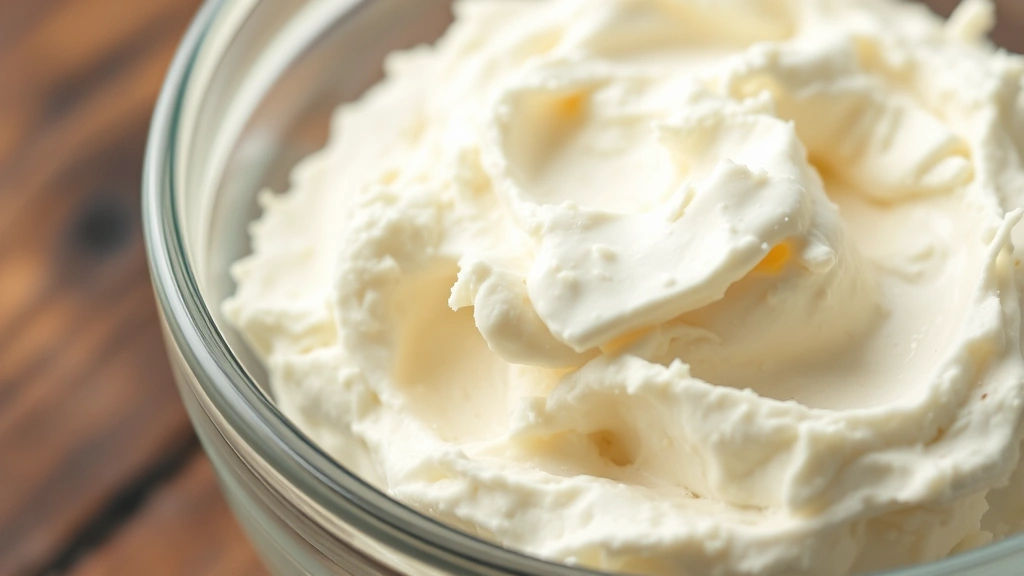
Cottage cheese has experienced a remarkable resurgence in popularity among health-conscious consumers and fitness enthusiasts alike. Once considered a diet staple relegated to the 1980s, this creamy dairy product is now recognized as a nutritional powerhouse that deserves a prominent place in modern nutrition discussions. The cottage cheese nutrition label tells a compelling story about protein density, micronutrient composition, and versatile applications across various dietary approaches, from keto to muscle-building protocols.
Understanding the detailed breakdown of a cottage cheese nutrition label requires moving beyond surface-level macronutrient claims to explore what makes this food genuinely valuable from a dietitian’s perspective. This comprehensive guide examines the scientific evidence, practical applications, and nuanced considerations that define cottage cheese’s role in contemporary nutrition science. Whether you’re tracking macronutrients for athletic performance, managing weight, or optimizing overall health, the insights contained within a standard nutrition label provide actionable information that can transform how you approach dairy consumption.
Understanding the Cottage Cheese Nutrition Label
A standard cottage cheese nutrition label provides critical information that extends far beyond the basic macronutrient percentages displayed on the front of the container. The FDA-regulated nutrition facts panel breaks down serving sizes, caloric content, and nutrient composition with precision that allows consumers and dietitians to make informed decisions about portion control and dietary integration. Most cottage cheese products list a serving size as one-half cup, which typically contains between 110 and 130 calories depending on fat content and added ingredients.
The typical full-fat cottage cheese contains approximately 14 grams of protein per half-cup serving, making it one of the most protein-dense dairy options available. This protein concentration becomes particularly significant when you consider that the same serving provides only 5-6 grams of fat and minimal carbohydrates, generally ranging from 4-5 grams. These proportions explain why nutritionists frequently recommend cottage cheese as part of a healthy nutrition plan that emphasizes protein intake without excessive caloric burden.
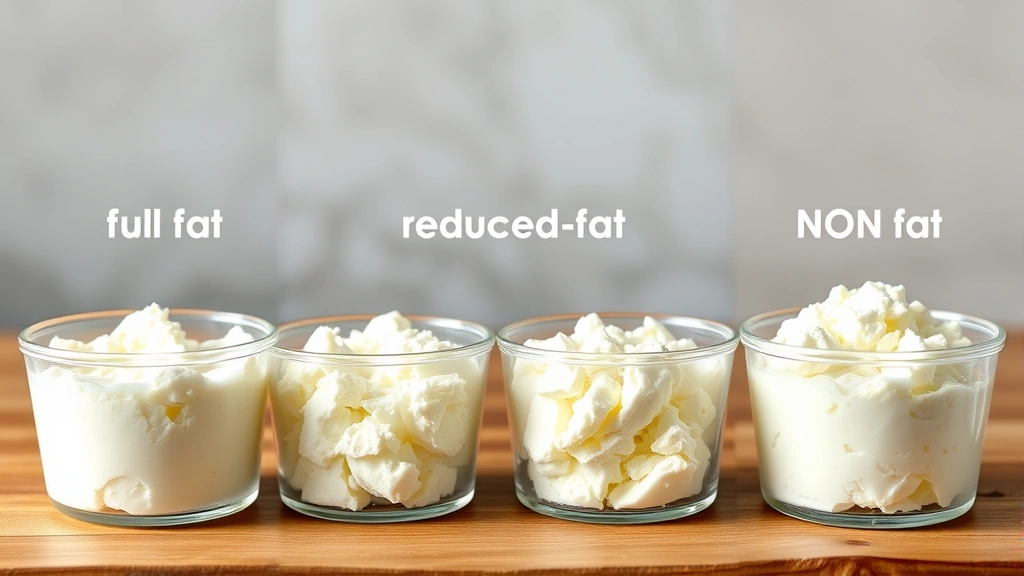
Reading a nutrition label requires understanding the distinction between different types of cottage cheese, as the label will specify whether the product is full-fat, reduced-fat, or non-fat. This categorization directly impacts the nutritional profile, with full-fat versions providing superior fat-soluble vitamin content and potentially better satiety metrics. The label should also clearly indicate whether the product contains live and active cultures, which influences its probiotic potential and digestive benefits.
Protein Content and Amino Acid Profile
Cottage cheese’s primary nutritional distinction centers on its exceptional protein density relative to caloric content. The protein found in cottage cheese exists primarily as casein, a slow-digesting protein that provides sustained amino acid release over extended periods. This characteristic makes cottage cheese particularly valuable for individuals seeking to maximize muscle protein synthesis or maintain satiety throughout extended fasting periods. Research published in the Journal of the International Society of Sports Nutrition demonstrates that casein protein consumption before sleep enhances overnight muscle protein synthesis, positioning cottage cheese as an ideal pre-bedtime snack for athletes and fitness enthusiasts.
The amino acid profile of cottage cheese includes all nine essential amino acids necessary for human protein synthesis, with particularly high concentrations of leucine, an amino acid critical for triggering the mTOR pathway associated with muscle growth. A single serving of cottage cheese provides approximately 1.1 grams of leucine, meeting roughly 21% of the daily requirement for this crucial amino acid. This composition explains why cottage cheese has gained substantial traction within bodybuilding and strength training communities as a cost-effective protein source that delivers complete amino acid profiles without excessive fat or carbohydrate addition.
When examining protein quality metrics, cottage cheese scores highly on the PDCAAS (Protein Digestibility Corrected Amino Acid Score) scale, indicating that the protein is not only complete but also highly digestible and bioavailable. This distinction matters considerably when comparing cottage cheese to plant-based protein sources or other animal proteins, as it ensures that the advertised protein content translates directly into usable amino acids for tissue repair and synthesis. Dietitians frequently recommend cottage cheese as part of improved digestion strategies because the protein content supports healthy gut microbiota and contributes to satiety without digestive distress.
Fat Composition and Caloric Density
The fat content listed on a cottage cheese nutrition label warrants detailed examination, as it directly influences both the product’s caloric density and its micronutrient profile. Full-fat cottage cheese typically contains 5-6 grams of fat per half-cup serving, with the majority consisting of saturated fat (approximately 3-4 grams). While saturated fat has faced scrutiny in past nutritional guidance, contemporary research suggests that dairy-derived saturated fat carries different metabolic implications than saturated fat from other sources, potentially offering protective cardiovascular effects when consumed as part of a balanced diet.
The fat-soluble vitamins present in full-fat cottage cheese—particularly vitamins A, D, and K2—become bioavailable specifically because of the accompanying fat content. Reduced-fat and non-fat varieties, while offering caloric advantages for weight-conscious consumers, sacrifice these micronutrient benefits and may demonstrate inferior satiety characteristics. Studies indicate that full-fat dairy consumption correlates with improved metabolic markers and lower obesity rates compared to low-fat alternatives, suggesting that the fat reduction approach may not provide the health benefits initially anticipated by nutritionists.
For individuals managing specific caloric targets or following low-fat dietary protocols, the cottage cheese nutrition label clearly delineates options that accommodate these preferences. Non-fat cottage cheese reduces caloric content to approximately 80-90 calories per serving while maintaining most of the protein benefits, though at the cost of fat-soluble vitamin absorption and potentially compromised taste and texture characteristics. The choice between fat levels should reflect individual health goals, absorption capacity, and overall dietary composition rather than assuming that lower fat automatically indicates superior nutritional value.
Micronutrients and Mineral Content
Beyond the macronutrient headlines, the cottage cheese nutrition label reveals an impressive micronutrient profile that contributes substantially to daily nutritional requirements. Calcium content typically ranges from 80-110 milligrams per half-cup serving, providing approximately 8-11% of the daily recommended intake. While this percentage might appear modest compared to milk or yogurt, the bioavailability of calcium in cottage cheese, combined with the presence of vitamin D in fortified varieties, enhances absorption and utilization within the body.
Selenium emerges as a particularly notable micronutrient in cottage cheese, with each serving providing approximately 15-20% of the daily recommended intake. This trace mineral functions as a critical cofactor for selenoprotein synthesis, supporting antioxidant defense systems and thyroid hormone metabolism. The selenium content in cottage cheese exceeds that found in most plant-based protein sources, positioning it as a valuable option for individuals seeking to optimize trace mineral intake without relying exclusively on supplementation.
Phosphorus content in cottage cheese ranges from 150-180 milligrams per serving, providing approximately 15% of daily requirements. The calcium-to-phosphorus ratio in cottage cheese (approximately 1:2) differs from milk’s more balanced ratio, which may influence bioavailability considerations in individuals with specific mineral metabolism concerns. Vitamin B12 content, typically ranging from 0.5-0.7 micrograms per serving, supports the approximately 25% of daily requirements, making cottage cheese a valuable option for vegetarians seeking reliable B12 sources beyond supplementation.
The choline content in cottage cheese, though not always prominently featured on standard nutrition labels, contributes meaningfully to cognitive function and cellular methylation pathways. Emerging research highlighted by nutrition and mental health research suggests that adequate choline intake supports neural development and neurotransmitter synthesis, positioning cottage cheese as a potential cognitive-supporting food choice for aging populations and individuals prioritizing brain health.
Cottage Cheese Varieties and Label Differences
The cottage cheese market encompasses substantial variation in product formulations, each reflected distinctly on the nutrition label. Traditional full-fat cottage cheese represents the baseline nutritional profile, with minimal additives beyond cultures and salt. However, many manufacturers now offer variations including Greek-style cottage cheese, which undergoes additional straining to concentrate protein content to approximately 18-20 grams per serving while reducing carbohydrates and sodium.
Flavored varieties—such as fruit-mixed or honey-sweetened options—demonstrate notably altered nutrition labels, with added sugars typically ranging from 5-15 grams per serving. These additions substantially impact the overall nutritional profile and may contradict the health-conscious positioning that initially attracted consumers to cottage cheese consumption. Dietitians frequently caution against assuming that fruit-containing cottage cheese varieties provide equivalent nutritional benefits to plain versions, as the added sugars can offset protein satiety benefits and contribute to blood glucose fluctuations.
Organic and grass-fed cottage cheese varieties increasingly populate grocery shelves, with manufacturers highlighting distinctions on labels including higher omega-3 fatty acid content and enhanced micronutrient profiles. While these products typically command premium pricing, the nutritional advantages remain modest compared to conventional varieties, though the farming practice implications may align with consumer values regarding sustainability and animal welfare. The nutrition label for organic varieties generally mirrors conventional products, suggesting that certification status influences price more substantially than nutritional composition.
Lactose-reduced and lactose-free cottage cheese options address digestive concerns for individuals with lactose intolerance or sensitivity. The nutrition label for these products typically displays identical macronutrient composition compared to standard varieties, with the primary distinction involving the enzymatic treatment applied during production rather than fundamental nutritional alteration. This distinction matters considerably for individuals whose digestive limitations have previously prevented cottage cheese consumption.
Practical Applications for Different Dietary Goals
For individuals pursuing nutrition pathway optimization within muscle-building frameworks, the cottage cheese nutrition label supports strategies emphasizing high protein intake with minimal carbohydrate contribution. A typical approach involves consuming 100-150 grams of cottage cheese (two to three servings) as a post-workout snack or evening meal component, delivering 28-42 grams of protein with only 8-15 grams of carbohydrates. This macronutrient ratio aligns with evidence-based muscle protein synthesis protocols while maintaining favorable caloric density for body composition goals.
Weight management applications leverage the satiety-promoting characteristics of cottage cheese’s high protein content and relatively low caloric density. Individuals pursuing caloric restriction frequently incorporate cottage cheese as a primary protein source, as the sustained amino acid release from casein protein extends satiety duration compared to whey-based products. Research indicates that cottage cheese consumption correlates with improved appetite control and reduced subsequent caloric intake, suggesting that the nutrition label’s protein content translates directly into practical appetite management benefits.
For individuals managing blood glucose or following ketogenic dietary approaches, the cottage cheese nutrition label’s minimal carbohydrate content (4-5 grams per serving) positions it as a compatible option that maintains metabolic flexibility without triggering significant insulin responses. The fat content in full-fat varieties supports ketone production and provides satiety that enhances dietary adherence during periods of carbohydrate restriction. This application has driven substantial renewed interest in cottage cheese within low-carbohydrate dietary communities.
Athletes pursuing endurance training benefit from cottage cheese’s slow-digesting protein profile, which supports sustained amino acid delivery during extended recovery periods. The casein component provides superior muscle protein synthetic response compared to faster-digesting proteins when consumed in pre-sleep contexts, making cottage cheese an evidence-supported choice for individuals prioritizing overnight recovery optimization.
Comparison with Other Dairy Products
Comparing the cottage cheese nutrition label with other dairy products reveals important distinctions that inform product selection based on specific nutritional objectives. Greek yogurt, frequently positioned as a protein-rich dairy option, typically contains 15-20 grams of protein per 170-gram serving compared to cottage cheese’s 14 grams per 113-gram serving. However, the caloric density differs substantially, with Greek yogurt averaging 130-160 calories per serving versus cottage cheese’s 110-130 calories, making cottage cheese marginally more efficient from a protein-to-calorie perspective.
Traditional yogurt, while containing valuable probiotics, delivers substantially less protein (10-12 grams per serving) compared to cottage cheese, requiring larger portion sizes to achieve equivalent protein intake. Milk-based products including standard milk and kefir provide superior calcium content but sacrifice the protein density that positions cottage cheese as a distinct nutritional option. The comparison becomes particularly relevant when considering nutrition facts across different food categories, as dairy products represent only one segment of comprehensive nutritional analysis.
Ricotta cheese, another curd-based dairy product, contains marginally higher fat content and fewer micronutrients compared to cottage cheese, though it provides similar protein density. The distinction between these products becomes primarily textural and culinary rather than nutritionally significant, allowing consumer preference and recipe compatibility to guide selection. Cheese varieties including cheddar and mozzarella contain substantially higher fat and sodium content with dramatically reduced protein density per calorie, positioning them as distinct products serving different nutritional purposes.
Comparing cottage cheese against plant-based alternatives including tofu and tempeh reveals important protein quality distinctions. While plant-based options provide equivalent or superior protein quantities, they lack complete amino acid profiles and demonstrate lower bioavailability compared to dairy-derived protein. This distinction becomes particularly relevant for individuals optimizing muscle protein synthesis or addressing specific amino acid requirements that dairy products fulfill more efficiently.
Potential Concerns and Sodium Considerations
The cottage cheese nutrition label frequently displays sodium content ranging from 300-400 milligrams per serving, representing 13-17% of the daily recommended intake. For individuals managing hypertension or sodium-sensitive conditions, this sodium concentration warrants consideration, particularly when cottage cheese consumption occurs multiple times daily or in conjunction with other sodium-containing foods. Some manufacturers now produce low-sodium varieties containing 100-150 milligrams per serving, though these products may sacrifice taste characteristics that drive consumer acceptance.
The sodium present in cottage cheese serves functional purposes including preservation and flavor enhancement rather than representing unnecessary dietary addition. Understanding this distinction allows consumers to make informed choices regarding whether cottage cheese consumption aligns with individual sodium management requirements. Individuals pursuing comprehensive sodium reduction can select low-sodium varieties or rinse standard cottage cheese to reduce surface sodium concentration, though this practice may also remove some flavor compounds and beneficial minerals.
Additives and preservatives occasionally appear on cottage cheese nutrition labels, though many modern products emphasize minimalist ingredient lists. Guar gum and carrageenan, common stabilizers, appear innocuous in current research but merit consideration for individuals with sensitivity to food additives or those pursuing whole-food approaches. The nutrition label clearly identifies these components, allowing consumers to make selections aligning with personal preferences regarding processed food minimization.
Lactose content, while substantially reduced compared to milk due to the production process, remains present in conventional cottage cheese at approximately 3-4 grams per serving. This quantity typically remains below the threshold that triggers symptoms in individuals with mild lactose intolerance, though sensitivity varies considerably among individuals. The nutrition label’s carbohydrate content provides indirect indication of lactose presence, with lactose accounting for most non-fiber carbohydrates in unsweetened varieties.

Quality considerations extend beyond standard nutrition label components to encompass manufacturing practices and ingredient sourcing. Cottage cheese derived from grass-fed dairy sources may contain elevated conjugated linoleic acid (CLA) and omega-3 fatty acid content, though these distinctions rarely appear explicitly on nutrition labels. Consumers prioritizing these nutritional advantages must investigate manufacturer information beyond the standard nutrition facts panel, as label regulations focus on standardized macronutrient and micronutrient reporting.
Integrating Cottage Cheese into Comprehensive Nutrition Strategy
Understanding the cottage cheese nutrition label within broader dietary context allows for strategic integration that maximizes nutritional benefits while supporting specific health objectives. The protein content supports dietary fiber optimization by promoting satiety that extends to subsequent meals containing fiber-rich foods. This complementary relationship suggests that cottage cheese consumption enhances the effectiveness of plant-based foods by extending satiety duration and reducing the likelihood of excessive consumption of lower-nutrient-density options.
Practical meal construction incorporating cottage cheese nutrition facts might involve combining one serving of plain cottage cheese with berries and nuts, creating a balanced snack delivering 15-20 grams of protein, 8-12 grams of healthy fat, and 15-20 grams of carbohydrates from fruit and nuts. This combination addresses macronutrient balance while incorporating micronutrient diversity that surpasses cottage cheese alone. Alternative applications include incorporating cottage cheese into savory preparations including salads, grain bowls, or pasta dishes, allowing culinary flexibility that encourages consistent consumption.
Timing considerations emerge from the cottage cheese nutrition label’s casein protein composition, with pre-sleep consumption providing particular advantages for overnight muscle protein synthesis and appetite management during sleep hours. This application aligns with circadian biology research suggesting that protein distribution across waking hours and concentrated consumption before sleep optimizes muscle protein synthetic response and supports metabolic health objectives.
Individual variation in tolerance, preference, and digestive response to cottage cheese necessitates personalized approaches that extend beyond generic nutrition label interpretation. Some individuals experience improved satiety and digestive comfort with cottage cheese consumption, while others report bloating or digestive distress. These individual responses should guide practical application, with consistent experimentation and self-monitoring informing optimal consumption frequency and quantity.
FAQ
How much protein is in a typical serving of cottage cheese?
A standard half-cup serving of cottage cheese contains approximately 14 grams of protein, making it one of the most protein-dense dairy options available. Greek-style varieties may contain 18-20 grams per serving due to additional straining during production.
Is cottage cheese suitable for lactose-intolerant individuals?
Standard cottage cheese contains minimal lactose (approximately 3-4 grams per serving) due to the production process, making it tolerable for many individuals with mild lactose intolerance. However, sensitivity varies considerably, and lactose-free varieties remain available for those with greater sensitivity.
What is the difference between full-fat and non-fat cottage cheese nutritionally?
Full-fat cottage cheese contains 5-6 grams of fat per serving compared to non-fat varieties containing minimal fat. This difference impacts fat-soluble vitamin content, satiety characteristics, and taste profile. Full-fat varieties provide superior micronutrient absorption and potentially better satiety despite marginally higher caloric content.
Can cottage cheese support muscle building goals?
Yes, cottage cheese’s high protein content combined with its casein composition makes it valuable for muscle protein synthesis, particularly when consumed before sleep. The complete amino acid profile supports muscle tissue repair and growth within the context of resistance training.
How does cottage cheese compare to Greek yogurt nutritionally?
Both products offer high protein content with similar caloric density. Greek yogurt typically contains slightly more protein per serving but also higher calories. Cottage cheese provides superior micronutrient density and potentially better satiety, while Greek yogurt offers beneficial probiotics.
What is the sodium content in cottage cheese?
Standard cottage cheese contains 300-400 milligrams of sodium per serving, representing 13-17% of daily recommendations. Low-sodium varieties contain 100-150 milligrams per serving for individuals managing sodium intake.
Is cottage cheese appropriate for ketogenic diets?
Yes, cottage cheese’s minimal carbohydrate content (4-5 grams per serving) and fat composition make it compatible with ketogenic dietary approaches. Full-fat varieties provide additional fat supporting ketone production.
How should cottage cheese be stored after opening?
Opened cottage cheese should be refrigerated in an airtight container and consumed within 7-10 days. The nutrition label typically indicates an expiration date that provides guidance regarding safe consumption windows.