Crab Rangoon: Healthy Choice? Dietitian Insights
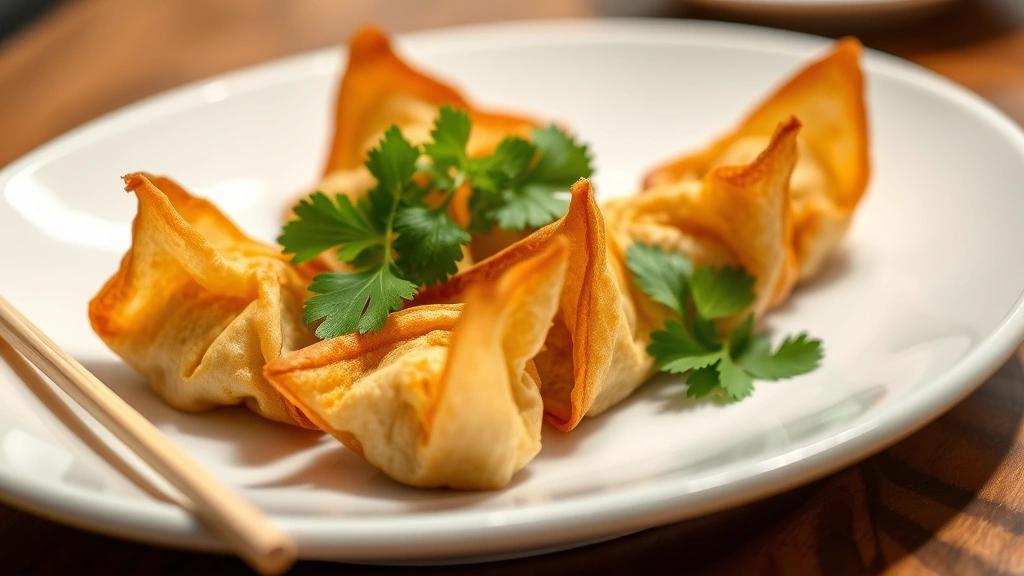
Crab rangoon has become a beloved appetizer at Asian restaurants and social gatherings, with its crispy wonton wrapper exterior and creamy crab filling captivating taste buds worldwide. However, the question many health-conscious diners ask is whether this indulgent treat aligns with nutritional wellness goals. As a popular Chinese-American fusion dish, crab rangoon presents an interesting case study in how traditional ingredients meet modern dietary concerns. Understanding the nutritional profile of this appetizer requires examining its components, preparation methods, and portion considerations within the context of broader healthy nutrition planning.
The truth about crab rangoon’s healthfulness is nuanced. While it contains protein from crab and cream cheese, the deep-frying preparation method and caloric density make it a food best enjoyed occasionally rather than regularly. Dietitians recognize that no single food is inherently “bad,” but rather that overall dietary patterns determine health outcomes. This comprehensive analysis examines crab rangoon from multiple nutritional angles, providing evidence-based insights to help you make informed choices about incorporating this dish into your eating habits.

Nutritional Breakdown of Crab Rangoon
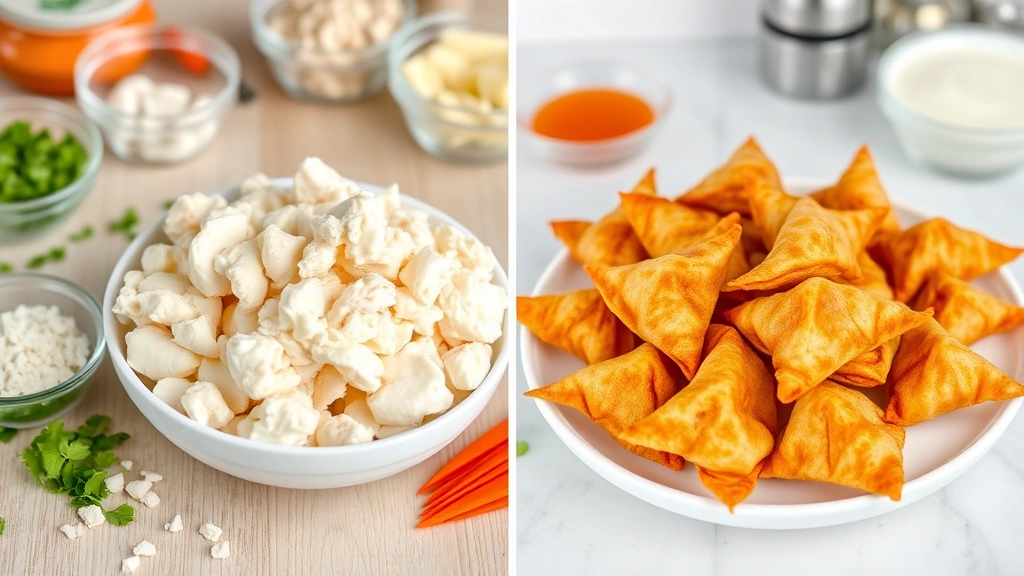
A typical serving of crab rangoon—usually consisting of 3-4 pieces or approximately 100-120 grams—contains approximately 180-220 calories. The ingredient list is deceptively simple: wonton wrappers, imitation or real crab meat, cream cheese, and seasonings like garlic, scallions, and sometimes a touch of sugar. However, when these ingredients are combined and deep-fried in oil, the nutritional profile transforms significantly.
The primary ingredients contribute different nutritional elements. Cream cheese, the binding agent in the filling, provides richness and contributes to the caloric density. Crab meat offers lean protein and essential minerals like selenium and zinc. Wonton wrappers, typically made from wheat flour, eggs, and salt, provide carbohydrates and some B vitamins. The cooking method—deep frying—introduces substantial amounts of fat, fundamentally altering the final nutritional composition.
Comparing crab rangoon to other appetizers reveals its relative position in the appetizer hierarchy. When evaluated against spring rolls, fried chicken wings, or cheese-based appetizers, crab rangoon occupies a middle ground nutritionally. Understanding where this dish fits within your broader dietary context is essential for making balanced choices about nutrient absorption and overall health.
Caloric Content and Macronutrient Analysis
The caloric density of crab rangoon stems primarily from its fat content. A single piece contains approximately 45-55 calories, with roughly 2.5-3.5 grams of fat per piece. When consuming a typical restaurant serving of 4-6 pieces, you’re looking at 180-330 calories and 10-21 grams of fat. For context, this represents approximately 15-30% of a typical 2,000-calorie daily diet in a single appetizer.
The macronutrient breakdown reveals that fat comprises roughly 50-60% of the total calories, with carbohydrates accounting for 30-40%, and protein making up 10-15%. This macronutrient distribution is heavily skewed toward fat, which is expected given the deep-frying preparation. The carbohydrate content comes primarily from the wonton wrappers, while protein derives from both the crab meat and cream cheese.
Regarding protein quality, crab rangoon provides approximately 5-8 grams of protein per serving. While this represents a meaningful protein contribution, the overall macronutrient profile is not optimally balanced for athletic performance or muscle development. The protein-to-calorie ratio is moderate, meaning you’re consuming many calories for the protein benefit received.
Sodium and Health Implications
One of the most significant nutritional concerns with crab rangoon is its sodium content. A typical serving contains 300-450 milligrams of sodium, which represents 13-20% of the recommended daily intake of 2,300 milligrams. This sodium concentration comes from multiple sources: the wonton wrapper preparation, cream cheese, crab meat (especially if imitation crab is used), and the cooking process itself.
The sodium concern becomes particularly relevant for individuals managing hypertension, heart disease, or other cardiovascular conditions. The American Heart Association emphasizes that excessive sodium intake contributes to elevated blood pressure and increased cardiovascular risk. A single appetizer serving of crab rangoon shouldn’t cause concern for most healthy individuals, but when combined with other high-sodium foods throughout the day, it contributes to cumulative intake.
Interestingly, the sodium content also raises questions about nutrition and mental health connections, as emerging research suggests dietary sodium patterns may influence certain aspects of cognitive function and mood regulation. This represents an area requiring further investigation but underscores the importance of considering sodium intake holistically.
The Impact of Deep Frying
Deep frying fundamentally transforms the nutritional profile of any food, and crab rangoon exemplifies this transformation. The cooking method introduces oxidized fats and potentially harmful compounds like acrylamide, a substance formed when foods are cooked at high temperatures. While occasional consumption of fried foods doesn’t pose significant health risks for most people, regular consumption patterns warrant consideration.
The oil used in deep frying significantly influences the final product’s nutritional quality. Restaurants typically use vegetable oils, which may be high in omega-6 polyunsaturated fats. While omega-6 fats are essential nutrients, excessive consumption relative to omega-3 fats may promote inflammation in certain individuals. The frying process also may degrade some heat-sensitive nutrients that might have been present in the raw ingredients, though this is less relevant for crab rangoon’s filling components.
Temperature control during frying matters considerably. Oil heated to appropriate temperatures (around 350-375°F for wontons) produces crispier results with less oil absorption compared to lower temperatures. However, most restaurant fryers operate continuously throughout service, potentially reaching higher temperatures that may increase the formation of potentially harmful compounds. Understanding these technical aspects helps contextualize why restaurant-prepared crab rangoon differs nutritionally from home-prepared versions.
Protein Quality and Source Evaluation
The protein in crab rangoon deserves closer examination. Real crab meat provides high-quality, complete protein containing all nine essential amino acids. However, many restaurants use imitation crab (surimi), which is processed fish product with added binders, colorants, and flavorings. While imitation crab still provides protein, it’s less nutrient-dense than genuine crab and contains additional additives.
The cream cheese component contributes additional protein, approximately 1-2 grams per ounce used. Dairy-based proteins offer excellent amino acid profiles and bioavailability, meaning your body efficiently absorbs and utilizes these proteins. The combination of crab and cream cheese creates a complete protein source, though the overall protein quantity per appetizer remains modest relative to the caloric content.
For individuals prioritizing protein intake—whether for muscle maintenance, satiety, or athletic goals—crab rangoon provides some benefit but shouldn’t be relied upon as a primary protein source. A more efficient use of calories would involve selecting dishes with higher protein-to-calorie ratios, as discussed in our comprehensive nutrition blog.
Portion Control Strategies
The primary strategy for enjoying crab rangoon within a healthy eating pattern involves deliberate portion control. Rather than avoiding crab rangoon entirely, nutritionists recommend limiting consumption to occasional indulgences—perhaps 2-3 pieces rather than a full appetizer serving. This approach maintains the pleasure and satisfaction of enjoying the food while significantly reducing caloric and sodium intake.
Pairing crab rangoon with other menu selections influences its overall dietary impact. Ordering crab rangoon alongside a vegetable-rich main course and a large salad provides nutritional balance. The fiber, vitamins, and minerals from vegetables help offset the nutrient-poor nature of the fried appetizer. This strategic combination approach allows you to enjoy foods you love while maintaining overall nutritional balance.
Restaurant context also matters. At a special occasion or celebratory meal, sharing an appetizer platter and eating a few pieces of crab rangoon fits naturally into an otherwise balanced meal pattern. In contrast, regularly consuming full appetizer servings as part of frequent dining out represents a more problematic pattern from a cumulative health perspective.
Healthier Alternatives and Modifications
Several alternatives exist for those seeking similar flavor profiles with improved nutritional profiles. Baked wonton wrappers filled with the same crab and cream cheese mixture reduce fat content by approximately 60-70% compared to deep-fried versions. While the texture differs—baked wontons are less crispy—the flavor remains largely intact, and the caloric reduction is substantial.
Another option involves modifying the filling itself. Replacing full-fat cream cheese with Greek yogurt or reduced-fat cream cheese reduces fat and calories while increasing protein content. Adding vegetables like finely minced mushrooms, water chestnuts, or bamboo shoots increases fiber and nutrient density. These modifications require preparation at home but create a healthier version suitable for regular consumption.
Steamed crab rangoon represents another alternative, though this deviates significantly from the traditional preparation. Steaming preserves the crab and cream cheese flavors while eliminating added fats entirely. The resulting texture is softer and less appealing to those who specifically enjoy the crispy exterior, but it serves as a viable option for those prioritizing nutrition over tradition.
Incorporating Into a Balanced Diet
The fundamental question isn’t whether crab rangoon is inherently “healthy” or “unhealthy,” but rather how it fits within your overall dietary pattern. From a dietitian’s perspective, occasional consumption of crab rangoon—2-3 times monthly in modest portions—poses no significant health risk for most individuals. This approach acknowledges that food serves social and emotional functions beyond pure nutrition.
Incorporating crab rangoon occasionally requires awareness of your overall caloric and nutritional intake. If you enjoy crab rangoon at a restaurant meal, you might reduce caloric intake from other meal components. Alternatively, you might increase physical activity that day to offset the additional calories. These flexible approaches maintain nutritional balance without requiring absolute restriction.
For individuals with specific health conditions—hypertension, diabetes, heart disease, or obesity—more careful consideration of crab rangoon consumption is warranted. Working with a registered dietitian helps develop personalized guidelines that account for your unique health status, dietary preferences, and lifestyle factors. This individualized approach surpasses generic nutritional advice in creating sustainable, health-promoting eating patterns.
Understanding your personal relationship with food also matters. If crab rangoon represents a food you deeply enjoy, completely eliminating it may create feelings of deprivation that undermine long-term dietary adherence. Instead, intentional, mindful consumption of small portions supports both nutritional goals and psychological wellbeing. This balanced perspective aligns with modern nutritional science emphasizing sustainability over perfection.
FAQ
How many calories are in crab rangoon?
A typical serving of 3-4 crab rangoon pieces contains 180-220 calories, with individual pieces ranging from 45-55 calories each. Restaurant servings vary based on size and filling quantity, so requesting nutrition information from your specific restaurant provides the most accurate data for your meal.
Is crab rangoon high in fat?
Yes, crab rangoon is relatively high in fat due to deep frying. A serving typically contains 10-21 grams of fat, representing approximately 50-60% of total calories. This fat content makes it an indulgent food best consumed occasionally rather than regularly.
How much sodium does crab rangoon contain?
A typical serving contains 300-450 milligrams of sodium, representing 13-20% of the recommended daily intake. This sodium concentration comes from the wonton wrappers, cream cheese, crab meat, and cooking process. Individuals managing hypertension should limit consumption.
Can I make healthier crab rangoon at home?
Absolutely. Baking rather than frying reduces fat by 60-70%. Substituting Greek yogurt for cream cheese increases protein while reducing fat. Adding vegetables to the filling boosts fiber and nutrients. These modifications create a healthier version suitable for more frequent consumption.
Is imitation crab healthier than real crab?
Real crab offers superior nutritional value with higher micronutrient density and no additives. Imitation crab (surimi) provides protein but contains added binders, colorants, and flavorings. For maximum nutritional benefit, genuine crab is preferable, though imitation crab remains acceptable occasionally.
How often can I eat crab rangoon?
For most healthy individuals, 2-3 servings monthly in modest portions poses no health risk. Those with hypertension, heart disease, or obesity should limit consumption further and consult with healthcare providers about personalized guidelines based on their specific health status.
What makes crab rangoon unhealthy?
The primary concerns are deep frying (adding excessive fat), high sodium content, and caloric density relative to nutritional value. While these factors make crab rangoon an indulgent food, occasional consumption within a balanced diet doesn’t compromise health for most people.
Are there nutritional benefits to crab rangoon?
Crab rangoon provides complete protein with all essential amino acids, plus minerals like selenium and zinc from the crab meat. Cream cheese contributes calcium and vitamin B12. However, these benefits are modest relative to the caloric and fat content, making it primarily a pleasure food rather than a nutrient-dense choice.


