Crab Rangoon Calories: Dietitian Insights on Nutritional Value
Crab rangoon, the beloved crispy appetizer found in Chinese-American restaurants across the country, presents an interesting nutritional puzzle. While undeniably delicious, these cream cheese and crab-filled wontons pack surprising caloric density that warrants closer examination. Understanding the nutritional breakdown of crab rangoon helps you make informed dining decisions and incorporate this indulgent treat into a balanced eating approach.
Whether you’re a casual takeout enthusiast or someone tracking macronutrients for fitness goals, the nutritional profile of crab rangoon deserves attention. This guide explores calorie content, macronutrient composition, and practical strategies for enjoying this appetizer responsibly while maintaining your health objectives.

Crab Rangoon Calories: The Complete Breakdown
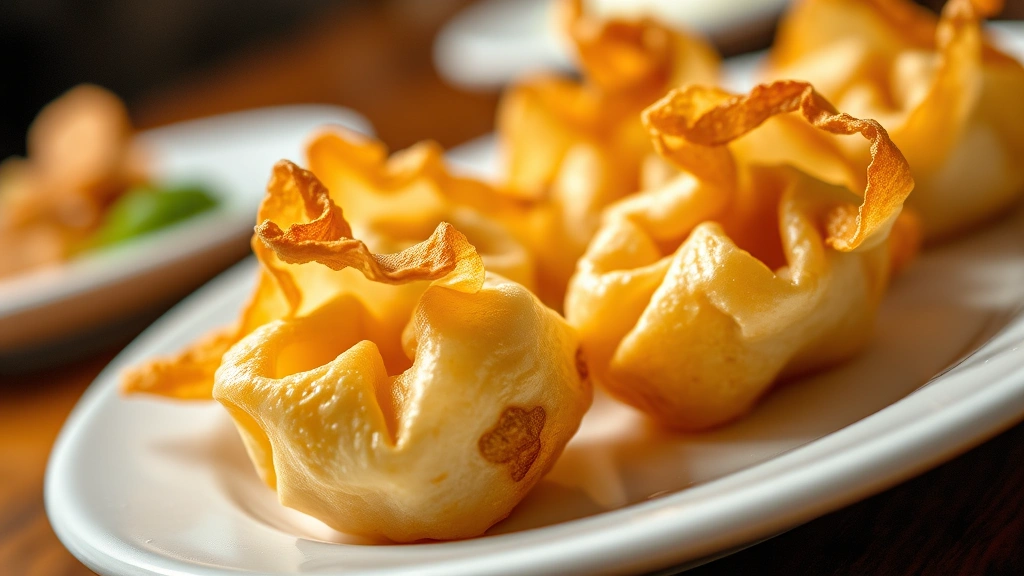
A typical crab rangoon piece contains approximately 45-60 calories, though this varies based on preparation method and size. When restaurants serve crab rangoon, they typically present 6-8 pieces as a single appetizer portion, bringing the total to roughly 270-480 calories per serving. This substantial caloric load comes primarily from deep frying, which significantly increases energy density compared to the raw ingredients.
The variation in calorie content depends on several factors: frying oil temperature and duration, filling ratios, wrapper thickness, and whether the restaurant uses standard wonton wrappers or thicker variations. Some upscale restaurants prepare larger, more generously filled pieces, pushing individual pieces toward 70-80 calories. Conversely, smaller versions at casual establishments might contain only 35-40 calories each.
According to nutritional databases tracking restaurant foods, the average crab rangoon appetizer represents 13-24% of a 2,000-calorie daily intake—a significant portion for what many consider a simple starter. This makes understanding portion control and frequency of consumption particularly important for those managing weight or maintaining specific dietary targets.
When examining crab rangoon through a healthy nutrition plan perspective, context matters considerably. A single serving occasionally fits into most dietary approaches; regular consumption without adjustment elsewhere creates caloric surplus challenges.

Nutritional Composition and Macronutrients
Beyond calories, crab rangoon’s nutritional profile reveals important macronutrient patterns. A typical 6-piece serving contains approximately:
- Protein: 8-12 grams (primarily from crab and cream cheese)
- Carbohydrates: 20-28 grams (from wonton wrappers)
- Fat: 14-22 grams (from frying oil and cream cheese)
- Fiber: 0-1 gram (negligible)
The protein content provides some nutritional value, offering amino acids necessary for muscle maintenance and tissue repair. However, the protein-to-calorie ratio isn’t particularly favorable compared to lean proteins. The carbohydrate contribution comes entirely from refined wonton wrappers, providing minimal fiber and limited sustained energy.
Examining macronutrient ratios reveals that approximately 45-50% of crab rangoon’s calories derive from fat, 25-30% from carbohydrates, and 10-15% from protein. This distribution skews toward fat, creating a calorie-dense food with limited satiety compared to protein or fiber-rich alternatives. Research on nutrition for athletes and performance optimization demonstrates that macronutrient balance significantly impacts satiety and sustained energy.
The carbohydrate quality presents another consideration. Wonton wrappers contain refined wheat flour without whole grain benefits. This means crab rangoon provides rapid blood sugar elevation without the fiber necessary for stable energy maintenance. For individuals managing blood sugar or following low-glycemic approaches, this represents a notable limitation.
Understanding the Fat Content
Fat comprises the largest single macronutrient contributor to crab rangoon’s caloric density. The deep-frying preparation method introduces significant amounts of oil, transforming relatively modest raw ingredients into calorie-concentrated bites. A single crab rangoon piece absorbs approximately 8-12 grams of frying oil per piece, depending on cooking duration and oil temperature.
The fat composition matters significantly for health implications. Most restaurant frying uses vegetable oils high in omega-6 polyunsaturated fats. While not inherently harmful, excessive omega-6 consumption relative to omega-3 fats creates inflammatory patterns when consumed regularly. The saturated fat content from cream cheese further contributes to total fat intake.
A 6-piece serving typically contains 5-8 grams of saturated fat, representing 25-40% of the American Heart Association’s recommended daily limit for many adults. When crab rangoon appears alongside other restaurant foods (fried rice, sweet and sour sauce, spring rolls), total saturated fat intake escalates rapidly.
The trans fat situation has improved significantly since restaurant industry shifts away from partially hydrogenated oils. However, some establishments and frozen commercial varieties may still contain trace amounts. Checking ingredient lists and asking restaurants about their frying oil practices provides clarity on this factor.
Sodium Concerns and Health Implications
Perhaps the most concerning nutritional aspect of crab rangoon involves sodium content. A typical 6-piece appetizer contains 400-700 milligrams of sodium, representing 17-30% of the 2,300-milligram daily recommendation. This high sodium load derives from multiple sources: crab meat preservation, cream cheese formulation, soy sauce in filling recipes, and salt added during frying.
Regular consumption of high-sodium appetizers contributes to elevated blood pressure, increased cardiovascular disease risk, and fluid retention. Research from the American Heart Association consistently demonstrates that sodium reduction represents one of the most impactful dietary modifications for cardiovascular health improvement.
Individuals with hypertension, heart disease, or kidney conditions require particular caution with crab rangoon consumption. A single appetizer consumes a substantial portion of sodium allowance, limiting flexibility for other meals that day. This makes advance planning essential when incorporating restaurant appetizers into sodium-restricted diets.
The sodium concentration also affects hydration status and can trigger water retention, particularly in individuals sensitive to salt intake. Athletes and fitness enthusiasts tracking body composition should account for temporary weight fluctuations following high-sodium meals.
Key Ingredients and Their Impact
Understanding individual ingredients clarifies why crab rangoon carries particular nutritional characteristics. The primary components include:
Cream Cheese: The primary filling base, cream cheese contributes most fat and saturated fat. Standard crab rangoon uses 2-3 tablespoons of cream cheese per serving, adding 150-200 calories and 8-12 grams of fat. While providing calcium and some protein, cream cheese’s caloric density means small quantities create substantial energy contributions.
Crab Meat: Often imitation crab (surimi) rather than genuine crab, this ingredient adds protein and umami flavor. Imitation crab contains added sugars, binding agents, and sodium, though genuine lump crab provides superior nutritional quality with better protein-to-calorie ratios.
Wonton Wrappers: These thin pasta sheets contribute carbohydrates and minimal fiber. Each wrapper contains roughly 8-12 calories, with a 6-piece serving requiring 6-8 wrappers. Whole grain wonton alternatives exist but remain uncommon in traditional restaurants.
Frying Oil: The cooking medium transforms ingredients into a calorie-dense preparation. Approximately 50-60% of final crab rangoon calories derive directly from absorbed frying oil, making cooking method the single largest nutritional determinant.
Seasonings and Additives: Soy sauce, sesame oil, ginger, and garlic add flavor with minimal calories but contribute significant sodium. Some recipes include sugar or sweet chili sauce, adding simple carbohydrates.
Smart Portion Strategies
Enjoying crab rangoon while maintaining nutritional goals requires intentional strategies. Rather than complete avoidance, strategic consumption allows appreciation of this appetizer within balanced approaches:
Establish Clear Portion Limits: Commit to specific quantities before ordering. Three pieces instead of six reduces caloric intake by 50% while still providing the crab rangoon experience. This requires discipline but prevents unconscious overconsumption.
Share Appetizers: Order crab rangoon as a shared appetizer across the table rather than individual portions. This naturally reduces individual consumption while maintaining social dining enjoyment.
Pair with Lighter Mains: If consuming crab rangoon, select lighter main courses (steamed chicken, vegetable-based dishes) rather than fried options. This balances overall meal caloric and nutritional content.
Frequency Moderation: Rather than restricting portions when consumed, moderate consumption frequency. Enjoying crab rangoon monthly rather than weekly dramatically reduces overall impact while maintaining occasional indulgence.
Timing Considerations: Consume crab rangoon earlier in the day when additional caloric intake poses less challenge to daily targets. Avoid late-evening consumption, which can disrupt sleep quality and satiety regulation.
Examining your broader nutrition and mental health connection reveals that rigid food restriction often backfires psychologically. Strategic indulgence of enjoyed foods maintains dietary adherence better than complete elimination approaches.
Healthier Preparation Alternatives
Several modifications reduce crab rangoon’s nutritional burden while maintaining appeal. Home preparation offers particular advantages:
Air Frying Method: Air fryers reduce oil absorption by 75-90% compared to deep frying. Air-fried crab rangoon contains 100-150 calories per piece versus 45-60 for deep-fried versions. This modification provides dramatic caloric reduction while maintaining crispy texture.
Baking Approach: Oven-baking at 400°F for 12-15 minutes produces acceptable texture with minimal oil. Lightly brushing wrappers with oil spray provides crispiness without deep-frying absorption. Baked versions contain roughly 80-120 calories per piece.
Filling Modifications: Reducing cream cheese by 25-50% and increasing crab meat ratio lowers caloric density. Adding finely chopped water chestnuts, bamboo shoots, or shiitake mushrooms increases volume and fiber without substantial caloric increase. Low-fat cream cheese alternatives reduce saturated fat by 30-40%.
Wrapper Selection: Whole wheat wonton wrappers (available at specialty markets) increase fiber content from negligible to 1-2 grams per piece. While less traditional, they improve nutritional profile meaningfully.
Seasoning Enhancements: Increasing ginger, garlic, and white pepper reduces reliance on salt and sweet sauces. This improves flavor complexity while reducing sodium and added sugars.
For those seeking restaurant alternatives, requesting baked preparation or smaller portions demonstrates that establishments increasingly accommodate nutritional preferences when requested respectfully.
FAQ
How many calories are in crab rangoon?
A single crab rangoon piece contains 45-60 calories, while a typical 6-piece appetizer serving contains 270-480 calories. Variation depends on size, filling ratio, and frying method. Homemade versions prepared by baking or air frying contain 30-50% fewer calories than traditionally deep-fried restaurant versions.
Is crab rangoon protein-rich?
Crab rangoon provides moderate protein at 8-12 grams per 6-piece serving, primarily from crab and cream cheese. However, the protein-to-calorie ratio isn’t particularly favorable. Leaner proteins like grilled chicken or fish provide superior protein density relative to caloric content.
Can I eat crab rangoon on a diet?
Yes, strategic consumption allows crab rangoon within most dietary approaches. Limiting portions to 2-3 pieces, reducing overall meal calories elsewhere, and moderating consumption frequency enables enjoyment without derailing progress. Focus on portion control rather than complete elimination.
What’s the sodium content in crab rangoon?
A 6-piece crab rangoon serving contains 400-700 milligrams of sodium, representing 17-30% of daily recommendations. Individuals with hypertension or heart conditions should account for this substantial sodium load when planning meals.
Are homemade crab rangoon healthier?
Homemade crab rangoon can be significantly healthier through cooking method modifications. Air frying reduces calories by 75-90%, while baking reduces them by 50-70%. Additionally, controlling filling ingredients (reducing cream cheese, using real crab) improves nutritional quality substantially.
What’s the difference between crab rangoon and cream cheese wonton?
Crab rangoon specifically includes crab meat (often imitation) mixed with cream cheese. Cream cheese wontons contain only cream cheese filling. Both share similar caloric profiles, though crab rangoon provides additional protein from crab content.
How does crab rangoon fit into balanced nutrition?
Crab rangoon works within balanced nutrition through moderation and strategic pairing. Occasional consumption (monthly rather than weekly), portion control (3-4 pieces rather than 6-8), and selection of lighter main courses allows enjoyment while maintaining nutritional goals. The nutrition facts label generator helps track daily totals when incorporating restaurant foods.
Can athletes include crab rangoon in their diet?
Athletes can include crab rangoon occasionally, though timing matters significantly. Consuming crab rangoon several hours before intense exercise provides quick carbohydrates and calories. Post-workout, lean protein sources offer superior muscle recovery support. High sodium content may impact hydration status for endurance athletes.
What sauces pair with crab rangoon lowest in calories?
Sweet and sour sauce typically contains 30-50 calories per tablespoon, while sweet chili sauce contains similar amounts. Soy sauce provides flavor at minimal calories (10 per tablespoon) but contributes substantial sodium. Vinegar-based or mustard-based dipping sauces offer flavor with fewer calories and less sodium than sweet preparations.