Cracker Barrel Nutrition: Dietitian’s Insights
Cracker Barrel Old Country Store has become a beloved destination for comfort food enthusiasts across North America, but navigating the nutritional landscape of this restaurant chain requires informed decision-making. As a dietitian analyzing menu options, I’ve discovered that while traditional fare dominates the offerings, there are strategic choices that allow patrons to enjoy their dining experience while maintaining nutritional awareness. Understanding Cracker Barrel nutrition means recognizing both the caloric density of signature dishes and identifying modifications that support health-conscious eating.
The restaurant’s menu reflects classic American comfort cuisine—fried chicken, biscuits, gravy, and hearty entrees that tend toward higher sodium, saturated fat, and caloric content. However, the chain has gradually expanded options to accommodate dietary preferences, making it possible to construct meals aligned with various nutritional goals. This comprehensive guide examines Cracker Barrel’s nutritional profile, highlights menu items worth considering, and provides practical strategies for making balanced choices when dining at this chain.
Cracker Barrel Menu Overview and Nutritional Landscape
Cracker Barrel’s menu architecture centers on traditional Southern and American comfort food, which inherently presents nutritional challenges for dietitians and health-conscious diners. The restaurant’s identity is built on nostalgia and indulgence, creating an environment where calorie-dense, sodium-heavy, and fat-rich foods are normalized. Understanding this context helps explain why many menu items exceed recommended daily values for various nutrients in a single meal.
The chain provides nutritional information for most menu items, which is a significant advantage for patrons seeking transparency. Accessing this data through their website or requesting it at the restaurant enables informed decision-making. According to American Heart Association guidelines, restaurant meals frequently contribute excessive sodium and saturated fat to daily intake, and Cracker Barrel is no exception to this trend.
A typical Cracker Barrel entree ranges from 800 to 1,500 calories, with many including sides that push meals toward 2,000+ calories—potentially representing an entire day’s caloric needs for some individuals. Saturated fat content often reaches 40-60% of daily recommendations in a single meal, while sodium frequently exceeds 100% of the recommended 2,300 mg daily limit. These figures underscore why strategic menu navigation is essential.
The restaurant does offer some nutritionally superior options, though they require deliberate selection. Grilled proteins, vegetable-based sides, and salads provide alternatives to the fried and heavily sauced standard offerings. Additionally, Cracker Barrel’s willingness to accommodate special requests—such as preparing items without added butter or serving dressings on the side—enables further customization aligned with personalized nutrition solutions.
Breakfast Options: Starting Your Day Right
Breakfast at Cracker Barrel presents both opportunities and pitfalls. The restaurant’s pancakes, biscuits, and country-fried preparations are caloric anchors that can establish a trajectory toward excessive daily intake if not selected carefully. However, eggs—a nutritionally dense protein source—appear throughout the menu and can form the foundation of a balanced breakfast.
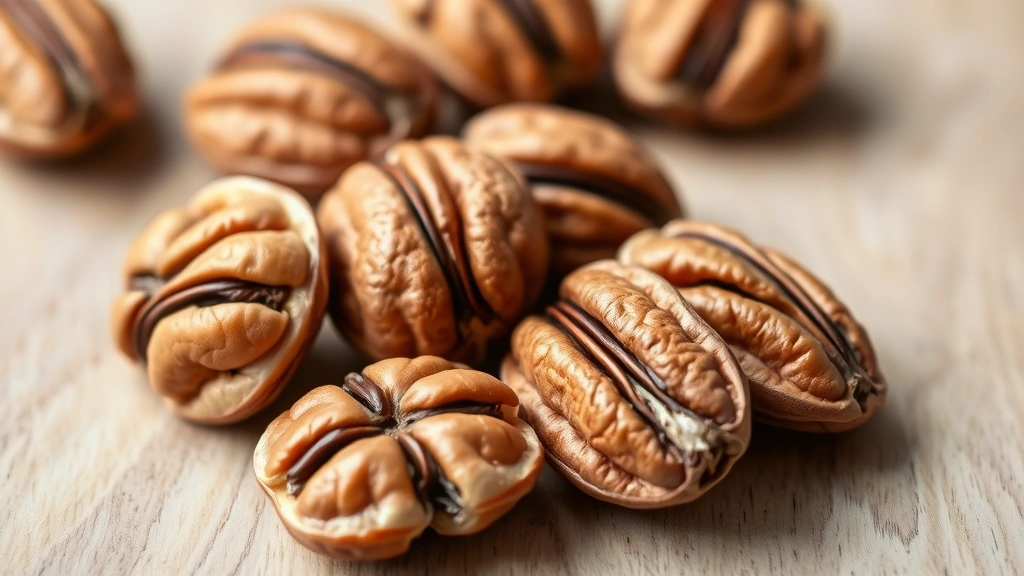
The Pecan Pie Pancakes exemplify the indulgent approach: approximately 1,160 calories, 48g fat, and 19g saturated fat before considering the accompanying sides and butter. In contrast, a custom egg-based breakfast offers superior nutritional density. Requesting two scrambled eggs (approximately 140 calories, 10g protein) with whole wheat toast and fresh fruit creates a 400-500 calorie breakfast that provides sustained satiety through protein and fiber.
Cracker Barrel’s Country Breakfast Sampler, while substantial, allows portion control if diners eat selectively. Consuming the eggs and turkey sausage while minimizing biscuits and gravy reduces caloric burden significantly. This approach demonstrates how understanding individual component nutritional values enables strategic consumption within a restaurant environment.
The oatmeal option, if available and not laden with added sugars, represents a fiber-rich choice supporting digestive health and sustained energy. Requesting brown sugar on the side rather than pre-mixed allows portion control of added sugars. Pairing oatmeal with a protein source—such as turkey sausage or eggs—enhances the meal’s ability to maintain satiety throughout the morning, supporting the principles outlined in our tips for meal planning resource.
Beverages deserve attention during breakfast ordering. Coffee or tea without added cream and sugar provide negligible calories, while specialty coffee drinks and juices can contribute 200-400 calories before the meal begins. This distinction significantly impacts daily caloric balance.
Lunch and Dinner Entrees: Making Smart Selections
The lunch and dinner portions of Cracker Barrel’s menu showcase the restaurant’s identity most prominently. Fried chicken, meatloaf, country-fried steak, and similar items dominate, each presenting substantial nutritional challenges. However, the menu does include grilled options that merit consideration.
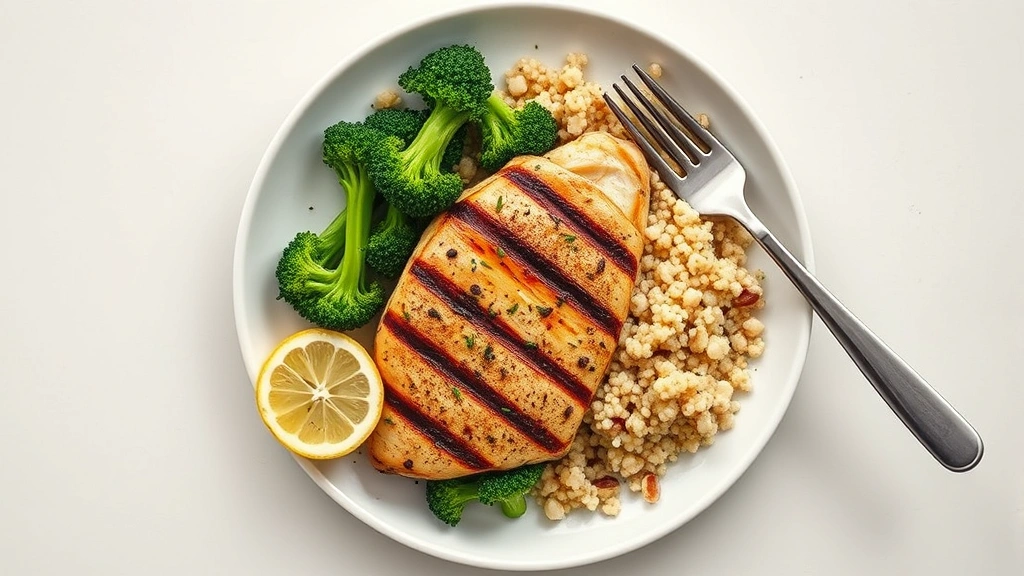
The Grilled Chicken Tenders represent a more favorable protein selection compared to their fried counterparts, reducing fat content by approximately 50% while maintaining similar protein delivery. Choosing grilled preparations over breaded and fried versions consistently reduces caloric density and saturated fat intake. This principle applies across menu categories—grilled fish, grilled chicken breast, and similar preparations offer nutritional advantages.
Meatloaf, while appearing indulgent, provides reasonable protein-to-calorie ratios if portions are controlled and heavy gravy consumption is minimized. A 6-ounce serving of meatloaf (approximately 400-450 calories) paired with vegetable sides creates a balanced meal. The key involves declining the traditional mashed potatoes dripping with butter and gravy in favor of steamed vegetables or a simple salad.
Turkey-based entrees provide leaner protein options compared to beef or pork preparations. If Cracker Barrel offers turkey dishes, these typically deliver 30-35g protein with lower saturated fat than equivalent beef portions. Examining the preparation method remains critical—roasted turkey breast significantly outperforms turkey items prepared with cream sauces or extensive breading.
The restaurant’s sandwiches warrant careful evaluation. Many exceed 1,000 calories due to generous portions, high-fat meats, and mayonnaise-based condiments. Requesting modifications—such as removing half the bread, substituting mayo with mustard, or adding lettuce and tomato—reduces caloric burden while maintaining satisfaction. This aligns with strategies discussed in our comprehensive healthy nutrition plan guide.
Understanding portion sizes proves essential. Restaurant entrees typically exceed standard serving sizes by 50-100%, contributing to caloric excess. Requesting a half-portion, sharing with a dining companion, or consuming only 75% of the meal and requesting a to-go container for remainder enables caloric control without deprivation.
Sides, Salads, and Lighter Choices
Side dishes often represent the hidden caloric burden in restaurant meals. Cracker Barrel’s mac and cheese, fried okra, and biscuits—while delicious—can contribute 300-500 calories each to a meal’s total. Strategic side selection dramatically impacts overall nutritional outcomes.
Vegetable sides, when available without cream sauces or excessive butter, provide fiber, micronutrients, and satiety with minimal caloric density. Green beans, steamed vegetables, and vegetable medleys offer nutritional density at 50-100 calories per serving. Requesting vegetables prepared without added butter or sauce further optimizes nutritional profile.
Salads present opportunities if constructed thoughtfully. A grilled chicken salad with vinaigrette dressing (rather than creamy options) delivers protein, fiber, and micronutrients within reasonable caloric parameters. However, many restaurant salads exceed 800 calories due to generous cheese, croutons, nuts, and heavy dressings. Requesting dressing on the side, declining croutons, and limiting cheese enables salad-based meals aligned with nutritional objectives.
The restaurant’s commitment to traditional sides means vegetable options may be limited. Requesting side salad substitutions for fried or butter-heavy items demonstrates how special requests enable menu customization. Most establishments, including Cracker Barrel, accommodate such modifications when requested politely.
Baked potatoes, if available without loaded toppings, provide complex carbohydrates and potassium. However, the restaurant’s tendency toward generous butter, sour cream, and cheese additions transforms a 100-calorie vegetable into a 400+ calorie side dish. Requesting toppings separately allows portion control.
Bread and biscuits warrant specific attention. While culturally significant to Cracker Barrel’s identity, these items contribute significant calories and sodium without corresponding nutritional density. Consuming one biscuit rather than multiple, or declining bread entirely and requesting additional vegetables, reduces sodium intake and creates space for more nutrient-dense foods within caloric budgets.
Beverages and Hidden Caloric Pitfalls
Beverage selection significantly impacts overall meal nutritional quality, yet often receives insufficient attention. Sweet tea, a Southern staple prominently featured at Cracker Barrel, typically contains 150-250 calories per 16-ounce serving due to added sugars. Consuming sweet tea alongside a calorie-dense entree and sides can push meals toward 2,200+ calories before dessert.
Water, unsweetened iced tea, and black coffee represent zero-calorie options that support hydration without metabolic burden. Requesting these beverages as defaults, rather than sweetened alternatives, reduces daily caloric intake substantially. Over a week of dining out, this single change can create a 1,000+ calorie deficit.
Soft drinks present similar challenges, with a single 20-ounce serving contributing 240-280 calories of added sugar. The American Heart Association recommends limiting added sugars to 25g daily for women and 36g for men—a single soft drink exceeds these targets. Substituting sugary beverages with water, unsweetened tea, or diet alternatives (if acceptable within individual preferences) dramatically improves meal nutritional outcomes.
Alcoholic beverages, if consumed, add caloric burden and may impair judgment regarding food selections. Beer contributes 150-200 calories per 12-ounce serving, while mixed drinks frequently exceed 300 calories. Limiting alcohol consumption or selecting lower-calorie options (light beer, spirits with soda water) aligns with overall nutritional management.
Coffee beverages with added cream, sugar, and syrups can rival entree caloric content. A flavored latte might contribute 300-400 calories, transforming a simple beverage into a substantial meal component. Requesting black coffee or coffee with minimal additions maintains the beverage’s role as a flavor enhancer rather than a caloric contributor.
Sodium Content and Heart Health Considerations
Sodium represents perhaps the most significant nutritional concern with Cracker Barrel dining. The American Heart Association recommends 2,300 mg daily sodium, yet individual Cracker Barrel entrees frequently contain 1,500-2,500 mg—approaching or exceeding full-day recommendations in a single meal. This pattern poses particular concern for individuals managing hypertension or cardiovascular disease.
The sodium concentration stems from multiple sources: cured meats (bacon, sausage), processed sides (canned vegetables, pre-made sauces), bread products, and cooking techniques utilizing salted butter and seasoning blends. A country breakfast might deliver 2,000+ mg sodium before any beverage or side consumption, establishing excessive daily intake from a single meal.
Strategies for sodium reduction include requesting items prepared without added salt, declining cured meats in favor of fresh proteins, and minimizing bread consumption. Additionally, requesting nutritional information allows identification of lower-sodium options that may exist within the menu. Pairing restaurant meals with low-sodium meals during other daily eating occasions helps balance overall intake.
For individuals with hypertension, diabetes, or other cardiovascular conditions, Cracker Barrel dining requires heightened awareness and strategic selection. Consulting with personalized nutrition solutions before frequenting high-sodium establishments helps establish individual sodium targets and selection strategies aligned with medical recommendations.
Research from CDC nutrition surveillance data demonstrates that restaurant meals contribute disproportionately to daily sodium intake, with casual dining chains like Cracker Barrel representing significant sources. Awareness of this pattern enables conscious compensation through low-sodium meal preparation at home.
Strategies for Dining Out Successfully
Successfully navigating Cracker Barrel’s menu while maintaining nutritional objectives requires preparation and intentional decision-making. Reviewing nutritional information before arrival enables informed selections rather than impulse ordering based on visual appeal or social influence.
Implementing the “plate method”—allocating 50% of the plate to vegetables, 25% to lean protein, and 25% to complex carbohydrates—provides a framework for balanced meal construction. While Cracker Barrel’s menu may not perfectly accommodate this approach, requesting modifications moves selections closer to this ideal balance. Requesting double vegetables instead of fried sides, grilled protein instead of breaded options, and whole grain bread when available implements this strategy within restaurant constraints.
Portion control strategies include consuming only 75% of the entree, sharing meals with dining companions, or requesting half-portions if available. Most restaurants provide to-go containers enabling consumption of half the meal during a subsequent eating occasion. This approach maintains satisfaction and social engagement while preventing excessive caloric intake.
Timing considerations matter significantly. Eating a small, protein-rich snack before dining—such as Greek yogurt or nuts—reduces hunger-driven overeating. Additionally, eating slowly, engaging in conversation, and pausing mid-meal to assess satiety cues prevents mindless consumption of excessive quantities.
Beverage selection deserves dedicated attention and intentional ordering. Specifying water, unsweetened tea, or black coffee immediately upon seating establishes the default, reducing likelihood of consuming calorie-dense alternatives. This single behavioral change substantially impacts overall meal nutritional outcomes.
Understanding that “perfect” nutrition at restaurants is impossible reduces pressure and enables realistic goal-setting. Aiming for “reasonably balanced” meals—incorporating protein, vegetables, and whole grains where possible—rather than attempting optimal nutrition acknowledges restaurant environment constraints while maintaining progress toward health objectives. This perspective aligns with the sustainable approach discussed in our nutrition for athletes resource, which emphasizes consistency over perfection.
Frequency considerations impact overall nutritional outcomes more substantially than individual meal composition. Dining at Cracker Barrel once monthly presents minimal nutritional concern, while weekly visits accumulate excessive sodium, saturated fat, and calories substantially impacting health metrics. Limiting restaurant dining frequency and prioritizing home meal preparation provides the greatest nutritional benefit.
For individuals managing specific health conditions, consulting healthcare providers or registered dietitians before establishing regular restaurant dining patterns ensures selections align with medical recommendations. Personalized guidance proves invaluable for those with hypertension, diabetes, hyperlipidemia, or other conditions influenced by dietary composition.
The principles of nutrient absorption suggest that consuming restaurant meals alongside whole foods at other eating occasions—such as pairing a restaurant dinner with vegetable-rich breakfast and snacks—optimizes overall nutrient intake despite individual meal composition limitations.
Social aspects of dining deserve acknowledgment. Restaurants provide community, celebration, and social connection that extend beyond nutritional considerations. Viewing restaurant meals within this broader context—rather than purely through a nutritional lens—enables balanced perspective. The goal involves enjoying dining experiences while maintaining awareness of nutritional consequences and implementing strategic selections that support long-term health objectives.
” alt=”Dietitian analyzing restaurant menu nutritional composition with tablet and food documentation” style=”width: 100%; max-width: 600px; height: auto;”>
Professional guidance proves invaluable for individuals struggling with restaurant meal navigation. Registered Dietitian Nutritionists can provide personalized meal planning strategies, help identify acceptable menu items within specific health parameters, and address behavioral patterns contributing to excessive caloric or sodium intake. This professional support transforms restaurant dining from a source of nutritional stress into a manageable component of overall dietary patterns.
Mobile applications enabling real-time nutritional tracking can support mindful ordering. Entering items before ordering provides immediate feedback regarding caloric and sodium content, enabling informed decision-making at the point of selection. This technological approach appeals to data-driven individuals seeking concrete guidance during restaurant dining.
Accountability partnerships—such as dining with health-conscious companions who support nutritional objectives—enhance adherence to strategic selections. Social influence substantially impacts food choices; surrounding oneself with individuals prioritizing nutritional awareness increases likelihood of making aligned decisions rather than defaulting to indulgent options.
FAQ
What is the lowest-calorie entree at Cracker Barrel?
Grilled chicken options typically represent the lowest-calorie entrees, generally ranging from 500-700 calories depending on preparation and accompanying sides. Requesting vegetable sides instead of fried options further reduces caloric content. Specific calorie counts vary, so reviewing current nutritional information ensures accuracy.
Can I request modifications at Cracker Barrel to reduce sodium?
Yes, most restaurants accommodate special requests. Requesting items prepared without added salt, declining cured meats, and minimizing bread consumption reduces sodium substantially. Contacting the restaurant in advance regarding specific sodium reduction needs may enable kitchen preparation strategies aligned with your requirements.
Are there vegetarian options with adequate protein at Cracker Barrel?
Cracker Barrel’s vegetarian options are limited compared to protein-forward selections. Egg-based dishes, cheese-containing items, and bean-based sides provide protein for vegetarian diners. Salads with cheese or legumes, if available, offer additional plant-based protein sources. Reviewing current menu offerings and requesting modifications enables construction of adequate vegetarian meals.
How can I balance a high-calorie restaurant meal with overall daily intake?
Consuming lighter meals during other eating occasions compensates for restaurant meal caloric density. Eating a vegetable-based breakfast and snacks, then enjoying a restaurant dinner, maintains overall daily balance. Additionally, increasing physical activity on dining days creates caloric deficit offsetting restaurant meal excess.
What beverage choices support nutritional objectives at Cracker Barrel?
Water, unsweetened iced tea, and black coffee provide zero-calorie options supporting hydration without metabolic burden. These beverages represent optimal choices for nutritional management, while sweet tea, soft drinks, and specialty coffee beverages contribute substantial calories and added sugars.
How frequently can I dine at Cracker Barrel while maintaining nutritional objectives?
Frequency depends on individual health goals, dietary patterns, and overall caloric/sodium requirements. Monthly restaurant dining typically presents minimal nutritional concern, while weekly visits accumulate excessive sodium and calories substantially impacting health metrics. Consulting healthcare providers regarding appropriate restaurant dining frequency aligned with personal health objectives provides personalized guidance.
Does Cracker Barrel provide nutrition information online?
Yes, Cracker Barrel makes nutritional information available through their website and at physical locations. Accessing this information before dining enables informed decision-making regarding menu selections aligned with personal nutritional objectives.