
Cracker Barrel Nutrition: Dietitian Insights and Menu Analysis
Cracker Barrel Old Country Store restaurants have become a cultural staple across America, serving comfort food to millions of visitors annually. However, navigating the nutrition landscape of this beloved chain requires informed decision-making. As a dietitian resource, understanding Cracker Barrel nutrition information empowers diners to make choices aligned with their health goals while still enjoying the restaurant’s signature offerings. This comprehensive guide examines menu items, nutritional breakdowns, and expert recommendations for maintaining dietary balance at Cracker Barrel.
The challenge many face when dining at casual restaurant chains involves the hidden calories, sodium, and saturated fats lurking in seemingly innocent comfort food dishes. Cracker Barrel’s menu, rich in Southern-inspired cuisine, tends toward indulgence—a quality that defines its appeal but complicates nutritional awareness. Understanding portion sizes, preparation methods, and ingredient compositions helps diners make strategic selections that satisfy cravings without derailing wellness objectives.
Understanding Cracker Barrel’s Nutritional Landscape
Cracker Barrel’s menu reflects traditional American comfort cuisine, with heavy reliance on fried preparation methods, butter-based sauces, and cheese-forward dishes. According to nutrition research institutions, casual dining chains typically serve meals exceeding recommended daily caloric intake in single seatings. A typical Cracker Barrel entree ranges from 800 to 1,400 calories before accounting for sides, bread, and beverages.
The restaurant does provide detailed nutrition facts through its website and in-store materials, allowing informed decision-making. Macronutrient composition tends heavily toward carbohydrates and fats, with many items containing 40-60% of daily saturated fat recommendations in a single meal. Sodium levels frequently exceed 2,000 milligrams per entree, approaching or surpassing daily limits established by health organizations.
Understanding these baseline realities enables strategic menu navigation. Rather than viewing Cracker Barrel dining as a nutritional loss, informed patrons can identify relatively balanced options and employ modification strategies to reduce caloric density while maintaining satisfaction.
Breakfast Menu Analysis and Healthier Choices
Breakfast represents an opportunity for more controlled nutritional choices at Cracker Barrel. The pancake and waffle offerings, while indulgent, can be modified through portion awareness and strategic side selection. A standard pancake plate delivers approximately 1,000-1,200 calories with the included butter and syrup, but ordering without the accompanying meat and requesting fruit instead creates a more balanced 600-700 calorie breakfast.
The egg-based selections provide superior protein density compared to carbohydrate-heavy options. A vegetable omelet with toast and fruit contains roughly 500-650 calories while delivering 20+ grams of protein, supporting satiety and stable blood sugar throughout the morning. This aligns with principles of building a healthy nutrition plan that emphasizes protein-rich breakfast foundations.
Hash browns and country-fried potatoes, staple Cracker Barrel sides, contain 300-400 calories per serving with minimal nutritional benefit beyond carbohydrates. Requesting substitutions like fruit, oatmeal, or vegetable-based sides dramatically improves nutritional profiles. The restaurant accommodates modification requests reasonably well, recognizing that many patrons have specific dietary considerations.
Beverages significantly impact breakfast nutrition. Orange juice adds 100-150 empty calories, while coffee with cream and sugar can exceed 100 calories. Water, unsweetened tea, or black coffee preserves caloric budgets for actual food consumption.
Lunch and Dinner Entrees: Calorie and Macro Breakdown
Cracker Barrel’s lunch and dinner menus feature items ranging from moderately reasonable to nutritionally challenging. The meatloaf, a signature dish, contains approximately 1,100 calories with 65 grams of total fat and 1,800+ milligrams of sodium. While comforting, this single entree represents roughly 50% of daily caloric needs for average adults and exceeds saturated fat recommendations by itself.
Grilled chicken options provide superior nutritional profiles, typically ranging from 600-900 calories depending on preparation and sauce applications. The grilled chicken tenders with light sauce modifications deliver adequate protein (35-40 grams) while maintaining reasonable fat content. Selecting grilled rather than fried preparations reduces calories by 200-400 depending on portion size.
Seafood selections, including catfish and salmon, offer improved nutrient absorption profiles compared to red meat options, particularly regarding omega-3 fatty acids. However, many Cracker Barrel seafood items come breaded and fried, negating some nutritional advantages. Requesting grilled preparation when available significantly improves nutritional value.
The turkey club sandwich represents a moderate lunch option at approximately 800-900 calories, providing substantial protein from the turkey and bacon while remaining within reasonable lunch parameters. Requesting whole wheat bread and extra vegetables increases fiber content and nutrient density without substantial caloric addition.
Portion control emerges as critical at Cracker Barrel, where entrees frequently exceed restaurant industry standard portions. Many diners benefit from requesting half-portions or planning to consume approximately 60% of the served entree, reserving remainder for subsequent meals. This strategy maintains the restaurant experience while preventing excessive caloric intake.
Side Dishes and Hidden Nutritional Pitfalls
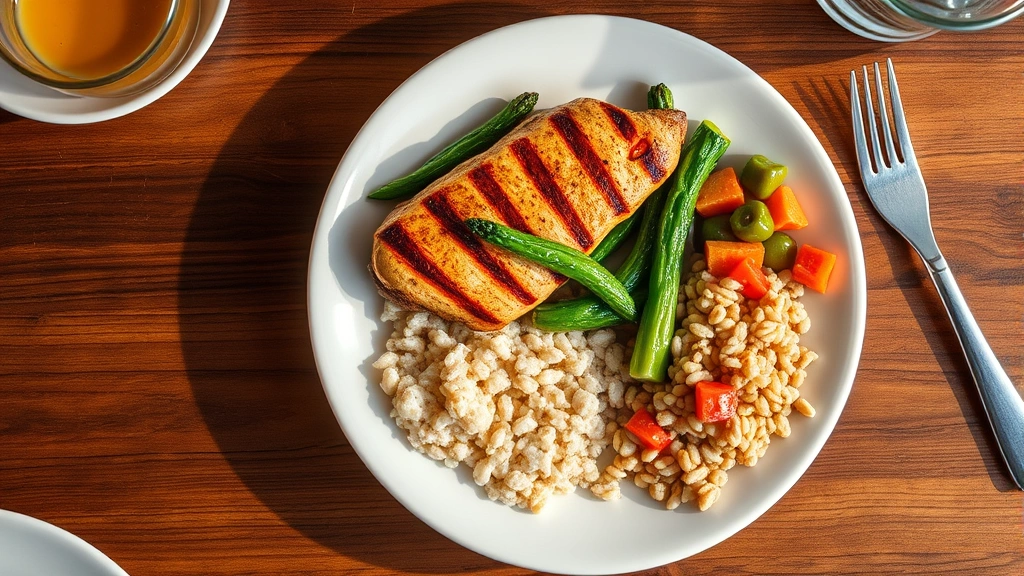
Side dishes represent where Cracker Barrel meals often become nutritionally problematic. Mac and cheese, a beloved Southern staple, contains 400-500 calories per serving with 60+ grams of total fat. Collard greens, seemingly virtuous, frequently contain 250-350 calories due to bacon fat and butter preparation methods. These seemingly small sides accumulate rapidly, transforming a 900-calorie entree into a 1,400+ calorie meal.
Understanding the importance of dietary fiber for your health helps guide side selections. Requesting vegetable sides, particularly steamed options without added fats, provides volume and satiety with minimal caloric impact. Corn, while containing natural sugars, provides reasonable nutrition at 120-150 calories per serving.
Bread service at Cracker Barrel, including complimentary biscuits and cornbread, adds 150-200 calories before any spreads. Many diners benefit from limiting bread consumption to one piece or requesting the bread service be withheld entirely. This small modification preserves 300+ calories across a meal without sacrificing satisfaction if other components remain intact.
Salad options might appear virtuous but frequently contain high-calorie dressings and add-ons like fried chicken, bacon, and cheese. A chicken salad can easily exceed 1,000 calories when prepared with standard ranch dressing and fried chicken components. Requesting grilled chicken, light dressing on the side, and vegetable-heavy compositions creates a genuinely healthful option under 600 calories.
Beverages and Desserts: Sugar and Sodium Considerations
Beverage selections significantly impact overall meal nutrition, yet many diners underestimate liquid calorie contributions. Sweet tea, a Cracker Barrel staple, contains approximately 150-200 calories per 16-ounce serving from added sugars. A typical diner consuming one large sweet tea adds 200+ grams of sugar—exceeding daily recommendations in a single beverage.
Soft drinks present similar challenges, with regular cola containing 140-160 calories and 35-40 grams of sugar per 12-ounce serving. Diet beverages eliminate sugar but introduce artificial sweeteners, which research suggests may affect satiety signaling and metabolic processes. Water, unsweetened tea, and coffee represent optimal choices for minimizing liquid calorie intake while supporting hydration.
Dessert selections at Cracker Barrel range from 400 to 1,200 calories per serving, with many items containing 50+ grams of sugar. The pecan pie, a signature dessert, delivers approximately 500 calories and 35 grams of sugar in a single slice—roughly equivalent to consuming an entire day’s added sugar recommendation. Sharing desserts or requesting smaller portions helps satisfy cravings while maintaining dietary balance.
Fruit-based desserts, when available, provide alternatives to cream-heavy pies. Requesting fruit with whipped cream (rather than cream pie) or accepting a small portion of traditional dessert with tea allows enjoyment of the dining experience without nutritional excess. Recognizing dessert as occasional indulgence rather than routine component supports long-term dietary success.
Building a Balanced Cracker Barrel Meal
Creating nutritionally balanced Cracker Barrel meals requires strategic planning across multiple components. Begin with entree selection, prioritizing grilled proteins (chicken, turkey, or fish) over fried options. This foundational choice establishes reasonable caloric parameters and protein content.
Next, address side dishes by requesting vegetable-based options or fruits, limiting starchy sides to one selection. This approach provides volume and satiety while controlling caloric density. Following nutrition information hub recommendations, aim for plates incorporating multiple food groups rather than repetitive starches.
Beverage selection should default to water, unsweetened tea, or black coffee unless specifically choosing to allocate calories toward a preferred beverage. This single decision preserves 150-250 calories for food components while supporting hydration.
Finally, approach bread service intentionally. Rather than mindlessly consuming complimentary biscuits, decide whether bread aligns with meal priorities. If yes, limit to one piece and skip dessert. If dessert takes priority, minimize bread consumption. This intentional approach prevents automatic caloric additions while maintaining dietary autonomy.
A balanced Cracker Barrel meal might look like: grilled chicken entree (700 calories), steamed vegetable side (100 calories), fruit side (80 calories), water or unsweetened tea (0 calories), and optional small dessert (200-300 calories), totaling 1,080-1,180 calories—reasonable for a substantial lunch or dinner depending on daily caloric needs.
Dietary Accommodations and Special Needs
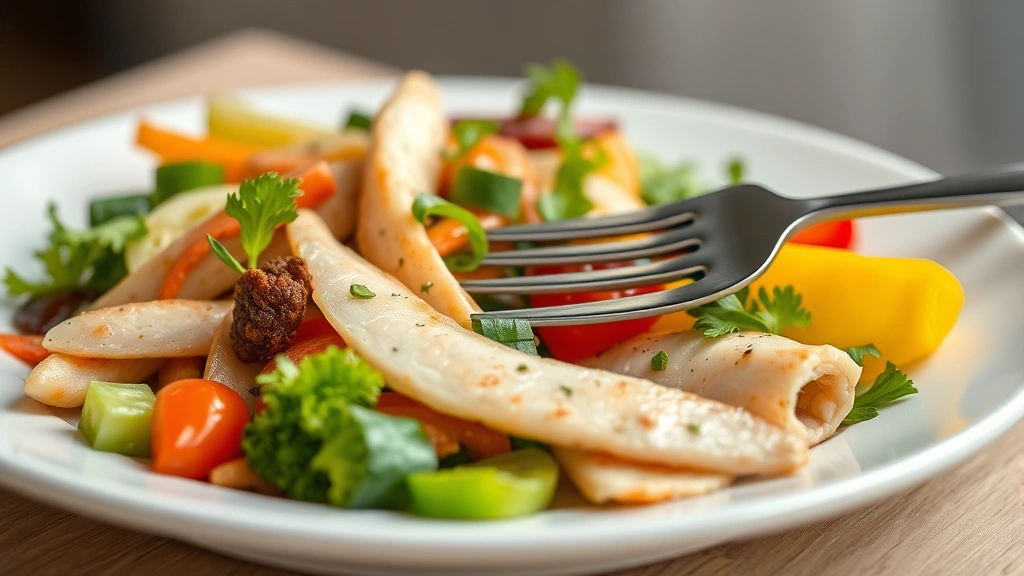
Cracker Barrel increasingly accommodates various dietary restrictions, though options remain limited compared to specialized restaurants. Vegetarian diners can construct meals from egg-based breakfast items, vegetable sides, salads, and bean-based dishes, though options prove somewhat restrictive. Requesting modifications—such as vegetable substitutions or sauce exclusions—helps expand choices.
Gluten-free accommodations exist but require careful navigation. While many sides naturally contain no gluten, cross-contamination risks exist in shared preparation spaces. Communicating gluten requirements clearly to servers and managers ensures appropriate handling, though dedicated gluten-free preparation remains unavailable at most locations.
Low-sodium diets present particular challenges at Cracker Barrel, given the chain’s reliance on processed ingredients and salt-based seasoning. Requesting items prepared without added salt and sauce on the side helps reduce sodium intake, though complete control remains limited. Diners with specific sodium restrictions may find this restaurant generally unsuitable for frequent visits.
Following nutrition for athletes optimizing performance through diet, athletic individuals can leverage Cracker Barrel’s protein-rich options by selecting grilled proteins with vegetable sides and carbohydrate components strategically timed around training. Post-workout meals benefit from the carbohydrate and protein combinations available through modified entrees.
Allergen information remains available through Cracker Barrel’s website and in-restaurant materials. Common allergens including peanuts, tree nuts, dairy, and shellfish require careful attention, particularly for severe allergies. Communicating allergies to staff ensures appropriate handling and ingredient verification.
FAQ
What is the lowest-calorie entree at Cracker Barrel?
Grilled chicken tenders with light sauce modifications typically represent the lowest-calorie entree option, ranging from 600-750 calories depending on sauce selection and preparation. Turkey-based sandwiches and grilled fish entrees also provide reasonable caloric options under 900 calories when prepared without excessive sauces or fried components.
Can I request modifications to reduce sodium content?
Yes, requesting items prepared without added salt and sauces on the side helps reduce sodium intake. However, Cracker Barrel’s reliance on processed ingredients means complete sodium control remains limited. Diners with strict sodium restrictions may find alternative restaurants more suitable.
Are there vegetarian protein options available?
Vegetarian protein options remain limited but possible. Egg-based dishes, cheese-based sides, and bean components provide protein sources. However, options prove significantly more restrictive than at dedicated vegetarian establishments. Most vegetarian meals at Cracker Barrel rely heavily on carbohydrate components.
How can I enjoy dessert while maintaining dietary goals?
Sharing desserts, requesting smaller portions, or choosing fruit-based options when available helps balance indulgence with nutritional goals. Alternatively, allocating dessert consumption to occasional visits rather than routine practice supports long-term dietary success without complete deprivation.
Does Cracker Barrel provide nutrition information online?
Yes, Cracker Barrel publishes detailed nutrition information on its website, including calorie counts, macronutrient breakdowns, and allergen information. This resource enables pre-visit planning and informed menu selection. Additionally, in-restaurant materials often display nutritional highlights for popular items.
What beverages offer the lowest caloric impact?
Water, unsweetened tea, and black coffee represent optimal choices with zero or minimal calories. Unsweet tea (if available) provides flavor without added sugars. Avoiding sweet tea, soft drinks, and specialty beverages preserves significant calories for food components while supporting hydration.


