
Is Cream Cheese Healthy? A Dietitian’s Complete Breakdown of Cream Cheese Nutrition Facts
Cream cheese has become a staple in kitchens worldwide, gracing everything from bagels and cheesecakes to pasta dishes and frosting. Yet despite its popularity, many people wonder whether cream cheese fits into a truly healthy diet. The answer isn’t straightforward—it depends on portion sizes, frequency of consumption, and how it fits into your overall healthy nutrition plan. This comprehensive dietitian breakdown examines the actual cream cheese nutrition facts, separating myth from science.
Understanding the nutritional profile of cream cheese requires looking beyond simple calorie counts. We need to examine saturated fat content, sodium levels, protein contributions, and how cream cheese compares to other dairy products. Whether you’re a cream cheese enthusiast or someone trying to make informed dietary choices, this evidence-based analysis will help you determine whether cream cheese deserves a place on your plate.
Cream Cheese Nutrition Facts: The Numbers
A standard serving of cream cheese—defined as 2 tablespoons or 32 grams—contains approximately 100 calories, making it relatively calorie-dense compared to many other foods. This same serving provides about 10 grams of total fat, with 6 grams coming from saturated fat. Cream cheese also contains roughly 2 grams of protein and 150-160 milligrams of sodium per serving.
The macronutrient breakdown reveals that cream cheese is primarily a fat-based food with minimal carbohydrates (typically less than 1 gram per serving) and modest protein content. One important note: cream cheese contains virtually no fiber and negligible amounts of vitamins and minerals beyond calcium and phosphorus. A single serving provides about 98 milligrams of calcium, which represents approximately 10% of the daily recommended value for most adults.
When examining cream cheese nutrition facts, it’s essential to understand that these numbers can vary slightly between brands and types. Philadelphia brand cream cheese, the most common variety in North America, maintains relatively consistent nutritional values, but organic, whipped, or reduced-fat versions will differ. Reading the label on your specific product ensures you’re working with accurate information for your dietary calculations.
The caloric density of cream cheese means that portion awareness becomes critically important. Many people underestimate their cream cheese consumption, particularly when using it in cooking or spreading it generously on bagels. A seemingly innocent bagel with cream cheese can easily deliver 300-400 calories before any other toppings are added.
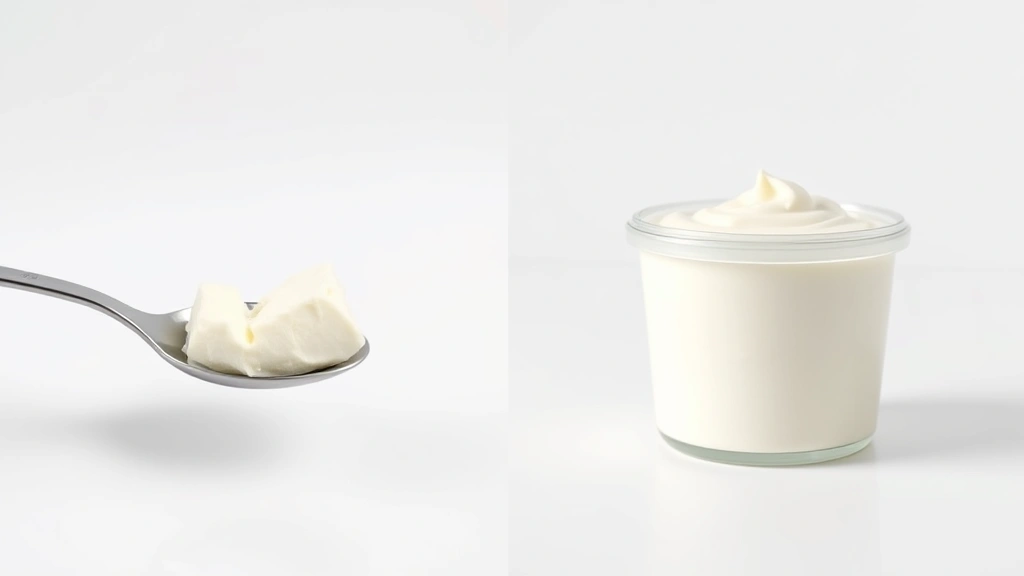
Saturated Fat Content and Heart Health
One of the most common concerns about cream cheese centers on its saturated fat content. With 6 grams of saturated fat per 2-tablespoon serving, cream cheese does contain a significant amount of this nutrient. The American Heart Association recommends limiting saturated fat to 5-6% of total daily calories, which translates to about 11-13 grams for a 2,000-calorie diet.
However, recent research has challenged the simplistic “saturated fat is always bad” narrative. According to the American Heart Association’s Circulation journal, the relationship between dairy-based saturated fat and cardiovascular disease is more nuanced than previously believed. Some studies suggest that fermented dairy products like cream cheese may have neutral or even beneficial effects compared to non-fermented dairy or processed foods.
That said, consuming excessive amounts of cream cheese regularly could contribute to elevated LDL cholesterol levels in susceptible individuals. The key lies in moderation and balance. When you incorporate cream cheese into a comprehensive nutrition solutions approach that includes plenty of vegetables, whole grains, and lean proteins, occasional cream cheese consumption is unlikely to harm cardiovascular health.
For individuals with specific health conditions like familial hypercholesterolemia or those with doctor-prescribed dietary restrictions, cream cheese consumption should align with medical guidance. For most healthy adults, the occasional use of cream cheese as part of a balanced diet poses minimal cardiovascular risk.
Protein and Calcium Benefits
While cream cheese isn’t a protein powerhouse, each 2-tablespoon serving does contribute 2 grams of protein. Though this seems modest, when you combine cream cheese with protein-rich foods—like whole grain bagels, vegetables, or lean meats—it becomes part of a more complete protein profile. For individuals following certain meal planning strategies, cream cheese can serve as one component of a protein-balanced meal.
The calcium content in cream cheese deserves recognition, particularly for individuals who struggle to meet their daily calcium requirements. One serving provides nearly 100 milligrams of calcium, and consuming multiple servings throughout the day can meaningfully contribute to bone health goals. For people who don’t consume milk regularly or who are lactose-sensitive, cream cheese may provide a more tolerable dairy calcium source.
The bioavailability of calcium in cream cheese is comparable to other dairy products, meaning your body can absorb and utilize it effectively. This becomes especially important for older adults and postmenopausal women who require 1,000-1,200 milligrams of calcium daily for bone density maintenance.
Additionally, cream cheese contains small amounts of phosphorus, another mineral essential for bone structure and energy metabolism. While not a complete nutritional profile, cream cheese’s mineral content provides legitimate dietary value when consumed as part of a varied diet.
Sodium Concerns in Cream Cheese
With 150-160 milligrams of sodium per 2-tablespoon serving, cream cheese contributes meaningfully to daily sodium intake. The recommended daily sodium limit for most adults is 2,300 milligrams, though the American Heart Association suggests an ideal limit of 1,500 milligrams. A single serving of cream cheese represents roughly 7-10% of the recommended daily sodium intake.
For individuals managing hypertension or following sodium-restricted diets, cream cheese consumption warrants attention. Regular users of cream cheese who also consume processed foods, canned soups, deli meats, and restaurant meals can quickly exceed healthy sodium limits. This cumulative effect matters more than any single food item.
The good news: several manufacturers now produce reduced-sodium cream cheese varieties containing 80-100 milligrams of sodium per serving—roughly half the standard amount. These options exist for people who want cream cheese’s taste and texture while managing sodium intake more carefully.
When incorporating cream cheese into meals, balancing it with sodium-free or low-sodium foods helps maintain healthy daily totals. For instance, pairing cream cheese with fresh vegetables, whole grains, and unsalted nuts creates a more balanced nutritional profile than combining it exclusively with processed foods.
Cream Cheese vs Other Dairy Products
Comparing cream cheese to other dairy options reveals important context about its nutritional position. Greek yogurt, for example, contains significantly more protein (15-20 grams per 6-ounce serving) while maintaining similar or lower calorie counts. Cottage cheese provides 14 grams of protein per half-cup serving with less saturated fat than cream cheese.
However, cream cheese offers unique textural and culinary properties that other dairy products cannot replicate. You cannot frost a cake with cottage cheese or achieve the same bagel experience with Greek yogurt. The comparison isn’t about determining which is universally “better”—instead, it’s about understanding where each fits within a diverse, balanced diet.
Ricotta cheese presents an interesting middle ground, offering more protein than cream cheese (about 7 grams per 2 tablespoons) while maintaining similar fat and calorie profiles. For people seeking higher protein dairy spreads, ricotta might serve as an occasional substitute in some applications.
When considering nutrition blog resources and expert recommendations, the consensus suggests that all these dairy products can fit into healthy diets when used intentionally. The key differentiator is frequency, portion size, and how they integrate into overall dietary patterns.

Portion Control and Moderation Strategies
Understanding cream cheese nutrition facts means little without practical strategies for portion control. The standard serving of 2 tablespoons represents an appropriate portion, yet many people consume double or triple this amount without realizing it. For bagels, most people spread 3-4 tablespoons of cream cheese, immediately doubling the caloric and saturated fat impact.
One effective strategy involves pre-portioning cream cheese. Using a small measuring spoon or spreading knife designed for controlled portions helps maintain consistency. Some people find it helpful to divide cream cheese into smaller containers or use cream cheese in measured amounts when cooking rather than spreading directly from the package.
For those who enjoy cream cheese regularly, establishing a consumption frequency helps maintain balance. Enjoying cream cheese 2-3 times weekly represents a sustainable pattern for most people, whereas daily consumption might exceed healthy saturated fat and sodium limits for some individuals.
Combining cream cheese with nutrient-dense foods amplifies its nutritional value. Adding cream cheese to a vegetable-rich omelet, for instance, contributes flavor and richness while the vegetables provide fiber, vitamins, and minerals that cream cheese lacks. This combination strategy creates more nutritionally complete meals.
Healthier Cream Cheese Alternatives
For people seeking alternatives to traditional cream cheese, several options exist with different nutritional profiles. Neufchâtel cheese contains about 20% less fat than cream cheese while maintaining similar creamy texture and taste. It provides roughly 80 calories and 5 grams of fat per 2-tablespoon serving compared to cream cheese’s 100 calories and 10 grams of fat.
Whipped cream cheese has become increasingly available and offers approximately 60 calories per 2-tablespoon serving due to air incorporation. While the fat content remains similar to regular cream cheese, the reduced calorie density makes portion satisfaction easier to achieve.
Plant-based cream cheese alternatives made from cashews, coconut, or soy have entered the market, though these vary widely in nutritional quality. Some provide comparable nutrition to dairy cream cheese, while others contain added sugars or oils that may not align with health goals. Reading labels on plant-based options proves essential.
For individuals seeking to incorporate cream cheese benefits while maximizing nutrition, combining a small amount of traditional cream cheese with Greek yogurt creates a hybrid spread. This approach reduces saturated fat and sodium while increasing protein content—a practical solution for those managing specific dietary concerns.
How to Incorporate Cream Cheese Mindfully
Incorporating cream cheese into a healthy diet requires intentionality rather than elimination. Starting with the cream cheese nutrition facts baseline, you can build meal strategies that honor both enjoyment and wellness goals. The foundation involves honest assessment of current consumption patterns and realistic modification.
For breakfast enthusiasts, a whole grain bagel with 2 tablespoons of cream cheese and smoked salmon creates a nutritionally balanced meal combining complex carbohydrates, healthy fats, protein, and calcium. Adding sliced tomato and cucumber increases fiber and micronutrient density without significantly impacting the overall nutritional profile.
In cooking applications, cream cheese serves as an ingredient rather than the primary component. When making sauces, soups, or casseroles, smaller quantities distributed throughout the dish provide flavor and richness while reducing individual exposure to saturated fat and sodium. This culinary approach allows cream cheese to shine without dominating the nutritional profile.
For dessert applications, cream cheese frosting or cheesecake can fit into balanced diets when consumed occasionally and in controlled portions. The key involves recognizing these as treats rather than everyday foods and planning accordingly. Enjoying a slice of cheesecake once monthly differs dramatically from weekly consumption in terms of health impact.
Understanding how cream cheese fits into your personal health goals matters more than abstract nutritional analysis. Someone training for a marathon with high caloric needs may comfortably incorporate more cream cheese than someone managing weight loss. Someone with hypertension requires different sodium considerations than someone with normal blood pressure. Nutrition and mental health connection research also suggests that enjoying foods you love in moderation supports long-term dietary adherence and psychological wellbeing.
The most sustainable approach involves neither demonizing nor overconsuming cream cheese. Instead, treating it as one tool in a diverse nutritional toolkit allows you to make informed choices aligned with your individual needs and preferences.
FAQ
Is cream cheese bad for weight loss?
Cream cheese isn’t inherently bad for weight loss, but its caloric density requires portion awareness. At 100 calories per 2-tablespoon serving, small amounts won’t derail weight loss efforts if incorporated into a calorie-controlled plan. The challenge lies in portion creep—many people consume significantly more than recommended serving sizes without realizing it. Using cream cheese strategically in smaller portions or choosing whipped varieties can support weight loss goals.
How much cream cheese is safe to eat daily?
For most healthy adults, consuming up to 4 tablespoons (2 servings) of cream cheese daily falls within acceptable guidelines, though this varies based on individual health status. People with hypertension, high cholesterol, or dairy sensitivities should limit consumption further. Those without specific health concerns can comfortably enjoy cream cheese several times weekly without concern.
Does cream cheese have probiotics like yogurt?
Most commercial cream cheese undergoes pasteurization and doesn’t contain live probiotics like yogurt does. However, some specialty cream cheese products now include added probiotics. If probiotic benefits are your goal, yogurt or kefir represent superior choices, though cream cheese can still contribute to a balanced diet for other reasons.
Is Philadelphia cream cheese healthier than store brands?
Philadelphia cream cheese and quality store brands typically maintain very similar nutritional profiles. The primary differences involve taste preference and texture rather than significant nutritional divergence. Comparing nutrition labels between specific products reveals whether meaningful differences exist in your particular options.
Can people with lactose intolerance eat cream cheese?
Many people with lactose intolerance can tolerate cream cheese better than milk or yogurt because the fermentation and processing reduce lactose content significantly. However, individual tolerance varies considerably. Those with diagnosed lactose intolerance should test small amounts to determine personal tolerance rather than assuming cream cheese will cause problems.


