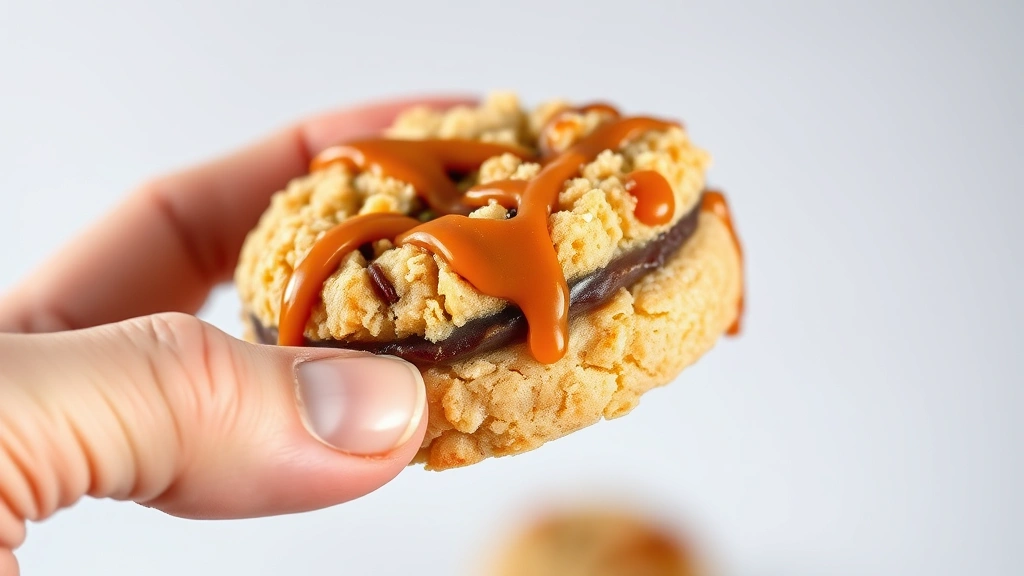
Crumbl Cookie Calories? Dietitian’s Insight on Nutrition Facts & Smart Indulgence
Crumbl Cookies have become a cultural phenomenon, with devoted fans camping out for weekly flavor releases and limited-edition drops. But beneath the viral marketing and Instagram-worthy aesthetics lies a legitimate nutritional question: just how many calories are in these trendy treats, and what does that mean for your diet? As a registered dietitian nutritionist, I’ve analyzed the Crumbl cookie nutrition facts extensively, and the answer is more nuanced than a simple calorie count.
The reality is that most Crumbl cookies range from 380 to 650 calories per cookie, depending on the flavor and size. For context, that’s equivalent to a full meal for many people—or more than an hour of moderate exercise. But before you swear off these viral sensations forever, let’s dive deeper into what these numbers mean, how they compare to other indulgences, and how you can enjoy them as part of a balanced approach to nutrition.
Understanding Crumbl Cookie Calories
When we talk about Crumbl cookie nutrition facts, the headline number that captures attention is calories. A standard Crumbl cookie typically contains between 380 and 650 calories, which is substantial. To put this in perspective, the USDA recommends that adult women consume approximately 2,000 calories daily and adult men around 2,500 calories. A single Crumbl cookie represents roughly 19-32% of a woman’s daily caloric intake.
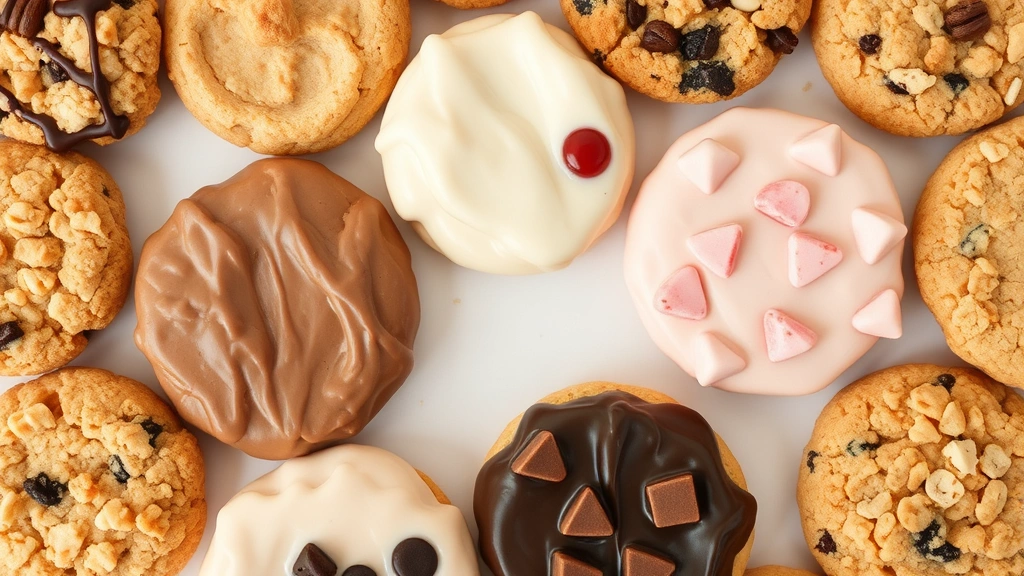
The variation in calorie content depends on several factors. Classic flavors like Sugar and Chocolate Chip tend to hover around 380-420 calories, while decadent options featuring frosting, fillings, or candy toppings can exceed 600 calories. The Choco-Taco Crumbl, for instance, is one of the highest-calorie variants at approximately 650 calories. Understanding this range helps you make informed decisions when selecting which flavor to enjoy.
It’s important to recognize that these cookies are intentionally calorie-dense. They’re crafted with premium butter, quality chocolate, and generous frosting applications. This isn’t negligence in recipe design—it’s deliberate indulgence engineering. For a comprehensive guide on making nutritious choices overall, explore our healthy nutrition plan guide, which provides context for occasional treats within a balanced diet.
Macronutrient Breakdown
Calories tell only part of the story. To truly understand the nutritional impact, we need to examine macronutrients: protein, carbohydrates, and fat. This breakdown reveals why Crumbl cookies affect your body differently than, say, a 500-calorie chicken breast.
Fat Content: Most Crumbl cookies contain 15-25 grams of total fat, with a concerning portion coming from saturated fat (8-14 grams). Saturated fat comprises roughly 40-50% of the total fat content, which exceeds the American Heart Association’s recommendation of limiting saturated fat to 5-6% of daily calories. One cookie can consume 40-70% of your recommended daily saturated fat limit.
Carbohydrates: This is where Crumbl cookies truly shine—if you’re seeking carbs. Most varieties contain 45-70 grams of carbohydrates, with 25-40 grams coming from sugar alone. A typical Crumbl cookie contains more sugar than two cans of regular soda. These are predominantly simple carbohydrates with minimal fiber, causing rapid blood sugar spikes followed by energy crashes.
Protein: Perhaps the most disappointing macronutrient profile is protein. Most Crumbl cookies contain only 3-5 grams of protein, which is minimal. This means the calories you’re consuming won’t provide satiety or muscle support. You’ll likely feel hungry again shortly after consumption, making the cookie a poor choice for sustained energy.
For those focused on athletic performance, our article on nutrition for athletes and performance optimization provides strategies for building macronutrient-balanced meals that support your fitness goals without derailing them with nutrient-poor indulgences.
Comparison with Other Desserts
Context matters. How do Crumbl cookies stack up against other popular desserts? This comparison helps determine whether they’re an outlier or typical of modern confectionery.
vs. Homemade Chocolate Chip Cookies: A typical homemade chocolate chip cookie contains 150-200 calories. Crumbl cookies are 2-4 times larger and calorie-dense. However, homemade versions often contain better-quality ingredients and less processed sugar.
vs. Dunkin’ Donuts: A glazed donut from Dunkin’ contains approximately 260 calories. While lower than Crumbl, donuts offer similar macronutrient profiles—high sugar, moderate fat, minimal protein.
vs. Starbucks Cake Pop: A single cake pop contains roughly 170 calories but is significantly smaller. Crumbl cookies offer more indulgence per calorie from a volume perspective.
vs. Cheesecake Slice: A standard restaurant cheesecake slice contains 400-500 calories, comparable to Crumbl. However, cheesecake provides more protein (8-12 grams) due to cream cheese content.
vs. Ice Cream Sundae: A typical fast-food sundae ranges from 300-600 calories depending on size and toppings. Crumbl cookies fall squarely within this range.
The key insight: Crumbl cookies aren’t nutritional outliers among desserts, but they are calorically substantial compared to snacks. They’re genuinely indulgent treats, not snacks you can casually consume without dietary consideration.
Sugar Content Analysis
Beyond calories, sugar content deserves special attention. Most Crumbl cookies contain 25-40 grams of added sugar per cookie. To contextualize: the American Heart Association recommends that women consume no more than 25 grams of added sugar daily and men no more than 36 grams. A single Crumbl cookie can exceed your entire daily recommended sugar intake.
This excessive sugar consumption has documented health implications. According to research from the American Heart Association, excessive added sugar consumption is linked to increased risk of heart disease, obesity, type 2 diabetes, and dental problems. When you consume a Crumbl cookie, you’re not just eating calories—you’re consuming a significant metabolic stressor.
The sugar in Crumbl cookies is primarily from refined sources: granulated sugar, frosting, and candy toppings. Your body rapidly absorbs this sugar, causing insulin spikes and subsequent crashes. This metabolic rollercoaster can leave you feeling more fatigued and hungry than before consumption—a phenomenon known as reactive hypoglycemia.
For strategies on managing sugar intake while maintaining a sustainable, enjoyable diet, our guide to meal planning tips includes practical frameworks for incorporating occasional treats without derailing metabolic health.
Portion Control Strategies
Here’s the uncomfortable truth: Crumbl cookies aren’t designed for portion control. Their marketing emphasizes limited-time flavors and weekly releases, creating artificial scarcity that encourages consumption. However, if you’re determined to enjoy them within a health-conscious framework, several strategies can help.
The Half-Cookie Approach: Share a cookie with a friend or family member. Most people can feel satisfied with half a cookie (190-325 calories), especially when paired with coffee or tea. This reduces caloric impact by 50% while maintaining the experience.
Strategic Timing: Consume Crumbl cookies immediately after intense exercise when your muscles are primed to utilize glucose for glycogen replenishment. This doesn’t eliminate the sugar spike, but it channels it productively.
Frequency Limitation: Establish a personal rule—perhaps one Crumbl cookie per month rather than weekly. This transforms it from routine indulgence to special occasion treat, psychologically enhancing satisfaction.
Pair with Protein: If you do consume a full cookie, pair it with a protein source like Greek yogurt, nuts, or a protein shake. The protein slows sugar absorption and provides satiety, mitigating blood sugar crashes.
Beverage Consideration: Avoid pairing Crumbl cookies with sugary beverages. Coffee, unsweetened tea, or water prevents compounding sugar intake.
Healthier Flavor Options
While no Crumbl cookie is genuinely “healthy,” some options present marginally better nutritional profiles than others. Understanding these distinctions allows for harm reduction if you’re committed to enjoying them occasionally.
Best Options (Relatively Speaking): Sugar and Chocolate Chip cookies typically contain 380-420 calories with straightforward ingredient lists. They lack the additional frosting and candy toppings that inflate calories and sugar beyond reason. While still indulgent, they’re the least egregious options.
Moderate Options: Flavors featuring chocolate but without excessive frosting (like Chocolate Cake or Choco Chip) fall in the 420-500 calorie range. These offer more indulgence than basic options but aren’t extreme.
Avoid or Minimize: Flavors featuring frosting, candy toppings, and fillings (Choco-Taco, Brownie Batter, Birthday Cake) typically exceed 550 calories and contain 35+ grams of sugar. These represent the nutritional nadir of the Crumbl lineup.
The nutrition solutions section of our site provides personalized frameworks for evaluating food choices and making decisions aligned with your specific health goals.

Nutritional Impact on Daily Intake
Consuming a single Crumbl cookie doesn’t destroy your diet. However, understanding its impact on daily nutritional totals is crucial for informed decision-making.
Caloric Impact: A 500-calorie Crumbl cookie represents 25% of a 2,000-calorie daily intake. If you consume this cookie, you have 1,500 calories remaining for all other meals and snacks. For most people, this requires careful planning to maintain adequate nutrition.
Sugar Impact: A 35-gram sugar cookie represents 140% of the American Heart Association’s daily recommendation for women. Even if you consume no other added sugar that day, you’ve exceeded guidelines.
Satiety Consideration: Despite high calories, Crumbl cookies provide minimal satiety. The combination of high sugar, moderate fat, and minimal protein means you’ll likely feel hungry shortly after consumption. This can lead to additional snacking, compounding caloric and sugar intake.
Metabolic Cascades: The sugar spike triggers insulin release, which drives glucose into cells and subsequently causes blood sugar crashes 1-2 hours later. This crash manifests as fatigue, irritability, and renewed hunger—encouraging additional consumption. You’ve potentially created a metabolic debt that extends far beyond the initial cookie.
Research from the National Institutes of Health demonstrates that high-sugar foods trigger dopamine responses similar to addictive substances, potentially reinforcing consumption patterns.
For comprehensive strategies on managing daily nutritional intake while maintaining flexibility for occasional indulgences, explore our article on nutrition and mental health, which addresses the psychological dimensions of eating behavior alongside physiological impacts.
FAQ
How many calories are in a Crumbl cookie?
Most Crumbl cookies contain 380-650 calories depending on flavor. Classic flavors like Sugar range from 380-420 calories, while frosted and topped varieties exceed 600 calories. Check Crumbl’s official website for specific flavor nutritional information, as recipes vary weekly.
Are Crumbl cookies worse than other desserts?
Crumbl cookies aren’t uniquely terrible nutritionally—they’re comparable to other premium desserts like cheesecake or gourmet ice cream. However, their size and sugar concentration make them particularly calorie-dense and sugar-heavy relative to volume. The key distinction is conscious choice: understanding what you’re consuming allows informed decisions.
Can I eat Crumbl cookies on a diet?
Yes, but with strategic planning. If you’re following a specific caloric target, a 500-calorie cookie requires compensatory reduction elsewhere. If you’re managing blood sugar (particularly with diabetes or prediabetes), Crumbl cookies present significant challenges. Consider them occasional treats rather than regular snacks, and pair consumption with protein when possible.
Which Crumbl flavor has the least sugar?
Sugar and Chocolate Chip varieties typically contain the least added sugar (around 25-30 grams) because they lack frosting and candy toppings. However, “least sugar” for a Crumbl cookie still represents excessive sugar by nutritional standards.
How do Crumbl cookies affect blood sugar?
Crumbl cookies cause rapid blood sugar spikes due to high refined sugar content and minimal fiber. This triggers insulin release and subsequent blood sugar crashes 1-2 hours later. For people with diabetes, prediabetes, or metabolic syndrome, this presents metabolic stress. Even for metabolically healthy individuals, the crash induces fatigue and renewed hunger.
What’s the protein content in Crumbl cookies?
Most Crumbl cookies contain only 3-5 grams of protein per cookie. This is minimal and insufficient for providing satiety or supporting muscle protein synthesis. The caloric content derives primarily from carbohydrates and fat rather than protein.
Is it okay to eat Crumbl cookies daily?
No. Daily consumption would mean 380-650 additional calories and 25-40 grams of added sugar daily. Over a week, this represents 2,660-4,550 additional calories and 175-280 additional grams of sugar. For most people, this would contribute to weight gain and metabolic dysfunction. Reserve Crumbl cookies for occasional indulgences—perhaps weekly or monthly—rather than daily consumption.
What should I pair with a Crumbl cookie?
If consuming a Crumbl cookie, pair it with protein (Greek yogurt, nuts, cheese) and unsweetened beverages (coffee, tea, water). Protein slows sugar absorption, mitigating blood sugar crashes and providing satiety. Avoid pairing with additional sugar sources like soda, juice, or other desserts.
Are there nutritional differences between Crumbl flavors?
Yes, significant differences exist. Basic flavors (Sugar, Chocolate Chip) contain fewer calories and less sugar than frosted and topped varieties. Seasonal flavors often feature premium ingredients like chocolate chunks, caramel drizzle, or candy toppings, increasing caloric and sugar content. Check specific flavor nutritional information before selecting.


