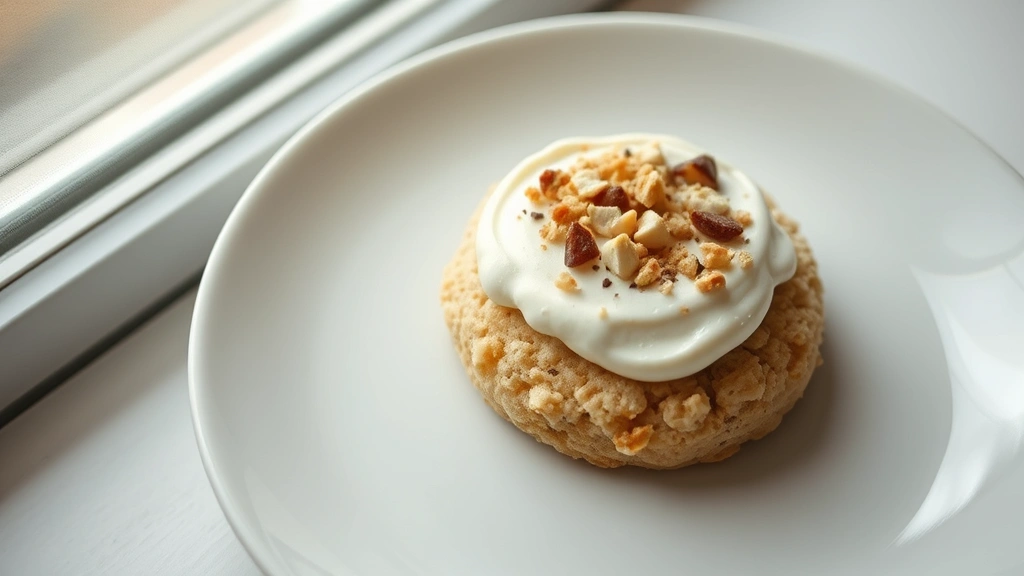
Crumbl Cookies: Healthy or Not? Dietitian Insight
Crumbl Cookies has become a cultural phenomenon, with loyal fans camping outside stores for weekly flavor drops and limited-edition releases. The viral TikTok-famous bakery chain has captured the hearts and appetites of millions, but the burning question remains: are these indulgent treats part of a balanced diet, or should they be reserved for occasional splurges? This comprehensive analysis examines Crumbl cookies nutrition facts through a dietitian’s lens, breaking down the nutritional content, ingredients, and health implications of these beloved sweets.
Understanding what goes into a Crumbl cookie requires more than just looking at calorie counts. We need to examine the sugar content, fat composition, artificial ingredients, and portion sizes to determine whether these cookies can fit into a health-conscious lifestyle. Whether you’re a devoted Crumbl enthusiast or simply curious about the nutritional profile of these trendy treats, this guide provides evidence-based insights to help you make informed dietary choices.
Complete Nutrition Breakdown
A standard Crumbl cookie weighs approximately 80-90 grams and contains roughly 400-500 calories, depending on the flavor. For context, this represents 20-25% of a typical 2,000-calorie daily diet in a single cookie. The macronutrient distribution reveals that these cookies are primarily composed of carbohydrates and fats, with minimal protein content.
The typical nutritional profile includes:
- Calories: 400-520 per cookie
- Total Fat: 18-24 grams (28-37% of daily value)
- Saturated Fat: 8-12 grams (40-60% of daily value)
- Carbohydrates: 52-64 grams (17-21% of daily value)
- Protein: 3-5 grams
- Fiber: 0-1 gram
These numbers place Crumbl cookies in the “occasional treat” category rather than an everyday snack. The high saturated fat content is particularly noteworthy, as excessive saturated fat intake is linked to elevated cholesterol levels and cardiovascular concerns. Following your healthy nutrition plan means accounting for treats like these within your overall daily macronutrient targets.
The calorie density of Crumbl cookies is significant when compared to other desserts. A standard chocolate chip cookie from a grocery store might contain 150-200 calories, making Crumbl’s offerings substantially more calorie-dense. This difference stems from their larger size, generous frosting, and premium ingredient quality.
Sugar Content and Impact
Perhaps the most concerning aspect of Crumbl cookies is their sugar content. A single cookie typically contains 35-50 grams of added sugar, which exceeds the American Heart Association’s recommended daily limit for women (25 grams) and approaches the limit for men (36 grams) in one serving.
The sugar in Crumbl cookies comes from multiple sources:
- The cookie dough base contains granulated sugar and brown sugar
- Frosting layers add substantial additional sweetness
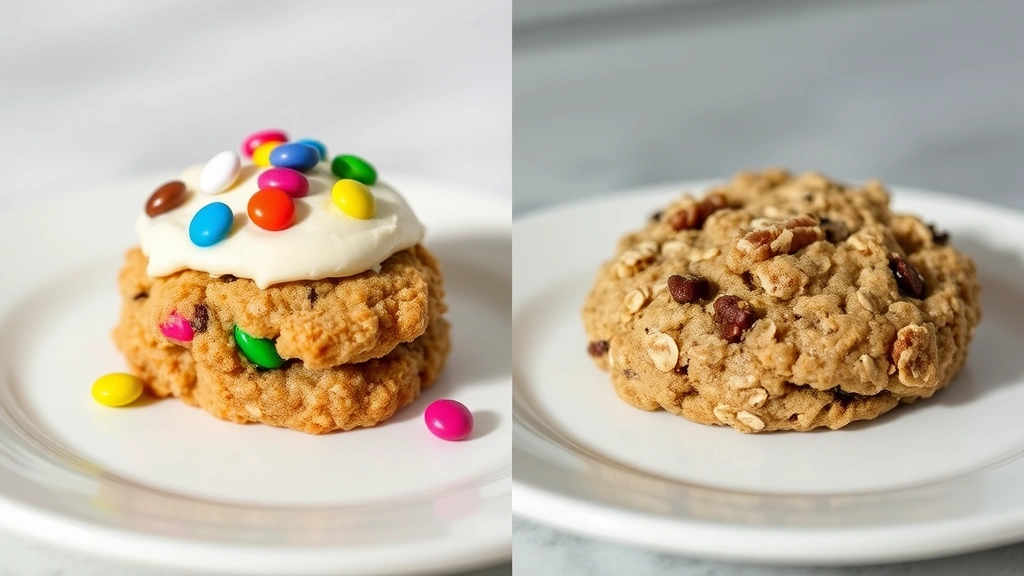
- Chocolate chips, candies, or syrup toppings contribute more sugar
- Some flavors include caramel, fudge, or sweet sauces
Consuming this much sugar in one sitting can trigger rapid blood glucose spikes, leading to energy crashes and increased hunger shortly after consumption. For individuals managing diabetes or prediabetes, Crumbl cookies present a significant challenge to blood sugar stability. Even for those without metabolic concerns, regular consumption of high-sugar foods increases the risk of type 2 diabetes, obesity, and dental problems.
Research from Pew Research Center on consumer food choices demonstrates that Americans are increasingly aware of sugar’s health impacts, yet many still struggle with portion control around indulgent treats. The psychological appeal of limited-edition flavors and social media hype can override nutritional awareness.
Understanding how sugar affects your body is crucial for informed decision-making. The glucose spike from a Crumbl cookie can be partially mitigated by pairing it with protein or fat, though this doesn’t eliminate the nutritional concerns.
Ingredient Analysis
Examining the ingredient list reveals both positive and negative aspects of Crumbl’s formulation. The company uses real butter rather than vegetable shortening, which is preferable from a nutritional standpoint. However, the presence of numerous additives and preservatives raises questions about ingredient quality.
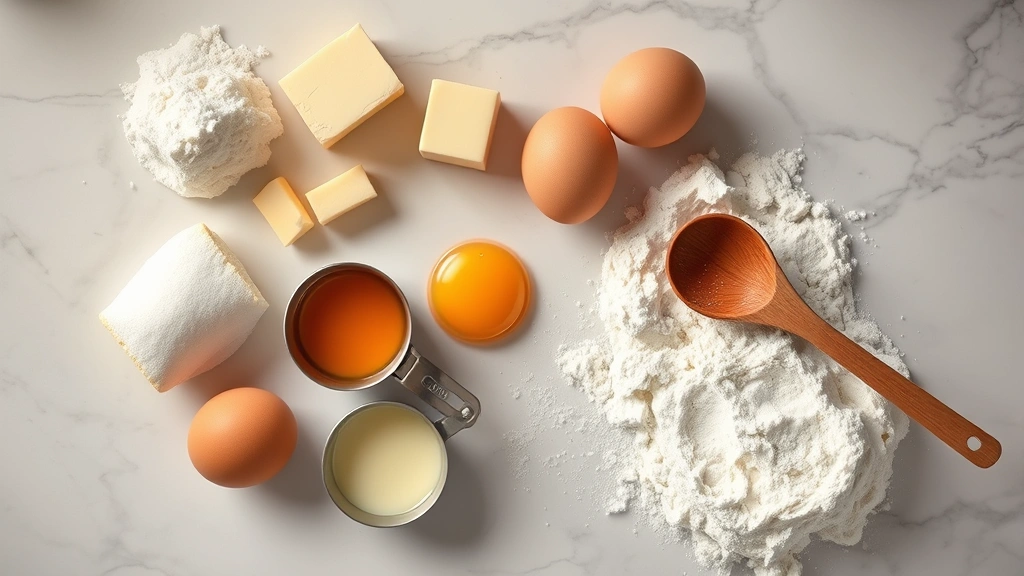
Common ingredients across Crumbl flavors include:
- Enriched wheat flour: Provides structure but lacks the fiber of whole wheat
- Butter: High in saturated fat but a real dairy product
- Granulated and brown sugar: Refined sugars with no nutritional value beyond calories
- Eggs: Contribute protein and binding properties
- Vanilla extract: Provides flavor without added calories in significant amounts
- Baking soda and salt: Standard leavening and seasoning agents
- High fructose corn syrup: Often found in frostings and sauces
- Artificial flavors and colors: In certain seasonal varieties
- Soy lecithin: An emulsifier derived from soybeans
The use of high fructose corn syrup in some Crumbl products is particularly concerning. Research suggests that high fructose corn syrup may be metabolized differently than regular sugar, potentially contributing more readily to fatty liver disease and metabolic dysfunction. This ingredient choice allows manufacturers to reduce costs, but at the expense of consumer health.
Artificial food dyes used in some limited-edition flavors (like Red Velvet or Birthday Cake varieties) have been scrutinized by health organizations. While the FDA considers them safe, some studies suggest these synthetic dyes may trigger hyperactivity in sensitive individuals, particularly children.
As part of your overall dietary fiber intake strategy, it’s worth noting that Crumbl cookies contribute virtually nothing to daily fiber needs, despite being calorie-dense.
Healthier Cookie Options
If you enjoy cookies but want to make more nutritious choices, several alternatives offer better nutritional profiles:
- Homemade oatmeal cookies: Made with whole oats, you control sugar content and can use natural sweeteners. Oats provide fiber and beta-glucans, which support heart health.
- Nut-based cookies: Almond flour or walnut cookies offer protein and healthy fats, creating satiety without blood sugar spikes.
- Dark chocolate and cherry cookies: Combining dark chocolate (70% cacao or higher) with tart cherries provides antioxidants and less added sugar.
- Protein-packed cookies: Recipes incorporating protein powder, Greek yogurt, or egg whites increase satiety value.
- Fruit-sweetened options: Cookies sweetened primarily with dates, bananas, or applesauce reduce refined sugar content.
Creating homemade versions allows you to reduce sugar by 30-50% while increasing fiber through whole grain flours. This aligns better with establishing a nutrition information hub approach to your diet.
If you’re specifically craving that indulgent bakery experience, consider purchasing a single Crumbl cookie and sharing it with friends or family, dramatically reducing individual portion sizes while maintaining the experience.
Moderation Strategy
The key question isn’t whether Crumbl cookies are “healthy or not”—they’re clearly indulgent treats—but rather how they fit into an overall balanced diet. Moderation is possible when approached strategically:
Frequency Guidelines: Limit Crumbl cookies to once weekly or bi-weekly rather than multiple times per week. This keeps added sugar intake manageable while allowing you to enjoy occasional treats.
Portion Control: Share a cookie with another person, or eat half and save the remainder for later. This psychological trick helps satisfy cravings while reducing intake.
Timing Considerations: Consume a Crumbl cookie with or after a meal containing protein and healthy fats. Eating it after a salmon dinner with vegetables creates a better metabolic response than eating it alone as a snack.
Flavor Selection: Opt for varieties with less frosting and fewer toppings. A classic sugar cookie has fewer calories and less sugar than a frosted cake-style cookie with candy pieces.
Understanding nutrition and mental health reveals that completely restricting foods you enjoy often backfires, leading to binge eating and guilt cycles. Strategic indulgence is psychologically healthier than rigid restriction.
For optimal digestive health, consider reading about how to improve digestion, as high-sugar, high-fat foods can temporarily disrupt gut bacteria and cause digestive discomfort in sensitive individuals.
The viral nature of Crumbl’s marketing creates artificial urgency around limited flavors. Recognizing this psychological manipulation helps you make more rational dietary choices rather than impulse purchases driven by FOMO (fear of missing out).
FAQ
Are Crumbl cookies worse than other desserts?
Crumbl cookies are not inherently worse than other premium desserts, but their large size and high sugar content make them particularly calorie and sugar-dense. A slice of cheesecake might have similar calories but better protein content. A donut typically has fewer calories but similar sugar levels. The key difference is awareness and portion control.
Can I eat Crumbl cookies on a diet?
Yes, but strategically. If following a 2,000-calorie diet, a Crumbl cookie represents 20-25% of your daily intake, leaving limited calories for other foods. On higher-calorie diets or with increased physical activity, occasional Crumbl consumption is compatible with weight loss goals. Consistency matters more than individual food choices.
Which Crumbl flavor is healthiest?
The classic sugar cookie varieties with minimal frosting and no additional toppings are nutritionally superior to cake-style or candy-laden options. Flavors with fruit components (strawberry, lemon) may offer slight nutritional advantages, though sugar content remains high across all varieties.
How often can I safely eat Crumbl cookies?
For most healthy adults, once weekly is reasonable within a balanced diet. Those with diabetes, prediabetes, or metabolic concerns should limit consumption to monthly or less. Children should have even more restricted access due to their smaller caloric needs and developing taste preferences.
Do Crumbl cookies contain allergens?
Yes. All Crumbl cookies contain wheat, eggs, and dairy. Many contain tree nuts or peanuts depending on flavor. Cross-contamination is possible in their facilities. Those with allergies must carefully review ingredient lists or avoid them entirely.
Is the sugar in Crumbl cookies from natural sources?
No. Crumbl cookies use refined granulated sugar, brown sugar, and often high fructose corn syrup or corn syrup solids. These are processed sweeteners without nutritional value. No significant portion comes from whole food sources like fruit.


