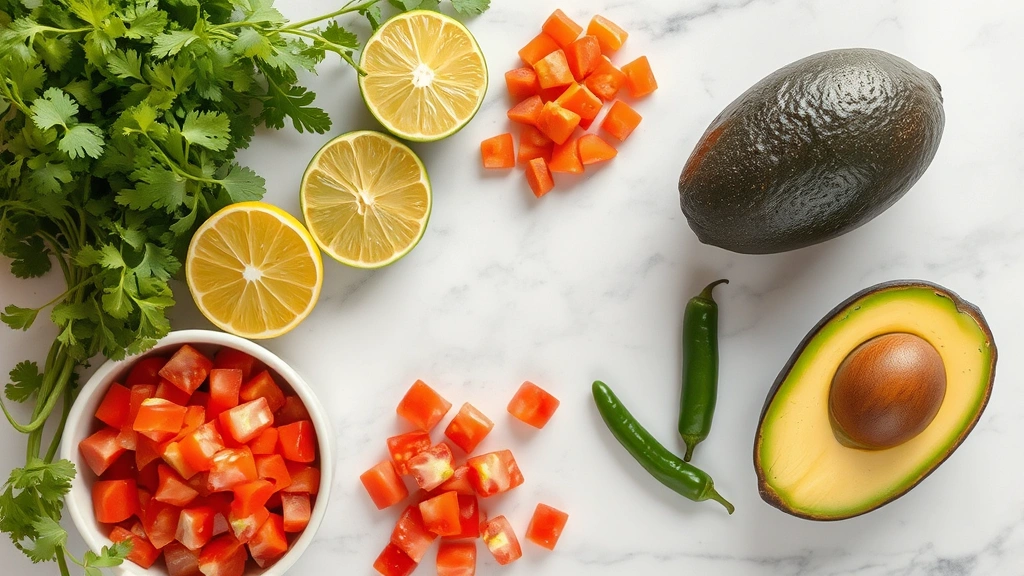
Del Taco Nutrition Facts: Dietitian Insights
Del Taco has become a staple for quick Mexican-inspired meals across America, serving millions of customers seeking affordable fast-casual dining. However, understanding the nutritional composition of menu items is essential for making informed dietary choices. This comprehensive guide breaks down Del Taco nutrition facts with expert dietitian analysis, helping you navigate the menu while maintaining your health goals.
Whether you’re counting calories, managing sodium intake, or tracking macronutrients, Del Taco offers various options with different nutritional profiles. From their signature tacos to customizable bowls and value items, each menu choice carries distinct nutritional implications. By examining the science behind these meals and comparing them to your dietary needs, you can enjoy Del Taco while supporting your wellness journey.
Understanding Del Taco’s Nutritional Philosophy
Del Taco positions itself as an accessible fast-casual option with fresh ingredients and customizable meals. The chain emphasizes quality proteins, fresh vegetables, and authentic Mexican flavors without premium pricing. However, the reality of fast-food nutrition requires careful analysis. Most Del Taco items combine calorie-dense components including seasoned meats, cheese, sour cream, and fried shells that accumulate quickly.
The restaurant’s approach to nutrition transparency has improved significantly. Del Taco provides detailed nutrition information for all menu items, including allergen data and ingredient lists. This transparency allows diners to make evidence-based choices aligned with their dietary requirements. According to research from Pew Research Center, fast-casual diners increasingly demand nutritional transparency, influencing industry-wide labeling practices.
Understanding Del Taco’s offerings requires knowing their ingredient sourcing and preparation methods. The chain uses fresh-grilled proteins, hand-rolled tortillas, and fresh produce including tomatoes, lettuce, and onions. However, preparation methods—particularly deep-frying and generous cheese portions—significantly impact nutritional values. A healthy nutrition plan requires accounting for these preparation realities when dining at fast-casual establishments.
Calorie Breakdown: Popular Menu Items
Caloric content varies dramatically across Del Taco’s menu, ranging from modest 170-calorie items to indulgent 900+ calorie combinations. Understanding these variations helps align menu choices with daily caloric targets and metabolic needs.
Tacos represent Del Taco’s signature offering, with calorie ranges depending on protein selection and shell type:
- Crunchy tacos (regular): 170 calories each, featuring seasoned ground beef and cheese in a fried shell
- Soft tacos (flour): 200-220 calories, offering similar protein with reduced fat from fried preparation
- Premium protein tacos (grilled chicken): 180-200 calories, providing leaner protein options
- Epic tacos (double meat/cheese): 350-400 calories, featuring substantial portions for appetite satisfaction
Burritos and larger items accumulate calories more rapidly. A Cheesy Bean and Rice Burrito contains approximately 470 calories, while a XXL Grilled Stuft Burrito reaches 680-750 calories. These items combine multiple protein sources, cheese, sour cream, and refried beans, creating calorie-dense meals suitable for substantial appetites but challenging for modest dietary targets.
Bowls offer customizable alternatives with varying caloric profiles. A basic Rice and Beans Bowl starts around 320 calories, while adding proteins, cheese, and sauces increases totals to 550-700 calories. The advantage of bowl-based meals involves portion visibility and customization control—you can see exactly what goes into your meal and adjust accordingly.
Beverages and sides significantly impact total meal calories. A medium fountain drink adds 200-280 calories (sugar-sweetened) or 0 calories (diet versions), while Crunchy Cheese Tacos as sides contribute 170-190 calories each. Salsa, while flavor-enhancing, remains relatively low-calorie at 10-15 calories per serving.
Sodium Content and Heart Health
Sodium represents one of the most concerning nutritional aspects of fast-casual Mexican dining. Del Taco items frequently exceed recommended daily sodium intake in single meals, with some items containing 1,000-1,500 mg of sodium alone. The American Heart Association recommends maximum 2,300 mg daily sodium, with optimal intake around 1,500 mg for cardiovascular health.
High-sodium Del Taco items include:
- Crunchwrap Supreme: 1,480 mg sodium (64% daily value)
- Cheesy Bean and Rice Burrito: 1,190 mg sodium (52% daily value)
- Grilled Stuft Burrito: 1,680 mg sodium (73% daily value)
- Crispy Shrimp Tacos: 960 mg sodium per two-taco serving
Sodium accumulation occurs through multiple sources: seasoned proteins, cheese, tortillas, refried beans, and sauces. Each component contributes incrementally, creating cumulative sodium overload. For individuals managing hypertension or cardiovascular conditions, single Del Taco meals can exceed half their daily sodium allowance.
Strategies for reducing sodium intake at Del Taco include requesting reduced-salt preparation, skipping cheese additions, selecting fresh vegetable toppings, and avoiding salty sides. Pairing meals with water rather than sodium-containing beverages also helps manage overall intake. Research published in the Journal of the American Medical Association demonstrates that reducing dietary sodium significantly decreases hypertension risk and cardiovascular disease incidence.
Protein and Macronutrient Analysis
Protein content at Del Taco varies significantly based on protein selection and portion size. Most protein-containing items deliver 12-25 grams of protein per serving, supporting muscle maintenance and satiety.
Protein-rich Del Taco options:
- Grilled chicken tacos: 13-15g protein per taco, featuring leaner protein with moderate fat
- Carne asada items: 16-20g protein, offering traditional Mexican beef preparation
- Carnitas dishes: 18-22g protein, with higher fat content from pork shoulder
- Shrimp tacos: 12-15g protein, providing seafood-based protein alternative
- Crispy fish tacos: 14-17g protein, combining protein with omega-3 fatty acids
Carbohydrate content in Del Taco meals typically ranges from 35-75 grams, coming primarily from tortillas, rice, beans, and sauces. Fiber content remains modest, usually 2-5 grams per item, as refined flour tortillas dominate the menu. For individuals following meal planning strategies, accounting for carbohydrate density helps maintain blood sugar stability.
Fat content represents a significant macronutrient consideration. Most Del Taco items contain 15-35 grams of fat, with saturated fat comprising 6-15 grams. The prevalence of fried preparation methods, cheese additions, and sour cream toppings drives fat accumulation. Saturated fat exceeding 10 grams per meal conflicts with cardiovascular health recommendations, particularly when consumed regularly.
The protein-to-calorie ratio at Del Taco generally falls below optimal standards. Most items deliver 1 gram of protein per 6-8 calories, compared to optimal ratios of 1 gram protein per 4-5 calories. This means Del Taco meals, while containing adequate protein, aren’t particularly protein-efficient for calorie investment.
Healthier Menu Modifications
Del Taco’s customization capabilities enable significant nutritional improvements. Strategic modifications reduce calories, sodium, and fat while maintaining satisfaction and flavor.
Effective modification strategies include:
- Protein selection: Choose grilled chicken or shrimp over beef, reducing saturated fat by 40-50%
- Shell alternatives: Request flour or corn tortillas instead of fried shells, saving 80-120 calories per item
- Cheese reduction: Ask for light cheese or eliminate entirely, removing 100-150 calories and 500-700 mg sodium
- Sour cream substitution: Request guacamole or request removal, reducing calories while adding beneficial monounsaturated fats
- Sauce selection: Choose salsa or pico de gallo over creamy sauces, reducing calories and fat significantly
- Vegetable additions: Request extra lettuce, tomatoes, onions, and peppers for volume without caloric impact
Building a customized meal demonstrates practical application of nutrient absorption principles. Combining lean protein with fresh vegetables and minimal processed additions creates nutritionally balanced meals supporting digestive health and nutrient bioavailability.
A modified Del Taco meal example: Two grilled chicken soft tacos with extra lettuce, tomato, and salsa (no cheese, no sour cream) totals approximately 340 calories, 22g protein, 32g carbohydrates, and 10g fat. This represents a substantially improved nutritional profile compared to standard preparations.
Comparing Del Taco to Competitors
Evaluating Del Taco within the fast-casual Mexican market provides context for nutritional assessment. Competitors including Chipotle, Qdoba, and Moe’s Southwest Grill offer similar customization with varying nutritional implications.
Comparative analysis reveals:
- Chipotle typically offers higher-quality proteins and whole grain options, though customized bowls often exceed 1,000 calories
- Qdoba provides similar customization with slightly higher fat content from cheese and sour cream defaults
- Moe’s Southwest Grill emphasizes fresh ingredients with comparable sodium and calorie profiles to Del Taco
- Del Taco distinguishes itself through value pricing and portion sizes, though nutritional density remains moderate
From a nutritional standpoint, no competitor dramatically outperforms Del Taco when items are similarly customized. The primary differentiator involves ingredient quality and preparation transparency. Research from Food Politics indicates that fast-casual chains increasingly compete on ingredient sourcing and preparation methods rather than purely nutritional metrics.
Interestingly, Del Taco’s lower price point compared to competitors may actually support healthier choices. With less financial investment required per item, diners can purchase multiple smaller items rather than single massive combinations, naturally moderating portion sizes and caloric intake.
Special Dietary Considerations
Del Taco accommodates various dietary restrictions, though modifications require careful attention to ingredient sourcing and preparation practices.
Vegetarian options at Del Taco include:
- Bean burritos and tacos, providing plant-based protein from legumes
- Cheese quesadillas, though higher in saturated fat
- Veggie burritos with beans, rice, cheese, and vegetables
- Customized bowls with beans, rice, and vegetable toppings
However, vegetarian diners should verify that beans aren’t prepared with animal products, as some fast-casual chains use lard in bean preparation. Requesting confirmation ensures alignment with dietary principles.
For individuals managing diabetes, Del Taco presents challenges due to high refined carbohydrate content and sodium levels. However, strategic choices including protein-focused items, vegetable-heavy modifications, and portion control can support blood sugar management. Pairing meals with nutrition supporting cognitive function and metabolic health requires thoughtful selection.
Gluten-free diners face limitations at Del Taco, as most tortillas contain wheat. While some items can be modified (lettuce wraps, bowls without tortillas), dedicated gluten-free preparation isn’t guaranteed, posing cross-contamination risks for celiac disease patients.
Allergen information including nuts, soy, and shellfish is available for all items. Del Taco’s transparency regarding allergens supports safe dining for individuals with food sensitivities, though always confirming preparation methods with staff remains essential.
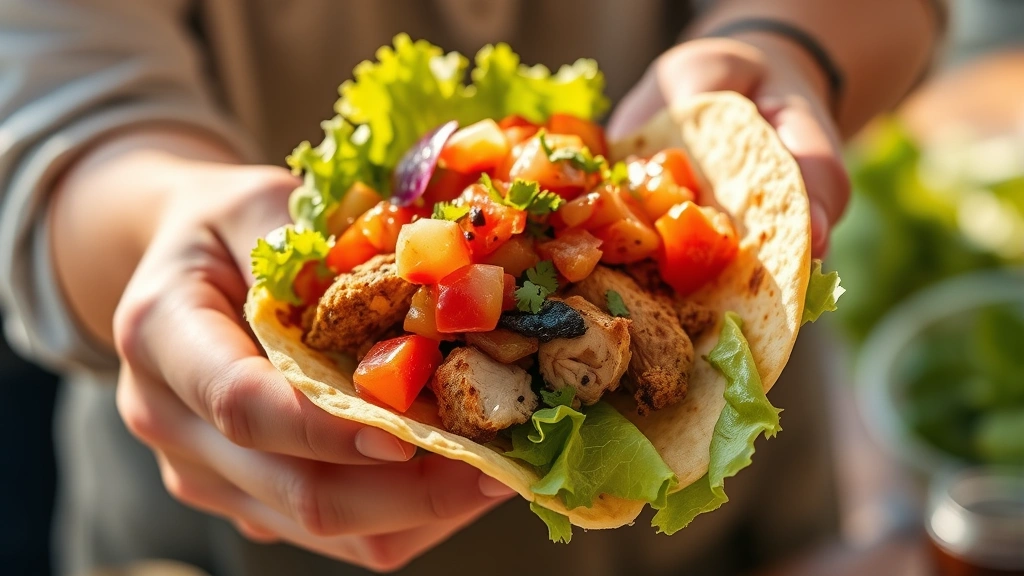
Individuals following avocado-focused nutrition strategies benefit from Del Taco’s guacamole availability. While standard preparations include guacamole, requesting additional avocado or guac substitutions enhances monounsaturated fat intake while reducing saturated fat from cheese and sour cream.
For weight management goals, Del Taco can support caloric deficit strategies when items are carefully selected. Lower-calorie options combined with portion awareness enable enjoyable dining within energy balance parameters. Research from National Institutes of Health demonstrates that sustainable weight management involves flexible dietary approaches allowing favorite foods when nutritionally optimized.
Practical Dietitian Recommendations
Expert nutrition guidance for Del Taco dining emphasizes balance, moderation, and customization. These principles apply regardless of specific dietary goals or restrictions.
Dietitian-approved Del Taco strategies:
- Prioritize protein-containing items, supporting satiety and metabolic function
- Customize protein selection toward leaner options including chicken and shrimp
- Request double vegetables while reducing cheese and creamy sauces
- Choose smaller items allowing meal variety rather than single massive combinations
- Pair meals with water, unsweetened beverages, or diet options to minimize liquid calories
- Review nutrition information beforehand, planning meals aligned with daily targets
- Practice portion awareness, consuming meals mindfully rather than habitually finishing all items
- Limit frequency of Del Taco dining to occasional meals rather than regular staples
Individual nutritional needs vary based on age, sex, activity level, health status, and dietary goals. Consulting with registered dietitian nutritionists enables personalized guidance specific to your circumstances. While general principles apply broadly, customized recommendations account for unique metabolic factors and health conditions.
FAQ
What’s the lowest-calorie Del Taco menu item?
The Crunchy Taco represents Del Taco’s lowest-calorie standard item at approximately 170 calories. However, customized options like a grilled chicken taco with salsa and minimal cheese can achieve similar or lower caloric values while providing superior nutritional profiles.
Is Del Taco suitable for keto diet followers?
Del Taco presents challenges for ketogenic diets due to high carbohydrate content in standard items. However, modifications including lettuce-wrapped tacos, skip-the-rice customizations, and protein-focused selections can reduce net carbohydrates. Always verify preparation methods and carbohydrate calculations with current nutritional data.
How much sodium is in a typical Del Taco meal?
A standard two-taco meal with a drink and side typically contains 1,400-1,800 mg sodium, representing 61-78% of daily recommended intake. For sodium-conscious diners, requesting no-salt preparations and limiting cheese can reduce this by 30-40%.
Does Del Taco offer nutritional information for all items?
Yes, Del Taco provides comprehensive nutrition information including calories, macronutrients, sodium, and allergen data for all menu items. This information is available on their website, mobile app, and in-restaurant.
Can I build a balanced meal at Del Taco?
Absolutely. Combining lean protein (grilled chicken taco), whole grain options (when available), fresh vegetables, and legumes creates nutritionally balanced meals. Customization capabilities enable significant nutritional optimization beyond standard menu items.
Is Del Taco better than other fast-food Mexican chains nutritionally?
Nutritional comparison depends on specific menu items and customizations. Del Taco generally offers comparable nutritional profiles to similar chains like Qdoba and Moe’s, with advantages including value pricing and portion flexibility. Individual choices matter more than brand selection.


