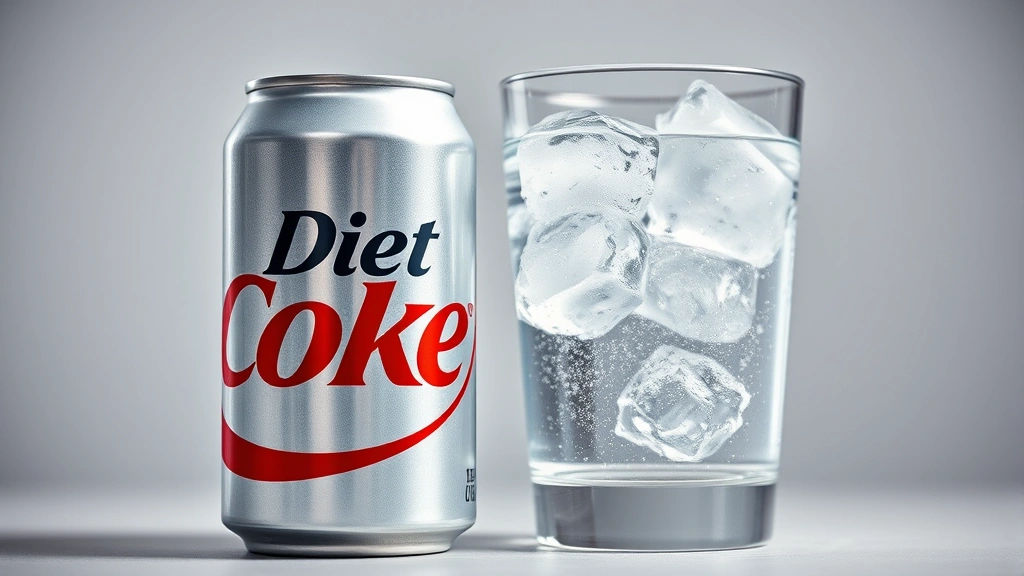
Is Diet Coke Healthy? Expert Analysis of Nutrition, Ingredients, and Health Impact
Diet Coke has been a staple in millions of households for decades, marketed as a zero-calorie alternative to regular cola. However, the question of whether Diet Coke is truly healthy remains contentious among nutritionists, health experts, and researchers. While it contains zero sugar and minimal calories, the presence of artificial sweeteners and other chemical additives has sparked ongoing debate about its long-term health implications.
This comprehensive analysis examines the nutritional profile of Diet Coke, explores the science behind its key ingredients, and evaluates what experts say about its place in a health-conscious diet. Whether you’re a daily consumer, occasional drinker, or simply curious about the health claims surrounding this popular beverage, understanding the facts can help you make informed decisions about your consumption habits.
Diet Coke Nutritional Profile
Understanding what’s actually in a can of Diet Coke is the first step toward evaluating its health status. A standard 12-ounce can contains zero calories, zero grams of sugar, and zero grams of fat. On the surface, this appears to be a nutritionally neutral beverage. However, the ingredient list tells a more complex story.
Diet Coke’s primary ingredients include carbonated water, caramel color, phosphoric acid, natural flavors, caffeine, aspartame, and potassium benzoate. The caffeine content—about 46 milligrams per 12-ounce serving—is comparable to a cup of tea but significantly less than coffee. For context, this represents roughly half the caffeine found in a standard cup of coffee.
The artificial sweetener aspartame provides the sweet taste without calories. Coca-Cola also offers Diet Coke variants sweetened with sucralose (Diet Coke with Splenda) and stevia (Diet Coke Stevia), reflecting changing consumer preferences and evolving scientific understanding of different sweetening agents. Understanding these nutrition solutions requires examining each ingredient’s potential impact on your body.
Phosphoric acid, another key ingredient, is used for both flavor and preservation. This acidic component has generated its own health concerns, particularly regarding dental health and bone density—issues we’ll explore in greater detail later in this analysis.
Artificial Sweeteners: The Core Controversy
The centerpiece of any Diet Coke health discussion revolves around aspartame, the artificial sweetener that makes the beverage taste sweet without adding calories. Aspartame has been approved by the FDA and regulatory agencies in over 100 countries, yet it remains one of the most studied and debated food additives in modern nutrition science.
Aspartame is approximately 200 times sweeter than sugar, meaning only tiny amounts are needed to achieve the desired taste. The FDA established an acceptable daily intake (ADI) of 50 milligrams per kilogram of body weight. A typical 12-ounce can of Diet Coke contains about 125 milligrams of aspartame. For a 150-pound person, this represents a fraction of the established safe limit, even if consumed daily.
However, critics argue that long-term consumption effects haven’t been thoroughly investigated, and some studies have suggested potential links between artificial sweeteners and metabolic changes. Research from the National Academy of Sciences has examined sweetener safety, though findings remain mixed and often contradictory.
The debate intensifies when considering individual sensitivity variations. Some people report headaches, mood changes, or digestive issues after consuming aspartame-containing beverages, though controlled studies often fail to replicate these effects. This discrepancy between anecdotal reports and scientific findings remains a significant challenge in aspartame research.
Sucralose and stevia, found in alternative Diet Coke formulations, present different profiles. Stevia, derived from plant sources, appeals to consumers seeking natural sweeteners. Sucralose undergoes different metabolic pathways than aspartame. Choosing between these options depends on your personal health priorities and concerns about specific sweetening agents.

Metabolic and Physiological Effects
Beyond ingredient safety, researchers have investigated whether Diet Coke consumption produces specific physiological responses. One significant finding involves the disconnect between sweet taste perception and caloric intake—a phenomenon called the “sweet taste paradox.”
When your taste buds detect sweetness, your body prepares for caloric intake. With artificial sweeteners, this expectation isn’t met. Some research suggests this mismatch might trigger compensatory eating behaviors, potentially leading to increased overall calorie consumption throughout the day. Studies from the American Psychological Association have explored these behavioral mechanisms, though causality remains unclear.
The phosphoric acid content deserves particular attention. Phosphoric acid can affect calcium absorption and bone health, particularly in individuals with insufficient calcium intake or those at risk for osteoporosis. Additionally, the acid’s erosive properties may damage tooth enamel over time, especially with frequent consumption.
Caffeine in Diet Coke produces well-documented effects: increased alertness, potential sleep disruption if consumed late in the day, and mild diuretic properties. For caffeine-sensitive individuals, even the 46-milligram content per can might produce noticeable effects. Those managing anxiety disorders, heart conditions, or pregnancy-related concerns should consider their caffeine intake carefully.
Some research has suggested potential associations between artificial sweetener consumption and altered gut microbiota composition. The human microbiome influences digestion, immune function, and metabolic health. However, most studies showing microbiome changes have used extremely high sweetener doses far exceeding typical human consumption patterns.
Your approach to nutrition and mental health should account for how beverages like Diet Coke might influence your overall dietary patterns and psychological relationship with food.
Long-Term Health Considerations
While acute safety concerns about Diet Coke appear minimal at typical consumption levels, long-term health implications warrant consideration. Several epidemiological studies have found associations between artificial sweetener consumption and increased metabolic syndrome risk, though establishing causation proves challenging.
One widely-cited study from Harvard School of Public Health followed large populations and found correlations between diet soda consumption and weight gain, despite zero caloric content. Researchers hypothesize that regular artificial sweetener consumption might disrupt satiety signals or encourage compensatory eating patterns.
Dental health represents another long-term consideration. The combination of phosphoric acid and carbonation creates an acidic environment that can erode tooth enamel over years of exposure. Individuals who consume multiple cans daily face greater erosion risk than occasional consumers.
Some observational research has suggested potential associations between artificial sweetener consumption and cardiovascular outcomes, though mechanistic pathways remain unclear. It’s important to note that observational studies cannot prove causation—people who consume more diet sodas might differ in other health behaviors that influence outcomes.
For individuals developing a comprehensive healthy nutrition plan, the cumulative effect of multiple dietary choices matters more than any single beverage. Diet Coke consumed occasionally within an otherwise balanced diet likely poses minimal risk for most people.
However, regular daily consumption—particularly multiple cans daily—represents a different scenario. The combination of caffeine, phosphoric acid, and artificial sweeteners, consumed chronically, might produce effects that differ from occasional use.
How Diet Coke Compares to Alternatives
Evaluating Diet Coke’s health status becomes easier when comparing it to alternatives. Regular Coke contains 39 grams of sugar per 12-ounce can—approximately 9 teaspoons. This represents a significant portion of the daily recommended sugar intake and contributes 140 calories. Regular soda consumption strongly correlates with weight gain, type 2 diabetes, and dental problems.
From a caloric and sugar perspective, Diet Coke clearly outperforms regular cola. However, this comparison doesn’t necessarily mean Diet Coke is “healthy”—it simply means it’s less harmful in specific ways while potentially introducing different concerns through artificial sweeteners.
Water remains the gold standard beverage for health. It provides hydration without additives, artificial ingredients, or potential metabolic effects. For those seeking flavored beverages, unsweetened sparkling water with lemon or lime offers carbonation and flavor without artificial sweeteners or high sugar content.
Natural juices provide vitamins and minerals but typically contain significant sugar. Even unsweetened juice contains naturally occurring sugars that affect blood glucose and contribute calories. Herbal tea provides hydration, potential health benefits from plant compounds, and zero calories without artificial sweeteners.
Coffee and regular tea contain caffeine and antioxidants. Black coffee or unsweetened tea offer these benefits without the additives present in Diet Coke. For individuals seeking nutrition for athletes, hydration strategies should prioritize water supplemented with electrolytes during intense exercise rather than caffeinated diet sodas.
From a pure health standpoint, Diet Coke occupies a middle ground: better than regular soda regarding sugar and calories, but inferior to water and unsweetened beverages regarding overall health profile.
What Experts Recommend
Nutritionists and health organizations generally classify Diet Coke as acceptable in moderation rather than recommended. The American Heart Association doesn’t specifically address diet sodas but recommends limiting added sugars and emphasizing water as the primary beverage.
Most expert consensus suggests that occasional Diet Coke consumption poses minimal health risk for healthy adults. However, recommendations shift for specific populations: pregnant individuals, those with anxiety disorders, caffeine-sensitive people, and individuals with osteoporosis or dental health concerns should consider limiting intake.
Healthcare providers increasingly recommend evaluating your entire dietary pattern rather than fixating on individual foods or beverages. If Diet Coke represents your only deviation from an otherwise exemplary diet, occasional consumption likely matters minimally. Conversely, if daily Diet Coke consumption accompanies other dietary compromises, it becomes part of a problematic pattern.
The psychological dimension deserves consideration. For some individuals, having a “guilt-free” Diet Coke option supports adherence to reduced-sugar diets by providing a satisfying beverage that prevents feelings of deprivation. For others, artificial sweeteners maintain cravings for sweet foods, potentially undermining long-term dietary goals.
Experts increasingly emphasize personalized approaches to nutrition. Your individual genetics, health status, dietary patterns, and life circumstances all influence whether Diet Coke represents a reasonable choice. What works for one person might not work for another.

FAQ
Is Diet Coke completely safe to drink daily?
While single cans of Diet Coke fall within established safety limits for artificial sweeteners, daily consumption hasn’t been extensively studied for long-term effects. Most experts suggest occasional consumption poses minimal risk, but daily intake warrants consideration of individual health factors, particularly caffeine sensitivity, bone health, and dental concerns.
Does Diet Coke cause weight gain despite having zero calories?
Diet Coke itself contains no calories, so it cannot directly cause weight gain. However, some research suggests that regular artificial sweetener consumption might influence appetite regulation or compensatory eating patterns, potentially contributing to overall weight gain through indirect mechanisms. Evidence remains inconclusive.
Is aspartame in Diet Coke harmful?
Aspartame has been extensively studied and approved as safe by regulatory agencies worldwide at typical consumption levels. However, some individuals report sensitivity, and long-term effects of chronic consumption remain an area of ongoing research. Those concerned about aspartame can choose alternative sweetened Diet Coke varieties.
What about the phosphoric acid in Diet Coke?
Phosphoric acid affects bone health and dental enamel, particularly with frequent consumption. Individuals concerned about osteoporosis risk or those with existing dental erosion should consider limiting phosphoric acid-containing beverages.
How does Diet Coke compare to regular Coke?
Diet Coke contains no sugar or calories compared to regular Coke’s 39 grams of sugar and 140 calories. However, Diet Coke introduces artificial sweeteners and caffeine, while regular Coke’s primary health concern is high sugar content linked to weight gain and diabetes. Both represent less healthy beverage choices compared to water.
Can I drink Diet Coke while pregnant?
Many healthcare providers recommend pregnant individuals limit caffeine intake to 200 milligrams daily. While a single Diet Coke contains only 46 milligrams of caffeine, concerns about aspartame during pregnancy remain. Consulting your healthcare provider about your specific situation is recommended.
Does Diet Coke affect teeth?
The combination of carbonation and phosphoric acid creates an acidic environment that can erode tooth enamel over time. Frequent consumption increases erosion risk. Drinking through a straw and rinsing your mouth with water afterward can minimize dental impact.


