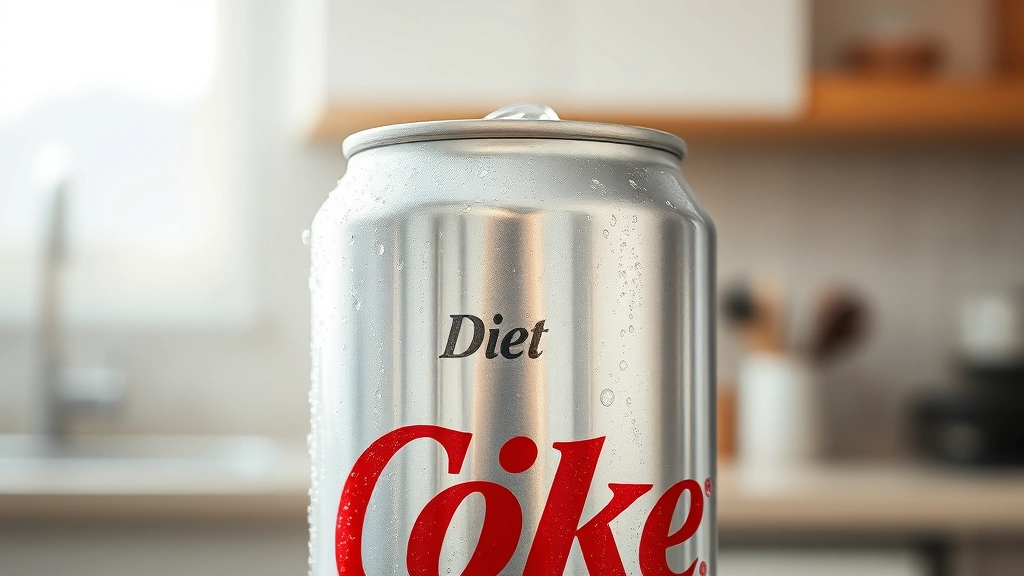
Diet Coke Nutrition Facts: Dietitian Insights and What You Need to Know
Diet Coke has been a staple in the beverage aisle since its introduction in 1982, marketed as a zero-calorie alternative to regular Coca-Cola. For decades, consumers have reached for this iconic silver can believing they were making a healthier choice. However, the relationship between Diet Coke and actual nutrition is far more complex than the marketing suggests. As a registered dietitian nutritionist, I’ve observed how the narrative around diet sodas has evolved significantly, especially as research continues to reveal unexpected metabolic effects and ingredient concerns that extend beyond simple calorie counting.
Understanding Diet Coke’s nutrition profile requires looking beyond the label’s eye-catching zeros. While the beverage technically contains zero calories, zero grams of fat, and zero grams of sugar, the presence of artificial sweeteners, caffeine, and other additives creates a nutritional picture that deserves careful examination. This comprehensive guide explores the actual nutrition data, the science behind Diet Coke’s ingredients, and practical insights from nutrition professionals about whether this popular beverage fits into a balanced diet.

Diet Coke Nutrition Label Breakdown
A standard 12-ounce (355 mL) serving of Diet Coke contains exactly zero calories, which immediately distinguishes it from its full-sugar counterpart containing 140 calories per serving. The nutrition facts panel reveals a remarkably sparse macronutrient profile: zero grams of total fat, zero grams of saturated fat, zero grams of trans fat, zero milligrams of cholesterol, 40 milligrams of sodium (2% of daily value), zero grams of total carbohydrates, zero grams of dietary fiber, zero grams of total sugars, and zero grams of protein.
From a traditional nutritional standpoint, this composition appears almost ideal for individuals monitoring caloric intake. The sodium content, while present, remains relatively modest compared to many processed foods. However, this reductionist view of nutrition—focusing solely on macronutrients and calories—misses the more nuanced story that modern nutritional science reveals. The real substance of Diet Coke’s nutrition profile lies in what the label doesn’t prominently display: the artificial sweetening agents, the phosphoric acid, and the various additives that give the beverage its characteristic taste and shelf stability.
When reviewing nutrition information, it’s important to understand that the FDA’s labeling requirements don’t capture everything relevant to health. This is why many nutrition professionals recommend consulting resources like developing a comprehensive healthy nutrition plan that considers ingredient quality, not just macronutrient counts. The presence of zero grams of added sugars doesn’t mean the beverage is metabolically neutral or without dietary considerations.

Artificial Sweeteners and Your Metabolism
Diet Coke relies primarily on aspartame as its artificial sweetener, combined with acesulfame potassium (Ace-K) in some formulations. Aspartame is approximately 200 times sweeter than sucrose, allowing manufacturers to achieve the desired taste profile without any caloric contribution. This is where the nutritional complexity becomes significant. According to Pew Research Center studies on consumer health awareness, approximately 60% of American adults consume artificial sweeteners regularly, yet many remain uncertain about their metabolic effects.
The relationship between artificial sweeteners and metabolism has become increasingly studied over the past decade. Some research suggests that non-nutritive sweeteners may paradoxically trigger metabolic responses similar to sugar consumption, potentially affecting insulin secretion and glucose metabolism. A study published in leading nutritional science journals found that regular consumption of aspartame-containing beverages was associated with changes in gut microbiota composition, which plays a crucial role in metabolic health, immune function, and even mental health—a topic explored in depth through understanding nutrition’s impact on brain function.
From a dietitian’s perspective, the zero-calorie designation creates a false sense of metabolic neutrality. While aspartame is generally recognized as safe by the FDA, individual responses to artificial sweeteners vary considerably. Some individuals experience increased cravings for sweet foods after consuming artificial sweeteners, potentially leading to overconsumption of other calorie-dense foods. Others report no such effects. This individual variability means that Diet Coke’s place in a nutrition plan requires personalized consideration rather than blanket recommendations.
The sweetness intensity of aspartame (200 times sweeter than sugar) may also affect taste preference adaptation. Regular consumption of intensely sweet beverages can recalibrate the palate, making naturally sweet foods like fruits seem less satisfying. This sensory adaptation could indirectly influence dietary choices and overall nutrition quality, even though the Diet Coke itself contains no calories.
Caffeine Content and Health Implications
A 12-ounce serving of Diet Coke contains 46 milligrams of caffeine, placing it in the moderate-caffeine beverage category. For context, a standard 8-ounce cup of brewed coffee contains approximately 95-200 milligrams of caffeine, while regular Coca-Cola contains 34 milligrams per 12 ounces. The FDA suggests that 400 milligrams of caffeine daily is safe for most healthy adults, which means an individual could theoretically consume approximately 8-9 cans of Diet Coke daily while remaining within federal guidelines.
However, individual caffeine sensitivity varies significantly based on genetics, body weight, medication interactions, and existing health conditions. For individuals sensitive to caffeine, the 46 milligrams per serving can contribute to sleep disruption, anxiety, or increased heart rate, particularly if consumed in the afternoon or evening. Caffeine also has diuretic properties, potentially increasing fluid loss, though the water content in Diet Coke partially offsets this effect.
From a nutrition and performance perspective, documented in resources about athletic nutrition optimization, caffeine can enhance endurance and focus during physical activity. However, the artificial sweeteners in Diet Coke don’t provide the carbohydrate fuel that athletes typically need during intense exercise, making it a suboptimal choice for sports hydration compared to water, electrolyte beverages, or carbohydrate-containing drinks.
Additives and Ingredients Explained
Beyond the headline nutrients, Diet Coke contains several additives that warrant examination. Phosphoric acid, present in Diet Coke, contributes to the beverage’s acidic profile (pH approximately 3.0-3.5). This acidity raises concerns among dental professionals, as prolonged exposure to acidic beverages can erode tooth enamel and potentially compromise dental health over time. The phosphoric acid also binds with calcium in the digestive system, potentially affecting mineral bioavailability and bone health with chronic consumption.
Carbonation, while not technically an additive, creates carbonic acid that further contributes to the beverage’s overall acidity. Natural flavors and caramel coloring round out the ingredient list, with caramel coloring being a subject of ongoing scrutiny regarding potential contaminants formed during the manufacturing process.
The ingredient list’s relative simplicity compared to many processed foods might suggest clean composition, but the synergistic effects of these components—artificial sweeteners, caffeine, phosphoric acid, and carbonation—create a beverage that, from a nutritional science perspective, doesn’t contribute positively to dietary goals. It provides no vitamins, minerals, antioxidants, phytonutrients, or any of the bioactive compounds associated with nutrient density.
When considering overall nutrition facts from whole food sources, the contrast becomes striking. A beverage that provides only sensory satisfaction without nutritional contribution represents a different category of food than nutrient-dense options.
Comparison with Other Beverages
Evaluating Diet Coke’s nutrition profile becomes more meaningful when compared to alternative beverages. Plain water provides complete hydration with zero calories, zero additives, and zero metabolic complications. Unsweetened tea or coffee offers similar hydration plus beneficial phytonutrients and antioxidants. Sparkling water delivers the carbonation satisfaction without phosphoric acid, artificial sweeteners, or caffeine.
Diet sodas as a category (including Diet Pepsi, Coke Zero, Sprite Zero, etc.) share similar nutritional characteristics with Diet Coke, though formulations vary slightly. Coke Zero, for instance, uses a different sweetener blend and claims a taste closer to original Coca-Cola. From a pure nutrition standpoint, these distinctions matter less than the fundamental question of whether artificially sweetened carbonated beverages belong in a health-focused diet.
When compared to regular Coca-Cola (140 calories, 39 grams of sugar per 12 ounces), Diet Coke eliminates the sugar and associated caloric content, which represents a significant reduction for individuals managing blood glucose levels or pursuing weight management. However, this comparison presents a false dichotomy—the choice isn’t limited to regular soda or Diet Coke. Numerous beverages offer superior nutritional profiles without the metabolic uncertainty surrounding artificial sweeteners.
Dietitian Recommendations for Consumption
From a registered dietitian’s perspective, Diet Coke occupies an interesting position in nutritional guidance. It’s not inherently harmful in moderation for most healthy adults, yet it’s not a beverage I would recommend as a regular dietary staple. The distinction matters: occasional consumption differs fundamentally from daily reliance.
For individuals actively managing weight, the zero-calorie profile makes Diet Coke a reasonable occasional choice compared to regular soda. However, the potential metabolic effects of artificial sweeteners and the lack of any nutritional contribution suggest that water, unsweetened tea, or sparkling water would serve the same hydration purpose with fewer potential drawbacks.
Specific populations warrant particular consideration. Individuals with phenylketonuria (PKU), a rare genetic disorder affecting phenylalanine metabolism, must avoid aspartame entirely—Diet Coke labels appropriately include this warning. Pregnant women and children might benefit from minimizing artificial sweetener exposure, though regulatory agencies maintain that current consumption levels are safe. Individuals with caffeine sensitivity, anxiety disorders, or sleep disturbances should account for Diet Coke’s 46 milligrams of caffeine in their daily intake calculations.
The phosphoric acid content deserves attention for those with osteoporosis risk factors or dental health concerns. While occasional consumption poses minimal risk, regular daily consumption could contribute to dental erosion or calcium metabolism issues, particularly in populations with inadequate calcium intake.
From a behavioral nutrition perspective, examining why someone chooses Diet Coke matters as much as the beverage itself. If it represents a conscious substitution for regular soda as part of a broader weight management strategy, it may serve a transitional purpose. However, if it reflects habitual consumption driven by taste preferences rather than deliberate dietary choices, exploring alternatives might support better overall nutrition habits.
The Nutrients Pathway Blog offers additional resources for examining beverage choices within comprehensive dietary frameworks. Rather than viewing individual foods or beverages as inherently good or bad, modern nutrition science recommends evaluating them within the context of total dietary patterns.
For those interested in understanding how specific nutritional choices affect broader health outcomes, exploring topics like dietary fiber’s role in health provides perspective on what genuinely nutrient-dense choices look like. Diet Coke, by contrast, represents a beverage that provides sensory satisfaction without contributing to fiber intake, micronutrient status, or any measured health outcome.
FAQ
Is Diet Coke actually zero calories?
Yes, Diet Coke contains zero calories per 12-ounce serving according to FDA regulations. The artificial sweeteners (aspartame and acesulfame potassium) provide sweetness without caloric contribution. However, zero calories doesn’t necessarily mean metabolically neutral, as research suggests artificial sweeteners may trigger various physiological responses independent of caloric content.
Does Diet Coke affect blood sugar levels?
Diet Coke itself contains zero grams of carbohydrates and doesn’t directly raise blood glucose levels. However, some research suggests that artificial sweeteners may affect insulin secretion and glucose metabolism in certain individuals. People with diabetes should monitor their individual responses to artificial sweeteners, as effects vary considerably.
Can I drink Diet Coke on a diet?
Diet Coke can be part of a weight management approach due to its zero-calorie content, but it’s not an optimal choice. Water, unsweetened tea, or sparkling water would provide hydration without artificial sweeteners or phosphoric acid. If you enjoy the taste, occasional Diet Coke consumption won’t derail weight management efforts, but it shouldn’t become a dietary staple.
How much caffeine does Diet Coke contain?
A 12-ounce serving of Diet Coke contains 46 milligrams of caffeine. This is moderate compared to coffee (95-200 mg per 8 oz) but higher than regular Coca-Cola (34 mg per 12 oz). Individuals sensitive to caffeine should account for this content in their daily caffeine calculations.
Is aspartame safe?
The FDA and other regulatory agencies classify aspartame as safe for the general population at current consumption levels. However, individuals with phenylketonuria (PKU) must avoid it due to its phenylalanine content. Some individuals report adverse effects or prefer to minimize artificial sweetener consumption based on personal preference or precautionary principle.
Does Diet Coke harm teeth?
Diet Coke’s phosphoric acid and carbonation create an acidic environment (pH around 3.0-3.5) that can erode tooth enamel with chronic exposure. Dental professionals recommend limiting acidic beverage consumption and rinsing mouth with water after consumption to minimize enamel damage risk.
What’s the difference between Diet Coke and Coke Zero?
Both contain zero calories and zero sugar, but they use different sweetener combinations. Diet Coke uses aspartame and acesulfame potassium, while Coke Zero uses aspartame, acesulfame potassium, and sucralose. Coke Zero is formulated to taste more similar to original Coca-Cola. Nutritionally, both are comparable in terms of caloric and macronutrient content.


