Diet Coke Nutrition: What Dietitians Say About This Popular Beverage
Diet Coke has been a staple in American refrigerators since 1982, offering consumers a zero-calorie alternative to regular cola. Yet despite its popularity, questions persist about whether this artificially sweetened beverage truly belongs in a health-conscious diet. Dietitians and nutritional researchers continue to examine the ingredients, potential health effects, and role of diet sodas in modern nutrition—revealing a more nuanced picture than marketing campaigns suggest.
Understanding diet coke nutrition facts requires looking beyond the simple label claims of zero calories and zero sugar. The drink contains multiple artificial ingredients, caffeine, and additives that merit careful consideration, particularly for those managing specific health conditions or following particular dietary protocols. This comprehensive guide explores what nutrition experts actually recommend about Diet Coke consumption.
Diet Coke Nutrition Facts Breakdown
A 12-fluid-ounce serving of Diet Coke contains zero calories, zero grams of fat, zero grams of carbohydrates, and zero grams of sugar. However, the ingredient list tells a more complex story. The primary components include carbonated water, carbon dioxide, caramel color, phosphoric acid, natural flavors, caffeine, aspartame, acesulfame potassium, citric acid, and sodium benzoate.
The sodium content in Diet Coke amounts to 40 milligrams per 12-ounce can, representing less than 2% of the daily recommended value. While this is relatively modest, regular consumption of multiple cans daily could contribute meaningfully to total sodium intake. For those monitoring sodium for hypertension or other cardiovascular concerns, this cumulative effect warrants attention when developing a healthy nutrition plan.
The phosphoric acid content deserves particular scrutiny. This ingredient comprises approximately 0.015% of the beverage and serves as a preservative and flavoring agent. Emerging research suggests that chronic phosphoric acid consumption may affect bone mineral density and calcium absorption, though the evidence remains contested within the scientific community.
Regarding micronutrients, Diet Coke provides no vitamins or minerals of significance. Unlike some fortified beverages, it offers no nutritional benefit beyond taste satisfaction and the stimulant effect of caffeine. This distinction matters when considering whether Diet Coke fits within overall dietary patterns aimed at meeting nutrient requirements.
Artificial Sweeteners and Health Concerns
Aspartame and acesulfame potassium represent the sweetening agents in Diet Coke, providing the sweet taste without calories. Aspartame, discovered in 1965, has undergone extensive safety testing by the FDA and multiple international regulatory bodies. The FDA established an acceptable daily intake (ADI) of 50 milligrams per kilogram of body weight—meaning an average adult would need to consume approximately 16 cans of Diet Coke daily to exceed this threshold.
Despite regulatory approval, concerns persist among some nutrition professionals and researchers. A comprehensive examination of artificial sweetener research reveals mixed findings regarding long-term health effects. Some observational studies suggest associations between artificial sweetener consumption and metabolic changes, though establishing causation remains challenging.
The gut microbiome represents an emerging area of investigation. Recent research indicates that aspartame and acesulfame potassium may alter bacterial communities in the digestive tract, potentially affecting metabolism and glucose regulation. However, these studies typically involve laboratory conditions or animal models, and human translation remains uncertain.
Acesulfame potassium (also called Ace-K) provides 200 times the sweetness of sugar and comprises a smaller portion of Diet Coke’s sweetening profile. This ingredient has generated less controversy than aspartame, though some advocacy groups continue questioning its safety profile despite regulatory approval.
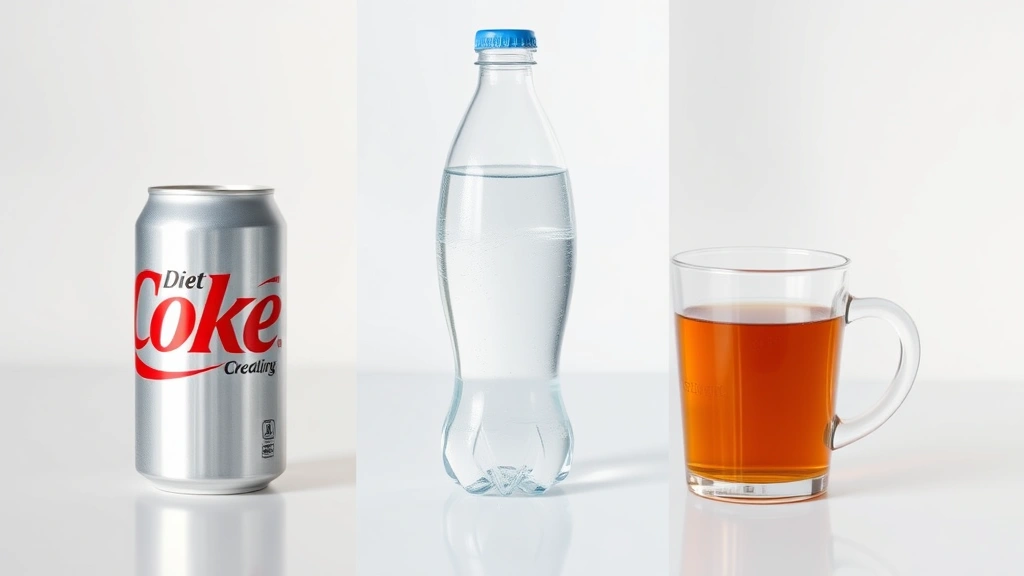
Dietitians emphasize that occasional Diet Coke consumption poses minimal risk for most adults, but regular daily consumption—particularly for sensitive populations—warrants consideration of alternative beverages. This recommendation aligns with broader dietary guidance emphasizing water, unsweetened tea, and other non-artificially-sweetened options as primary hydration sources.
Caffeine Content and Implications
Diet Coke contains 46 milligrams of caffeine per 12-ounce serving, representing a moderate caffeine dose. This quantity equates to approximately half the caffeine found in a standard 8-ounce cup of brewed coffee. The FDA recommends that healthy adults limit caffeine intake to 400 milligrams daily—roughly equivalent to four cups of coffee or approximately nine cans of Diet Coke.
For most adults, this caffeine level poses minimal concern. However, certain populations require heightened awareness. Pregnant and nursing individuals should limit caffeine intake to 200 milligrams daily according to ACOG guidelines, making Diet Coke consumption something to carefully monitor. Additionally, individuals sensitive to caffeine, those with anxiety disorders, or those experiencing sleep disturbances should consider the timing and frequency of Diet Coke consumption.
The caffeine in Diet Coke provides a mild stimulant effect, increasing alertness and focus temporarily. However, this benefit diminishes with regular consumption as tolerance develops. Some individuals experience caffeine dependence, leading to withdrawal headaches and fatigue when intake ceases abruptly.
Caffeine’s effects on bone health represent another consideration. Some research suggests that excessive caffeine consumption may modestly increase urinary calcium excretion, though adequate dietary calcium typically compensates for this effect. This relationship underscores the importance of maintaining proper calcium and magnesium intake when consuming caffeinated beverages regularly.
What Dietitians Actually Recommend
Professional dietitians generally approach Diet Coke consumption pragmatically rather than categorically condemning or endorsing it. Most registered dietitian nutritionists (RDNs) acknowledge that occasional Diet Coke consumption fits within a balanced diet for most adults. The consensus centers on frequency and quantity rather than absolute prohibition.
Leading nutrition organizations, including the Academy of Nutrition and Dietetics, emphasize that while artificially sweetened beverages are not optimal hydration sources, they pose lower risk than sugar-sweetened alternatives. This distinction proves important for individuals transitioning from regular soda to zero-calorie options, where Diet Coke may serve as a harm-reduction strategy.
Dietitians often recommend limiting artificially sweetened beverages to no more than one serving daily, with water comprising the primary hydration source. This approach acknowledges both the safety of occasional consumption and the superior nutritional profile of water-based hydration. When incorporated thoughtfully into overall dietary patterns, Diet Coke need not derail health goals.
For those seeking to reduce or eliminate Diet Coke, dietitians suggest gradual transitions rather than abrupt cessation. Strategies include mixing Diet Coke with sparkling water to reduce artificial sweetener exposure while maintaining carbonation satisfaction, or substituting with unsweetened tea, flavored water, or other naturally-flavored beverages. This gradual approach aligns with evidence-based behavior change principles and increases long-term success rates.
Developing sustainable eating patterns requires balancing restriction with practicality, which is why exploring tips for meal planning that account for beverage choices proves valuable. Dietitians recognize that sustainable nutrition involves foods and beverages people actually enjoy consuming.
Comparing Diet Coke to Alternatives
Understanding how Diet Coke compares to other beverages helps contextualize its role in dietary patterns. Regular Coca-Cola contains 140 calories and 39 grams of sugar per 12-ounce can—amounts that exceed recommended daily added sugar intake by themselves. From this perspective, Diet Coke represents a substantial caloric and sugar reduction for individuals seeking cola-like satisfaction.
Compared to other zero-calorie beverages, Diet Coke’s artificial sweetener content distinguishes it from options like sparkling water (which contains no sweeteners, caffeine, or additives beyond carbonation) or unsweetened tea (which provides beneficial phytochemicals and antioxidants). However, Diet Coke’s established track record and familiarity appeal to many consumers compared to lesser-known brands.
Diet sodas containing different sweetening agents—such as those using stevia or sugar alcohols—present alternative options. Stevia-sweetened beverages avoid artificial sweeteners entirely, though stevia carries a slightly bitter aftertaste that some consumers find objectionable. Sugar alcohols like erythritol provide sweetness with minimal caloric content but may cause digestive discomfort in sensitive individuals.
Coffee and tea represent nutritionally superior alternatives, offering caffeine alongside beneficial compounds including polyphenols, flavonoids, and other antioxidants. Black coffee contains negligible calories, while unsweetened tea provides similar benefits. For those enjoying these beverages’ taste profiles, transitioning from Diet Coke to coffee or tea aligns with evidence-based nutrition recommendations.
Flavored sparkling water without artificial sweeteners or caffeine represents another option, though some formulations contain minimal natural flavoring and may lack the satisfaction that Diet Coke drinkers seek. The proliferation of flavored sparkling water brands in recent years reflects growing consumer demand for alternatives to both sugary and artificially-sweetened beverages.

Special Populations and Considerations
Certain groups warrant special consideration regarding Diet Coke consumption. Pregnant individuals should limit caffeine intake and may want to avoid artificial sweeteners due to precautionary principles, even though current evidence suggests safety at typical consumption levels. Consulting healthcare providers about individual circumstances proves prudent.
Children and adolescents represent another population deserving attention. While occasional Diet Coke consumption likely poses minimal risk, establishing healthy beverage habits during youth supports lifelong patterns. Many pediatric nutrition experts recommend water and milk as primary beverages for children, with Diet Coke reserved for occasional consumption rather than regular intake.
Individuals with phenylketonuria (PKU), a rare genetic disorder affecting phenylalanine metabolism, must avoid aspartame entirely since aspartame breaks down into phenylalanine. Diet Coke labels appropriately warn “Contains Phenylalanine” to protect this vulnerable population.
Those managing type 2 diabetes or prediabetes often receive conflicting information about artificially sweetened beverages. While Diet Coke contains no sugar and won’t directly spike blood glucose, some research suggests that artificial sweeteners may affect insulin sensitivity and glucose metabolism over time. Individual responses vary considerably, making personalized guidance from diabetes educators or registered dietitian nutritionists valuable.
Individuals with anxiety disorders or sleep disturbances should carefully monitor caffeine intake from all sources, including Diet Coke. The stimulant effect, while beneficial for alertness in some contexts, can exacerbate anxiety symptoms or interfere with sleep quality in susceptible individuals.
Those following specific dietary protocols—such as paleo, whole-food plant-based, or clean eating approaches—may choose to avoid Diet Coke due to its processed nature, despite its technical compliance with macronutrient targets. Aligning beverage choices with broader dietary philosophy and values often enhances dietary adherence and satisfaction.
Understanding how diet coke nutrition relates to nutrition and mental health helps individuals make informed choices, particularly regarding caffeine’s effects on mood, anxiety, and cognitive function.
The Bottom Line on Diet Coke Consumption
Diet Coke occupies a middle ground in the nutritional landscape—neither inherently harmful nor particularly beneficial. For most adults, occasional consumption poses minimal risk, while regular daily intake warrants consideration of alternatives. The zero-calorie, zero-sugar profile makes Diet Coke preferable to regular soda for those seeking cola-like satisfaction, though water and other unadorned beverages represent nutritionally optimal choices.
Dietitians’ recommendations reflect current scientific evidence while acknowledging practical realities of food choice and behavior. Rather than advocating for universal Diet Coke elimination, nutrition professionals encourage thoughtful consumption patterns aligned with individual health goals, medical conditions, and preferences.
Visiting the nutrition solutions section provides additional resources for optimizing dietary patterns. For comprehensive guidance tailored to individual circumstances, consulting registered dietitian nutritionists offers personalized recommendations transcending generic advice.
FAQ
Is Diet Coke bad for you?
Diet Coke is not inherently bad for most adults in moderation, though it’s not nutritionally beneficial either. It contains artificial sweeteners and caffeine that warrant consideration for certain populations, particularly pregnant individuals and those sensitive to caffeine. Occasional consumption fits within healthy diets, but water remains the optimal hydration source.
How much Diet Coke is safe to drink daily?
Most dietitians recommend limiting artificially sweetened beverages, including Diet Coke, to no more than one serving daily. For context, the FDA considers 400 milligrams of daily caffeine safe for healthy adults—equivalent to roughly nine Diet Cokes—though this doesn’t account for artificial sweetener considerations or other caffeine sources.
Does Diet Coke affect weight loss?
Diet Coke itself contains no calories and won’t directly cause weight gain. However, some research suggests artificial sweeteners may affect appetite regulation or metabolism in ways that could indirectly influence weight management. Individual responses vary considerably, making personalized assessment valuable.
What are the main ingredients in Diet Coke?
Diet Coke’s primary ingredients include carbonated water, aspartame, acesulfame potassium (artificial sweeteners), caffeine, phosphoric acid, natural flavors, caramel color, citric acid, and sodium benzoate (preservative). These combine to create the familiar taste profile without calories or sugar.
Should I worry about aspartame in Diet Coke?
Regulatory agencies including the FDA consider aspartame safe at current consumption levels. However, if you prefer avoiding artificial sweeteners, alternatives exist. Some individuals choose naturally-sweetened beverages or simply prefer reducing artificial ingredient intake on principle, which represents a valid personal choice even if regulatory agencies deem it safe.
Can I drink Diet Coke while pregnant?
Pregnant individuals should consult healthcare providers about Diet Coke consumption. While regulatory agencies consider the ingredients safe, many pregnancy guidelines recommend limiting caffeine intake to 200 milligrams daily and potentially avoiding artificial sweeteners using a precautionary approach. Individual circumstances vary, making personalized guidance valuable.
Is Diet Coke better than regular Coke?
From a caloric and sugar perspective, Diet Coke represents a significant improvement over regular Coke’s 140 calories and 39 grams of sugar per serving. However, water and unsweetened beverages remain nutritionally superior to both options. Diet Coke serves as a reasonable transition beverage for those reducing sugar intake.
What’s the caffeine content in Diet Coke?
A 12-ounce can of Diet Coke contains 46 milligrams of caffeine, representing roughly half the caffeine in an 8-ounce cup of brewed coffee. This moderate amount poses minimal concern for most adults but warrants consideration for those sensitive to caffeine or managing anxiety or sleep issues.


