Diet Coke Nutrition Facts: Expert Breakdown
Diet Coke has been a staple in the beverage industry for decades, offering consumers a zero-calorie alternative to traditional cola drinks. Understanding the diet coke nutritional content is essential for anyone making informed dietary choices. This comprehensive guide examines the ingredients, nutritional profile, and health implications of this widely consumed soft drink.
Many consumers reach for Diet Coke assuming it’s a healthier option due to its zero-calorie claim, but the reality is more nuanced. The drink contains various artificial sweeteners, additives, and compounds that warrant careful examination. Whether you’re a regular Diet Coke drinker or considering adding it to your routine, understanding what’s actually in your can is crucial for maintaining a balanced approach to nutrition and wellness.
Reading the Nutrition Label
The standard 12-ounce serving of Diet Coke contains zero calories, zero grams of total fat, zero grams of sodium, zero grams of carbohydrates, and zero grams of protein. At first glance, this makes Diet Coke appear to be a nutritionally neutral beverage. However, the absence of traditional nutrients doesn’t mean the drink is without impact on your body.
When examining the nutrition label, you’ll notice that despite having no measurable calories or macronutrients, Diet Coke does contain several active compounds. The label lists ingredients rather than traditional nutritional metrics for many of its components. This distinction is important because it means Diet Coke’s significance lies not in what it provides nutritionally, but in what substances it introduces into your system.
For those monitoring their healthy nutrition plan, understanding this distinction helps contextualize Diet Coke’s role in your diet. The drink contains no vitamins, minerals, or fiber—components essential to human health—yet it does contain ingredients that interact with your body in various ways.

Key Ingredients Explained
Diet Coke’s ingredient list is relatively straightforward but includes several components worth understanding. The primary ingredients are carbonated water, caramel color, phosphoric acid, natural flavors, caffeine, aspartame, potassium benzoate, acesulfame potassium, and citric acid.
Carbonated Water: The base of Diet Coke, carbonated water is simply water infused with carbon dioxide gas. This creates the characteristic fizz and slight acidity of the beverage.
Caramel Color: This ingredient provides Diet Coke’s distinctive brown appearance. It’s created through a heating process of sugars and doesn’t contribute to the sweetness of the drink.
Phosphoric Acid: This weak acid contributes to Diet Coke’s tangy taste and helps preserve the product. Phosphoric acid has been studied for its potential effects on bone health and dental enamel.
Natural Flavors: These proprietary ingredients are what make Diet Coke taste distinctly different from other diet sodas. The exact composition is a closely guarded trade secret.
Understanding these ingredients impacts nutrient absorption and overall dietary considerations. When combined, they create a beverage with minimal nutritional value but significant flavor and sensory appeal.
Artificial Sweeteners and Health
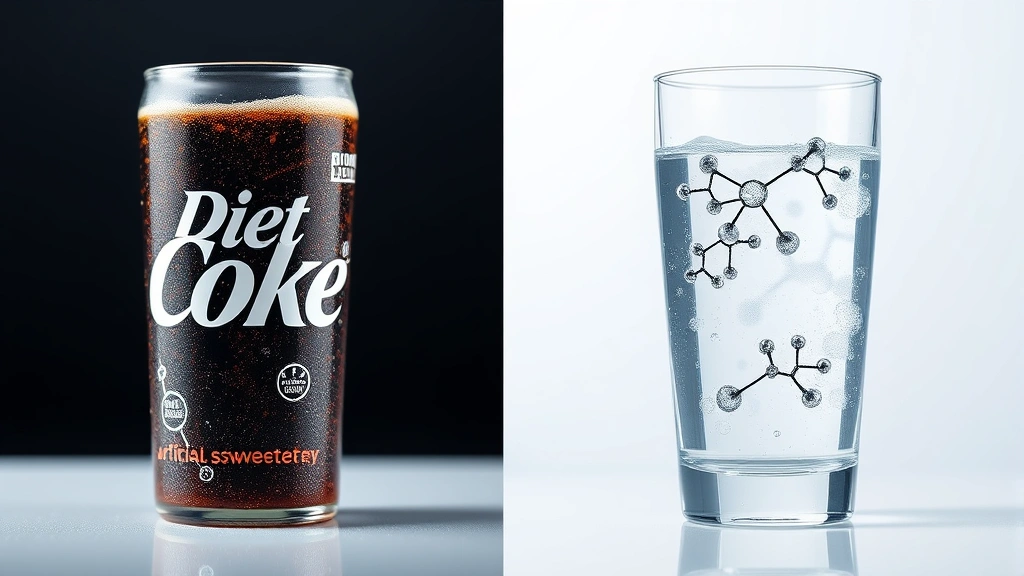
Diet Coke’s sweet taste without calories comes from two artificial sweeteners: aspartame and acesulfame potassium (Ace-K). These compounds are significantly sweeter than sugar, allowing manufacturers to use tiny amounts to achieve the desired taste.
Aspartame: This sweetener is approximately 200 times sweeter than sucrose. It’s composed of two amino acids—aspartic acid and phenylalanine—along with methanol. The FDA has deemed aspartame safe for the general population, though individuals with phenylketonuria (PKU) should avoid it. The FDA maintains extensive safety data on aspartame, though ongoing research continues to examine long-term consumption patterns.
Acesulfame Potassium: Also known as Ace-K, this sweetener is about 200 times sweeter than sugar and is often used in combination with aspartame. The synergistic effect of these two sweeteners creates a more sugar-like taste profile.
Research from Pew Research Center’s health and science studies indicates that consumer concerns about artificial sweeteners remain significant despite regulatory approval. Some studies suggest that artificial sweeteners may affect gut bacteria and glucose metabolism, though the evidence remains mixed and requires further investigation.
The relationship between artificial sweeteners and metabolism is complex. Some research indicates that sweeteners might trigger sweet taste receptors without providing calories, potentially confusing metabolic signaling. However, other studies show minimal impact on weight management or metabolic health when consumed in moderation.
Caffeine Content Analysis
A 12-ounce can of Diet Coke contains 46 milligrams of caffeine, making it a moderate source of this stimulant. For context, a cup of coffee typically contains 95-200 milligrams of caffeine, while a cup of tea contains 25-50 milligrams.
Caffeine is a central nervous system stimulant that affects alertness, concentration, and energy levels. For most adults, the FDA recommends consuming no more than 400 milligrams of caffeine per day. A single can of Diet Coke represents approximately 11.5% of this daily recommendation.
The caffeine in Diet Coke can have various effects depending on individual sensitivity, time of consumption, and overall daily caffeine intake. Some people experience improved focus and alertness, while others may experience jitteriness, anxiety, or sleep disruption. Research on caffeine consumption patterns shows that individual responses vary significantly based on genetics and habitual use.
For those concerned about caffeine intake, Diet Coke also comes in caffeine-free varieties, though these contain the same artificial sweeteners and other ingredients as regular Diet Coke.
Diet Coke vs Other Beverages
Comparing Diet Coke to other popular beverages reveals important nutritional distinctions. Regular Coca-Cola contains 140 calories and 39 grams of sugar per 12-ounce serving, making it significantly higher in energy density. Coke Zero Sugar, another Coca-Cola product, also contains zero calories but uses different sweetener combinations.
Diet Coke vs Regular Coke: The primary difference is the elimination of sugar and the addition of artificial sweeteners. While Diet Coke removes 140 calories, it introduces aspartame and Ace-K instead.
Diet Coke vs Water: Water contains no calories, no additives, and no artificial sweeteners. It provides hydration without any additional compounds. For those following a nutrients pathway, water remains the gold standard for beverage choices.
Diet Coke vs Diet Pepsi: Diet Pepsi uses similar sweeteners but includes caffeine at slightly different levels. Both are nutritionally comparable, with differences primarily in flavor profile.
Diet Coke vs Coffee: Black coffee contains caffeine similar to Diet Coke but without artificial sweeteners or additives. However, coffee typically contains beneficial compounds like polyphenols and antioxidants that Diet Coke lacks.
When examining your beverage choices through a nutritional lens, the context of your overall diet matters significantly. Occasional Diet Coke consumption likely has minimal impact for most people, but habitual daily consumption warrants consideration of healthier alternatives.
Health Considerations
While Diet Coke is zero calories and contains no sugar, several health considerations merit discussion. Understanding these factors helps you make informed decisions about your beverage consumption.
Dental Health: The phosphoric acid in Diet Coke contributes to the beverage’s acidity, which can affect tooth enamel over time. Studies indicate that acidic beverages, consumed frequently, may increase the risk of dental erosion. Drinking Diet Coke through a straw and rinsing your mouth afterward can help minimize this risk.
Bone Health: Some research has suggested a potential link between phosphoric acid consumption and bone health, though evidence remains inconclusive. The American Society for Bone and Mineral Research continues to examine these relationships through ongoing studies.
Metabolic Effects: Some studies suggest that artificial sweeteners might affect glucose metabolism or insulin response, though results vary across different research populations. The mechanisms remain unclear, and more research is needed to understand long-term effects.
Caffeine Sensitivity: Individuals sensitive to caffeine should monitor their Diet Coke consumption, particularly in the afternoon and evening when caffeine sensitivity can impact sleep quality.
Hydration: While Diet Coke does provide fluid, caffeinated beverages have mild diuretic effects. For optimal hydration, water remains the superior choice, though Diet Coke’s contribution to overall fluid intake is relatively minor.
For those interested in nutrition and mental health connections, caffeine’s effects on mood and anxiety should be considered in your overall dietary approach.
Safe Consumption Guidelines
Based on current research and regulatory guidance, most health professionals agree that moderate Diet Coke consumption is unlikely to cause harm for the general adult population. However, certain groups should exercise caution.
General Adults: Consuming one or two Diet Cokes daily is considered safe for most adults. This represents a small portion of the recommended daily caffeine limit and exposes you to minimal amounts of artificial sweeteners.
Pregnant Women: The American College of Obstetricians and Gynecologists recommends limiting caffeine to 200 milligrams daily during pregnancy. Two cans of Diet Coke would represent about 46% of this limit. Additionally, some research suggests that artificial sweeteners should be limited during pregnancy, though regulatory agencies consider them safe.
Children and Adolescents: The American Academy of Pediatrics recommends that children avoid caffeine-containing beverages. Diet Coke’s caffeine content and artificial sweeteners make it unsuitable for young people.
Individuals with PKU: People with phenylketonuria cannot metabolize phenylalanine properly and must avoid aspartame-containing products, including Diet Coke.
Those Sensitive to Caffeine: Individuals who experience anxiety, sleep disruption, or other caffeine-related symptoms should consider caffeine-free alternatives or limit consumption to morning hours.
If you’re managing specific health conditions, consulting with your healthcare provider about Diet Coke consumption is wise. Individual circumstances vary, and professional guidance ensures you’re making choices aligned with your personal health goals.
FAQ
Is Diet Coke bad for you?
Diet Coke is not inherently “bad” when consumed moderately by healthy adults. It contains no calories, sugar, or nutritional value, but also introduces artificial sweeteners and phosphoric acid. The evidence suggests that occasional consumption poses minimal risk, though regular consumption warrants consideration of health factors like dental health and caffeine sensitivity. For those following comprehensive nutrition facts approaches, water or unsweetened beverages remain superior choices.
How much caffeine is in Diet Coke?
A standard 12-ounce can of Diet Coke contains 46 milligrams of caffeine. This is moderate compared to coffee (95-200 mg) but higher than tea (25-50 mg). For those monitoring total daily caffeine intake, this represents approximately 11.5% of the FDA’s recommended 400-milligram daily limit.
Does Diet Coke contain aspartame?
Yes, Diet Coke contains aspartame as its primary sweetener. It also includes acesulfame potassium as a secondary sweetener. Both compounds are FDA-approved and considered safe for the general population, though individuals with phenylketonuria should avoid aspartame.
Can Diet Coke help with weight loss?
Diet Coke contains zero calories and zero sugar, making it a lower-calorie choice than regular soda. However, it provides no nutritional benefits and doesn’t actively promote weight loss. Some research suggests that artificial sweeteners might affect satiety or glucose metabolism, though evidence remains mixed. Weight loss ultimately depends on overall caloric intake and lifestyle factors.
Is Diet Coke bad for your teeth?
Diet Coke’s phosphoric acid content contributes to its acidity, which can affect tooth enamel with frequent consumption. Drinking through a straw, limiting consumption, and rinsing your mouth afterward can help protect dental health. For those concerned about dental erosion, water or milk represent superior beverage choices.
Does Diet Coke contain any natural ingredients?
Diet Coke’s ingredient list includes “natural flavors,” which are derived from natural sources but processed for use in beverages. The exact composition is proprietary. Otherwise, Diet Coke primarily contains synthetic ingredients like artificial sweeteners and additives rather than whole food components.
Can pregnant women drink Diet Coke?
Pregnant women should limit caffeine to 200 milligrams daily according to medical guidelines. Two cans of Diet Coke would represent about 46% of this limit. Additionally, some experts recommend limiting artificial sweeteners during pregnancy, though regulatory agencies consider them safe. Consulting with a healthcare provider is advisable.
What’s the difference between Diet Coke and Coke Zero?
While both contain zero calories and no sugar, Diet Coke and Coke Zero use different sweetener blends. Diet Coke uses aspartame and Ace-K, while Coke Zero uses aspartame, Ace-K, and potentially other sweeteners. Many people perceive Coke Zero as tasting closer to regular Coke, though both are nutritionally comparable.


