Is Diet Dr Pepper Healthy? Nutritionist Insight on Diet Doctor Pepper Nutrition
Diet Dr Pepper has become a staple beverage for millions seeking to reduce sugar intake without sacrificing flavor. As a zero-calorie, zero-sugar alternative to regular soda, it presents an appealing option in an era of heightened health consciousness. However, the question of whether Diet Dr Pepper is truly “healthy” requires deeper nutritional analysis beyond its marketing claims. This comprehensive guide examines the ingredients, potential health impacts, and expert nutritionist perspectives on this popular diet cola.
The beverage industry has undergone significant transformation over the past two decades, with consumers increasingly scrutinizing what they consume. Diet sodas occupy a unique position in this landscape—they eliminate the obvious culprit of added sugars while maintaining the satisfying taste that regular sodas provide. Yet this achievement comes through artificial sweeteners and various chemical additives that warrant careful examination. Understanding the complete nutritional profile of Diet Dr Pepper requires looking beyond the nutrition label to understand how its components interact with your body.
Whether you’re a casual consumer or someone making deliberate dietary choices, this analysis provides evidence-based insights to help you make informed decisions about including Diet Dr Pepper in your daily routine. We’ll explore the science behind its sweeteners, examine what nutritionists actually recommend, and provide practical guidance for incorporating—or eliminating—this beverage from your diet.
Nutritional Profile and Ingredients
Diet Dr Pepper contains virtually no calories—typically zero to ten calories per 12-ounce serving—and contains zero grams of sugar, which immediately distinguishes it from its full-sugar counterpart. A single serving of regular Dr Pepper contains 150 calories and 40 grams of added sugar, making the diet version mathematically superior in these metrics. However, the way Diet Dr Pepper achieves this dramatic reduction reveals the true complexity of the product.
The ingredient list reads like a chemistry textbook: carbonated water, caramel color, aspartame, phosphoric acid, caffeine, potassium benzoate, natural and artificial flavors, caffeine, citric acid, and red 40. Each component serves a specific purpose in creating the beverage’s taste, appearance, and shelf stability. Understanding what each ingredient does helps clarify whether Diet Dr Pepper deserves a place in a health-conscious diet.
Carbonated water forms the base, providing the signature fizz and mouthfeel. Caramel color gives Diet Dr Pepper its distinctive brown appearance, derived from heated sugars but not contributing calories in the final product. Phosphoric acid provides tartness and acts as a preservative, while caffeine—approximately 41 milligrams per 12-ounce can—delivers the stimulant effect consumers expect. These elements create the sensory experience without the sugar penalty.
The most significant ingredients from a health perspective are aspartame and potassium benzoate. Aspartame is an artificial sweetener approximately 200 times sweeter than sugar, allowing manufacturers to use minimal quantities while achieving desired sweetness. Potassium benzoate serves as a preservative to extend shelf life. Both have been extensively studied, yet both remain subjects of nutritional debate and consumer concern.
When evaluating whether Diet Dr Pepper fits into a healthy nutrition plan, examining its complete ingredient profile proves essential. The absence of calories and sugar doesn’t automatically translate to healthfulness; instead, it shifts the evaluation focus to artificial additives and their physiological effects.
Artificial Sweeteners: The Core Concern
Aspartame represents the primary point of contention for nutritionists evaluating Diet Dr Pepper’s health status. This artificial sweetener has been approved by the FDA since 1981 and is used in thousands of food and beverage products worldwide. Despite regulatory approval, aspartame remains controversial among consumers and some health practitioners who question its long-term safety profile.
Aspartame breaks down during digestion into three components: aspartic acid, phenylalanine, and methanol. Each component exists in foods naturally—aspartic acid in protein-containing foods, phenylalanine in protein sources, and methanol in fruits and vegetables. The quantities present in Diet Dr Pepper fall well within FDA-established acceptable daily intake levels. A person would need to consume approximately 75 cans of Diet Dr Pepper daily to exceed the FDA’s established safety threshold for aspartame consumption.
However, the safety debate extends beyond acute toxicity concerns. Some research suggests that artificial sweeteners may influence metabolism, appetite regulation, and gut bacteria composition in ways that could undermine weight management goals. A study published in the journal Appetite found that artificial sweeteners might trigger sweet taste receptors in ways that could theoretically increase cravings for sweet foods. Other research from Pew Research Center indicates evolving consumer attitudes toward artificial ingredients, reflecting broader concerns about ultra-processed foods.
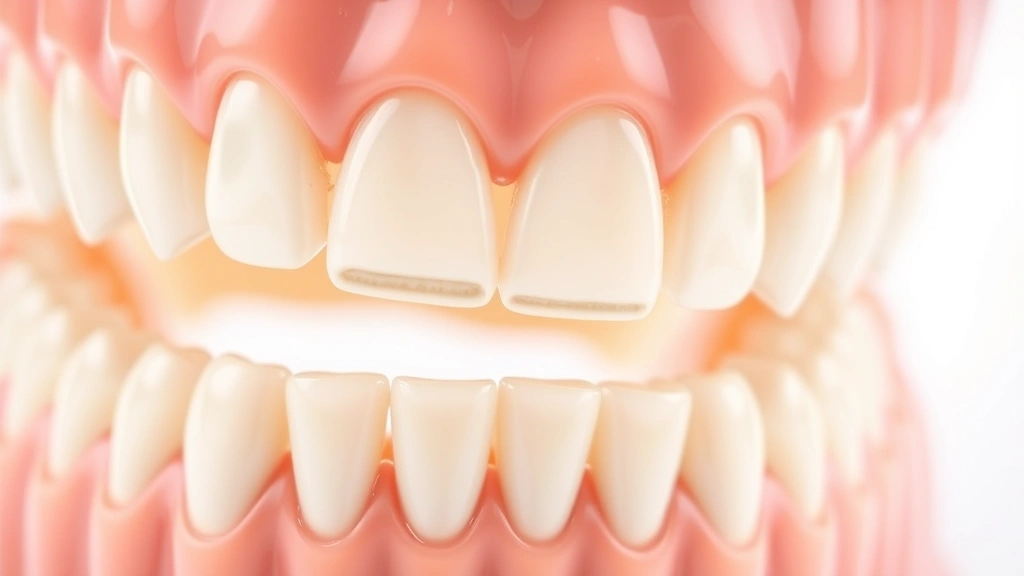
The phosphoric acid in Diet Dr Pepper presents a secondary concern. Phosphoric acid is more acidic than other common beverage acids and can potentially affect tooth enamel and calcium absorption over extended periods of regular consumption. Dental professionals note that frequent exposure to acidic beverages increases cavity risk and enamel erosion, regardless of sugar content.
Understanding artificial sweeteners requires distinguishing between regulatory safety—the FDA’s determination that aspartame won’t cause acute harm at typical consumption levels—and optimal health, which encompasses longer-term metabolic effects and nutritional quality. Diet Dr Pepper may be “safe” in regulatory terms while simultaneously being suboptimal for certain health goals.
Potential Health Impacts and Research
Scientific literature examining artificial sweetener consumption presents a nuanced picture that extends beyond simple approval or disapproval. Research from Nature and other peer-reviewed journals reveals that regular diet soda consumption correlates with various health outcomes, though causation remains debated among researchers.
One significant finding involves metabolic effects. Several observational studies have noted associations between regular artificial sweetener consumption and weight gain, though researchers debate whether artificial sweeteners cause weight gain or whether people gaining weight tend to consume diet sodas. The relationship appears more complex than simple calorie counting would suggest. Some research indicates that artificial sweeteners might disrupt the body’s ability to regulate calorie intake through sweet taste signaling.
Cardiovascular health represents another area of research focus. Some studies have identified associations between regular diet soda consumption and increased cardiovascular disease risk, independent of weight status. These associations could relate to the phosphoric acid content, artificial sweeteners, caramel coloring compounds, or other ingredients. Long-term prospective studies are ongoing, but current evidence suggests that frequent diet soda consumption may carry cardiovascular implications.
Bone health concerns stem from phosphoric acid’s potential effects on calcium absorption and the acidic environment’s influence on tooth enamel. Individuals with osteoporosis risk factors or dental sensitivity should consider limiting acidic beverage consumption, including Diet Dr Pepper.
Mental health and neurological effects have also been examined. While aspartame is generally recognized as safe at typical consumption levels, individuals with phenylketonuria (PKU)—a rare genetic condition—must avoid phenylalanine and therefore aspartame-containing products. For the general population, neurological concerns remain largely theoretical rather than established through rigorous clinical evidence.
The research consensus appears to be that occasional Diet Dr Pepper consumption poses minimal documented risk for most people, but regular daily consumption may carry subtle metabolic and health implications worth considering when making beverage choices.
Diet Dr Pepper vs. Regular Soda
Comparing Diet Dr Pepper to its full-sugar counterpart reveals clear trade-offs worth understanding. Regular Dr Pepper contains 150 calories and 40 grams of added sugar per 12-ounce serving, representing a significant portion of daily calorie and sugar allowances. The American Heart Association recommends limiting added sugar to 25 grams daily for women and 36 grams for men, meaning a single can of regular Dr Pepper exceeds daily recommendations for women and approaches daily limits for men.
From a pure calorie and sugar perspective, Diet Dr Pepper offers substantial advantages. For individuals managing weight or blood sugar levels, the zero-calorie, zero-sugar profile clearly outperforms regular soda. The metabolic damage from 40 grams of rapidly absorbed sugar—spiking blood glucose and insulin levels—represents a genuine health concern that diet versions eliminate.
However, this comparison shouldn’t be interpreted as endorsement of Diet Dr Pepper as a healthy beverage choice. Rather, it represents a “less bad” option compared to its regular counterpart. The comparison essentially asks whether artificial sweeteners and their potential effects are preferable to confirmed sugar overconsumption. For many individuals, this trade-off makes sense; for others focused on minimizing all artificial additives, neither option aligns with their dietary philosophy.
The key distinction involves recognizing that Diet Dr Pepper being superior to regular Dr Pepper doesn’t make it an optimal choice within the broader spectrum of beverage options. Water, unsweetened tea, and other naturally sweetened beverages offer advantages that diet sodas cannot match.
What Nutritionists Actually Say
Professional nutritionists generally acknowledge Diet Dr Pepper’s place in a realistic dietary approach while rarely recommending it as an optimal choice. The consensus view recognizes that nutrition facts labels tell only part of the story, and overall dietary patterns matter more than individual food choices.
Most registered dietitian nutritionists (RDNs) position diet sodas as “sometimes foods” rather than dietary staples. If someone currently drinks regular soda, switching to Diet Dr Pepper represents nutritional progress. If someone doesn’t drink soda regularly, adding Diet Dr Pepper offers no nutritional benefit and introduces unnecessary artificial additives.
The caffeine content—41 milligrams per 12-ounce serving—warrants consideration for certain populations. Pregnant individuals, children, and those sensitive to caffeine should monitor total caffeine intake across all sources. For most adults, this caffeine level poses minimal concern, though afternoon consumption might affect sleep quality for sensitive individuals.
Dental health concerns lead many nutritionists to recommend limiting frequency of Diet Dr Pepper consumption and practicing good oral hygiene afterward. Drinking through a straw and waiting 30 minutes before brushing teeth (to avoid enamel damage from the acidic environment) are common recommendations.
From a nutrition and mental health perspective, some practitioners note that relying on artificial sweeteners might perpetuate preference for intensely sweet tastes, potentially interfering with long-term dietary improvement goals focused on reducing sweet food cravings.
The emerging consensus suggests that Diet Dr Pepper’s primary value lies in harm reduction—providing a better option than regular soda for those unwilling to eliminate soda entirely—rather than in promoting it as a health-supporting beverage choice.
Healthier Beverage Alternatives
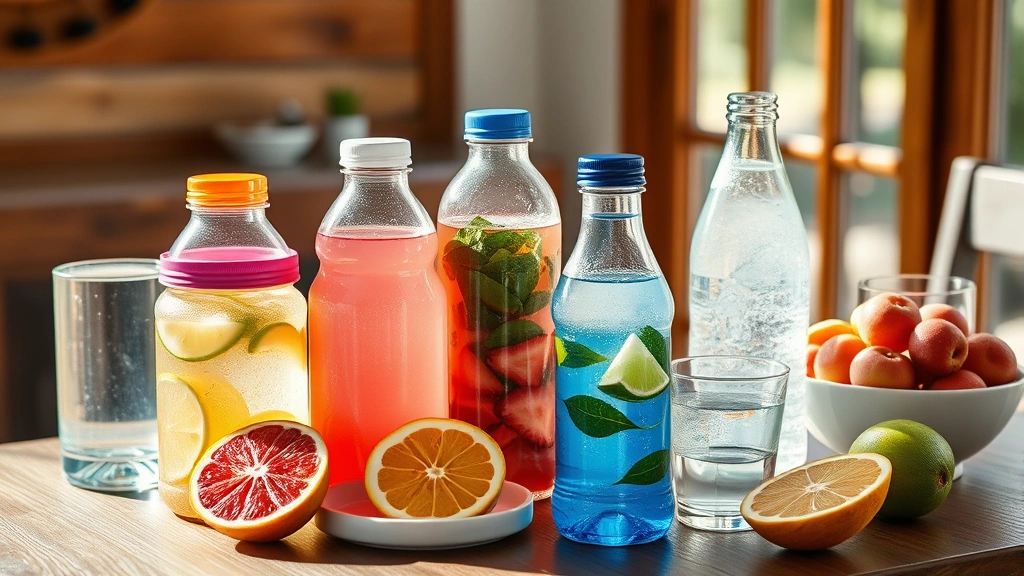
For individuals seeking to reduce Diet Dr Pepper consumption or avoid it entirely, numerous evidence-based alternatives provide superior nutritional profiles. Water remains the optimal beverage choice, supporting hydration without any additives, calories, or artificial ingredients. For those finding plain water monotonous, infusing water with fresh fruit, herbs, or cucumber provides flavor variety without added sugars or artificial sweeteners.
Unsweetened tea—whether black, green, white, or herbal varieties—offers flavor complexity and in many cases provides beneficial compounds like polyphenols and antioxidants. Green tea contains L-theanine, which promotes calm focus without the jittery effects some experience from caffeine alone. Black tea provides similar caffeine to Diet Dr Pepper with additional health-promoting compounds.
Sparkling water with natural flavoring provides the carbonation and sensory experience of Diet Dr Pepper without artificial sweeteners or phosphoric acid. Brands using natural flavors and avoiding artificial additives offer a middle-ground option for those prioritizing the fizzy sensation.
Coffee and tea prepared at home offer cost advantages and allow complete control over ingredients. Cold brew coffee provides sustained caffeine without the acidity of hot-brewed coffee, while herbal teas offer caffeine-free options for afternoon and evening consumption.
For those requiring sweetened beverages, options using stevia or monk fruit—plant-derived sweeteners with different safety profiles than aspartame—provide alternatives. However, these remain processed beverages rather than optimal choices.
Incorporating these alternatives into your routine, supported by strategies from tips for meal planning, allows gradual reduction of Diet Dr Pepper without abrupt dietary changes that many find unsustainable.
Practical Guide to Consumption
If you currently consume Diet Dr Pepper and wish to maintain this choice while optimizing health, several practical strategies can minimize potential negative effects. First, limit frequency rather than eliminating completely—occasional consumption poses minimal documented risk, while daily consumption accumulates potential concerns.
Drinking Diet Dr Pepper with meals rather than between meals protects tooth enamel by reducing the duration of acidic exposure. Using a straw directs the beverage away from teeth, further protecting enamel. Waiting 30 minutes after consumption before brushing teeth prevents acid-softened enamel from being damaged by brushing.
Monitor total caffeine intake across all sources, recognizing that Diet Dr Pepper contributes to daily totals. If consuming multiple caffeinated beverages, consider reducing Diet Dr Pepper frequency to maintain moderate total caffeine intake.
Balance diet soda consumption with adequate water intake, ensuring hydration needs are primarily met through water rather than artificially sweetened beverages. This approach allows occasional Diet Dr Pepper while maintaining nutritional quality.
Consider using Diet Dr Pepper as a transitional tool if reducing regular soda consumption. Rather than permanently incorporating diet soda into your routine, use it as a stepping stone toward gradually increasing water and unsweetened beverage consumption.
For individuals focused on nutrition for athletes, Diet Dr Pepper offers no performance benefits and introduces unnecessary additives. Focusing on water, electrolyte beverages for endurance activities, and whole-food nutrition supports athletic performance more effectively.
Ultimately, the practical approach recognizes that absolute dietary perfection remains unattainable, and occasional Diet Dr Pepper consumption within an otherwise balanced diet poses minimal risk for most people. The key involves intentional choice rather than default consumption.
FAQ
Is Diet Dr Pepper bad for your health?
Diet Dr Pepper isn’t universally “bad,” but it’s not optimally healthy either. Occasional consumption poses minimal documented risk, while regular daily consumption may carry subtle metabolic and dental health implications. It represents a better choice than regular soda but an inferior choice compared to water, tea, or other unsweetened beverages.
Does Diet Dr Pepper cause weight gain?
Diet Dr Pepper contains zero calories and shouldn’t directly cause weight gain. However, some research suggests artificial sweeteners might influence appetite regulation or metabolic processes in ways that could indirectly affect weight management. Individual responses vary significantly.
Is aspartame safe?
The FDA considers aspartame safe at typical consumption levels, with safety thresholds requiring consumption of approximately 75 cans daily to exceed established limits. However, “safe” in regulatory terms doesn’t necessarily mean “optimal” for long-term health. Individual concerns about artificial ingredients remain valid considerations.
How much Diet Dr Pepper is safe to drink daily?
Nutritionists generally suggest limiting diet soda consumption to occasional rather than daily intake. If consuming Diet Dr Pepper regularly, limiting to one serving daily or fewer appears reasonable based on current evidence, though less frequent consumption carries lower risk.
Can Diet Dr Pepper damage teeth?
Yes, the phosphoric acid in Diet Dr Pepper can erode tooth enamel with frequent exposure. Using straws, consuming with meals, and waiting before brushing can minimize dental damage. Individuals with existing dental sensitivity should be particularly cautious.
Is Diet Dr Pepper better than water?
No. Water provides hydration without any additives, calories, or artificial ingredients. While Diet Dr Pepper might be preferable to regular soda for some individuals, water remains nutritionally superior in every meaningful way.
What’s the caffeine content in Diet Dr Pepper?
Diet Dr Pepper contains approximately 41 milligrams of caffeine per 12-ounce serving, similar to weak tea but less than coffee. This level poses minimal concern for most adults but should be monitored for pregnant individuals, children, and caffeine-sensitive people.