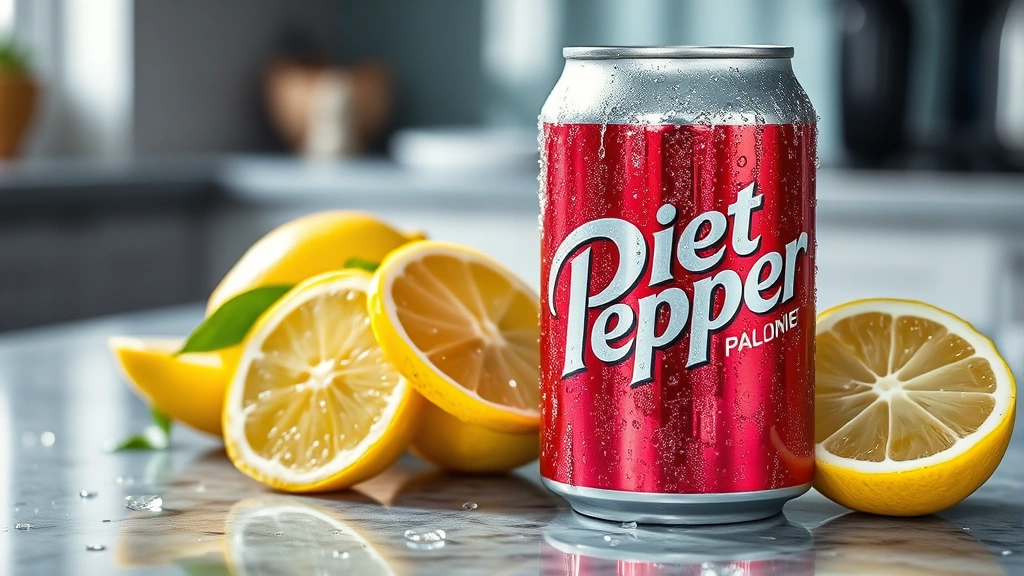
Diet Dr Pepper: Is It a Healthy Choice? Expert Insight on Diet Dr Pepper Nutrition Facts
Diet Dr Pepper has maintained its position as one of America’s most consumed zero-calorie soft drinks for decades. With zero sugar and zero calories, it appears to check the boxes for health-conscious consumers seeking guilt-free beverage options. However, the question of whether Diet Dr Pepper truly qualifies as a healthy choice extends far beyond its caloric content. Understanding the complete nutritional profile, ingredient composition, and scientific research surrounding artificial sweeteners is essential for making informed dietary decisions.
This comprehensive analysis examines Diet Dr Pepper’s actual ingredients, compares it to similar beverages, explores the scientific evidence on artificial sweeteners, and provides expert perspectives on whether it fits within a genuinely healthy nutrition plan. Whether you’re a long-time consumer or considering switching to diet sodas, understanding the nuances of this popular beverage will help you make choices aligned with your health goals.
Diet Dr Pepper Nutrition Breakdown
When examining the nutritional content of Diet Dr Pepper, the label presents an attractive proposition at first glance. A single 12-ounce can contains zero calories, zero grams of sugar, and zero grams of fat. This stark contrast to regular Dr Pepper, which contains 150 calories and 39 grams of sugar per can, makes the diet version appear to be a straightforward upgrade for weight management.
However, the complete ingredient list reveals a more complex picture. Diet Dr Pepper’s formulation includes carbonated water, caramel color, phosphoric acid, natural and artificial flavors, caffeine, aspartame, sodium benzoate, and red 40. The sodium content registers at approximately 75 milligrams per 12-ounce serving, which represents about 3% of the daily recommended value. While this isn’t excessive, regular consumption of multiple cans daily could contribute meaningfully to sodium intake.
The presence of phosphoric acid warrants attention for those concerned with bone health and dental erosion. This acidic component gives Diet Dr Pepper its characteristic tang but also creates an environment that can weaken tooth enamel over time. Research published in dental journals has documented that regular consumption of acidic beverages, whether diet or regular, correlates with increased dental erosion risk.
Caffeine content in Diet Dr Pepper stands at 41 milligrams per 12-ounce serving, positioning it as a moderate caffeine source. For context, a typical cup of coffee contains 95-200 milligrams, making Diet Dr Pepper a gentler caffeine option. However, individuals sensitive to caffeine or those monitoring their total daily intake should account for this contribution.
The most significant nutritional consideration centers on aspartame, the primary artificial sweetener providing the sweet taste without calories. Understanding aspartame’s role, safety profile, and potential effects requires deeper investigation into the scientific literature and regulatory oversight.
Understanding Artificial Sweeteners
Aspartame, the sweetening agent in Diet Dr Pepper, has been among the most extensively studied food additives in history. The FDA approved aspartame in 1981 and has reaffirmed its safety multiple times based on available evidence. A 12-ounce can of Diet Dr Pepper contains approximately 125 milligrams of aspartame, well below the FDA’s acceptable daily intake limit of 50 milligrams per kilogram of body weight.
For a 150-pound adult, this translates to an acceptable daily intake of approximately 3,409 milligrams of aspartame. Consuming 27 cans of Diet Dr Pepper daily would be required to reach this threshold, suggesting that moderate consumption poses minimal risk from aspartame specifically. The FDA’s position aligns with major international food safety organizations, including the European Food Safety Authority and the World Health Organization, which have similarly endorsed aspartame’s safety within established limits.
However, the broader question of whether artificial sweeteners support overall health extends beyond acute toxicity concerns. Research examining the relationship between artificial sweetener consumption and metabolic health presents a more nuanced picture than simple safety approval suggests. Some studies indicate associations between regular artificial sweetener consumption and altered gut bacteria composition, though causality remains unclear. Other research has explored potential links to glucose metabolism changes, though findings remain inconsistent across different populations and study designs.
The mechanism by which artificial sweeteners might influence health involves multiple pathways. When the tongue detects sweetness without the corresponding caloric load, the body’s metabolic response may differ from natural sugar consumption. Some researchers hypothesize that this mismatch could influence hunger hormones, glucose regulation, or bacterial populations in the digestive system. However, distinguishing these theoretical mechanisms from actual health consequences in real-world consumption patterns remains challenging.
Potential Health Concerns Associated with Regular Diet Soda Consumption
While Diet Dr Pepper contains zero sugar and poses minimal acute risk from its ingredients at moderate consumption levels, several health considerations emerge when examining habitual consumption patterns. Understanding these concerns helps contextualize whether Diet Dr Pepper fits within a truly healthy lifestyle.
Dental Health Implications: The phosphoric acid in Diet Dr Pepper creates an acidic environment (pH approximately 3.0) that can gradually erode dental enamel. Unlike sugar, which feeds cavity-causing bacteria, the acid itself damages tooth structure directly. Dentists often recommend limiting acidic beverages and using protective measures like drinking through straws or rinsing with water afterward.
Bone Health Considerations: Some epidemiological research has suggested associations between phosphoric acid consumption and reduced bone mineral density, particularly in women. The proposed mechanism involves phosphoric acid potentially affecting calcium absorption or balance. However, this research remains somewhat controversial, with confounding factors (like overall calcium intake) making definitive conclusions difficult.
Metabolic Effects: A growing body of research, though not universally conclusive, suggests that regular artificial sweetener consumption may be associated with metabolic changes. Some studies link diet soda consumption to increased risk of metabolic syndrome, though reverse causality (people with metabolic concerns choosing diet sodas) complicates interpretation. The relationship between nutrition and mental health also extends to metabolic function affecting cognitive performance.
Gut Microbiome Changes: Emerging research indicates that artificial sweeteners may influence the composition of gut bacteria. A 2022 study published in Cell found that aspartame and sucralose altered bacterial populations in ways that could theoretically affect metabolic health, though human studies remain limited and findings require replication.
Weight Management Paradox: Counterintuitively, some longitudinal research suggests that regular diet soda consumers don’t necessarily experience greater weight loss than regular soda consumers. This paradox may reflect reverse causality, or it could indicate that artificial sweeteners don’t provide the metabolic advantage their zero-calorie profile suggests.
How Diet Dr Pepper Compares to Regular Soda and Other Beverages
Placing Diet Dr Pepper within the broader beverage landscape provides helpful perspective. Regular Dr Pepper delivers 150 calories and 39 grams of sugar per 12-ounce serving—approximately 78% of the FDA’s recommended daily sugar limit for adults. This substantial sugar content contributes to obesity, type 2 diabetes, and dental disease risk through multiple mechanisms.
From a pure caloric and sugar standpoint, Diet Dr Pepper represents a dramatic improvement. Someone consuming one can daily would eliminate approximately 54,750 calories and 14,235 grams of sugar annually by switching from regular to diet. For individuals managing weight or blood sugar, this distinction carries meaningful health implications.
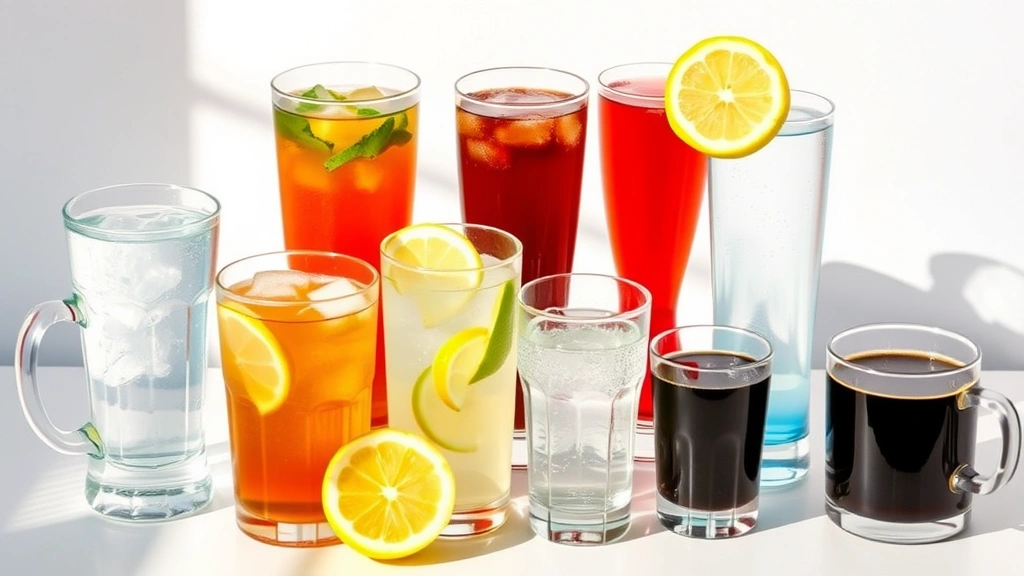
However, comparing Diet Dr Pepper to water, unsweetened tea, or black coffee reveals different trade-offs. These beverages provide hydration without acidic components, artificial ingredients, or caffeine (except tea and coffee). A comprehensive healthy nutrition plan typically emphasizes water as the primary beverage, with tea and coffee as acceptable secondary options.
When compared to other zero-calorie sodas, Diet Dr Pepper falls within the typical range. Most diet sodas contain aspartame or similar sweeteners, phosphoric or citric acid, and comparable caffeine levels. The specific flavor profile and ingredient ratios differ, but the fundamental health considerations remain similar across the diet soda category.
Sparkling water with natural flavoring represents an interesting middle ground—providing the carbonation and flavor satisfaction of soda without artificial sweeteners or acidic components. However, some flavored sparkling waters do contain acids and should be evaluated individually.
Expert Perspectives on Diet Sodas and Overall Health
Registered dietitians and public health researchers generally agree on several key points regarding diet sodas like Diet Dr Pepper. First, they represent a clear improvement over regular sodas for individuals currently consuming sugary beverages, particularly for those managing weight or blood sugar levels. Harm reduction—replacing regular soda with diet soda—can provide meaningful health benefits for many people.
Second, expert consensus suggests that occasional diet soda consumption poses minimal health risk for most individuals. Having a Diet Dr Pepper a few times weekly likely creates negligible health consequences for people without specific contraindications. The concern emerges with habitual daily consumption, particularly multiple cans daily.
Third, experts emphasize that diet sodas should not become a primary beverage or substitute for water in a healthy lifestyle. The American Heart Association and other health organizations recommend water as the foundation of healthy hydration. Research from Pew Research Center on consumer health trends shows that beverage choices significantly influence overall dietary patterns and health outcomes.
Dr. David Ludwig, an endocrinologist at Boston Children’s Hospital, has noted that while artificial sweeteners don’t provide the direct metabolic harm of sugar, they also don’t provide the metabolic benefits of eliminating sweetened beverages entirely. The ideal scenario involves reducing overall sweetener dependence rather than simply switching from sugar to artificial alternatives.
Nutritionists often recommend evaluating Diet Dr Pepper within the context of individual health goals. For someone with type 2 diabetes managing blood sugar, the absence of sugar provides significant advantage. For someone focused on overall wellness and establishing healthy habits, transitioning toward water-based hydration serves better long-term interests. The importance of dietary fiber and whole-food nutrition often receives more attention in optimal health strategies than beverage choices.
Healthier Beverage Alternatives to Consider
For individuals seeking to reduce diet soda consumption or explore healthier options, several alternatives provide satisfaction with fewer potential concerns.
Water with Natural Flavor: Adding lemon, lime, cucumber, or berries to water provides flavor complexity without artificial ingredients or calories. This approach allows customization and can make hydration more enjoyable for those who find plain water monotonous.
Unsweetened Tea: Black, green, white, and herbal teas offer diverse flavor profiles, potential health benefits from polyphenols, and minimal caloric content. Iced tea provides the cold, refreshing quality of soda with less concern about artificial ingredients.
Coffee: Black coffee or coffee with minimal additions provides caffeine, antioxidants, and growing evidence of health benefits when consumed moderately. The bitter flavor satisfies the palate differently than sweetened beverages.
Kombucha: This fermented tea beverage contains probiotics, organic acids, and minimal sugar (when properly fermented). However, quality varies significantly between brands, and some commercial versions contain added sugars.
Sparkling Water: Unflavored or naturally flavored sparkling water provides carbonation without artificial sweeteners, acids, or caffeine. This option satisfies the textural desire for carbonation while avoiding diet soda concerns.
Herbal Infusions: Beyond traditional tea, herbal infusions like ginger, hibiscus, or chamomile offer unique flavors and potential wellness properties. These can be enjoyed hot or cold and provide variety in beverage options.
FAQ
Is Diet Dr Pepper completely safe to drink?
Diet Dr Pepper is considered safe for most people when consumed in moderation, based on FDA approval of its ingredients and extensive research on aspartame. However, “safe” differs from “healthy.” The beverage poses minimal acute toxicity risk but may not support optimal health when consumed habitually as a primary beverage.
Does Diet Dr Pepper cause weight gain?
Diet Dr Pepper contains zero calories, so it cannot directly cause weight gain through caloric content. However, some research suggests associations between regular diet soda consumption and weight gain in observational studies, likely reflecting reverse causality or other behavioral factors rather than a direct metabolic effect of artificial sweeteners.
How much Diet Dr Pepper is safe to drink daily?
There is no established official recommendation for safe daily diet soda consumption. However, health experts generally suggest limiting diet sodas to occasional consumption rather than making them a primary daily beverage. For perspective, consuming 1-2 cans several times weekly poses minimal concern for most people, while daily multi-can consumption may warrant reconsideration.
Can Diet Dr Pepper damage teeth?
Yes, the phosphoric acid in Diet Dr Pepper can gradually erode dental enamel, similar to regular soda. Consuming diet soda through a straw, rinsing with water afterward, and waiting 30 minutes before brushing teeth can minimize dental damage.
Is Diet Dr Pepper better than regular Dr Pepper?
From a sugar and calorie perspective, Diet Dr Pepper is substantially better than regular Dr Pepper. However, neither represents an optimal beverage choice within a comprehensive healthy diet. Water, unsweetened tea, and black coffee remain superior options for long-term health.
What artificial sweetener does Diet Dr Pepper use?
Diet Dr Pepper primarily uses aspartame as its sweetening agent. This FDA-approved artificial sweetener has been extensively studied and deemed safe within established consumption limits.
Can people with diabetes drink Diet Dr Pepper?
Diet Dr Pepper contains zero sugar, making it suitable for people with diabetes from a blood sugar perspective. However, individual tolerance and preferences vary, and some people report that artificial sweeteners trigger cravings or affect their specific metabolic responses. Consulting with a healthcare provider or registered dietitian provides personalized guidance.
Does Diet Dr Pepper have any nutritional benefits?
Diet Dr Pepper provides no meaningful nutritional benefits. It contains no vitamins, minerals, protein, or other nutrients that support health. Its only potential benefit is harm reduction compared to regular soda for individuals currently consuming sugary beverages.


