Are Dino Nuggets Healthy? Nutritionist Insight on Kids’ Favorite Frozen Food
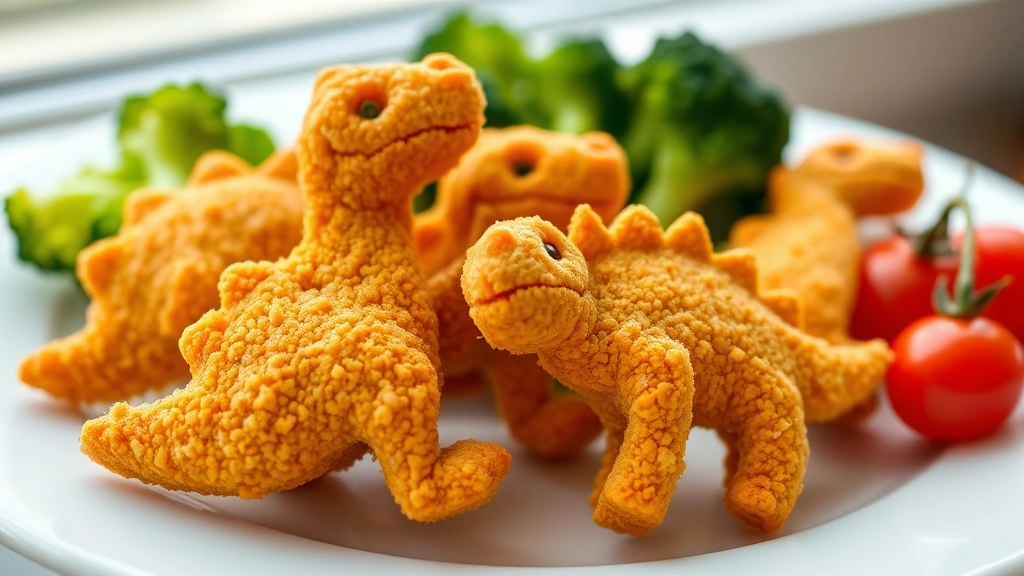
Dino nuggets have become a staple in households with children, offering a fun, dinosaur-shaped alternative to traditional chicken nuggets. Parents appreciate their convenience and kid-appeal, but nutritional concerns often linger in the back of many minds. Are these frozen poultry products a reasonable addition to a balanced diet, or should they be reserved for occasional treats? The answer is more nuanced than a simple yes or no, depending on frequency of consumption, preparation methods, and how they fit into an overall healthy nutrition plan.
Understanding dino nuggets nutrition requires examining their ingredient lists, sodium content, protein composition, and the processing methods manufacturers employ. Most commercial brands contain chicken meat alongside fillers, breading, and preservatives designed to maintain texture and shelf stability. While they’re not nutritionally equivalent to fresh grilled chicken breast, many modern formulations have improved significantly over previous decades, with some brands now offering reduced-sodium and organic options that appeal to health-conscious parents.
What Are Dino Nuggets Made From?
Dino nuggets are fundamentally processed chicken products, but their composition extends well beyond simple poultry. Most commercial varieties combine chicken breast, chicken thigh, or chicken byproducts with a breading mixture that typically includes enriched wheat flour, corn meal, or breadcrumbs. The breading provides the characteristic crunch and golden exterior that children find appealing.
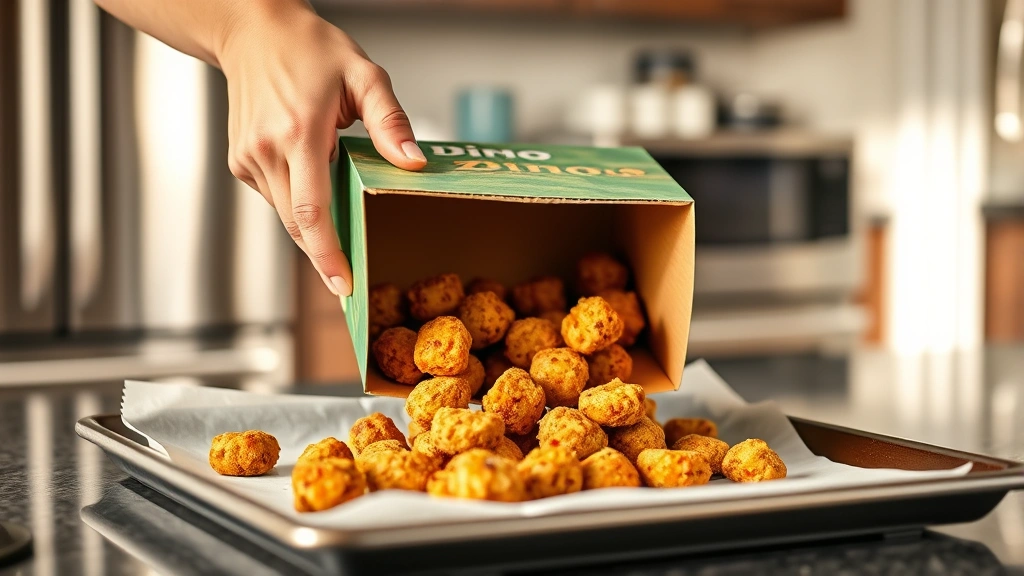
The ingredient deck on a typical box reveals several additives designed to improve shelf life and texture. These commonly include modified food starch, sodium phosphate, and various preservatives like BHA or BHT in conventional brands. Premium or natural brands may substitute these with alternatives like potato starch or rosemary extract. Understanding these components matters because nutritional information varies significantly between manufacturers, making brand selection an important consideration for health-conscious families.
The chicken itself may be sourced from conventionally raised birds, antibiotic-free poultry, or organic certified sources depending on the brand. This affects not only the nutritional profile but also potential antibiotic residues and overall quality. Some premium brands emphasize whole muscle chicken rather than mechanically separated poultry, which provides better texture and potentially higher nutritional value.
Nutritional Breakdown and Caloric Content
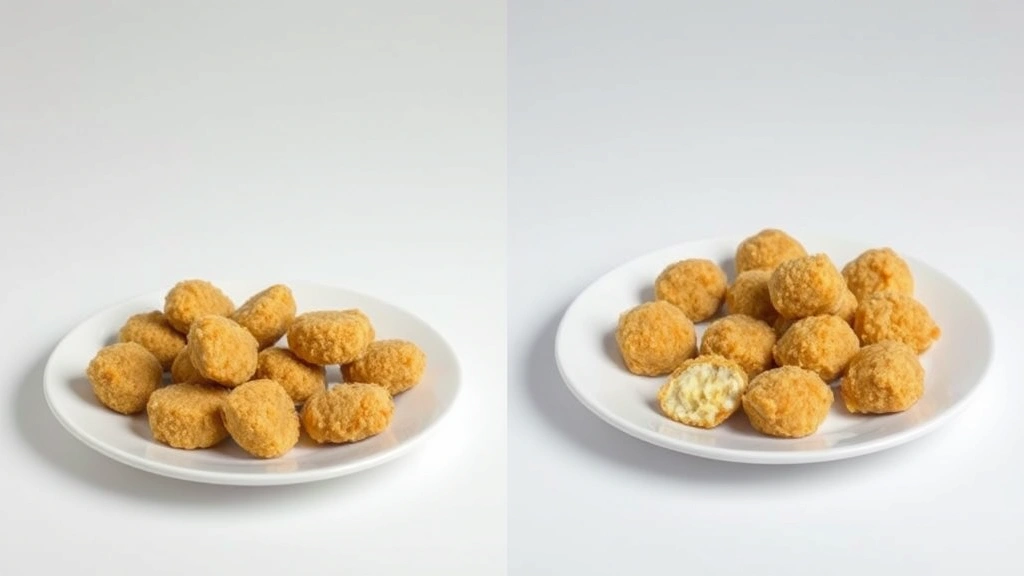
A typical serving of dino nuggets (approximately 4-6 pieces or 85-100 grams) contains between 170-220 calories, depending on the brand and preparation method. For context, this represents roughly 8-11% of a child’s daily caloric needs on a 2,000-calorie diet. The caloric density is moderately high due to the breading and oil used in cooking, whether oven-baked or deep-fried.
Protein content typically ranges from 10-14 grams per serving, which constitutes a meaningful contribution to daily protein requirements for children aged 4-8 years old, who need approximately 20-25 grams daily. This makes dino nuggets a legitimate protein source, though the protein quality is somewhat diminished compared to unprocessed chicken due to the processing and breading additions.
Carbohydrates from the breading account for 12-18 grams per serving, primarily from refined grains unless the product specifies whole grain breading. Fat content varies considerably between brands and cooking methods, ranging from 8-14 grams per serving when baked, and potentially higher when deep-fried. The fat composition typically includes both saturated fat (2-4 grams) and unsaturated fats, with some brands using healthier oil blends.
Micronutrient fortification is common in dino nuggets, with many brands adding iron and B vitamins through enriched flour in the breading. However, the mineral and vitamin content pales in comparison to whole foods. A complete nutritional assessment requires examining fiber content (typically minimal at 0-1 gram), calcium levels, and sodium concentration, which deserves particular scrutiny.
Sodium Levels and Heart Health Concerns
The most significant nutritional concern with conventional dino nuggets is their sodium content. A standard serving often contains 400-600 mg of sodium, representing 17-26% of the recommended daily limit for children aged 4-8 years (1,200 mg). For children aged 9-13, the limit is 1,500 mg, making a single serving of dino nuggets account for 13-20% of their daily allowance.
When dino nuggets appear multiple times weekly in a child’s diet, combined with other processed foods, sodium intake can quickly exceed recommended levels. Research organizations have documented that excessive childhood sodium consumption correlates with elevated blood pressure and increased cardiovascular disease risk in adulthood. This concern is particularly relevant given that many children already consume sodium-rich processed foods regularly.
Some manufacturers have responded to health concerns by developing reduced-sodium versions containing 250-350 mg per serving, which represents a meaningful improvement. Organic and premium brands often feature lower sodium levels as a competitive advantage. When selecting dino nuggets, comparing sodium content across brands should be a primary consideration, as variation between products can be substantial.
Parents can further reduce sodium exposure by pairing dino nuggets with low-sodium side dishes and limiting overall processed food consumption. Using unsalted dipping sauces and avoiding adding extra salt during preparation helps maintain healthy sodium levels within meals featuring these products.
Protein Quality and Muscle Development
While dino nuggets provide a reasonable protein quantity, the quality deserves examination. Protein quality is assessed through amino acid completeness and digestibility. Dino nuggets contain all nine essential amino acids, making them a complete protein source, though the processing and breading may affect bioavailability compared to whole chicken.
The processing methods used in manufacturing can damage some heat-sensitive amino acids and reduce overall protein quality slightly. However, the impact is modest enough that dino nuggets still contribute meaningfully to daily protein requirements. For children requiring protein support during growth phases, dino nuggets can serve as one component of a diversified protein intake strategy.
Combining dino nuggets with complementary foods enhances nutritional value. Pairing them with vegetables rich in dietary fiber creates a more balanced meal, while adding whole grain side dishes improves the carbohydrate profile. This strategic meal composition transforms dino nuggets from a questionable standalone item into a reasonable component of a balanced plate.
Processing Methods and Food Safety
Understanding how dino nuggets are processed provides insight into their safety profile and nutritional integrity. Modern manufacturing employs high-temperature processing that effectively eliminates pathogens, making dino nuggets a safe food when prepared according to package instructions. However, this processing also creates compounds that warrant attention.
Some studies have identified heterocyclic amines (HCAs) and polycyclic aromatic hydrocarbons (PAHs) in breaded and fried poultry products when cooked at very high temperatures. While research on childhood exposure remains limited, minimizing formation of these compounds by following moderate cooking temperatures and avoiding charring helps reduce potential exposure.
The freezing process itself preserves nutritional value effectively, as frozen foods often retain nutrients comparable to fresh products due to rapid freezing immediately after processing. This makes the frozen format itself nutritionally advantageous compared to fresh chicken that has been stored for extended periods. Proper handling and cooking of frozen dino nuggets maintains this nutritional integrity.
Allergen considerations are important, as dino nuggets typically contain wheat gluten and may contain soy, eggs, or milk depending on the brand. Cross-contamination risks vary by manufacturer, making label review essential for families with food allergies or sensitivities.
Comparing Dino Nuggets to Healthier Alternatives
When evaluating whether dino nuggets fit into a healthy diet, comparison with alternatives provides valuable perspective. Homemade chicken nuggets made from fresh chicken breast offer superior nutritional profiles with lower sodium, fewer additives, and higher micronutrient density. However, they require preparation time that many busy families cannot accommodate.
Air-fried or baked dino nuggets contain significantly fewer calories and less fat than deep-fried versions, making cooking method selection crucial. Oven baking at 400°F produces results comparable in texture to frying while reducing fat content by 30-50%. This simple adjustment substantially improves the nutritional profile without sacrificing palatability.
Other frozen chicken options include whole muscle chicken patties, which contain fewer fillers and additives than nuggets. Fish nuggets offer omega-3 fatty acids absent in poultry products, though they often contain similar sodium levels. Plant-based nuggets have emerged as alternatives, though they typically contain less protein and more sodium than chicken varieties.
Fresh grilled chicken breast remains the gold standard nutritionally, providing complete protein without additives, excessive sodium, or refined grain breading. However, the practical reality is that many families cannot prepare fresh chicken daily. Viewed through this lens, dino nuggets represent a reasonable compromise when selected carefully and consumed in moderation.
How Often Can Kids Safely Eat Dino Nuggets?
Frequency of consumption determines whether dino nuggets represent a health concern or a reasonable dietary component. Occasional consumption—once or twice weekly—poses minimal nutritional risk for children with otherwise balanced diets. At this frequency, even conventional dino nuggets fit within healthy eating patterns.
Multiple weekly consumption or daily intake becomes problematic, particularly with conventional high-sodium varieties. Children consuming dino nuggets three or more times weekly risk sodium overload, excess refined grain intake, and displacement of more nutrient-dense foods. This frequency crosses from occasional convenience food into dietary staple, requiring reconsideration.
Individual variation in dietary patterns matters significantly. A child whose diet otherwise emphasizes vegetables, fruits, whole grains, and lean proteins can accommodate dino nuggets more frequently than a child whose diet already includes multiple processed foods. Assessing overall dietary patterns provides better guidance than rigid rules about any single food.
Developmental stage influences appropriate frequency as well. Young children aged 2-5 may benefit from dino nuggets’ fun presentation encouraging food acceptance, while older children with more developed palates can transition toward less processed options. Teenagers with higher caloric needs can accommodate dino nuggets more readily than younger children with limited total food intake capacity.
Making Dino Nuggets Healthier at Home
For families committed to incorporating dino nuggets into their diet, homemade versions provide dramatically improved nutritional profiles. Starting with fresh chicken breast, you can create nuggets that eliminate additives, reduce sodium by 80%, and increase nutrient density substantially.
The basic process involves pounding chicken breast to uniform thickness, coating with beaten egg, dredging in breadcrumb mixture, and either baking or air-frying. Using whole wheat panko, adding herbs like oregano and garlic powder, and incorporating ground flaxseed boosts nutritional value. Shaping with dino-themed cookie cutters maintains the fun factor while improving nutrition.
Batch preparation and freezing allows convenient weeknight meals without sacrificing quality. Homemade frozen nuggets maintain quality for 2-3 months and cook nearly as quickly as commercial varieties. This approach combines the convenience parents seek with the nutritional benefits they desire, representing an ideal solution for health-conscious families willing to invest modest preparation time.
Even when using commercial dino nuggets, several strategies enhance the overall meal nutritionally. Serving with roasted vegetables, whole grain rice pilaf, or sweet potato fries transforms the meal from processed to balanced. Offering vegetable-based dipping sauces and limiting sugary condiments further improves nutritional value. These simple adjustments demonstrate that dino nuggets can fit within thoughtful meal planning strategies.
Pairing dino nuggets with a side salad, steamed broccoli, or fresh fruit ensures children consume adequate micronutrients alongside the protein and calories from nuggets. This plate composition approach transforms a potentially problematic food into a reasonable component of a balanced meal.
FAQ
Are dino nuggets made with real chicken?
Most commercial dino nuggets contain real chicken, typically a combination of breast and thigh meat or mechanically separated poultry. However, the percentage varies by brand, with premium varieties using higher chicken content and fewer fillers. Checking ingredient lists reveals whether the product prioritizes chicken or includes significant amounts of soy, starch, and binders. Higher-quality brands list chicken as the first ingredient, while conventional brands may list breading components first.
Can dino nuggets be part of a healthy diet?
Yes, dino nuggets can be incorporated into healthy diets when consumed occasionally and paired with nutrient-dense foods. Eating them once or twice weekly alongside vegetables, fruits, and whole grains poses minimal nutritional concern. The key is frequency and overall dietary context rather than the food itself. Choosing lower-sodium varieties and using healthier cooking methods further supports their inclusion in balanced eating patterns.
What’s the sodium content in dino nuggets?
Conventional dino nuggets typically contain 400-600 mg of sodium per serving, representing 17-26% of children’s recommended daily limits. Reduced-sodium versions contain 250-350 mg per serving, while homemade varieties can contain as little as 50-100 mg. Comparing nutrition labels across brands reveals significant variation, making brand selection an important way to control sodium intake.
Are frozen dino nuggets as nutritious as fresh chicken?
Frozen dino nuggets are less nutritious than fresh grilled chicken breast due to added breading, processing, and additives. However, frozen chicken that has been stored for extended periods may actually contain comparable or superior nutrient levels to fresh chicken approaching spoilage. The processing itself doesn’t necessarily destroy nutrients; rather, the additions and refined grain breading reduce overall nutritional density.
How can I make dino nuggets healthier?
Baking or air-frying instead of deep-frying reduces fat content significantly. Choosing reduced-sodium brands cuts sodium by 40-50%. Serving with vegetable sides and whole grain starches creates balanced meals. Making homemade versions using fresh chicken, whole wheat breading, and herbs provides maximum nutritional improvement. Even small modifications substantially enhance the nutritional profile of dino nuggets.
Are there allergens in dino nuggets?
Most dino nuggets contain wheat gluten from breading and may include soy, eggs, or milk depending on the brand. Some varieties contain fish-derived ingredients. Careful label review is essential for families with food allergies. Many manufacturers now produce allergen-free versions using alternative breading and binders, making options available for children with multiple allergies.
Dino nuggets occupy an interesting position in children’s nutrition—they’re neither nutritional villains nor health food champions. When selected thoughtfully, prepared using healthy methods, and consumed occasionally as part of balanced meals, they represent a reasonable convenience food that can help busy families maintain consistent nutrition for children who might otherwise consume less healthy options. The key to their healthfulness lies not in the product itself but in how frequently and contextually families incorporate them into overall dietary patterns. By understanding their nutritional composition and implementing the strategies outlined here, parents can confidently include dino nuggets in their nutrition plans while maintaining their children’s health and development.


