Domino’s Pizza: Healthy Choices? Dietitian Insights on Nutrition
Domino’s Pizza dominates the quick-service restaurant landscape, serving millions of customers weekly across the globe. Yet the question persists: can you make genuinely healthy choices at this pizza chain? As a registered dietitian analyzing Domino’s nutrition options, I’ve discovered that while pizza inherently carries nutritional challenges, strategic ordering can align with balanced eating patterns. This guide examines what the science says about Domino’s offerings and how to navigate their menu intelligently.
The pizza industry has undergone significant transformation over the past decade. Major chains now provide detailed nutritional information, accommodate dietary restrictions, and offer vegetables alongside traditional meat-heavy options. Domino’s specifically has expanded its menu to include salads, pasta, and customizable crust choices—changes driven partly by consumer demand for transparency and health-conscious alternatives. Understanding these options requires examining both the nutritional reality and the strategic choices that can make Domino’s fit within a balanced diet.
This analysis combines current nutrition science with practical guidance on menu navigation. Whether you’re a busy professional, a parent seeking convenient family meals, or someone managing specific dietary goals, understanding how to order at Domino’s without derailing your health objectives is valuable knowledge.
Understanding Pizza Nutrition Fundamentals
Pizza presents a unique nutritional profile that challenges conventional healthy eating frameworks. A single slice typically contains refined carbohydrates from the crust, saturated fat from cheese and processed meats, and sodium as a preservative and flavor enhancer. Yet pizza also delivers protein, and when topped with vegetables, contributes micronutrients including vitamins A, C, and various minerals.
The fundamental issue isn’t that pizza is inherently “unhealthy”—rather, portion control and topping selection determine nutritional impact. According to Pew Research Center data on American eating patterns, pizza consumption has remained relatively stable as a percentage of total dietary intake, suggesting that occasional pizza consumption needn’t derail health goals when approached strategically.
Domino’s crust options significantly influence nutritional value. Hand-tossed crust contains approximately 200-250 calories per slice, while thin crust reduces this to 150-180 calories. Conversely, specialty crusts like the Brooklyn-style or gluten-free options may increase caloric density. Understanding these variations forms the foundation for making informed choices that align with your healthy nutrition plan.
Cheese composition deserves particular attention. Standard pizza cheese is typically whole-milk mozzarella, contributing approximately 80-100 calories and 6-7 grams of fat per slice. Light cheese options reduce this substantially. The protein content remains relatively constant, making cheese a significant protein contributor—particularly valuable for those following nutrition for athletes protocols where protein intake supports muscle recovery.
Domino’s Menu Analysis: Calories and Macronutrients
A comprehensive examination of Domino’s current menu reveals several categories worth analyzing. Medium hand-tossed pizzas with standard toppings typically range from 1,800-2,400 total calories per pizza (approximately 225-300 calories per slice). A single slice often represents 20-30% of a 2,000-calorie daily intake, which is reasonable for a meal component when paired with vegetables or a salad.
Domino’s ExtravaganZZa pizza—their premium meat-laden option—contains approximately 2,800 calories per medium pizza, or 350 calories per slice. This positioning makes it less suitable as a primary meal component unless combined with substantial vegetable sides. Conversely, their MeatZZa contains roughly 2,400 calories, while vegetarian options like the Pacific Veggie deliver approximately 1,900 calories per medium pizza.
Protein distribution across Domino’s offerings ranges considerably. Meat-heavy pizzas provide 12-16 grams of protein per slice, while vegetarian options offer 8-12 grams. This distinction matters for individuals tracking macronutrient ratios or managing nutrition and mental health through balanced macronutrient consumption.
The carbohydrate profile presents both advantages and challenges. Pizza crust contributes 25-35 grams of carbohydrates per slice, predominantly refined rather than complex carbohydrates. This rapid glucose absorption can trigger blood sugar spikes, particularly problematic for individuals managing diabetes or metabolic syndrome. However, when paired with protein and fat (both present in cheese and toppings), the glycemic response moderates substantially.
Fat composition reveals approximately 8-14 grams per slice from standard cheese pizza, with meat toppings elevating this to 12-20 grams. Saturated fat typically comprises 4-7 grams per slice. While these numbers appear significant, they represent approximately 10-20% of daily saturated fat recommendations, making occasional consumption feasible within balanced dietary patterns.
Healthier Domino’s Choices Explained
Several menu items stand out for superior nutritional profiles. The Pacific Veggie pizza—featuring roasted red peppers, mushrooms, onions, tomatoes, and spinach—provides approximately 200 calories per slice with meaningful fiber and micronutrient content. This option demonstrates how vegetable-forward pizza can deliver satisfaction while maintaining nutritional integrity.
Domino’s salads present another avenue for healthier ordering. The Honolulu Haul salad (without dressing) contains approximately 120 calories and 4 grams of fiber per serving, with substantial vegetable content. When paired with a single pizza slice, this combination creates a balanced meal with adequate protein, carbohydrates, vegetables, and reasonable caloric totals. This approach aligns with principles outlined in our tips for meal planning guide.
Domino’s pasta bread bowls offer an interesting alternative, though they present caloric density concerns. The MeatZZa Bread Bowl contains approximately 1,030 calories—substantial for a single serving—but provides complete nutrition when combined with a side salad rather than additional pizza.
Wing options deserve consideration for protein-focused ordering. Domino’s wings contain approximately 110 calories and 12 grams of protein per piece without sauce, increasing to 150-170 calories with traditional sauce. When paired with a salad instead of pizza, wings can constitute a high-protein, lower-carbohydrate meal aligned with certain dietary approaches.
The thin crust option consistently emerges as the superior choice for calorie-conscious consumers. Selecting thin crust reduces total pizza calories by 15-20% compared to hand-tossed alternatives, without sacrificing satisfaction. Research from Food Navigator indicates that crust thickness significantly influences perceived portion satisfaction, suggesting that thin crust may actually enhance satiety perception despite reduced caloric intake.
Customization Strategies for Better Nutrition
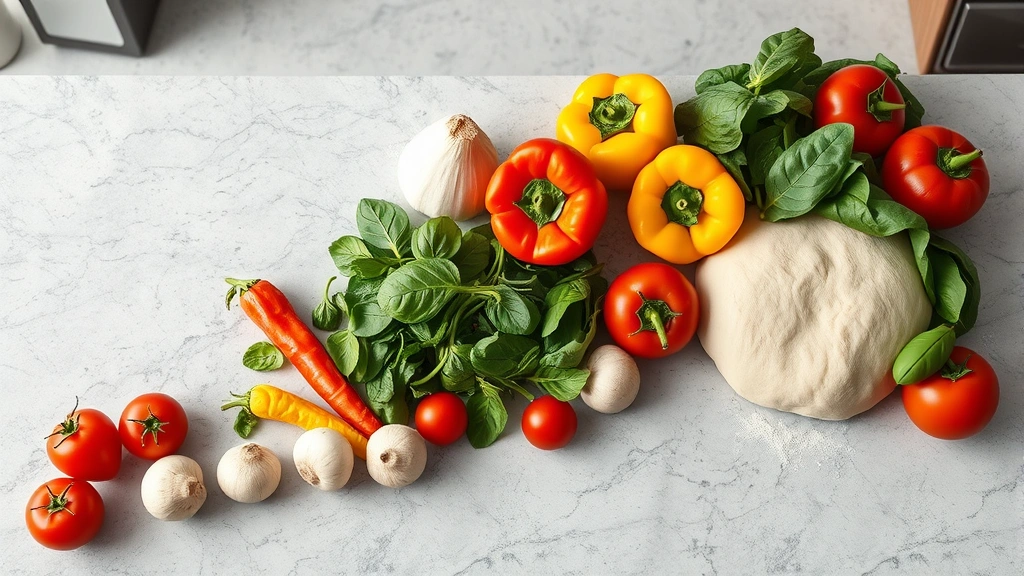
Domino’s customization capabilities enable substantial nutritional optimization. The most impactful strategy involves vegetable loading—adding extra vegetables while maintaining standard cheese and crust selections. Extra spinach, mushrooms, peppers, and onions add minimal calories (approximately 5-10 calories per addition) while increasing fiber, vitamins, and micronutrients substantially.
Light cheese selection represents another powerful lever. Reducing cheese by 50% decreases per-slice calories by approximately 40-50 calories and saturated fat by 2-3 grams while maintaining pizza’s fundamental appeal. Many consumers report that vegetable-forward pizzas with light cheese provide superior satisfaction compared to traditional preparations.
Protein selection deserves strategic consideration. Substituting meat toppings with vegetable alternatives shifts macronutrient ratios meaningfully. While this reduces protein content per slice by 3-5 grams, the reduction remains negligible when combined with a salad or when consuming multiple slices. The caloric and saturated fat reductions prove more substantial, often exceeding 50 calories and 3 grams of saturated fat per slice.
Sauce modifications offer underutilized optimization opportunities. Standard red sauce adds minimal calories (approximately 10-15 per slice) while providing lycopene and other beneficial compounds. However, creamy sauces like garlic Parmesan increase fat content substantially. Requesting light sauce or sauce on the side enables portion control without eliminating flavor.
Crust selection timing matters strategically. Choosing thin crust early in your customization process establishes a lower-calorie foundation, making additional customizations (like extra vegetables) feel more impactful. This psychological framing often leads to more comprehensive nutritional optimization than when consumers approach customization incrementally.

Sodium and Sodium Reduction Tactics
Sodium represents Domino’s most challenging nutritional component. A single medium pizza slice contains 600-800 milligrams of sodium, with an entire medium pizza delivering 2,400-3,200 milligrams. This exceeds the American Heart Association’s recommended daily intake of 2,300 milligrams within a single meal—a significant consideration for hypertension management or cardiovascular health.
The sodium derives from multiple sources: crust (containing salt and sodium as a preservative), cheese (inherently high-sodium), processed meats, and sauce. This multi-source distribution makes complete sodium elimination impossible without fundamentally altering the product. However, strategic modifications can reduce intake meaningfully.
Requesting reduced-salt sauce represents a practical first step, though not all locations accommodate this request. Light cheese selection simultaneously reduces sodium, as cheese contributes substantially to total intake. Some consumers report requesting no salt on the crust—a modification that, while modest in absolute terms, reduces per-slice sodium by approximately 50-75 milligrams.
Pairing Domino’s pizza with sodium-free beverages and sides proves essential for total daily sodium management. Consuming water instead of sodas, and selecting vegetable-based sides rather than breadsticks, prevents compounding sodium accumulation. This approach aligns with comprehensive nutritional strategy rather than attempting to eliminate sodium through pizza modifications alone.
For individuals managing hypertension or cardiovascular disease, occasional Domino’s consumption requires planning. Reducing sodium intake during the remainder of the day—consuming primarily whole foods and avoiding processed items—enables occasional pizza enjoyment without exceeding weekly sodium targets. This flexibility-within-structure approach maintains dietary adherence while preserving social eating experiences.
Fiber and Vegetable Integration
Fiber content represents a significant nutritional gap in standard pizza. A typical slice contains 1-2 grams of fiber, substantially below the 25-30 grams recommended daily. However, Domino’s menu structure enables meaningful fiber augmentation through strategic vegetable selection.
Adding vegetables to pizza increases fiber substantially. A slice loaded with peppers, mushrooms, spinach, and onions increases fiber content to 3-4 grams per slice—a 100-200% increase. While still modest in absolute terms, this modification demonstrates how customization addresses pizza’s fundamental nutritional limitations.
Pairing pizza with salad proves particularly effective for fiber optimization. A modest Domino’s salad (approximately 150 calories) contributes 4-5 grams of fiber, bringing a complete meal’s fiber content to 5-7 grams. While below ideal recommendations, this represents substantial improvement over pizza-only consumption and establishes a pattern of vegetable inclusion.
Domino’s salad dressing selection critically impacts this strategy’s effectiveness. Ranch and creamy dressings add 150-200 calories and 15-20 grams of fat per serving, potentially negating the salad’s nutritional benefits. Light vinaigrette options provide flavor with minimal caloric impact, making them superior choices for fiber-focused ordering strategies.
The psychological impact of visible vegetables deserves recognition. Research indicates that consumers who see vegetables on their pizza report greater satisfaction and perceive meals as healthier, even when caloric differences are minimal. This perception shift can support sustained dietary adherence—a meaningful benefit extending beyond mere nutritional accounting.
Balancing Pizza with Your Daily Nutrition Goals
Successful Domino’s integration requires viewing pizza as a meal component within broader daily nutritional context rather than an isolated dietary event. A 2,000-calorie daily diet accommodates a 600-700 calorie Domino’s meal (approximately 2-3 slices plus salad) while leaving substantial calories for breakfast and other meals.
Strategic meal timing enhances pizza’s nutritional integration. Consuming pizza during lunch—when metabolic rate remains elevated and subsequent meals can complement missing micronutrients—proves superior to late-evening pizza consumption. Pairing pizza with afternoon snacks containing whole grains, fruits, or lean proteins creates nutritional complementarity that isolated pizza consumption cannot achieve.
This approach aligns with our comprehensive nutrition solutions framework, which emphasizes flexibility and sustainability over absolute restriction. Rather than categorizing pizza as “forbidden,” strategic consumption within overall dietary patterns enables consistent adherence to health goals while preserving enjoyment and social participation.
Individuals managing specific conditions benefit from customized approaches. Those with diabetes should prioritize thin crust, vegetable loading, and pairing with protein-rich sides to moderate glycemic response. Those managing hypertension should focus on sodium reduction strategies and balance pizza meals with low-sodium subsequent meals. Athletes can leverage pizza’s carbohydrate content as post-workout fuel when paired with adequate protein.
Tracking total intake across the week rather than individual meals provides perspective on occasional pizza consumption. A single Domino’s meal represents 20-30% of weekly caloric intake—meaningful but manageable when remaining meals emphasize whole foods and balanced nutrition. This weekly perspective supports psychological sustainability that daily restriction often undermines.
For additional guidance on integrating occasional indulgences within broader nutritional frameworks, exploring our nutrients pathway blog provides evidence-based strategies for balanced eating that accommodate modern food environments.
FAQ
Can I eat Domino’s pizza regularly while maintaining health goals?
Yes, with strategic customization. Occasional consumption (1-2 times weekly) with optimized topping selections, thin crust, light cheese, and vegetable loading can fit within balanced diets. The key involves treating pizza as a meal component rather than a complete meal, pairing it with vegetables and ensuring remaining daily meals emphasize whole foods.
What’s the lowest-calorie Domino’s pizza option?
The Pacific Veggie on thin crust with light cheese delivers approximately 150-170 calories per slice. A three-slice serving totals 450-510 calories—reasonable for a meal component when paired with salad. This option provides superior micronutrient density compared to meat-heavy alternatives.
How can I reduce sodium in Domino’s pizza?
Request light cheese and light sauce, avoid processed meat toppings, and select vegetable additions instead. These modifications reduce per-slice sodium by 150-250 milligrams. Additionally, balance pizza meals by consuming low-sodium foods during other meals and drinking water instead of sodas.
Is Domino’s pizza suitable for weight loss diets?
Pizza can support weight loss when approached strategically. Thin crust, light cheese, vegetable loading, and portion control (2-3 slices) create meals of 450-600 calories that fit within most weight loss frameworks. Pairing pizza with salad ensures satiety and nutrient completeness, supporting adherence to caloric goals.
What macronutrient profile should I target when ordering pizza?
Aim for approximately 30-35% calories from protein, 40-45% from carbohydrates, and 25-30% from fat. Achieving this requires adding lean protein (wings or salad with chicken), selecting vegetable-forward pizza, and using light cheese. This macronutrient distribution supports satiety and metabolic stability compared to standard pizza’s higher carbohydrate-fat ratio.
How does Domino’s pizza compare nutritionally to other pizza chains?
Domino’s provides detailed nutritional information and customization options comparable to major competitors. Their thin crust and vegetable options offer advantages similar to Pizza Hut and Papa John’s. The key differentiator isn’t the chain but rather the consumer’s ordering strategy and customization choices.
Can I include Domino’s in a plant-based diet?
Absolutely. Domino’s vegetarian pizzas, particularly when customized with extra vegetables, provide complete plant-based meals. However, ensure adequate protein by pairing pizza with legume-based sides or supplementing with nuts and seeds. The Pacific Veggie pizza with light cheese and additional vegetables creates a nutritionally complete plant-based option.
What beverage choices complement Domino’s pizza best?
Water remains optimal, avoiding added calories and supporting hydration. Unsweetened tea provides flavor without sugar. If consuming sugary beverages, account for these calories within daily intake. Avoiding high-calorie beverages prevents compounding the meal’s caloric and sugar content, which represents a significant consideration given pizza’s already-substantial sodium contribution.