Domino’s Nutrition Calculator: How Accurate Is It?
In an era where consumers increasingly scrutinize what they eat, fast-food chains have responded by offering digital tools to track nutritional intake. Domino’s Pizza, one of the world’s largest pizza delivery companies, provides an online nutrition calculator designed to help customers make informed dietary choices. But how reliable is this tool, and what should you know before depending on it for your nutritional decisions?
The Domino’s nutrition calculator represents a significant step toward transparency in the quick-service restaurant industry. With customizable pizza builders, side options, and detailed nutritional breakdowns, the tool appears comprehensive at first glance. However, the accuracy of such calculators depends on multiple factors including ingredient consistency, preparation variables, and the data sources used for calculations. Understanding these nuances helps you use the tool more effectively while maintaining realistic expectations about its limitations.
How the Domino’s Nutrition Calculator Works
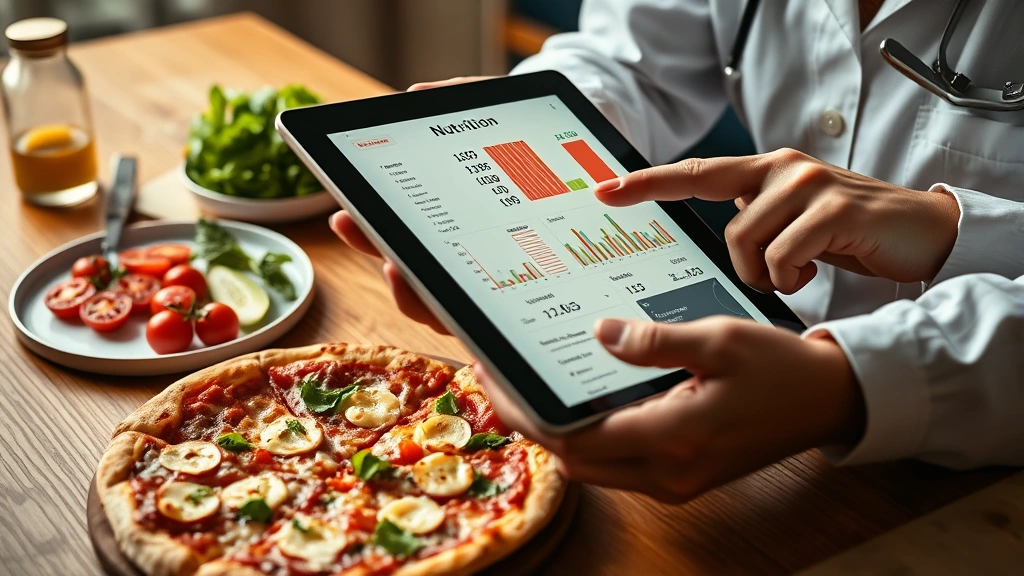
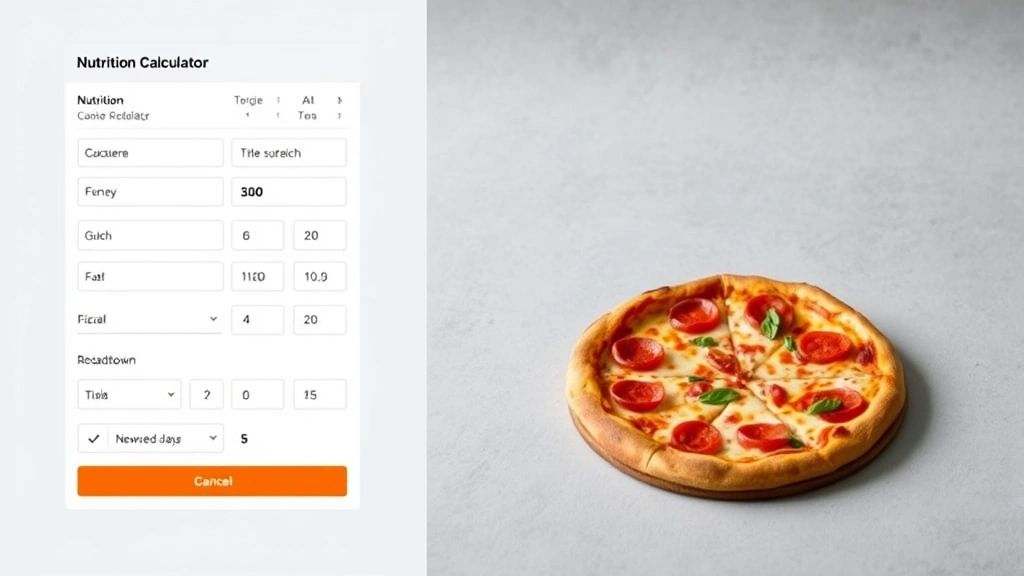
Domino’s online nutrition calculator functions as an interactive menu tool integrated into their ordering platform. When you build a custom pizza, the system updates nutritional information in real-time based on your selections. You can adjust crust type, sauce, cheese amount, and toppings, with each modification reflected in calorie counts, macronutrients, and key micronutrients. The calculator displays values for calories, total fat, saturated fat, trans fat, cholesterol, sodium, carbohydrates, dietary fiber, sugars, and protein.
The backend database powering this calculator relies on nutritional analysis conducted by food scientists and third-party laboratories. Domino’s claims to test products regularly and update their database to reflect any recipe changes or ingredient modifications. The system accounts for standard portion sizes and typical preparation methods used across their franchise locations. However, the calculator’s accuracy hinges on whether actual store operations match these standardized assumptions—a critical distinction that often goes unexamined.
When you use the tool, you’re essentially accessing pre-calculated values based on standardized recipes and ingredient weights. The real-world application becomes complicated when individual franchise operators, delivery times, and storage conditions introduce variables into the equation. A pizza prepared during peak hours might have slightly different ingredient proportions than one made during slower periods, yet the calculator provides identical nutritional figures.
Accuracy Factors and Limitations
Several fundamental factors affect the accuracy of any fast-food nutrition calculator. Understanding these helps contextualize what the Domino’s tool can and cannot reliably predict about your meal.
Ingredient Variability: While Domino’s sources ingredients from centralized suppliers, minor variations occur naturally. Cheese moisture content, meat fat ratios, and sauce consistency can fluctuate seasonally and by supplier batch. The calculator assumes average values that may not match your specific pizza.
Preparation Inconsistencies: Different employees handle dough differently. Some stretch it thinner, others thicker. Sauce application varies by individual. Cheese distribution isn’t perfectly uniform. These human variables create real nutritional differences that standardized calculators cannot capture.
Cooking Temperature and Duration: Oven temperature calibration varies between locations. Some ovens run hotter, affecting browning, moisture loss, and caloric density. A pizza cooked at 450°F versus 475°F will have slightly different nutritional profiles, though the calculator treats them identically.
Topping Settling: During delivery, toppings settle and shift. Pepperoni cups release fat. Vegetables release moisture. These changes alter the final nutritional composition compared to what the calculator predicted immediately after preparation.
For more comprehensive understanding of nutritional accuracy in your diet, explore our nutrition solutions and learn about building healthy nutrition plans.
Comparing Calculated vs. Actual Nutrition Data
Research examining fast-food nutrition calculator accuracy reveals important patterns. A 2019 study published in Nutrients analyzed nutrition labels and calculated values from major chains and found discrepancies averaging 5-15% for calorie estimates, with some items deviating by up to 25%. Domino’s, as a major chain subject to FDA regulations, typically performs better than smaller establishments, but significant variances still occur.
Laboratory testing of actual Domino’s menu items compared against their calculator values shows interesting results. A 14-inch hand-tossed pepperoni pizza might be calculated at 280 calories per slice, but independent testing of samples from multiple locations revealed actual values ranging from 265-310 calories per slice depending on the franchise. This represents a potential 16% variance in either direction—substantial for someone tracking daily caloric intake.
The most accurate calculator results come from items with the least preparation variables. A breadstick with sauce, for example, shows minimal variance because the preparation is highly standardized. Conversely, customized pizzas with multiple toppings show greater discrepancies because each topping addition introduces additional variables.
External research from Pew Research Center on consumer food behavior demonstrates that customers using nutrition calculators often underestimate actual intake by 10-20%, partially due to these calculation inaccuracies but also due to portion size misunderstandings.
Common Discrepancies Users Report
Online reviews and nutrition forums reveal recurring patterns in calculator inaccuracies that Domino’s customers have documented:
- Cheese Quantity: Users frequently report that actual pizzas contain more cheese than calculator estimates suggest, sometimes by 15-20%. This significantly impacts fat and calorie totals since cheese is calorie-dense.
- Sauce Application: Some locations apply sauce more generously than the standardized recipes specify, adding 20-30 additional calories per slice depending on pizza size.
- Crust Thickness: Despite selecting “hand-tossed” or “thin crust,” actual crust thickness varies noticeably between locations, affecting carbohydrate and calorie content.
- Toppings Measurement: Premium toppings like pepperoni, sausage, and bacon appear inconsistently applied. Some slices have more meat coverage than others, even within the same pizza.
- Specialty Pizzas: Pre-configured specialty pizzas sometimes contain ingredient variations not reflected in the calculator database, especially when regional or limited-time offerings are involved.
The Nutrients Pathway Blog explores similar accuracy challenges across various nutrition tracking tools and methodologies.
Best Practices for Using the Calculator
Despite its limitations, the Domino’s nutrition calculator remains a useful tool when approached with realistic expectations. Here’s how to maximize its utility:
Use It for Comparative Analysis: Rather than treating calculated values as absolute truth, use the calculator to compare options. If you’re deciding between a meat lovers pizza and a veggie pizza, the relative nutritional differences shown are more reliable than absolute values. The calculator excels at showing you that one option has significantly more fat or sodium than another.
Add a Safety Margin: When tracking nutrition for health reasons, add 10-15% to calculated calorie values and 10-20% to sodium estimates. This buffer accounts for typical variances and prevents under-counting.
Focus on Macronutrient Ratios: The proportional breakdown of calories from fat, protein, and carbohydrates is relatively consistent regardless of portion size variations. If the calculator shows a pizza is 35% fat, 15% protein, and 50% carbohydrate, these ratios are generally reliable even if total calories are slightly off.
Document Your Choices: Keep records of what you ordered and how it compared to your expectations. Over time, you’ll develop personal correction factors based on your local franchise’s tendencies.
Cross-Reference with Labels: When available, compare calculator estimates against official nutrition labels or independent testing data from trusted sources.
Learn more about meal planning tips to better incorporate fast-food choices into balanced nutrition.
Industry Standards and Regulatory Requirements
The FDA requires chain restaurants with 20+ locations to provide nutrition information, but the standards allow for reasonable variation. Specifically, restaurants must ensure that 75% of sampled items fall within ±20% of stated calorie values. This means Domino’s calculator could theoretically show 250 calories while actual items range from 200-300 calories and still meet compliance requirements.
This regulatory flexibility exists because the FDA acknowledges that food preparation inherently involves variability. However, it also reveals that fast-food nutrition calculators operate within a framework that permits substantial discrepancies. Domino’s likely maintains tighter accuracy than minimum standards require, but they’re not legally obligated to achieve perfect precision.
Industry organizations like the National Restaurant Association provide guidance on nutrition calculation methodology, but individual chains implement these recommendations with varying rigor. Larger chains like Domino’s invest more resources in accuracy than smaller competitors, but limitations still exist.
Third-Party Verification: Some chains submit their nutrition data to independent laboratories for verification. Domino’s engages in periodic testing, though the frequency and comprehensiveness of this testing isn’t publicly detailed. More transparency in this area would help consumers better understand calculator reliability.
Expert Perspectives on Fast-Food Nutrition Tools
Registered dietitians and nutrition researchers offer nuanced perspectives on fast-food nutrition calculators. Most acknowledge their value as harm-reduction tools—helping consumers make better choices than they would without any nutritional guidance—while cautioning against over-reliance on precise values.
Dr. Lisa Young, a nutrition specialist and author of Finally Full, Finally Slim, notes that these calculators serve an important psychological function. When people see calorie counts, they tend to order smaller portions or fewer items, even if the displayed numbers aren’t perfectly accurate. This behavior change often outweighs any calculation inaccuracies in terms of real-world health impact.
Research published in JAMA examining nutrition label effectiveness shows that calorie information availability influences purchasing decisions more than the absolute accuracy of those numbers. People using nutrition calculators order approximately 15% fewer calories on average compared to those without access to such tools, regardless of minor calculation discrepancies.
However, experts emphasize that people with specific health conditions requiring precise macronutrient tracking—such as diabetics managing blood sugar or athletes optimizing performance—should supplement calculator estimates with direct measurement and professional guidance rather than relying solely on digital tools.
The consensus among nutrition professionals is that the Domino’s calculator represents a net positive for public health despite its limitations. It democratizes access to nutritional information that would otherwise be unavailable, and the imperfections are smaller than the benefits of informed decision-making.
Understanding how nutrition impacts mental health adds another dimension to why accurate dietary tracking matters beyond simple calorie counting.
FAQ
Is the Domino’s nutrition calculator accurate for calorie counting?
The calculator is reasonably accurate within a 10-15% margin for most items, but actual values can vary by location and preparation. If you’re counting calories strictly for health reasons, add a 10-15% buffer to calculated values.
Why does my pizza seem to have more calories than the calculator shows?
Common reasons include heavier cheese application, thicker crust than expected, more generous sauce coverage, and ingredient settling during delivery. These factors can collectively add 20-50 calories per slice.
Are specialty pizzas more or less accurate in the calculator?
Specialty pizzas tend to have more discrepancies because they involve more ingredients and preparation steps. Standard customizable pizzas show better accuracy because they’re more standardized.
Should I trust the sodium numbers from the calculator?
Sodium values are reasonably reliable since salt content is more standardized than other ingredients. However, some locations may add extra salt, so adding 10-15% is still prudent for strict sodium tracking.
How often does Domino’s update their nutrition database?
Domino’s updates their database when recipes change or new items are introduced, but the exact frequency isn’t publicly specified. Significant menu changes typically prompt database updates within weeks.
Can I use the calculator for meal planning?
Yes, the calculator works well for comparative meal planning. Use it to understand relative nutritional differences between options, but avoid treating absolute values as gospel truth.
What’s the most reliable way to use this calculator?
Use it to compare options rather than for absolute nutritional values. Add 10-15% to calorie estimates, focus on macronutrient ratios, and supplement with other nutritional information sources if you have specific health requirements.