
Einstein Bagels Nutrition: Dietitian Insights
Einstein Bros. Bagels has become a staple breakfast destination for millions of Americans seeking quick, convenient morning meals. However, understanding the nutritional profile of these popular bagels is essential for anyone making informed dietary choices. Whether you’re a regular customer or considering adding Einstein bagels to your routine, this comprehensive guide examines the nutrition facts, health implications, and expert recommendations from registered dietitians.
Bagels represent a unique category in the breakfast food spectrum—they’re larger than traditional bread products, denser in texture, and often loaded with various toppings and spreads. Einstein Bros. offers an extensive menu that ranges from simple plain bagels to elaborately topped varieties, each carrying different nutritional consequences. Understanding these differences helps you navigate menu options aligned with your health goals and dietary needs.
Calorie Content and Macronutrient Breakdown
A standard Einstein Bros. bagel contains approximately 250-350 calories, depending on the variety selected. The plain bagel sits at the lower end of this spectrum with roughly 250 calories, while specialty bagels like the Asiago Cheese can exceed 350 calories before any spread application. This caloric density reflects the bagel’s substantial size and concentrated carbohydrate composition compared to standard bread slices.
Carbohydrates dominate the macronutrient profile, typically accounting for 45-55 grams per bagel. This represents a significant portion of the recommended daily carbohydrate intake, particularly for individuals following lower-carb dietary approaches. The carbohydrate content comes primarily from refined wheat flour, which means the bagels provide readily available energy but limited sustained satiety compared to whole grain alternatives.
Fat content varies considerably based on bagel type. Plain bagels contain approximately 1.5-2 grams of fat, while cream cheese-filled varieties or cheese-laden options can contain 8-12 grams. When you apply additional spreads or toppings, fat content escalates rapidly. A bagel with two tablespoons of cream cheese adds another 9-11 grams of fat, bringing total fat intake to potentially problematic levels for certain dietary protocols.
Protein content typically ranges from 8-12 grams per plain bagel, which is reasonable but not exceptional. However, this protein comes primarily from gluten-containing wheat, making it unsuitable for celiac disease sufferers. Pairing your bagel with protein-rich spreads like peanut butter or cream cheese can enhance total protein intake, though this strategy increases caloric density simultaneously.
Sodium Levels and Heart Health Considerations
Sodium content represents one of the most significant nutritional concerns with Einstein bagels. A single plain bagel contains approximately 400-500 milligrams of sodium, which represents 17-22% of the recommended daily limit established by the American Heart Association. For individuals managing hypertension or cardiovascular health, this single food item creates meaningful dietary impact.
Specialty bagels amplify sodium concerns considerably. Asiago Cheese bagels, Everything bagels, and other varieties often contain 600-700 milligrams of sodium per bagel. When you add cream cheese spreads, which typically contain 150-200 milligrams of sodium per serving, a single Einstein bagel breakfast can contribute 700-900 milligrams of sodium—nearly half the recommended daily intake in a single meal.
According to research from the American Heart Association, excessive sodium consumption contributes significantly to hypertension, which affects approximately 47% of American adults. Dietitians consistently recommend scrutinizing sodium intake across all food categories, and breakfast items like bagels deserve particular attention given their concentrated sodium profiles.
Individuals managing blood pressure should consider requesting bagels without salt-based toppings or selecting plain varieties and controlling sodium through spread choices. Pairing your bagel with low-sodium options like unsalted peanut butter or avocado can help mitigate overall meal sodium impact.
Sugar Content Across Popular Varieties
Sugar content varies dramatically across Einstein Bros.’ menu, though most varieties contain more added sugars than many consumers realize. Plain bagels contain approximately 3-4 grams of sugar, which comes primarily from the fermentation process and natural grain sugars. However, specialty varieties introduce significant added sugar.
Cinnamon Raisin bagels contain approximately 7-9 grams of sugar per bagel, while sweet varieties with chocolate chips or other additions can reach 10-12 grams. When combined with typical spreads—especially jam, honey, or sweetened cream cheese varieties—total sugar consumption can reach 20-25 grams from a single bagel breakfast. This represents nearly half the recommended daily added sugar limit for most adults.
The CDC recommends limiting added sugars to less than 10% of daily calories, which translates to roughly 25 grams for women and 36 grams for men. A single sweet Einstein bagel with flavored cream cheese can consume this entire allowance before consuming any other foods.
Registered dietitians emphasize that regular consumption of high-sugar breakfast items contributes to blood sugar dysregulation, increased hunger throughout the morning, and potential weight gain over time. The refined carbohydrate composition means blood sugar spikes rapidly after consumption, followed by energy crashes that trigger additional food cravings.
Fiber and Digestive Health Impact
Dietary fiber content represents a significant nutritional weakness in standard Einstein bagels. Plain bagels contain only 2-3 grams of fiber, while whole grain options provide marginally better fiber profiles at 3-4 grams. For context, the recommended daily fiber intake is 25-38 grams, meaning a single bagel contributes only 8-12% of daily requirements.
This limited fiber content affects multiple aspects of digestive and metabolic health. Low-fiber foods fail to promote satiety effectively, meaning you’ll likely experience hunger within 2-3 hours despite consuming 250+ calories. This hunger pattern drives overeating and snacking behaviors that accumulate caloric excess throughout the day.
Additionally, refined bagels provide minimal prebiotic fiber that feeds beneficial gut bacteria. The research on fiber and gut microbiota demonstrates that adequate fiber intake supports healthy bacterial diversity, which influences metabolism, immune function, and even mental health through the gut-brain axis. Substituting whole grain bagels or adding high-fiber spreads like chia seed butter can improve this nutritional profile substantially.
Dietitians recommend pairing your Einstein bagel with high-fiber foods to improve overall meal composition. Adding vegetables, fruits, or fiber-rich spreads helps moderate blood sugar response and extend satiety duration, creating more balanced nutritional outcomes.
Protein Content for Satiety
While bagels provide moderate protein content, the amount and quality deserve scrutiny from a satiety perspective. The 8-12 grams of protein in a plain bagel comes primarily from gluten-containing wheat, which provides incomplete amino acid profiles compared to animal proteins or legume combinations.
Complete proteins contain all nine essential amino acids in appropriate ratios for human metabolism. Wheat proteins lack certain amino acids, making them less efficient for muscle maintenance and satiety signaling. This means your body processes bagel protein differently than protein from eggs, Greek yogurt, or meat-based options.
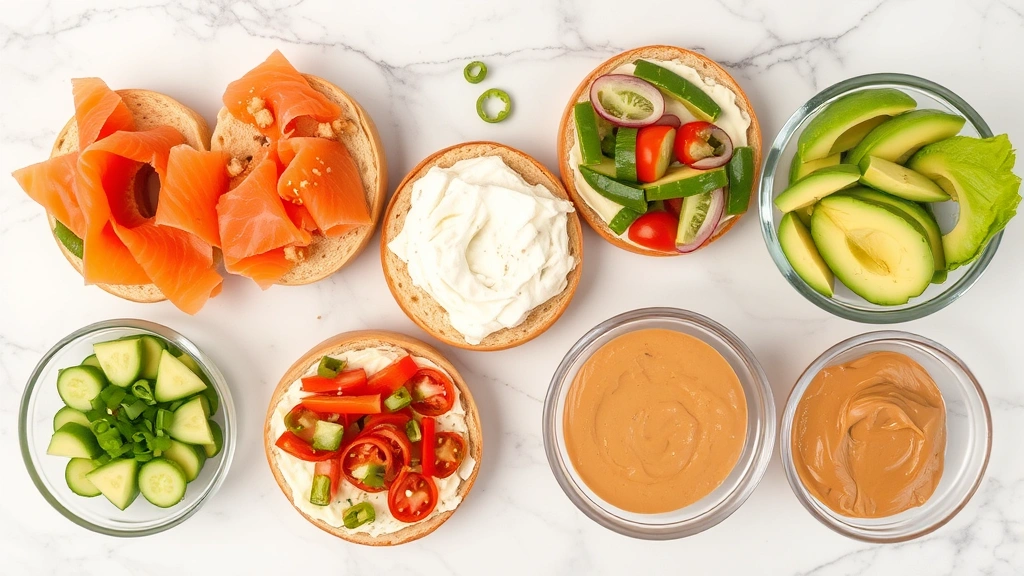
To enhance protein intake and satiety, pair your Einstein bagel with complementary protein sources. Cream cheese adds 6-7 grams of protein per serving, though primarily from dairy. Peanut butter or almond butter adds 4-8 grams of plant-based protein plus healthy fats that extend satiety duration. Smoked salmon provides approximately 10 grams of complete protein plus omega-3 fatty acids that support cardiovascular and cognitive health.
Registered dietitians consistently recommend breakfast compositions containing 20-30 grams of protein to establish sustainable satiety and stable blood glucose throughout the morning. A bagel alone falls short of this target, requiring strategic topping selections to achieve optimal nutritional outcomes.
Comparing Einstein Bagels to Competitors
Understanding Einstein bagels’ nutritional positioning relative to competitors helps contextualize their place in the breakfast landscape. Dunkin’ bagels typically contain similar caloric content (240-320 calories) and sodium profiles (380-520 milligrams), though their sugar content varies more widely across varieties.
Locally-made bagel shops sometimes offer superior nutritional profiles, particularly those emphasizing whole grain varieties or reduced-sodium formulations. However, chain consistency allows for precise nutritional tracking, which matters significantly for individuals managing specific dietary conditions.
Comparing Einstein bagels to alternative breakfast options illuminates different dietary trade-offs. A healthy nutrition plan might incorporate Einstein bagels occasionally while prioritizing whole grain options, egg-based breakfasts, or oatmeal for daily consumption. The key distinction involves frequency and portion control rather than absolute avoidance.
Healthier Topping Strategies
Topping selections dramatically influence the overall nutritional value of your Einstein bagel breakfast. Rather than viewing toppings as fixed choices, dietitians recommend strategic composition that enhances nutritional density while maintaining reasonable caloric intake.
Cream cheese remains the most popular topping, but portion control matters significantly. Standard Einstein servings contain approximately 2 tablespoons (1 ounce), which contributes 100-110 calories, 9-11 grams of fat, and 160-180 milligrams of sodium. Requesting half-portions or selecting reduced-fat cream cheese varieties can diminish these impacts substantially.
Protein-rich alternatives deserve consideration. Smoked salmon provides omega-3 fatty acids and complete proteins that support cardiovascular and cognitive function. Peanut butter or almond butter adds healthy monounsaturated fats and plant-based protein that extend satiety duration. Greek yogurt offers substantial protein with reduced sodium compared to cream cheese.
Vegetable-based toppings enhance micronutrient density without excessive caloric contribution. Tomato slices add lycopene and vitamin C. Cucumber provides hydration and fiber. Spinach or arugula contribute iron and phytonutrients. These additions transform bagels from simple carbohydrate vehicles into more balanced nutritional compositions.
Regarding avocado as a topping option, this fruit provides healthy fats, fiber, and potassium. However, avocado also contains approximately 120-160 calories per serving, requiring portion awareness to maintain reasonable total caloric intake.
Special Dietary Considerations
Different dietary approaches and health conditions require specialized consideration regarding Einstein bagels. Individuals following optimized nutrition for athletic performance may benefit from bagels’ concentrated carbohydrates for pre-workout fueling, though timing and portion control remain important.
Celiac disease sufferers cannot safely consume standard Einstein bagels due to gluten content in wheat flour. The chain does not currently offer certified gluten-free bagel options, making this a significant limitation for this population.
Individuals managing diabetes require particular attention to bagels’ refined carbohydrate content and rapid blood sugar impact. A single plain bagel can cause significant glucose spikes, particularly when consumed without protein or fat components that moderate absorption rates. Consulting registered dietitians before including Einstein bagels in diabetic meal plans is essential.
For weight management purposes, bagels’ caloric density relative to volume means limited satiety despite substantial energy contribution. Individuals pursuing weight loss typically find other breakfast options more supportive of satiety and adherence to caloric targets.
Regarding dietary fiber importance for overall health, Einstein bagels’ limited fiber content represents a significant limitation for anyone prioritizing digestive health and microbiota support. Whole grain alternatives or supplementary fiber-rich additions become essential for optimizing this nutritional dimension.
The intersection of nutrition and mental health suggests that refined carbohydrate-dominant breakfasts may contribute to afternoon energy crashes and mood dysregulation. Balanced macronutrient compositions support more stable neurotransmitter production and cognitive function throughout the day.
FAQ
How many calories are in a plain Einstein bagel?
A plain Einstein Bros. bagel contains approximately 250 calories. This represents the lower end of their bagel offerings, with specialty varieties reaching 350+ calories before topping additions.
Is Einstein bagel bread healthy for weight loss?
Einstein bagels present challenges for weight loss due to high caloric density, limited fiber content, and modest satiety despite substantial energy contribution. Most registered dietitians recommend alternative breakfast options for individuals pursuing weight loss, though occasional consumption within structured meal plans remains possible.
What’s the sodium content in Einstein bagels?
Plain Einstein bagels contain 400-500 milligrams of sodium per bagel, representing 17-22% of recommended daily limits. Specialty varieties exceed 600 milligrams, and combined with cream cheese toppings, single meals can contribute 700-900 milligrams of sodium.
Do Einstein bagels contain added sugar?
Plain bagels contain 3-4 grams of sugar from natural sources, while specialty varieties contain 7-12 grams of added sugars. Sweet varieties with chocolate chips or cinnamon-raisin compositions approach or exceed 12 grams of added sugar per bagel.
What’s the protein content in Einstein bagels?
Plain Einstein bagels provide 8-12 grams of protein, primarily from wheat gluten. This represents moderate protein content but incomplete amino acid profiles compared to animal or legume-based proteins, making supplementary protein sources recommended for optimal satiety.
Can I eat Einstein bagels on a low-carb diet?
Standard Einstein bagels contain 45-55 grams of carbohydrates, making them unsuitable for ketogenic or very low-carb diets. Individuals following these dietary approaches should avoid Einstein bagels entirely or seek specialized low-carb bakery alternatives.
Are Einstein bagels gluten-free?
Einstein Bros. does not currently offer certified gluten-free bagel options. All standard bagels contain wheat flour and are unsuitable for individuals with celiac disease or non-celiac gluten sensitivity.
What’s the best topping for Einstein bagels nutritionally?
Registered dietitians recommend protein-rich toppings like smoked salmon, peanut butter, or Greek yogurt combined with vegetable additions like tomato, cucumber, or spinach. These combinations enhance protein intake, add fiber and micronutrients, and improve overall satiety compared to cream cheese alone.
How do Einstein bagels compare to whole wheat bagels?
Whole wheat varieties provide marginally more fiber (3-4 grams versus 2-3 grams) and slightly different micronutrient profiles, but caloric and macronutrient compositions remain similar. True nutritional improvement requires whole grain bagels from specialty bakeries emphasizing genuine whole grain compositions.
Should I avoid Einstein bagels entirely?
Occasional consumption of Einstein bagels within balanced meal plans remains acceptable for most populations. However, regular consumption should be reconsidered given sodium density, refined carbohydrate composition, and limited fiber content. Strategic topping selections and portion awareness can improve nutritional outcomes when consumption occurs.


