
English Muffin Nutrition Facts Explained
English muffins have become a breakfast staple across North America and beyond, offering a convenient and versatile foundation for countless morning meals. Whether you’re toasting one for a quick breakfast sandwich or enjoying it plain with butter and jam, understanding the nutritional profile of this beloved bread product is essential for making informed dietary choices. English muffins differ significantly from their American counterpart—the English muffin—in texture, preparation method, and nutritional composition, making it worthwhile to examine exactly what you’re consuming when you reach for one of these iconic treats.
The nutritional landscape of English muffins has evolved considerably over the past two decades. Modern manufacturers have responded to consumer demand for healthier options by introducing whole grain, multigrain, and fiber-enriched varieties that substantially alter the traditional nutrition facts label. This comprehensive guide breaks down the essential nutritional components of English muffins, explores how different varieties compare, and provides practical insights for incorporating them into a balanced diet. Whether you’re counting calories, monitoring sodium intake, or seeking to boost your fiber consumption, this detailed analysis will help you navigate the English muffin aisle with confidence.
Standard English Muffin Nutrition Breakdown
A typical English muffin weighing approximately 57 grams (one standard serving) contains roughly 120-150 calories depending on the brand and specific formulation. This moderate calorie count makes English muffins a reasonable choice for breakfast when paired with nutrient-dense toppings. The basic composition consists primarily of enriched wheat flour, water, yeast, salt, and various preservatives to maintain shelf stability. Understanding this foundational nutrition data provides the framework for evaluating how different varieties and preparation methods impact your overall dietary intake.
The structure of an English muffin—with its characteristic nooks and crannies—creates surface area ideal for absorption of spreads and toppings. This textural characteristic means that the final nutritional profile of your English muffin breakfast depends heavily on what you add to it. A plain English muffin with butter and jam presents vastly different nutritional consequences than one topped with avocado or used as the base for an egg sandwich. This versatility is both a blessing and a potential pitfall for those attempting to maintain specific nutritional targets.
Most commercial English muffins are manufactured using an English muffin ring, which creates the distinctive flat top and bottom with vertical sides. This production method, combined with steaming rather than baking, contributes to the unique crumb structure and moisture retention that distinguishes English muffins from regular bread. The manufacturing process also impacts how quickly the muffin oxidizes and how long it maintains freshness, which can affect nutrient preservation.
Calories and Macronutrients
A standard English muffin delivers approximately 24-28 grams of carbohydrates, making it primarily a carbohydrate-based food. These carbohydrates come from the enriched wheat flour that forms the foundation of most commercial varieties. For context, this represents roughly 8-10 percent of the daily recommended carbohydrate intake for a 2,000-calorie diet. The carbohydrate content varies slightly between plain and fortified varieties, with some specialty muffins containing additional flour blends that increase carbohydrate density.
Protein content in a single English muffin typically ranges from 4-5 grams, which is moderate but not particularly high. This protein primarily comes from the wheat flour and is supplemented by any eggs or dairy products incorporated during manufacturing. For those seeking to maximize protein intake at breakfast, pairing an English muffin with egg-based toppings, cheese, or nut butter significantly boosts the protein profile of the meal. The healthy nutrition plan framework suggests considering protein-rich accompaniments when choosing bread-based breakfast options.
Fat content in English muffins is notably low, typically containing only 1-1.5 grams per muffin. This low fat content makes plain English muffins suitable for low-fat diet approaches, though the lack of fat means they digest relatively quickly and may not provide extended satiety. The minimal fat also means that English muffins are not a significant source of essential fatty acids, another reason why thoughtful topping selection becomes nutritionally important. Whole grain varieties sometimes contain slightly more fat due to inclusion of grain germ and bran components.
Micronutrients and Vitamins
English muffins manufactured in North America are typically enriched with B vitamins including thiamine (B1), riboflavin (B2), and niacin (B3). This enrichment process, mandated by food regulations, replaces nutrients lost during the milling of whole grains into refined white flour. A single English muffin can provide 10-15 percent of the daily recommended value for several B vitamins, which play crucial roles in energy metabolism and nervous system function.
Iron fortification is another standard practice in commercial English muffin production. One muffin generally contains 1.5-2 milligrams of iron, representing approximately 10-15 percent of the recommended daily intake for adult men and 8-10 percent for women of reproductive age. This iron is typically added in the form of ferrous sulfate or reduced iron, which has moderate bioavailability compared to heme iron from animal sources. The presence of this added iron makes English muffins a modest contributor to daily iron intake, particularly important for individuals at risk of iron deficiency.
Calcium content in English muffins varies depending on whether calcium is added during fortification. Some brands add calcium carbonate to increase the muffin’s calcium content to 100-150 milligrams per serving. While this represents only 10-15 percent of the daily recommended intake, every contribution to calcium intake supports bone health and muscle function. The nutritional composition of complementary foods can further enhance the micronutrient profile when English muffins are combined with calcium-rich toppings like cream cheese or cottage cheese.
Fiber Content Comparison
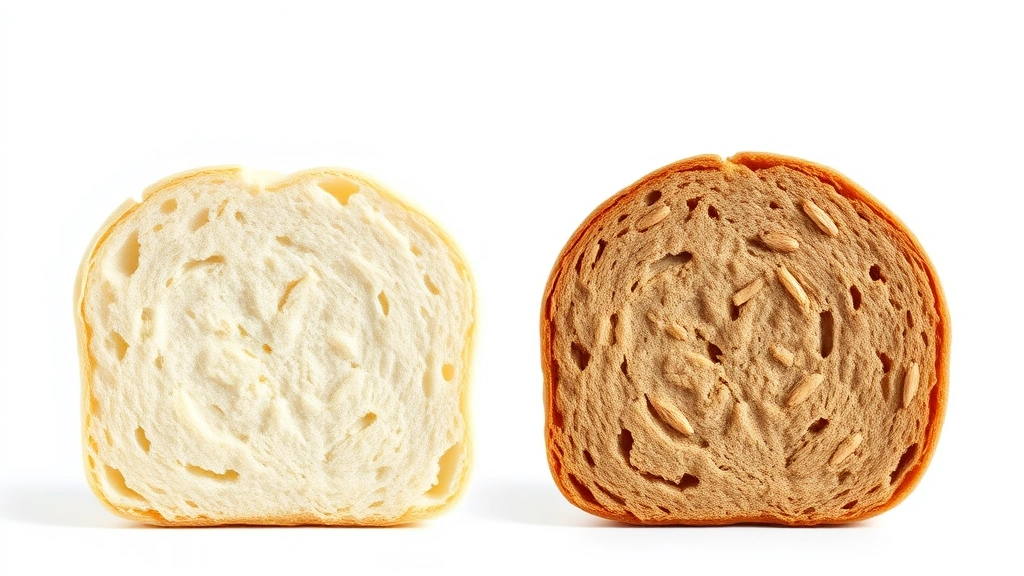
Standard white English muffins contain approximately 1-2 grams of dietary fiber per serving, which represents only 4-8 percent of the recommended daily intake. This relatively low fiber content reflects the fact that most commercial varieties use refined white flour, which has had the nutrient-dense bran and germ removed during processing. This limited fiber content means that traditional English muffins do not significantly contribute to digestive health or satiety when consumed alone.
Whole wheat English muffins represent a dramatic improvement in fiber content, typically delivering 3-4 grams of fiber per muffin. This represents approximately 12-16 percent of the daily recommended fiber intake and makes whole grain varieties substantially more beneficial for digestive health and blood sugar management. The additional fiber comes from inclusion of whole wheat flour, which retains the bran and germ components that contain most of the grain’s fiber. For individuals focused on dietary fiber importance, choosing whole grain English muffins represents a simple substitution that meaningfully increases fiber intake.
Specialty fiber-enriched English muffins have emerged in recent years, with some brands incorporating inulin, psyllium husk, or other functional fibers to boost the fiber content to 5-7 grams per muffin. These varieties can be particularly beneficial for those with specific dietary needs or those attempting to increase fiber intake rapidly. However, it’s important to note that sudden increases in fiber consumption can cause digestive discomfort, so gradual transitions to higher-fiber varieties are generally recommended. The texture and taste of these fiber-enriched varieties can vary significantly from traditional muffins, so personal preference testing is advisable.
Sodium and Heart Health
Sodium content represents one of the more significant nutritional concerns with English muffins, particularly for individuals monitoring salt intake due to hypertension or other cardiovascular conditions. A typical English muffin contains 300-400 milligrams of sodium, representing 13-17 percent of the recommended daily limit of 2,300 milligrams. This sodium serves multiple functions in commercial muffins: preserving freshness, enhancing flavor, and controlling fermentation during the manufacturing process.
For perspective, a single English muffin provides more sodium than many individual foods consumed throughout the day, making portion awareness and topping selection particularly important. When an English muffin is topped with processed meats, cheese, or salted spreads, the total sodium content of the meal can rapidly exceed recommended guidelines. Individuals following comprehensive nutrition plans for cardiovascular health should carefully evaluate sodium contributions from all breakfast components.
Several manufacturers now produce reduced-sodium English muffin varieties containing 200-250 milligrams of sodium per muffin, representing a 30-40 percent reduction from standard varieties. These options are particularly valuable for those with strict sodium limitations. Reading nutrition labels carefully and comparing sodium content across brands can yield substantial reductions in daily sodium intake without requiring elimination of English muffins from the diet entirely. Some artisanal and specialty producers offer salt-free varieties for those with severe sodium restrictions.
Whole Grain vs. White English Muffins
The nutritional differences between whole grain and refined white English muffins extend well beyond fiber content. Whole grain varieties retain significantly more vitamins and minerals in their native form, reducing reliance on post-processing fortification. The bran and germ components of whole grains contain vitamin E, magnesium, manganese, and phytochemicals that provide antioxidant and anti-inflammatory benefits. These compounds are largely absent from refined white flour, even after enrichment processes restore certain B vitamins and iron.
Glycemic impact represents another significant distinction between these varieties. Whole grain English muffins have a lower glycemic index than their white flour counterparts, meaning they cause more gradual increases in blood sugar levels. This slower glucose absorption provides more sustained energy and reduced insulin spikes, making whole grain varieties particularly beneficial for individuals with diabetes or prediabetes. The athletic nutrition perspective also favors whole grain varieties for their superior sustained energy delivery during training and competition.
Taste and texture preferences often determine whether individuals successfully transition to whole grain English muffins. Many people find whole grain varieties denser and more substantial, with a slightly nutty flavor compared to the mild sweetness of white varieties. Some manufacturers blend whole wheat with white flour to create intermediate products that retain some nutritional benefits while maintaining more familiar taste and texture profiles. Experimenting with different brands and blends helps identify options that satisfy both nutritional goals and personal preferences.
Specialty and Fortified Varieties
The English muffin market has expanded considerably to include numerous specialty varieties designed to meet specific nutritional needs and dietary preferences. Sprouted grain English muffins represent one such innovation, created from grains that have been allowed to germinate before processing. This sprouting process increases bioavailability of certain nutrients and reduces anti-nutrient compounds like phytic acid that can inhibit mineral absorption. Sprouted varieties often contain higher levels of enzymes and amino acids compared to traditional muffins.
Gluten-free English muffins have become increasingly available and refined in recent years, utilizing alternative flours like rice flour, almond flour, or proprietary gluten-free blends. These varieties are essential for individuals with celiac disease or non-celiac gluten sensitivity, though they often contain higher fat content and may have different micronutrient profiles depending on the flour blend used. Consumers should verify that gluten-free varieties meet their specific nutritional needs, as some formulations may contain less fiber or different mineral content than traditional varieties.
Multigrain English muffins incorporate seeds and additional grain varieties like flax, sesame, oats, or millet. These additions increase nutritional density and provide unique flavor profiles while boosting omega-3 fatty acids and mineral content. Some multigrain varieties contain up to 5-6 grams of fiber per muffin, approaching the fiber content of dedicated whole grain varieties while offering enhanced nutritional complexity. The seed components also contribute essential minerals like magnesium, zinc, and copper that are less abundant in refined grain products.
Practical Serving Suggestions
Maximizing the nutritional value of English muffins requires thoughtful consideration of complementary foods and preparation methods. Pairing a whole grain English muffin with protein-rich toppings like Greek yogurt, cottage cheese, or nut butter creates a more balanced breakfast with improved satiety and sustained energy release. Adding vegetables like sliced tomatoes, spinach, or avocado increases micronutrient density and fiber content substantially.
For those monitoring calorie intake, understanding portion sizes and topping quantities is essential. A single English muffin provides a reasonable base for breakfast, but toppings can easily double or triple the calorie content. Using measuring tools for spreads and being intentional about topping selection helps maintain nutritional targets. Lighter toppings like hummus, mashed berries, or almond butter offer flavor and nutrition with more moderate calorie contributions than traditional options like butter and jam.
Storage and freshness impact both taste and nutritional preservation. English muffins stored in the refrigerator maintain quality longer than room temperature storage, reducing the likelihood of mold growth that might prompt disposal. Freezing English muffins preserves nutritional content effectively and allows for convenient individual portion preparation. Toasting frozen muffins directly without thawing often yields superior texture compared to thawed varieties, making freezer storage an excellent long-term strategy for those who don’t consume muffins rapidly.
The Nutrients Pathway Blog provides comprehensive resources for evaluating nutritional choices across numerous food categories, helping individuals make informed decisions about breakfast selections and overall dietary patterns. Understanding how English muffins fit into broader nutritional frameworks enables more strategic food choices that align with personal health goals and preferences.
Comparing Brand Variations and Label Reading
Significant nutritional variation exists across different commercial English muffin brands, making label comparison essential for informed purchasing decisions. Two seemingly identical English muffins from different manufacturers can vary by 50 calories, 200 milligrams of sodium, or 2 grams of fiber depending on formulation and ingredients. This variation reflects differences in flour sourcing, fortification practices, and preservation methods employed by different producers.
When reading English muffin nutrition labels, paying attention to serving size ensures accurate nutritional assessment. Most labels define one muffin as a single serving, but some manufacturers may list nutrition facts for two muffins or half a muffin, creating potential confusion. Comparing the ingredient list alongside nutrition facts provides additional insight into product quality and additives. Shorter ingredient lists with recognizable components generally indicate less processed products, though this doesn’t necessarily correlate with superior nutrition.
Store brands and national brands often show minimal nutritional differences, with store brands frequently offering equivalent nutrition at lower price points. Private label whole grain and specialty varieties often match or exceed the nutritional profiles of premium national brands. Price-conscious consumers can achieve nutritional goals without purchasing premium brands, particularly when comparing similar product categories like whole grain or multigrain varieties.
English Muffins in Weight Management Contexts
English muffins can be incorporated into weight management strategies when portion sizes and toppings are carefully controlled. The moderate calorie content and relatively low fat make plain English muffins compatible with reduced-calorie diets, though their moderate satiety effect means they should be paired with protein or healthy fats to prevent rapid hunger return. Whole grain varieties provide superior satiety compared to white varieties due to increased fiber content and slower glucose absorption.
Research from Pew Research Center on consumer food choices indicates that individuals maintaining successful weight management often employ strategic substitution approaches rather than complete elimination of preferred foods. English muffins can fit within this framework when substituted for higher-calorie bread options or when portion sizes are consciously limited. Tracking total meal calorie content rather than focusing exclusively on individual components helps maintain realistic and sustainable dietary patterns.
For individuals following intermittent fasting or time-restricted eating patterns, English muffins provide a convenient vehicle for delivering calories and nutrients during eating windows. Their rapid preparation time and shelf stability make them particularly suitable for breakfast consumption during compressed eating schedules. Pairing English muffins with nutrient-dense toppings maximizes nutritional delivery within calorie-restricted contexts.

Nutritional Considerations for Special Populations
Children and adolescents benefit from the fortified nutrients in English muffins, particularly the added iron and B vitamins that support growth and development. The moderate calorie and fat content makes English muffins appropriate for children’s diets, though portion sizes should reflect age-appropriate recommendations. The familiar flavor and texture often make English muffins acceptable to children who might resist other whole grain bread products.
Older adults may find English muffins particularly suitable due to their soft texture, which accommodates dental challenges and swallowing difficulties that sometimes accompany aging. The fortified nutrients address common deficiencies in older populations, particularly B vitamins and iron. Whole grain varieties provide additional benefits for digestive health and sustained energy, addressing common concerns in aging populations.
Individuals with diabetes should prioritize whole grain and high-fiber English muffin varieties to minimize blood sugar impacts. Pairing muffins with protein-rich toppings further moderates glycemic response. The moderate carbohydrate content of a single English muffin fits within many diabetes meal planning approaches, particularly when carbohydrate counting is employed to manage insulin dosing.
FAQ
How many calories are in a standard English muffin?
A typical English muffin contains 120-150 calories depending on the brand and specific formulation. Whole grain varieties may contain slightly different calorie counts due to variations in flour composition and added ingredients. Checking the nutrition label on specific brands ensures accuracy for individual dietary tracking.
Is an English muffin a good breakfast choice?
English muffins can be a reasonable breakfast choice when paired with protein-rich and nutrient-dense toppings. Alone, they provide moderate calories and carbohydrates but lack sufficient protein and fat for optimal satiety. Combining English muffins with eggs, cheese, nut butter, or Greek yogurt creates more balanced breakfast meals with improved sustained energy and appetite control.
Do whole grain English muffins taste significantly different?
Whole grain English muffins typically have a denser texture and slightly nutty flavor compared to refined white varieties. Many people find them more satisfying and flavorful than white varieties, though individual taste preferences vary considerably. Trying different brands helps identify whole grain varieties that match personal taste preferences while providing superior nutritional benefits.
Are English muffins high in sodium?
Yes, English muffins contain 300-400 milligrams of sodium per muffin, representing 13-17 percent of the recommended daily limit. This sodium content makes them moderately high in salt compared to many breakfast foods. Individuals monitoring sodium intake should consider reduced-sodium varieties or balance muffin consumption with low-sodium toppings and other meal components.
Can English muffins fit into a gluten-free diet?
Standard English muffins contain gluten from wheat flour and are not suitable for gluten-free diets. However, certified gluten-free English muffins are now widely available using alternative flours and specialized processing methods. Verifying the gluten-free certification ensures these products meet safety standards for individuals with celiac disease or gluten sensitivity.
What is the best topping for nutritional balance?
Protein-rich and healthy fat toppings provide optimal nutritional balance with English muffins. Options like almond butter, Greek yogurt, cottage cheese, or avocado boost protein and healthy fat content while adding vitamins and minerals. Vegetable toppings like spinach, tomatoes, or cucumber add micronutrients and fiber with minimal calorie contribution.
How do English muffins compare to regular bread nutritionally?
English muffins typically contain similar calories and carbohydrates to regular bread slices, though the specific nutritional profile depends on bread type. Whole grain English muffins often provide more fiber than white bread, while whole grain bread may offer comparable nutrition. The key distinction lies in portion size and texture impact on satiety rather than fundamental nutritional differences.


