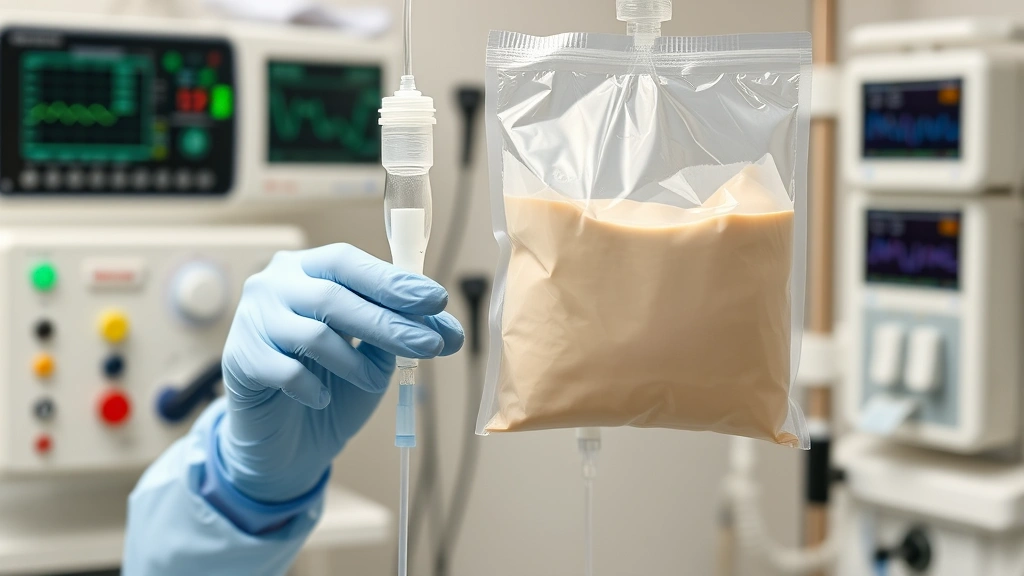
Enteral vs Parenteral Nutrition: Which is Better? Expert Opinion
The choice between enteral and parenteral nutrition represents one of the most critical clinical decisions in medical nutrition therapy. When patients cannot consume food orally, healthcare providers must determine the optimal delivery method for essential nutrients. Both approaches have distinct advantages and limitations that depend heavily on individual patient circumstances, underlying conditions, and clinical goals. Understanding the nuances between these two nutritional support methods enables better patient outcomes and more efficient resource allocation in clinical settings.
Medical professionals have debated the superiority of enteral versus parenteral nutrition for decades, yet the evidence increasingly favors enteral nutrition when the gastrointestinal tract remains functional. This preference stems from physiological principles, safety profiles, cost-effectiveness, and long-term health outcomes. However, parenteral nutrition remains an indispensable option for specific patient populations where enteral access or tolerance is impossible. This comprehensive analysis examines both methods through an evidence-based lens, drawing on clinical expertise and current research to guide informed decision-making.

Understanding Enteral Nutrition
Enteral nutrition involves delivering nutrients directly into the gastrointestinal tract, bypassing the normal oral consumption process while maintaining the natural digestive pathway. This method encompasses multiple delivery routes including nasogastric tubes, nasojejunal tubes, percutaneous endoscopic gastrostomy (PEG), and other surgical placement options. The fundamental principle behind enteral nutrition relies on the body’s inherent ability to digest and absorb nutrients through its existing mechanisms, making it a physiologically aligned approach to nutritional support.
The formulations used in enteral nutrition vary widely based on patient needs and clinical situations. Standard polymeric formulas contain intact proteins, complex carbohydrates, and long-chain triglycerides suitable for patients with normal digestive capacity. Specialized formulas address specific conditions including renal disease, hepatic dysfunction, pulmonary compromise, and immunosuppression. Some patients benefit from improved nutrient absorption strategies through elemental or semi-elemental formulas containing partially hydrolyzed proteins and simpler carbohydrate structures.
Enteral nutrition maintains the structural and functional integrity of the intestinal mucosa through continuous stimulation and nutrient provision. The gut barrier function remains robust when nutrients traverse the digestive tract naturally, preserving the microbiome and supporting local immune responses. This physiological advantage distinguishes enteral nutrition from alternative methods and contributes to superior long-term outcomes in many patient populations.

Understanding Parenteral Nutrition
Parenteral nutrition delivers a complete nutritional formulation intravenously, completely bypassing the gastrointestinal tract. This method provides total parenteral nutrition (TPN) or peripheral parenteral nutrition (PPN) depending on the access site and osmolarity of the solution. Parenteral nutrition represents a remarkable medical achievement, enabling survival for patients with non-functional gastrointestinal systems or severe malabsorption conditions that would otherwise prove fatal.
The composition of parenteral nutrition solutions requires precise pharmaceutical formulation to meet individual patient requirements. These solutions contain amino acids, dextrose, lipid emulsions, electrolytes, vitamins, and trace elements in balanced proportions. Compounding occurs in sterile environments under strict quality control measures to ensure safety and efficacy. Each formulation undergoes customization based on laboratory values, clinical status, and nutritional goals, making parenteral nutrition a highly individualized therapeutic intervention.
Central venous catheters provide the preferred access route for long-term parenteral nutrition, allowing administration of hyperosmolar solutions that peripheral veins cannot tolerate. Implanted ports and tunneled catheters reduce infection risk compared to peripheral access while enabling reliable long-term vascular access for patients requiring extended nutritional support beyond several weeks.
Key Physiological Differences
The fundamental physiological distinction between enteral and parenteral nutrition centers on the digestive tract’s role in nutrient processing. When nutrients enter the gastrointestinal tract through enteral routes, the body maintains normal digestive physiology including enzyme secretion, bile production, and intestinal motility. This preserves the “first-pass” metabolism where the liver receives nutrients from portal blood, supporting hepatic function and metabolic homeostasis.
Parenteral nutrition circumvents normal digestive processes entirely, delivering nutrients directly into systemic circulation. This bypass eliminates the liver’s first-pass processing of absorbed nutrients, altering nutrient metabolism patterns. Additionally, parenteral nutrition provides no mechanical or chemical stimulus to the intestinal mucosa, which can lead to mucosal atrophy and reduced barrier function over prolonged periods. The gut-associated lymphoid tissue (GALT) receives minimal stimulation when enteral feeding ceases, potentially compromising immunological defenses.
Research demonstrates that nutritional status profoundly affects systemic health, including neurological function and cognitive performance. The method of nutrient delivery influences bioavailability and metabolic utilization differently. Enteral nutrition promotes more physiological nutrient absorption patterns, while parenteral nutrition creates distinct metabolic conditions requiring careful monitoring and adjustment.
Intestinal bacterial populations respond dramatically to feeding route changes. Enteral nutrition sustains diverse microbiota populations that produce beneficial metabolites including short-chain fatty acids. Parenteral nutrition without concurrent minimal enteral nutrition allows microbiota populations to decline significantly, potentially reducing protective immune mechanisms and increasing translocation risk.
Clinical Indications and Applications
Enteral nutrition serves as the preferred nutritional support method for most patients capable of tolerating gastrointestinal feeding. Appropriate candidates include stroke patients, mechanically ventilated patients with intact swallowing potential, head and neck cancer patients undergoing treatment, and individuals recovering from abdominal surgery. Post-operative patients particularly benefit from early enteral nutrition, which reduces infection rates and improves wound healing compared to parenteral approaches.
Parenteral nutrition becomes necessary when the gastrointestinal tract cannot be used safely or effectively. Short-bowel syndrome, severe inflammatory bowel disease unresponsive to medical therapy, complete bowel obstruction, and severe pancreatitis represent classic indications requiring parenteral support. Patients with multiple organ failure often cannot tolerate enteral nutrition due to splanchnic hypoperfusion and gastrointestinal dysmotility, making parenteral nutrition the safer alternative during acute phases.
Cancer patients undergoing chemotherapy frequently experience gastrointestinal toxicity limiting enteral tolerance. However, many benefit from aggressive enteral nutrition attempts using specialized formulas designed to manage treatment-related side effects. Only patients with severe mucositis, persistent nausea, or gastrointestinal tract involvement warrant parenteral nutrition consideration.
A comprehensive nutrition plan should incorporate enteral nutrition whenever feasible, reserving parenteral nutrition for situations where gastrointestinal dysfunction or inaccessibility proves absolute. Some critically ill patients benefit from combined enteral and parenteral nutrition during transition phases, though this approach requires careful monitoring to prevent overfeeding.
Complications and Safety Considerations
Enteral nutrition complications generally prove less severe than parenteral complications, though both methods carry specific risks requiring vigilant monitoring. Tube-related complications include malposition, clogging, aspiration, and mechanical erosion of mucous membranes. Metabolic complications from enteral nutrition remain rare when formulas are appropriately selected and advanced gradually. Feeding intolerance manifesting as diarrhea, abdominal distension, or vomiting occurs in 10-15% of enterally fed patients but typically responds to formula modification or delivery rate adjustment.
Parenteral nutrition carries substantially higher infection risk due to central line placement and the sterile compounded solution’s susceptibility to contamination. Catheter-related bloodstream infections (CRBSIs) represent serious complications requiring prompt recognition and treatment. Line sepsis can progress rapidly, necessitating catheter removal and systemic antibiotics. Meticulous aseptic technique during line insertion and maintenance reduces but cannot eliminate this risk.
Metabolic complications from parenteral nutrition include refeeding syndrome when initiating nutrition in severely malnourished patients, hyperglycemia requiring insulin adjustment, and hepatic dysfunction from prolonged parenteral nutrition exposure. Essential fatty acid deficiency can develop if lipid emulsions are inadequately provided. Cholestasis and parenteral nutrition-associated liver disease (PNALD) represent serious long-term complications particularly affecting pediatric patients requiring extended parenteral support.
The importance of dietary components extends to preventing complications through appropriate formula selection. Enteral formulas containing fiber promote colonic health and reduce diarrhea incidence, while parenteral nutrition lacks fiber entirely due to intravenous administration constraints.
Cost-Effectiveness Analysis
Economic considerations significantly influence nutritional support decisions in healthcare systems worldwide. Enteral nutrition demonstrates substantially lower costs compared to parenteral nutrition across all parameters. Standard enteral formulas cost approximately $2-5 per day, while parenteral nutrition solutions exceed $50-150 daily when accounting for compounding, sterile preparation, and administration equipment. Over extended support periods, these cost differences become substantial and economically meaningful.
Beyond direct formula costs, parenteral nutrition requires expensive central venous access devices, specialized infusion pumps, and more frequent laboratory monitoring. Line-related complications necessitate additional interventions including imaging studies, antibiotics, and potential hospitalization for sepsis management. Enteral nutrition tube placement, while requiring initial procedural costs for percutaneous endoscopic placement, proves more economical long-term with minimal maintenance expenses.
Healthcare systems implementing protocols prioritizing enteral nutrition achieve significant cost savings without compromising patient outcomes. Evidence supports that early enteral nutrition reduces overall complications and length of stay, generating net cost reductions despite potential higher initial intervention costs. Hospital-acquired infection prevention through reduced parenteral nutrition use substantially reduces antibiotic expenses and intensive care resource utilization.
Patient Outcomes and Quality of Life
Clinical outcome studies consistently demonstrate superior results with enteral nutrition compared to parenteral nutrition across multiple outcome measures. Infection rates remain substantially lower in enterally fed patients, with studies showing 30-50% reductions in nosocomial infections. Mortality rates improve with enteral nutrition in critically ill populations, particularly septic patients where gut-derived bacterial translocation contributes significantly to mortality.
Gastrointestinal function preservation through enteral nutrition maintains normal digestive physiology and metabolic patterns more closely than parenteral alternatives. Patients receiving enteral nutrition demonstrate better tolerance of subsequent oral intake when swallowing function returns, facilitating smoother transitions to regular diet. Parenteral nutrition-dependent patients sometimes experience prolonged gastrointestinal dysfunction requiring extended rehabilitation before achieving adequate oral intake.
Quality of life considerations favor enteral nutrition for ambulatory and long-term care patients. Enteral tube feeding allows greater mobility and social interaction compared to parenteral nutrition requiring daily infusions through central lines. Patients on home parenteral nutrition face substantial lifestyle restrictions including infection precautions, daily treatment time commitment, and psychological burden from visible catheter-related reminders of their condition.
Psychological factors significantly influence nutritional support tolerance and overall well-being. Patients perceive enteral nutrition as more “natural” despite artificial tube placement, while parenteral nutrition’s intravenous nature sometimes generates anxiety regarding infection risk and long-term complications. Understanding nutritional components and their roles in health supports patient education and engagement with their nutritional support regimen.
Expert Recommendations
Contemporary clinical guidelines from major medical organizations including the American Society for Parenteral and Enteral Nutrition (ASPEN) and the Academy of Nutrition and Dietetics consistently recommend enteral nutrition as first-line nutritional support for all patients with functional gastrointestinal tracts. This recommendation reflects decades of clinical evidence demonstrating superior safety profiles, improved outcomes, and better physiological alignment compared to parenteral alternatives.
Expert consensus emphasizes aggressive enteral nutrition promotion even in critically ill patients previously considered contraindicated for feeding. Post-pyloric feeding via nasojejunal tubes enables safe nutrition delivery in patients with gastric intolerance, while parenteral nutrition is reserved for absolute contraindications. Early enteral nutrition initiation within 24-48 hours of critical illness onset provides maximal benefit for infection prevention and immune function preservation.
For patients requiring extended nutritional support beyond several weeks, percutaneous endoscopic gastrostomy or jejunostomy placement offers superior long-term tolerance compared to nasogastric tubes. These surgically placed tubes reduce aspiration risk, improve patient comfort, and enable more reliable nutrient delivery. Only when gastrointestinal tract dysfunction proves absolute should parenteral nutrition transition from temporary bridge therapy to definitive nutritional support.
Specialized populations require individualized assessment balancing enteral and parenteral nutrition considerations. Home parenteral nutrition remains appropriate for short-bowel syndrome patients, those with irreversible gastrointestinal failure, and select cancer patients with complete bowel obstruction. However, even these populations benefit from maximizing any residual enteral capacity through supplemental feeding when possible.
The Nutrients Pathway Blog provides ongoing evidence-based nutrition information for healthcare professionals and informed patients. Regular consultation of current literature and guideline updates ensures clinical practice remains aligned with evolving evidence supporting optimal nutritional support strategies.
FAQ
When should parenteral nutrition replace enteral nutrition?
Parenteral nutrition becomes necessary when gastrointestinal dysfunction proves absolute, including complete bowel obstruction, severe pancreatitis with non-functional bowel, short-bowel syndrome with insufficient absorptive capacity, or severe inflammatory bowel disease unresponsive to medical management. Additionally, parenteral nutrition may be required during acute phases of critical illness when splanchnic hypoperfusion or gastrointestinal dysmotility prevents enteral tolerance, though enteral nutrition should resume as soon as clinically feasible.
Can patients transition from parenteral to enteral nutrition?
Yes, many patients successfully transition from parenteral to enteral nutrition as gastrointestinal function recovers. This transition should occur gradually, beginning with minimal enteral nutrition while maintaining parenteral support, then progressively increasing enteral delivery while reducing parenteral volume. Careful monitoring for feeding intolerance and appropriate formula selection facilitate successful transitions and restore normal gastrointestinal physiology.
What complications are most common with each method?
Enteral nutrition complications include tube malposition, aspiration, and feeding intolerance manifesting as diarrhea or abdominal distension. Parenteral nutrition complications include catheter-related bloodstream infections, metabolic complications including refeeding syndrome and hyperglycemia, and long-term complications including hepatic dysfunction and essential fatty acid deficiency. Infection risk substantially exceeds that of enteral nutrition.
How long can patients safely receive parenteral nutrition?
Parenteral nutrition can sustain patients indefinitely when necessary, though complications increase with duration. Long-term parenteral nutrition patients require regular monitoring for metabolic derangements, line complications, and organ dysfunction. Many patients on home parenteral nutrition maintain reasonable quality of life for years or decades, though morbidity and mortality remain higher than comparable patients receiving enteral nutrition.
Is enteral nutrition always better than parenteral nutrition?
Enteral nutrition demonstrates superior outcomes in most clinical situations where gastrointestinal function permits its use. However, parenteral nutrition remains indispensable for patients with non-functional gastrointestinal tracts or severe malabsorption. The optimal approach prioritizes enteral nutrition whenever feasible while recognizing parenteral nutrition’s essential role for specific patient populations where gastrointestinal feeding proves impossible or unsafe.


