Is Flank Steak Nutritious? Dietitian Insight
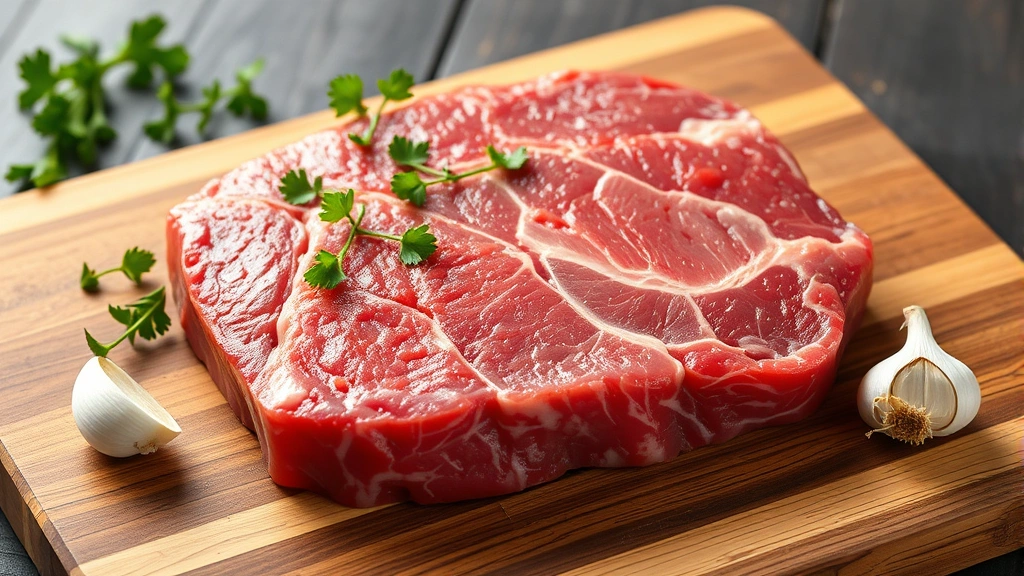
Flank steak has emerged as a popular protein choice for health-conscious consumers and fitness enthusiasts alike. This lean cut of beef offers a compelling nutritional profile that makes it worthy of serious consideration in a healthy nutrition plan. Unlike fattier cuts that many avoid for dietary reasons, flank steak delivers substantial protein with relatively modest fat content, making it an accessible option for those balancing muscle development with cardiovascular health.
The nutritional composition of flank steak extends beyond simple protein-to-fat ratios. This cut contains essential micronutrients including iron, zinc, B vitamins, and selenium that support metabolic function, immune health, and oxygen transport throughout the body. Understanding the complete nutritional picture helps consumers make informed decisions about incorporating this beef cut into their regular meal planning, whether for general wellness or specific performance goals.
Nutritional Breakdown of Flank Steak
A 3-ounce serving of cooked flank steak (approximately 85 grams) contains roughly 158 calories, making it a relatively calorie-efficient protein source. This modest caloric density compared to other beef cuts reflects the meat’s lean characteristics. The macronutrient distribution reveals approximately 24 grams of protein per serving, providing substantial amino acid content that supports muscle repair and synthesis.
Fat content in flank steak measures approximately 6-7 grams per 3-ounce serving, with saturated fat comprising roughly 2.5-3 grams. This fat profile is considerably lower than ribeye or prime rib cuts, which contain nearly triple the saturated fat. The presence of monounsaturated and polyunsaturated fats alongside saturated fat creates a more favorable lipid composition for cardiovascular health. Carbohydrate content is negligible, as is typical for all meat products, making flank steak compatible with various dietary approaches including ketogenic and paleo frameworks.
According to USDA nutritional data, the nutritional density of flank steak improves when comparing it to processed protein sources. The bioavailability of amino acids from beef exceeds that of many plant-based proteins, meaning your body can efficiently utilize the protein present. This efficiency makes flank steak particularly valuable for individuals seeking to maximize nutritional benefit per calorie consumed.
Protein Content and Muscle Development
The protein concentration in flank steak makes it exceptionally valuable for anyone engaged in resistance training or seeking to maintain muscle mass. At approximately 24 grams of complete protein per 3-ounce serving, flank steak provides all nine essential amino acids in proportions that support muscle protein synthesis. This completeness distinguishes animal proteins from most plant sources, which typically lack one or more essential amino acids in significant quantities.
For individuals focused on nutrition for athletes optimizing performance through diet, flank steak’s leucine content deserves particular attention. Leucine functions as a trigger for muscle protein synthesis pathways, and beef contains approximately 1.8 grams per 3-ounce serving. Research from the National Institutes of Health indicates that leucine-rich proteins enhance post-exercise recovery when consumed in appropriate quantities.
The protein efficiency ratio of beef places it among the most effective foods for supporting lean body mass development. Athletes and fitness enthusiasts frequently incorporate flank steak into pre- and post-workout nutrition plans to capitalize on its amino acid composition. The extended satiety provided by protein-rich flank steak also supports weight management goals by reducing overall caloric intake through increased fullness signals.
Micronutrients and Health Benefits
Beyond macronutrients, flank steak delivers an impressive array of micronutrients that support diverse physiological functions. Iron content in beef exceeds that of many plant-based sources, with flank steak providing approximately 1.8 milligrams per 3-ounce serving. This heme iron form demonstrates superior bioavailability compared to non-heme iron from plant sources, supporting oxygen transport and energy metabolism.
Zinc concentration in flank steak reaches approximately 5-6 milligrams per 3-ounce serving, contributing significantly toward daily requirements. Zinc supports immune function, wound healing, and protein synthesis—making it particularly important for individuals recovering from illness or intense training. The zinc-to-copper ratio in beef also promotes optimal immune response and antioxidant enzyme function.
B vitamin content in flank steak encompasses several critical nutrients. Vitamin B12 concentration reaches approximately 1.5 micrograms per serving, fulfilling roughly 60% of daily requirements. B12 supports neurological health, red blood cell formation, and DNA synthesis. Niacin (B3) and riboflavin (B2) concentrations support energy metabolism, while B6 facilitates amino acid metabolism and neurotransmitter synthesis. These B vitamins work synergistically with the protein content to maximize nutritional utilization.
Selenium presence in flank steak contributes approximately 22 micrograms per 3-ounce serving, supporting thyroid function and antioxidant enzyme activity. This mineral protects cells from oxidative damage and supports immune function. The combination of selenium with iron and zinc creates a micronutrient profile particularly beneficial for immune health and metabolic function.
Fat Profile and Heart Health
The fat composition of flank steak warrants careful examination, as it directly impacts cardiovascular health considerations. While containing saturated fat, the ratio of saturated to unsaturated fat in flank steak remains more favorable than many alternative protein sources. Approximately 40% of total fat in flank steak comprises monounsaturated fat, which research suggests may support healthy cholesterol levels when part of a balanced diet.
Conjugated linoleic acid (CLA) represents a unique fatty acid present in grass-fed and pasture-raised beef with potentially beneficial health properties. Studies suggest CLA may support body composition and metabolic health, though research remains ongoing. The presence of CLA in beef distinguishes it from plant-based and processed protein alternatives, offering potential additional health benefits beyond basic nutritional composition.
The cholesterol content in flank steak measures approximately 60 milligrams per 3-ounce serving. While this represents a meaningful amount, dietary cholesterol impact on blood cholesterol levels proves less significant than previously believed. American Heart Association guidance indicates that saturated fat intake carries greater significance for cardiovascular health than dietary cholesterol alone. The lean nature of flank steak makes it more compatible with heart-healthy dietary patterns than fattier beef cuts.
Individuals concerned about fat intake can further optimize flank steak’s nutritional profile through cooking methods that minimize added fats. Grilling, broiling, and pan-searing with minimal oil preserve the meat’s nutritional benefits while avoiding additional saturated fat from cooking fats. This preparation flexibility makes flank steak accessible for diverse dietary approaches and health goals.

Comparison with Other Beef Cuts
Flank steak occupies a distinct position within the beef nutritional hierarchy. Compared to premium cuts like ribeye and prime rib, flank steak contains approximately 50% less total fat and saturated fat while maintaining comparable protein content. A 3-ounce ribeye serving contains roughly 12-14 grams of fat versus 6-7 grams in flank steak, representing a substantial nutritional difference for health-conscious consumers.
When compared to leaner cuts like sirloin and round steak, flank steak holds its own nutritionally while offering superior flavor characteristics due to its moderate fat content. Ground beef comparisons prove interesting, as 90/10 ground beef (90% lean) contains similar fat content to flank steak but provides less satisfying culinary experiences for many consumers. The intact muscle structure of flank steak also provides superior satiety compared to ground preparations.
Relative to poultry options, flank steak delivers higher iron and zinc concentrations than chicken breast, though poultry contains less saturated fat. For individuals following a nutrition and mental health approach, beef’s superior micronutrient density supports cognitive function and mood regulation through enhanced neurotransmitter synthesis. The choice between flank steak and poultry ultimately depends on individual health goals and dietary preferences rather than absolute nutritional superiority.
Preparation Methods That Maximize Nutrition
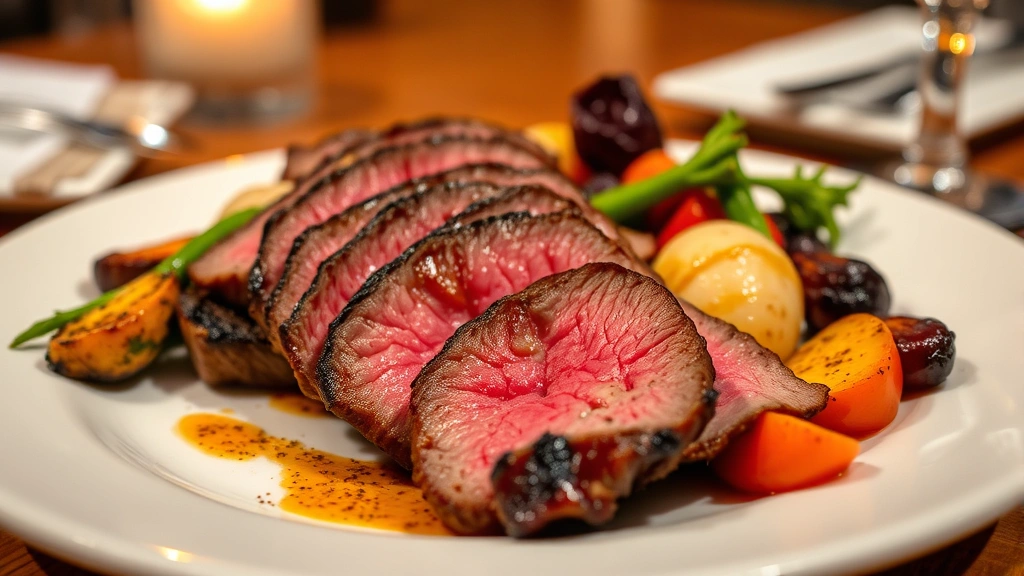
Cooking methodology significantly impacts flank steak’s final nutritional value. Dry-heat cooking methods including grilling, broiling, and roasting preserve nutrient density while avoiding additional dietary fat. These methods allow excess fat to drain away from the meat during cooking, further reducing total fat intake without diminishing protein content or micronutrient concentration.
Marinating flank steak in acidic preparations containing vinegar, citrus juice, or wine offers dual benefits. The acidic environment breaks down muscle fibers, improving tenderness and making the meat more palatable at lower cooking temperatures. Marinating also enables incorporation of additional micronutrients from herbs and spices, with compounds like curcumin from turmeric and antioxidants from rosemary and oregano complementing beef’s nutritional profile.
Avoiding excessive charring during cooking preserves amino acid integrity while preventing formation of potentially harmful compounds. Moderate heat and appropriate cooking times ensure protein denaturation for digestibility without creating excessive browning that may introduce unwanted compounds. Sous vide cooking at precisely controlled temperatures offers an excellent option for maximizing nutrient retention while achieving desired texture.
Pairing flank steak with nutrient-dense sides amplifies overall meal nutrition. Combining beef with nutrition facts about avocados provides complementary monounsaturated fat and potassium. Adding vegetables rich in the importance of dietary fiber for your health creates balanced meals supporting digestive health and sustained energy release.
Incorporating Flank Steak Into Your Diet
Portion sizing represents a crucial consideration when incorporating flank steak into regular dietary patterns. The recommended serving size of 3 ounces aligns with standard protein portion guidelines while providing substantial nutritional benefit. For individuals engaged in intensive training, slightly larger portions of 4-5 ounces align with elevated protein requirements without excessive caloric intake.
Frequency of consumption depends on individual dietary goals and overall nutritional patterns. For most adults following general health guidelines, consuming flank steak 2-3 times weekly provides nutritional benefits without creating monotony or excess saturated fat intake. Athletes and individuals with specific performance goals may incorporate flank steak more frequently while maintaining balanced dietary patterns through varied protein sources.
Budget-conscious consumers appreciate flank steak’s value proposition within the beef category. This cut typically costs substantially less than premium steaks while delivering comparable or superior nutrition relative to price. The affordability of flank steak makes it accessible for individuals seeking to improve nutritional quality without significant budget increases.
Meal planning incorporating flank steak benefits from variety in preparation methods and flavor profiles. Marinated grilled flank steak tacos, stir-fried strips with vegetables, and sliced portions in grain bowls provide diverse culinary experiences while maintaining nutritional benefits. This variety prevents dietary monotony while ensuring consistent micronutrient intake.
FAQ
Is flank steak healthier than chicken breast?
Flank steak and chicken breast offer different nutritional advantages. Chicken breast contains less total fat and saturated fat, while flank steak provides superior iron and zinc concentrations. For micronutrient density, flank steak edges ahead, while chicken breast wins on fat considerations. The optimal choice depends on individual health priorities and dietary variety.
How much protein does flank steak contain?
A 3-ounce cooked serving of flank steak contains approximately 24 grams of complete protein, including all nine essential amino acids in proportions supporting muscle protein synthesis. This protein concentration makes flank steak an excellent option for muscle development and maintenance.
Can flank steak fit into a heart-healthy diet?
Yes, flank steak’s lean profile makes it compatible with heart-healthy dietary patterns. The relatively low saturated fat content and favorable unsaturated fat ratio support cardiovascular health when consumed in appropriate portions as part of a balanced diet rich in vegetables, whole grains, and healthy fats.
What cooking methods preserve flank steak’s nutrition?
Dry-heat methods including grilling, broiling, and roasting preserve nutrient density while allowing excess fat to drain. These methods maintain protein integrity and micronutrient concentration without introducing additional dietary fat, optimizing flank steak’s health benefits.
How does flank steak compare nutritionally to ground beef?
90/10 ground beef contains similar fat content to flank steak but may contain additives and processing byproducts. Flank steak’s intact muscle structure provides superior satiety and typically contains no additives, making it nutritionally preferable for many consumers despite similar macronutrient composition.
Is flank steak appropriate for weight management?
Absolutely. Flank steak’s high protein content and moderate caloric density promote satiety, reducing overall caloric intake through increased fullness signals. The nutrient density supports metabolic health while the lean profile maintains compatibility with caloric restriction goals.