Table of Contents
Introduction
Here’s something that might surprise you: there’s a vitamin working behind the scenes in your body right now, quietly supporting cell growth, fixing DNA damage, and keeping you healthy. Meet folate—a water-soluble B-vitamin that’s basically your body’s unsung hero. But here’s the thing: most people have no clue which foods actually contain this nutritional powerhouse or why they should even care about it.
Whether you’re pregnant, planning to be, or just want to feel your absolute best, getting enough folate isn’t optional—it’s essential. Think of it as your body’s repair crew, constantly working to prevent birth defects, keep your heart healthy, and make sure your cells function properly. Yet somehow, when people plan their meals, folate gets forgotten. That’s where a solid healthy nutrition plan comes in—one that prioritizes whole, nutrient-packed foods that actually fuel your body instead of just filling it up. And here’s something fascinating: the connection between what you eat and how you feel mentally is stronger than you might think. The relationship between nutrition and mental health shows us how the right foods can naturally boost your mood and brain function.
Now, if you’re into fitness (or just want to stay strong as you age), folate has your back there too. It helps maintain healthy muscle tissue and speeds up recovery after workouts. Athletes get this—they know that proper nutrition, including adequate folate, plays a huge role in maintaining muscle mass and bouncing back faster. But you don’t have to be training for a marathon to benefit. Pair your folate-rich meals with something soothing like herbal tea, and you’ve got a winning combination. The benefits of drinking herbal tea include better stress management and improved digestion—both perfect complements to a nutrient-rich diet.
Want to know what’s really smart? Using folate as part of your weight management strategy. Instead of crash diets that leave you feeling awful, focus on healthy meal plans for weight loss that emphasize nutrient-dense ingredients—folate-rich foods included. This approach isn’t about counting every calorie; it’s about feeding your body what it actually needs to thrive. When you do that, everything else (including maintaining a healthy weight) becomes so much easier.
What You’ll Learn in This Guide
This guide breaks down everything you need to know about folate, from why your body craves it to which foods deliver the most bang for your buck. We’ll also share real meal ideas that make boosting your folate intake feel effortless. Here’s what we’re covering:
- The Role of Folate in Health: Why your body depends on folate for DNA synthesis, healthy pregnancies, and heart function. Plus, how it impacts your cells and overall wellness in ways you probably never realized.
- Top Folate-Rich Foods: The best natural sources like leafy greens, legumes, and fortified grains—plus insider tips on how to cook them without destroying all that good folate.
- Incorporating Folate into Your Diet: Real-world meal planning advice, cooking methods that keep folate intact, and snack ideas that actually fit into your busy life.
- Recognizing Folate Deficiency and Risks: Warning signs to watch for and health risks you’ll want to avoid. We’ll help you know when it’s time to take action.
By the time you finish reading, you’ll have the knowledge and confidence to make folate a natural part of your daily routine. No complicated supplements needed—just smart food choices that support your health goals.
The science behind folate is pretty amazing when you understand what’s really happening in your body. This isn’t just another vitamin to add to your mental checklist. Folate works at the cellular level, essentially keeping your body’s most basic functions running smoothly. When you apply what you learn here, you’re not just improving your nutrition—you’re setting yourself up for better energy, stronger immunity, and long-term wellness. Ready to discover how the right foods can transform how you feel? Let’s dive in.

Let’s dig deeper into folate—one of those B-vitamins that doesn’t get nearly enough attention but absolutely deserves the spotlight. You’ll find this nutrient naturally tucked into plenty of foods, quietly supporting everything from cellular growth to heart health. Why should you care? Well, if you’re looking to optimize your wellness (especially if you’re pregnant or planning to be), getting enough folate isn’t just important—it’s crucial. We’re going to explore what makes folate so special and share some practical ways to pack more of it into your everyday meals.
Health Benefits and Essential Functions of Folate
Here’s the thing about folate (also called vitamin B9)—it’s basically your body’s behind-the-scenes superstar. Think of it as the construction manager for your DNA, making sure everything gets built and repaired properly. This becomes especially critical during pregnancy and those rapid-growth phases of life. And here’s something that might surprise you: adequate folate intake can prevent neural tube defects in developing babies, which is exactly why doctors are so adamant about women getting enough before and during pregnancy. But folate’s talents don’t stop there—it also works to keep your heart healthy by potentially lowering homocysteine levels, reducing your cardiovascular risks. Want to understand how all these nutrients work together? Check out this deep dive into the importance of dietary nutrients for health.
Now, folate’s influence goes way beyond prenatal care. It’s busy making red blood cells and preventing that tired, run-down feeling that comes with folate-deficiency anemia. Plus, it supports your immune system, keeps your mind sharp, and maintains overall cellular health. On the flip side? Low folate levels can leave you feeling exhausted, weak, and more susceptible to health issues. The good news is that recognizing these benefits makes it easier to make smart food choices that include plenty of natural folate sources. Speaking of mental clarity, you might find this resource on nutrition and mental health particularly enlightening.
Key Aspects of Folate’s Health Impact
Ready for the highlights reel? Here’s what folate does that makes it such a nutritional powerhouse:
- Supports DNA Synthesis and Cell Growth: Folate is your body’s go-to nutrient for producing and repairing DNA, ensuring healthy cell replication that’s absolutely essential during pregnancy, childhood, and whenever your body needs to heal.
- Prevents Neural Tube Defects: This vitamin plays a starring role in fetal development, preventing serious birth defects by supporting proper neural tube closure in those critical early weeks of pregnancy.
- Promotes Cardiovascular Health: By helping your body process homocysteine, folate may reduce your risk of heart disease and stroke—basically giving your vascular system some extra support.
- Reduces Risk of Megaloblastic Anemia: When you’re low on folate, your red blood cells can become abnormally large and ineffective, leading to that bone-deep fatigue and weakness nobody wants to deal with.
Now that you know what folate can do for you, let’s talk about the fun part—actually getting it into your diet through delicious, real food.
Incorporating Folate-Rich Foods into Your Diet
Here’s where things get practical (and tasty). Loading up on folate-rich foods is honestly one of the best moves you can make for your health. We’re talking leafy greens, legumes, and other nutrient-packed foods that deliver folate alongside a whole host of other vitamins, minerals, and fiber. When you’re planning meals, focusing on these nutrient-dense options doesn’t just boost your folate intake—it elevates your entire nutritional game. Need some guidance on putting together a solid eating plan? Our guide to healthy nutrition plans has you covered.
But here’s a pro tip: how you prepare these foods matters. Folate can be a bit fragile, so gentle steaming or eating your folate-rich veggies raw (think fresh salads or green smoothies) helps you get the most bang for your nutritional buck. Don’t forget about fortified cereals and nuts either—they’re convenient ways to sneak in extra folate. The key is variety and consistency, making sure you’re enjoying these foods regularly rather than just occasionally.
Key Practical Ways to Boost Folate Intake
Want to actually increase your folate intake without feeling like you’re following some complicated nutrition protocol? Try these strategies:
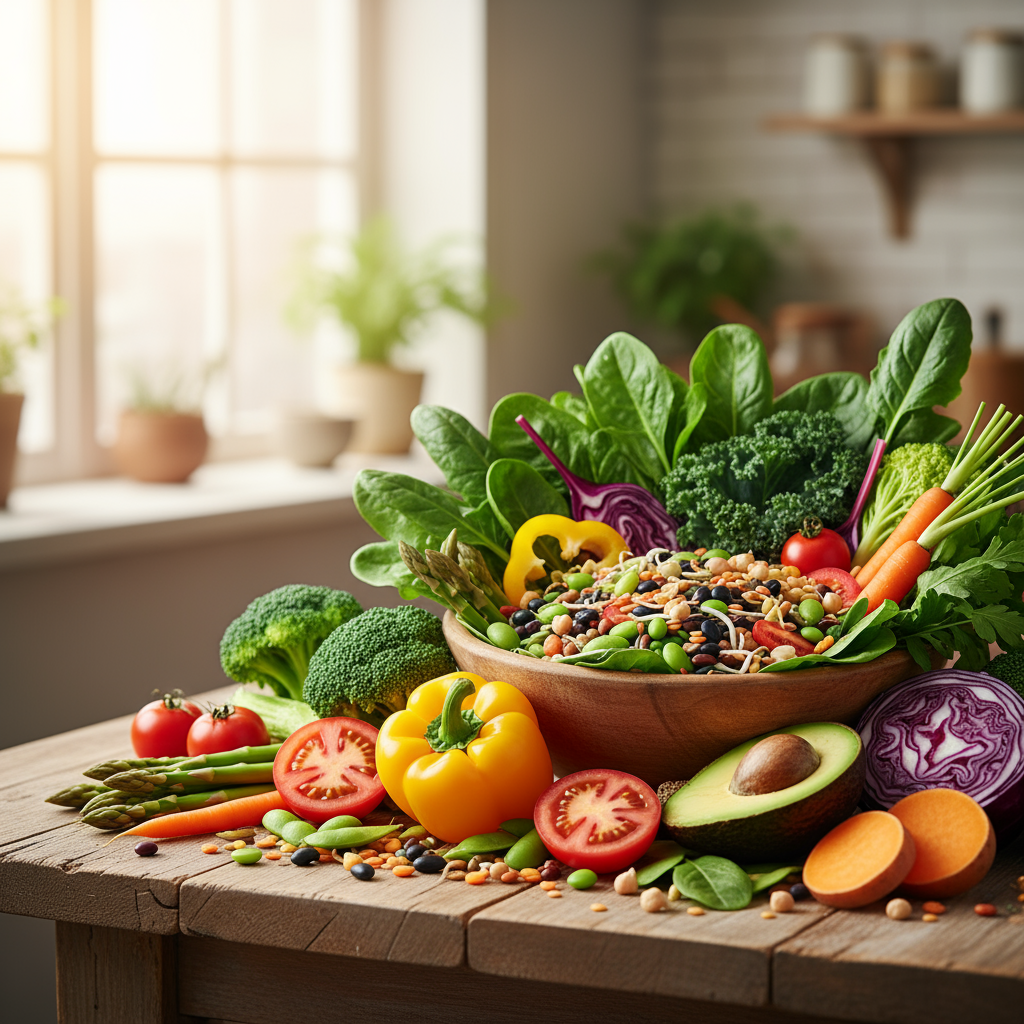
- Incorporate Leafy Greens Regularly: Spinach, kale, and romaine lettuce are folate goldmines. Toss them in salads, layer them on sandwiches, or blend them into smoothies—your taste buds (and your body) will thank you.
- Include Legumes and Beans: Lentils, chickpeas, and black beans aren’t just protein powerhouses—they’re also fantastic folate sources. Add them to soups, stews, salads, or serve them as hearty sides.
- Add Other Rich Sources: Asparagus, broccoli, avocado, and fortified cereals bring even more folate to the table. These versatile ingredients make it easy to keep your meals interesting and nutrient-dense.
- Practice Folate-Friendly Cooking: Keep it simple—light steaming or raw preparations beat long cooking times when it comes to preserving folate. This small adjustment can make a big difference in how much nutrition you actually absorb.

Here’s something that might surprise you: folate isn’t just another vitamin you should probably be getting more of. This B-vitamin is actually working behind the scenes in some pretty amazing ways. Think of it as your body’s renovation crew—constantly building new cells, fixing DNA, and keeping everything running smoothly. And if you’re pregnant or thinking about it? Folate becomes your baby’s best friend, protecting against serious neural tube defects before you even know you’re expecting.
But wait, there’s more to this story. Your heart loves folate too. It helps keep homocysteine levels in check (that’s a compound that can cause trouble when it gets too high), and it’s busy preventing certain types of anemia that can leave you feeling completely wiped out. The best part? You don’t need expensive supplements or complicated routines. Your local grocery store is packed with folate-rich foods just waiting to boost your health.
Let’s talk about those food sources, because this is where things get interesting. You’ve probably heard about leafy greens like spinach and kale—and yes, they’re folate superstars. But here’s what many people don’t realize: beans and legumes are absolute powerhouses too. Lentils, chickpeas, black beans—they’re not just filling and delicious, they’re folate goldmines. Even your morning bowl of fortified cereal is doing more work than you might think.
Now, here’s where it gets a bit tricky (and this is important). How you prepare these foods actually matters. A lot. Folate is kind of sensitive—think of it like that friend who wilts under pressure. Too much heat, too much cooking time, and poof—there goes a good chunk of your folate content. Light steaming is your friend here, or better yet, try eating some of these foods raw when possible. That spinach salad isn’t just trendy; it’s actually maximizing your nutritional bang for your buck.
Want to know what folate deficiency looks like? It’s not pretty. We’re talking fatigue that doesn’t go away with more sleep, weakness that makes simple tasks feel overwhelming, and a compromised immune system that leaves you catching every bug that goes around. The thing is, these symptoms can sneak up on you gradually, making it easy to dismiss them as just being “stressed” or “busy.” Don’t ignore these warning signs—your body is trying to tell you something important.
The beauty of focusing on folate is how it works with everything else in your diet. It’s not a lone wolf nutrient trying to save the day single-handedly. Instead, it teams up with other vitamins and minerals to optimize how your body repairs itself, metabolizes food, and maintains energy levels. When you get this right, you’re not just preventing deficiency—you’re setting yourself up for genuine vitality.
So where do you start? Right in your kitchen, actually. Asparagus (those elegant green spears), creamy avocados, fortified grains—the options are more varied than you might expect. The key is consistency, not perfection. You don’t need to overhaul your entire diet overnight. Start by adding one or two folate-rich foods to meals you’re already making. Toss some spinach into your morning smoothie. Add chickpeas to your lunch salad. Snack on an avocado instead of chips. Small changes, big impact.
Ready to put this knowledge to work? Here’s where things get practical. Consider developing a healthy nutrition plan that makes folate-rich foods a natural part of your routine rather than an afterthought. Planning ahead transforms good intentions into sustainable habits, and sustainable habits are what create lasting health changes.
There’s something else worth exploring—the connection between what you eat and how you feel mentally. If you’ve ever wondered whether your diet affects your mood, energy, or mental clarity, diving into nutrition and mental health will open your eyes to how folate and other nutrients literally fuel your brain function. It’s fascinating stuff, and it might change how you think about that next meal.
For those of you who are active (or aspiring to be), folate becomes even more important. Your muscles need it for maintenance and repair, and your energy metabolism depends on it. Check out our guide on nutrition for athletes to see how folate fits into peak performance nutrition, whether you’re training for a marathon or just trying to keep up with your kids at the playground.
The bottom line? Getting adequate folate through whole foods isn’t just achievable—it’s actually pretty enjoyable once you know what you’re doing. You’re not just checking a nutritional box; you’re giving your body the tools it needs to thrive. And that investment you’re making today? It’s going to pay dividends for years to come. Your future self will thank you for the energy, the mental clarity, and the overall sense of vitality that comes with proper nutrition.
Looking for some practical inspiration to get started? Our collection of vegetarian meal prep ideas is packed with folate-friendly recipes that prove healthy eating doesn’t have to be complicated or boring. Because at the end of the day, the best nutrition plan is the one you’ll actually stick with—and that means it needs to be delicious, convenient, and realistic for your life.
Frequently Asked Questions
-
What is the difference between folate and folic acid?
- Folate is the natural form of vitamin B9 found in foods, while folic acid is the synthetic form commonly used in supplements and fortified foods.
-
How much folate do I need daily?
- Daily folate needs vary by age, sex, and life stage, with higher requirements during pregnancy. Generally, adults need about 400 micrograms (mcg) per day.
-
Can cooking destroy folate in foods?
- Yes, excessive heat and prolonged cooking can reduce folate levels. Light steaming or eating folate-rich foods raw helps preserve their nutrient content.
-
Are there any risks of too much folate?
- High intake from supplements may mask vitamin B12 deficiency; it’s important to consume folate within recommended limits and consult healthcare providers if needed.
-
Can folate deficiency cause anemia?
- Yes, folate deficiency can lead to megaloblastic anemia, characterized by fatigue and weakness due to impaired red blood cell production.