Freddy’s Nutrition: Dietitian’s Insight into Fast-Casual Dining Choices
Fast-casual restaurants have transformed the way Americans approach quick meals, and Freddy’s Frozen Custard & Steakburgers stands out as a unique player in this competitive landscape. While known for indulgent frozen custard and premium burgers, understanding the nutritional profile of Freddy’s menu items is essential for health-conscious diners. This comprehensive guide explores what a registered dietitian needs to know about Freddy’s nutrition, helping you make informed choices that align with your dietary goals.
The challenge with fast-casual dining lies in balancing convenience with nutritional awareness. Freddy’s offers both traditional indulgences and surprisingly nutritious options when you know what to order. Whether you’re managing specific dietary restrictions, tracking macronutrients, or simply trying to maintain a balanced diet, understanding the nutritional landscape of your favorite restaurant empowers better decision-making.
Understanding Freddy’s Menu Structure
Freddy’s Frozen Custard & Steakburgers operates with a dual-focus menu that combines premium beef burgers with fresh frozen custard. This combination creates unique nutritional challenges and opportunities. The restaurant emphasizes quality ingredients—their custard is made fresh daily, and their beef is never frozen—which appeals to consumers seeking premium fast-casual experiences. However, premium ingredients don’t automatically mean nutritionally optimized meals.
The menu structure includes several categories: burgers (single and double patties), specialty sandwiches, hot dogs, Wisconsin cheese curds, salads, and their signature frozen custard. Understanding where each item falls on the nutritional spectrum helps you navigate choices strategically. A key insight from nutrition research is that understanding your restaurant’s complete nutritional information provides the foundation for making consistent, healthy choices.
Freddy’s publishes detailed nutrition facts for their menu items, including calories, macronutrients, and allergen information. This transparency is valuable for dietitians and health-conscious consumers. The restaurant accommodates various dietary needs, offering modifications and ingredient substitutions that can significantly alter a meal’s nutritional profile.

Burger Nutrition Analysis
Burgers represent Freddy’s core offering and deserve detailed nutritional examination. A typical single burger contains between 450-550 calories, while double burgers range from 650-850 calories depending on toppings and preparation method. The beef patties themselves are high-quality, grass-fed options at select locations, which provides superior fatty acid profiles compared to conventional beef.
The nutritional breakdown reveals important details: a standard burger derives approximately 45-55% of calories from fat, 30-40% from carbohydrates (primarily from the bun), and 15-20% from protein. This macronutrient distribution aligns reasonably well with balanced meal recommendations, though individual burgers shouldn’t constitute entire meals without substantial additions.
Sodium content presents a significant consideration. A single burger typically contains 700-900mg of sodium, representing 30-40% of the recommended daily intake. When combined with fries, cheese curds, or other sides, sodium accumulation becomes problematic for individuals managing hypertension or following DASH diets. Creating a healthy nutrition plan requires understanding how individual restaurant items fit into daily totals.
Protein content varies by burger selection. Standard single burgers provide 20-25g of protein, while double patty options deliver 35-45g. For athletes and active individuals, Freddy’s burgers can serve as legitimate nutrition for athletes optimizing performance when paired with appropriate sides and hydration strategies.
Specialty burgers introduce additional considerations. Additions like bacon, fried onions, or special sauces increase calories by 100-200 and sodium by 200-400mg. Conversely, removing cheese and selecting lighter condiments reduces calories by 80-120 and sodium by 150-250mg per burger.
Custard and Dessert Considerations
Freddy’s frozen custard represents their signature offering, yet it presents the most significant nutritional challenges. Fresh frozen custard contains real eggs, cream, and milk, distinguishing it from soft-serve ice cream. A small custard serving (approximately 4 oz) contains 200-280 calories and 10-15g of fat, with sugar content ranging from 20-30g.
The ingredient quality matters nutritionally. Real custard provides beneficial compounds found in whole dairy products, including conjugated linoleic acid (CLA) and fat-soluble vitamins. However, these benefits don’t negate the caloric and sugar density. A medium custard can easily exceed 400 calories and 45g of sugar—nearly the daily recommended limit for added sugars according to the American Heart Association.
Flavor variations significantly impact nutrition. Chocolate-based custards contain additional sugar from cocoa products, while specialty flavors incorporating candy, cookies, or sauces add 50-100+ extra calories. Understanding these variations helps dietitians guide clients toward lower-impact choices.
The frozen custard’s role in daily nutrition depends entirely on context. For individuals maintaining active lifestyles with higher caloric needs, a small custard as an occasional treat fits reasonably within balanced eating. For sedentary individuals or those managing weight, custard represents discretionary calories requiring careful portion control.
Healthier Alternatives and Modifications
Strategic modifications transform Freddy’s menu into more nutritionally aligned options. The foundation involves understanding what drives nutritional concerns and addressing those specifically. Building meals strategically requires knowledge of available modifications and substitutions.
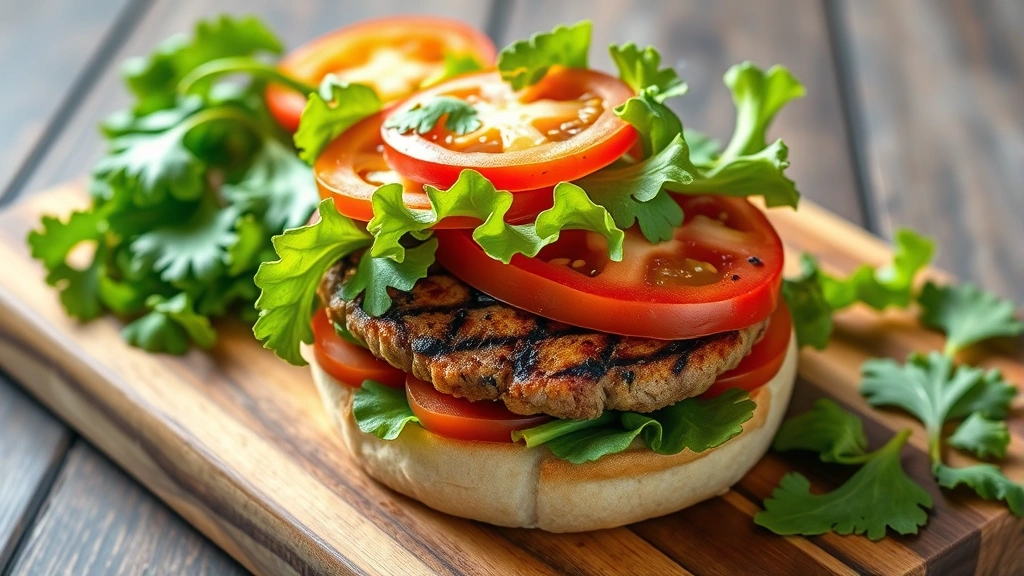
Burger Optimization: Request burgers without mayo-based sauces, substitute mustard or vinegar-based options, and increase vegetable toppings (lettuce, tomato, onion, pickles). These changes reduce calories by 100-150 and sodium by 150-300mg without sacrificing satisfaction. Choosing single patties over doubles cuts calories roughly in half while maintaining adequate protein.
Side Selection: This represents perhaps the most impactful modification opportunity. Standard fries contribute 300-400 calories and 400-600mg sodium. Requesting a side salad, fruit cup, or vegetable-based option (where available) reduces calories by 200-300 and sodium by 300-400mg. Some locations offer apple slices or other fresh alternatives worth requesting.
Custard Alternatives: When dessert is desired, requesting a small portion with light toppings maintains the experience while controlling calories. Alternatively, exploring whether sugar-free or reduced-sugar options exist (availability varies by location) provides alternatives. Some dietitians recommend splitting a medium custard with companions to satisfy cravings while managing portions.
Salad Options: Freddy’s salads provide vegetable-forward alternatives. Customizing dressing selection and requesting dressing on the side enables portion control. Grilled chicken additions increase protein while maintaining reasonable caloric totals.
The nutrition facts label generator concept applies here—understanding how modifications change nutritional profiles empowers intentional choices. Request complete ingredient lists and nutritional information for customized orders when uncertain.
Sodium and Hidden Ingredients
Sodium represents the most concerning micronutrient in Freddy’s menu. A single meal—burger, fries, and custard—can easily exceed 1,500mg sodium, representing nearly 65% of the 2,300mg daily recommendation. For individuals with hypertension, kidney disease, or other sodium-sensitive conditions, this concentration proves problematic.
Hidden sodium sources extend beyond obvious components. Burger buns, cheese, processed toppings, and sauces all contribute. Fries are typically salted during preparation, and custard contains sodium from milk solids and ingredients. Understanding these cumulative sources helps dietitians guide comprehensive sodium reduction strategies.
The importance extends beyond immediate health concerns. Nutrition and mental health connections reveal how diet impacts overall wellbeing, and chronic excessive sodium intake correlates with cardiovascular disease risk and associated psychological impacts.
For sodium-conscious diners, requesting items prepared without added salt, requesting condiments separately, and limiting frequency of Freddy’s visits to 1-2 times monthly helps maintain healthy sodium intake. Pairing restaurant meals with high-potassium foods (vegetables, fruits, low-fat dairy) provides some sodium balance.
Allergen information proves critical for many consumers. Freddy’s uses shared cooking equipment, and cross-contamination risks exist for common allergens including peanuts, tree nuts, soy, wheat, and dairy. Individuals with allergies should verify current protocols with individual locations, as procedures vary.
Building Balanced Meals
Creating nutritionally balanced Freddy’s meals requires strategic thinking about macronutrient distribution and micronutrient density. A balanced meal includes adequate protein, healthy fats, complex carbohydrates, and micronutrient-rich vegetables.
Sample Balanced Meal Option 1: Single burger (without mayo, with mustard and vegetables), side salad with vinaigrette dressing, and water or unsweetened beverage. Nutritional profile: approximately 550-650 calories, 25-30g protein, 20-25g fat, 50-60g carbohydrates, and 1,000-1,200mg sodium. This composition provides satiety, adequate protein for muscle maintenance, and reasonable caloric load for most individuals.
Sample Balanced Meal Option 2: Grilled chicken salad with light dressing, apple slices (if available), and small custard. Nutritional profile: approximately 600-700 calories, 30-35g protein, 15-20g fat, 65-75g carbohydrates, and 800-1,000mg sodium. This option emphasizes vegetables and includes a small treat, supporting adherence to dietary goals.
Sample Balanced Meal Option 3: Double burger (protein-focused for athletes), single fries, and water. Nutritional profile: approximately 900-1,000 calories, 40-45g protein, 40-50g fat, 80-90g carbohydrates, and 1,400-1,600mg sodium. This higher-calorie option suits active individuals with elevated energy needs.
The key principle involves intentional choice-making rather than default ordering. Most individuals benefit from understanding the importance of dietary fiber for health, which Freddy’s burgers alone don’t provide. Adding vegetables, salads, or fruit-based sides increases fiber content meaningfully.
Frequency represents another crucial consideration. Occasional Freddy’s meals within a week of generally balanced eating create minimal long-term health impact. However, frequent consumption—multiple times weekly—contributes to excessive sodium intake, caloric surplus, and reduced micronutrient diversity. Dietitians typically recommend limiting restaurant meals to 1-2 occasions weekly for optimal health outcomes.
FAQ
What is the lowest-calorie option at Freddy’s?
The lowest-calorie main option is a single burger without cheese or special sauces, paired with a side salad and water, totaling approximately 450-550 calories. If a burger isn’t desired, many locations offer salads with grilled chicken as an alternative protein-rich, lower-calorie option.
Does Freddy’s offer nutritional information?
Yes, Freddy’s publishes detailed nutrition facts including calories, macronutrients, allergens, and ingredients. This information is available online and at most locations. Always verify current information, as menus and recipes may change.
Can I request modifications at Freddy’s?
Most Freddy’s locations accommodate reasonable modifications including sauce substitutions, ingredient removals, and cooking method adjustments. Request modifications clearly and verify they’re possible before ordering, as some changes may incur additional charges or face preparation limitations.
Is Freddy’s custard healthier than ice cream?
Freddy’s custard contains real eggs and dairy, providing certain nutritional advantages over some soft-serve options. However, it’s calorically and sugar-dense similarly to premium ice creams. The distinction is primarily ingredient quality rather than nutritional superiority. Both should be consumed as occasional treats rather than regular dietary staples.
How does Freddy’s fit into a weight loss plan?
Freddy’s can fit into weight loss plans through strategic choices: selecting single burgers, requesting side salads instead of fries, avoiding high-calorie toppings, skipping custard or choosing tiny portions, and limiting frequency to 1-2 times monthly. The key is intentional modification and portion control rather than complete avoidance.
What about Freddy’s for people with dietary restrictions?
Individuals with common restrictions (dairy-free, gluten-free, vegetarian) face challenges at Freddy’s, as the menu emphasizes burgers and dairy custard. However, salads with custom proteins, modified burgers without buns (where willing to accommodate), and specific inquiries about ingredient sourcing may provide options. Always communicate restrictions clearly and verify ingredient lists.
Does Freddy’s offer healthier custard options?
Standard Freddy’s locations don’t typically offer sugar-free, reduced-calorie, or dairy-free custard alternatives. However, individual franchises may experiment with options—contacting your local Freddy’s directly about available alternatives is worthwhile. Choosing smaller portions of regular custard remains the primary strategy for calorie reduction.