Are French Fries Healthy? Dietitian Insights on Nutrition, Preparation, and Moderation
French fries are one of the world’s most beloved comfort foods, yet they remain one of the most controversial when it comes to nutrition. Whether enjoyed at a casual restaurant, fast-food chain, or homemade on a weekend, french fries spark ongoing debate among health professionals, nutritionists, and food scientists. The question isn’t simply whether they’re “healthy” or “unhealthy”—it’s more nuanced than that. Understanding the nutritional profile of french fries, the methods used to prepare them, and how they fit into an overall diet requires a deeper examination of the science behind this iconic side dish.
As a dietitian-reviewed guide, this article explores the nutritional reality of french fries, examining both their drawbacks and potential benefits when consumed thoughtfully. We’ll break down the caloric content, fat composition, sodium levels, and micronutrients present in french fries, while also discussing how cooking methods significantly impact their health profile. Whether you’re a french fry enthusiast trying to understand their place in a balanced diet or someone curious about making better food choices, this comprehensive guide offers evidence-based insights to help you make informed decisions.
Nutritional Profile of French Fries
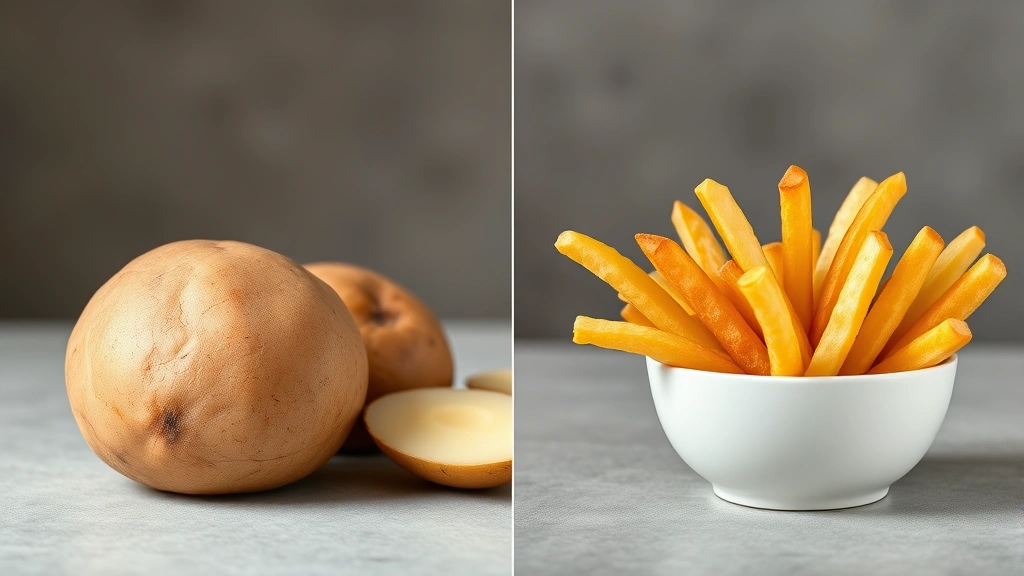
A standard serving of french fries—typically 3.5 ounces or about 100 grams—contains approximately 365 calories, with the majority coming from carbohydrates and fat. The breakdown varies slightly depending on preparation method, but generally includes around 17 grams of fat, 48 grams of carbohydrates, and 4 grams of protein. While potatoes themselves are nutrient-dense vegetables rich in vitamins B6, potassium, and manganese, the frying process significantly alters their nutritional composition.
The primary concern with french fries stems from their high caloric density and fat content. When potatoes are deep-fried in oil, they absorb substantial amounts of that oil, transforming a relatively modest vegetable into a calorie-concentrated food. A medium serving from a fast-food restaurant can contain 320-400 calories—roughly 15-20% of a typical 2,000-calorie daily diet—before accounting for other meal components.
Sodium content represents another significant nutritional consideration. A typical fast-food serving of french fries contains 200-400 milligrams of sodium, with some premium or specialty versions exceeding 500 milligrams. The American Heart Association recommends limiting daily sodium intake to 2,300 milligrams, meaning a single serving of fries can represent 9-22% of that daily allowance. For individuals managing hypertension or cardiovascular health, this sodium load warrants particular attention.
Despite these concerns, potatoes do contribute valuable nutrients. They provide resistant starch when cooled, which functions similarly to dietary fiber and may support digestive health. French fries also contain vitamin C, potassium, and B vitamins, though cooking processes may reduce some heat-sensitive vitamins. Understanding these nuances helps contextualize french fries within a broader healthy nutrition plan.

How Cooking Methods Affect Health Value
The preparation method fundamentally determines french fries’ nutritional impact. Deep frying in refined oils introduces trans fats and increases oxidative stress from high-heat cooking. Commercial deep fryers maintain temperatures around 350°F (175°C), which creates conditions for oil degradation and the formation of potentially harmful compounds like acrylamide—a substance that forms when starchy foods are heated to high temperatures.
Baking french fries at home represents a significantly healthier alternative. Oven-baked fries prepared at 425°F (220°C) for 20-25 minutes require minimal oil coating, typically just 1-2 teaspoons per serving. This method reduces fat content by 70-80% compared to deep-fried versions while maintaining the appealing texture through proper technique. Studies published in food science journals demonstrate that baked fries retain more micronutrients and contain substantially fewer calories than their fried counterparts.
Air frying has emerged as another popular preparation method among health-conscious consumers. Air fryers circulate heated air at high velocity to achieve crispy textures with minimal oil—often just a light spray coating. Research from the American Heart Association indicates that air-fried foods contain 70-80% less fat than deep-fried versions, making this method a reasonable compromise between taste preferences and nutritional goals.
The type of oil used also matters considerably. Deep frying in refined vegetable oils high in omega-6 polyunsaturated fats can promote inflammatory responses in the body. Conversely, using oils with more stable fatty acid profiles—such as avocado oil or refined coconut oil—at appropriate temperatures may reduce the formation of harmful compounds. For home preparation, meal planning strategies that incorporate these healthier preparation methods help optimize nutritional outcomes.
Primary Health Concerns Associated with Regular French Fry Consumption
Research from major health institutions identifies several health concerns linked to frequent french fry consumption. A landmark study published in the American Journal of Clinical Nutrition found that individuals consuming french fries two or more times weekly showed increased risk of weight gain and metabolic dysfunction compared to those eating them less frequently.
Weight Management Issues: French fries’ high caloric density combined with low satiety value makes them problematic for weight management. The refined carbohydrates and fats digest quickly, failing to provide sustained fullness, which often leads to overconsumption. A single large fast-food serving can represent 25-30% of daily caloric needs with minimal nutritional density.
Cardiovascular Health Risks: The combination of saturated fat, trans fat, and sodium in commercially prepared french fries poses cardiovascular concerns. Regular consumption correlates with elevated blood pressure, increased LDL cholesterol, and inflammatory markers. Research from nutrition epidemiology studies suggests that processed food consumption patterns, heavily featuring fried foods, contribute to cardiovascular disease development.
Blood Sugar Regulation: French fries have a high glycemic index, rapidly elevating blood glucose levels. This spike triggers insulin responses that, over time, may increase type 2 diabetes risk. The combination of refined carbohydrates and fat creates a particularly problematic metabolic scenario for insulin sensitivity.
Acrylamide Formation: High-temperature cooking of starchy foods produces acrylamide, a compound classified as a probable human carcinogen by the International Agency for Research on Cancer. While the risk from occasional consumption remains relatively low, regular consumption warrants consideration, particularly for children whose bodies are still developing.
These concerns don’t mean french fries must be completely eliminated, but rather that frequency and portion size require mindful management. Understanding your individual health status—particularly regarding weight, cardiovascular health, and metabolic function—helps determine appropriate consumption patterns. Nutrition solutions tailored to personal health goals provide frameworks for making these decisions.
Eating French Fries in Moderation: A Balanced Approach
The dietitian consensus suggests that french fries can be incorporated into a healthy diet when consumed mindfully and infrequently. “Moderation” doesn’t mean complete elimination but rather strategic, intentional consumption rather than habitual or frequent indulgence.
Frequency Guidelines: Health professionals generally recommend limiting french fry consumption to no more than once weekly, with a typical serving size of 3-4 ounces (about a small fast-food order). This frequency allows for enjoyment without significantly impacting overall nutritional patterns or health metrics.
Pairing Strategies: When consuming french fries, strategic food pairing enhances overall meal nutrition. Combine fries with protein-rich foods like grilled chicken, fish, or legume-based options, and include vegetable-based sides. This combination slows glucose absorption, improves satiety, and provides complementary micronutrients. For athletes seeking nutrition for athletes optimizing performance, timing french fries consumption post-workout when carbohydrate replenishment is beneficial makes more physiological sense than other meal times.
Portion Control Tactics: Restaurant portions of french fries are typically 2-3 times larger than recommended serving sizes. Strategies include ordering smaller sizes, sharing portions with others, or requesting half portions. At home, measuring appropriate portions using kitchen scales prevents unconscious overconsumption.
Beverage Choices: Pairing french fries with high-calorie beverages compounds nutritional concerns. Choosing water, unsweetened tea, or other zero-calorie beverages prevents additional caloric and sugar intake that would exacerbate metabolic stress.
Healthier Preparation Alternatives
Creating french fries at home using optimized preparation methods provides superior nutritional profiles while maintaining palatability. Here are evidence-based approaches:
- Oven-Baked Method: Cut potatoes into uniform 1/4-inch strips, toss lightly with 1 teaspoon olive oil and seasonings, then bake at 425°F for 20-25 minutes, stirring halfway through. This method reduces fat by approximately 80% compared to deep frying.
- Air Fryer Preparation: Coat potato strips with minimal oil spray, season generously with herbs and spices for flavor without salt, then air fry at 380°F for 15-18 minutes. This provides crispy texture with substantially lower fat content.
- Sweet Potato Fries: Offering higher fiber content and a lower glycemic index than regular potatoes, sweet potato fries provide more sustained energy release. Their naturally sweet flavor allows for reduced added salt while maintaining satisfaction.
- Seasoning Optimization: Replace sodium-heavy commercial seasonings with herb blends featuring garlic powder, paprika, rosemary, and thyme. This maintains flavor while reducing sodium intake by 60-70%.
- Potato Variety Selection: Waxy potato varieties like Yukon Gold or red potatoes contain more resistant starch than russet potatoes, offering improved metabolic benefits when cooled.
These preparation methods align with broader nutrition blog discussions about optimizing common foods for better health outcomes.
Portion Control and Frequency Guidelines
Establishing clear personal guidelines helps navigate french fry consumption without requiring complete elimination. Consider your individual health status, activity level, and overall dietary patterns when determining appropriate frequency.
Weekly Consumption Framework:
- Sedentary Individuals with Weight Management Concerns: Limit to once monthly or less. When consumed, choose baked versions and pair with high-protein, vegetable-rich meals.
- Moderately Active Individuals with Stable Weight: Once weekly consumption is reasonable, particularly if using home-prepared methods or smaller restaurant portions.
- Highly Active Individuals: Post-workout french fries consumption can support carbohydrate replenishment when combined with protein sources.
- Individuals Managing Hypertension: Choose unsalted or lightly salted versions and limit frequency to once monthly maximum.
- Children and Adolescents: Limit to occasional consumption (2-4 times monthly) given developing metabolic systems’ sensitivity to dietary patterns established in youth.
These guidelines aren’t rigid rules but rather frameworks for decision-making. Understanding how dietary choices impact overall wellness helps contextualize these recommendations within broader health goals.
Practical Implementation: Consider maintaining a simple food diary for two weeks to assess current french fry consumption patterns. This baseline awareness often naturally moderates intake as individuals recognize frequency levels. Setting specific goals—such as “french fries on Friday nights only”—provides structure that prevents unconscious overconsumption.
FAQ
Are homemade baked french fries actually healthier than restaurant versions?
Yes, significantly. Homemade baked fries typically contain 70-80% less fat than deep-fried restaurant versions. A typical baked serving contains 150-200 calories compared to 320-400 for fried versions. You also control sodium content, oil quality, and cooking temperature, substantially improving the nutritional profile.
What’s the difference between french fries and other potato preparations in terms of nutrition?
Boiled or steamed potatoes contain 50-70% fewer calories than fried fries and lack the added fats entirely. However, french fries’ palatability often encourages consumption, making them a practical consideration for dietary adherence. The key is choosing preparation methods appropriate for your health goals.
Can french fries be part of a weight loss diet?
Infrequent consumption of home-prepared baked fries can fit within weight loss diets when portion-controlled and properly balanced with protein and vegetables. However, frequent consumption or large portions make weight loss substantially more difficult due to their high caloric density and low satiety value.
Are sweet potato fries healthier than regular potato fries?
Sweet potato fries offer some nutritional advantages: higher fiber content, lower glycemic index, and greater micronutrient density including beta-carotene and vitamin A. However, they contain similar calories and fat when prepared identically. The improved micronutrient profile makes them a reasonable alternative for regular rotation.
What about the acrylamide concern in french fries?
Acrylamide forms during high-temperature cooking of starchy foods. While research continues regarding human health impacts, minimizing acrylamide formation involves cooking at lower temperatures when possible, avoiding excessive browning, and not cooking potatoes at temperatures above 350°F. Home preparation using moderate temperatures reduces acrylamide compared to commercial deep frying.
How often can children eat french fries?
Pediatric nutritionists recommend limiting french fry consumption to 2-4 times monthly for children. Early dietary pattern establishment influences lifelong food preferences and metabolic health. When children do consume fries, pairing with nutrient-dense foods and choosing home-prepared versions supports better overall nutrition.
Do frozen french fries have different nutritional profiles than fresh-cut?
Commercial frozen fries are typically pre-fried during processing, then finished cooking at home or in restaurants. This means frozen fries already contain substantial fat and calories before final preparation. Fresh-cut fries offer more control over final nutritional outcomes, particularly when home-prepared using baking or air frying methods.