Gala Apple Benefits: Dietitian Insights on Nutrition and Health
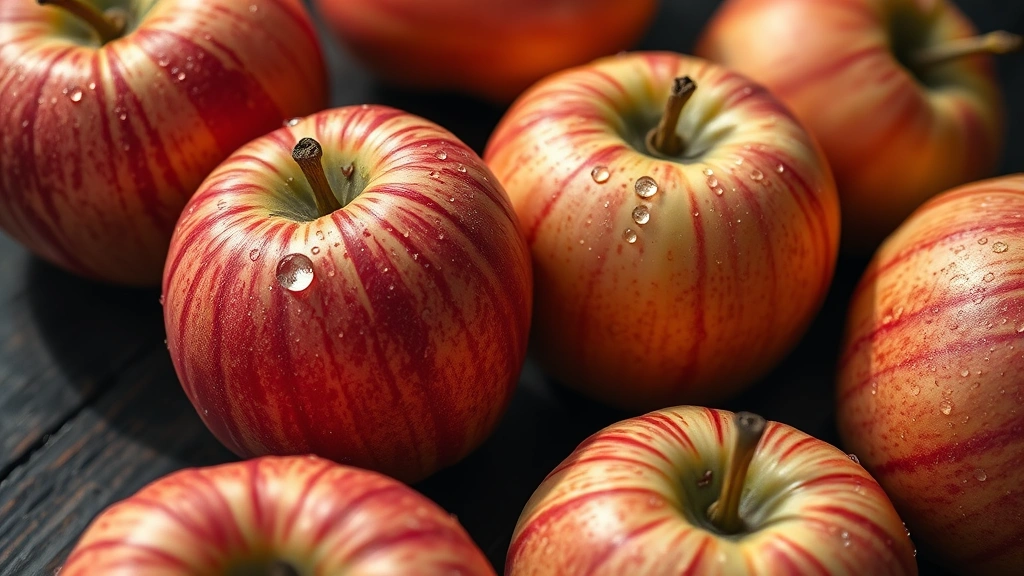
Gala apples stand out among the most popular apple varieties, offering a distinctive sweet-tart flavor profile that appeals to consumers seeking both taste and nutritional value. These medium-sized apples, characterized by their vibrant red-orange striped appearance, have become a staple in grocery stores and farmers’ markets worldwide. Beyond their appealing aesthetic and crisp texture, gala apples deliver substantial health benefits that merit closer examination from a nutritional science perspective.
Whether you’re exploring nutrition solutions to enhance your daily diet or researching specific fruit benefits, understanding what gala apples contribute to your wellness journey proves valuable. This comprehensive guide examines the scientific evidence behind gala apple nutrition, exploring their micronutrient composition, potential health advantages, and practical ways to incorporate them into a balanced eating plan.
Gala Apple Nutritional Composition
A medium-sized gala apple (approximately 182 grams) contains roughly 95 calories, making it an exceptionally calorie-conscious choice for health-conscious consumers. The macronutrient breakdown reveals 25 grams of carbohydrates, 4 grams of dietary fiber, and minimal fat content at less than 0.5 grams. This composition positions gala apples as an ideal snack for individuals monitoring their caloric intake while maintaining sustained energy levels.
The micronutrient profile of gala apples demonstrates why nutritionists frequently recommend them as part of a healthy nutrition plan. These apples provide approximately 5 milligrams of vitamin C per medium fruit, contributing roughly 8-10% of the daily recommended value. Vitamin C functions as a critical cofactor in collagen synthesis, immune function enhancement, and iron absorption optimization. Additionally, gala apples contain potassium—approximately 195 milligrams per medium fruit—which plays essential roles in blood pressure regulation, cardiac function, and electrolyte balance.
Trace minerals present in gala apples include manganese, which supports bone health, metabolism, and antioxidant defense mechanisms. The B-vitamin content, though modest, contributes to energy metabolism through thiamine and other B-complex vitamins. Notably, the skin of gala apples concentrates many beneficial compounds, including quercetin and chlorogenic acid, emphasizing the importance of consuming whole apples rather than peeled versions when possible.
Fiber Content and Digestive Health
The dietary fiber in gala apples represents one of their most significant health-promoting components. With approximately 4 grams of fiber per medium fruit, gala apples contribute meaningfully to daily fiber intake recommendations, which range from 25-30 grams for women and 38 grams for men. This fiber exists in two forms: soluble and insoluble, each offering distinct physiological benefits.
Soluble fiber, particularly pectin found abundantly in apple flesh, dissolves in water to form a viscous gel within the digestive tract. This gel slows gastric emptying, prolonging satiety signals and moderating postprandial glucose responses. Research published in peer-reviewed nutritional science journals demonstrates that pectin consumption correlates with improved cholesterol profiles, particularly LDL reduction. Insoluble fiber, concentrated in the apple skin, promotes intestinal motility and supports healthy microbiota composition through prebiotic mechanisms.
Regular gala apple consumption supports digestive health through multiple mechanisms. The fiber content promotes beneficial bacterial proliferation, particularly Faecalibacterium prausnitzii and Roseburia species, which produce short-chain fatty acids essential for colonic health. These metabolites strengthen intestinal barrier function, reduce inflammation, and support immune homeostasis. For individuals implementing tips for meal planning, incorporating gala apples provides an accessible method to incrementally increase fiber intake without requiring specialized food products.
Individuals transitioning to higher fiber consumption should increase intake gradually, accompanying dietary changes with adequate hydration to prevent gastrointestinal discomfort. The natural sweetness of gala apples makes them an appealing fiber source compared to less palatable alternatives.
Antioxidants and Polyphenols
Gala apples contain an impressive array of polyphenolic compounds that function as potent antioxidants within the body. These phytonutrients—including quercetin, catechin, chlorogenic acid, and phloridzin—work synergistically to neutralize free radicals and reduce oxidative stress. The concentration of these compounds makes apples among the highest-ranking fruits for total antioxidant activity, comparable to berries in many nutritional analyses.
Quercetin, the predominant flavonoid in gala apples, demonstrates anti-inflammatory and antihistamine properties that may benefit individuals with allergic conditions or chronic inflammatory diseases. Research indicates that quercetin consumption correlates with reduced cardiovascular disease risk, improved cognitive function, and enhanced exercise performance through multiple signaling pathways. The compound accumulates in apple skin, where concentrations reach approximately 4.4 mg per 100 grams of fresh weight.
Chlorogenic acid, another significant polyphenol in gala apples, exhibits hepatoprotective and neuroprotective properties. This compound modulates glucose metabolism through inhibition of glucose-6-phosphatase, potentially contributing to improved glycemic control. Additionally, chlorogenic acid demonstrates antimicrobial activity against various pathogens, supporting gastrointestinal health and immune competence.
Phloridzin, a unique apple polyphenol absent in most other fruits, shows promise in metabolic research for improving insulin sensitivity and reducing visceral adiposity. Animal models demonstrate that phloridzin consumption enhances glucose transporter expression in skeletal muscle, facilitating improved nutrient partitioning and metabolic efficiency. The synergistic action of these polyphenols positions gala apples as functional foods capable of modulating disease-relevant biological pathways.
Cardiovascular Health Benefits
Cardiovascular disease remains the leading cause of mortality globally, making dietary interventions that reduce risk factors particularly valuable. Gala apples contribute to heart health through multiple mechanisms supported by epidemiological evidence and mechanistic research. The fiber content, particularly soluble pectin, directly reduces LDL cholesterol through bile acid binding and hepatic cholesterol metabolism modulation.
Prospective cohort studies have demonstrated that individuals consuming one or more apples daily experience approximately 15% reduction in cardiovascular mortality compared to non-consumers. This protective effect emerges through several pathways: improved lipid profiles, reduced blood pressure, decreased inflammatory markers, and enhanced endothelial function. The polyphenolic content contributes significantly to these benefits through antioxidant and anti-inflammatory mechanisms.
Potassium content in gala apples supports cardiovascular health by promoting vasodilation and reducing peripheral vascular resistance. The mineral works antagonistically with sodium to maintain appropriate fluid balance and blood pressure homeostasis. For individuals seeking to optimize cardiovascular outcomes, incorporating gala apples into dietary patterns—as part of broader nutrition education resources—provides an evidence-based, accessible intervention.
The phenolic compounds in gala apples enhance endothelial-dependent vasodilation through nitric oxide bioavailability enhancement. This mechanism improves vascular compliance and reduces arterial stiffness, measurable improvements associated with reduced cardiovascular event risk. Research examining apple consumption patterns consistently demonstrates dose-response relationships, with greater intake correlating with superior cardiovascular outcomes.
Blood Sugar Management
Despite their natural sugar content—approximately 19 grams per medium fruit—gala apples demonstrate a favorable glycemic profile. The glycemic index (GI) of gala apples ranges from 39-44, classifying them as low glycemic index foods that produce modest postprandial glucose elevations. This apparent paradox reflects the glucose-moderating effects of fiber, polyphenols, and fructose composition.
The soluble fiber pectin slows gastric emptying and small intestinal glucose absorption through viscosity mechanisms. This deceleration of nutrient absorption prevents rapid blood glucose spikes that trigger excessive insulin secretion and subsequent rebound hypoglycemia. Additionally, the fructose component of apple sugars undergoes hepatic metabolism preferentially, bypassing glycolytic pathways that generate rapid glucose increments.
Polyphenolic compounds, particularly chlorogenic acid and quercetin, modulate carbohydrate digestion through enzyme inhibition. Alpha-glucosidase inhibition slows disaccharide hydrolysis, reducing monosaccharide absorption rates. Furthermore, these compounds enhance insulin sensitivity through peroxisome proliferator-activated receptor (PPAR) signaling and AMP-activated protein kinase (AMPK) activation. Studies in individuals with prediabetes and type 2 diabetes demonstrate that apple consumption improves glycemic control metrics and reduces hemoglobin A1c concentrations.
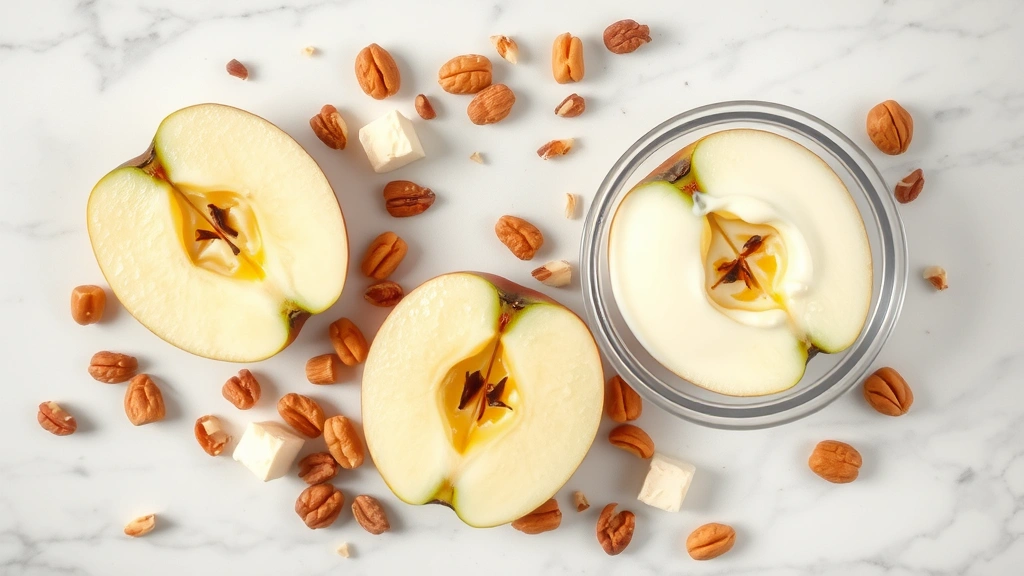
The combination of low GI classification, high fiber content, and polyphenolic compounds makes gala apples particularly suitable for individuals managing blood sugar concerns. Pairing gala apples with protein sources—such as nuts, cheese, or yogurt—further moderates glycemic responses through nutrient synergy.
Weight Management Support
Weight management represents a significant health concern affecting metabolic disease prevalence and overall morbidity. Gala apples contribute to weight management through multiple mechanisms, making them valuable inclusions in calorie-controlled dietary patterns. The high water content (approximately 86% by weight) and fiber concentration promote satiety while maintaining low caloric density—approximately 52 calories per 100 grams.
The pectin fiber in gala apples expands within the stomach, creating physical fullness signals that reduce subsequent caloric intake. Mechanistically, pectin delays gastric emptying and prolongs intestinal transit time, extending satiety duration beyond the immediate postprandial period. Research demonstrates that individuals consuming whole apples experience greater satiety than those consuming apple juice or applesauce, emphasizing the importance of fiber integrity for appetite regulation.
The polyphenolic compounds in gala apples may enhance weight management through metabolic effects. Quercetin demonstrates thermogenic properties and modulates adipocyte differentiation pathways, potentially reducing adipose tissue accumulation. Additionally, apple polyphenols enhance mitochondrial biogenesis and oxidative capacity in skeletal muscle, improving metabolic efficiency and energy expenditure.
Incorporating gala apples into meal planning strategies provides satisfying, nutrient-dense options that support caloric deficit maintenance without inducing deprivation. The natural sweetness satisfies cravings for sugary foods while delivering micronutrients and bioactive compounds absent in processed snacks.

Comparison with Other Apple Varieties
While all apple varieties offer nutritional benefits, meaningful differences exist in specific nutrient concentrations and polyphenolic profiles. Gala apples, compared to Granny Smith varieties, contain higher sugar concentrations (approximately 19g versus 15g per medium fruit) but similar fiber content. Granny Smith apples demonstrate higher malic acid content, contributing to their characteristic tartness and potentially offering enhanced digestive benefits.
Honeycrisp apples rival gala apples in popularity but contain slightly lower fiber concentrations and higher sugar content. Fuji apples, another popular variety, exceed gala apples in sugar content but demonstrate comparable polyphenolic profiles. Red Delicious apples show elevated anthocyanin concentrations compared to gala apples, contributing superior antioxidant capacity in some assays.
The choice between apple varieties should consider individual health objectives, taste preferences, and availability. For individuals prioritizing fiber intake and moderate sugar consumption, gala apples represent an excellent choice. Those seeking maximum antioxidant benefits might prefer varieties with higher anthocyanin concentrations, such as red delicious or honeycrisp varieties. The most beneficial approach involves consuming varied apple varieties throughout the year, leveraging the complementary nutrient profiles each variety offers.
Selection and Storage Tips
Maximizing gala apple nutritional value begins with proper selection and extends through appropriate storage protocols. When purchasing gala apples, select specimens with firm flesh and unblemished skin, avoiding apples with soft spots or visible decay. The characteristic striped coloration should appear vibrant and evenly distributed; deeper red coloring often indicates superior ripeness and flavor development.
Proper storage extends shelf life while maintaining nutritional integrity. Refrigeration dramatically slows respiration and microbial growth, preserving apples for 2-4 weeks when stored in crisper drawers. For extended storage, maintain temperatures between 32-40°F with relative humidity above 90%. Some consumers prefer consuming apples at room temperature for optimal flavor development, though this shortens storage duration to approximately one week.
Consuming apples with skin intact maximizes polyphenolic intake, as these compounds concentrate in and near the peel. Gentle washing under cool running water removes surface residues without compromising nutritional value. For individuals concerned about pesticide residues, organic gala apples offer an alternative, though conventional apples remain safe when properly washed.
Incorporating gala apples into comprehensive nutrition solutions requires creative culinary applications. Sliced gala apples pair excellently with nut butters, cheese, and yogurt for balanced snacks. Incorporating diced gala apples into salads adds natural sweetness and textural complexity while boosting micronutrient density. Baking or stewing gala apples creates warming desserts that maintain much of the fiber and polyphenolic content while satisfying sweet cravings.
FAQ
How many gala apples should I consume daily for optimal health benefits?
Nutritional guidelines support consuming one to two apples daily as part of recommended fruit intake. For most adults, one medium gala apple provides approximately 4 grams of fiber and meaningful micronutrient contributions while maintaining reasonable sugar consumption. Individuals with specific health conditions should consult healthcare providers regarding personalized recommendations. The widely cited adage “an apple a day keeps the doctor away” reflects substantial epidemiological evidence supporting regular apple consumption for disease prevention.
Are gala apples suitable for individuals with diabetes?
Gala apples’ low glycemic index (39-44) and high fiber content make them appropriate for individuals managing blood sugar. However, portion control and pairing with protein sources optimize glycemic responses. Individuals with diabetes should monitor personal responses to apple consumption and adjust portions based on individual glucose tolerance patterns. Consulting with registered dietitians ensures personalized recommendations aligned with specific metabolic requirements.
What is the best time to consume gala apples for maximum health benefits?
Consuming gala apples between meals or as part of balanced meals both offer advantages. As standalone snacks, apples promote satiety and provide sustained energy. When consumed with meals containing protein and healthy fats, apples enhance nutrient absorption and moderate glycemic responses. Evening apple consumption may benefit individuals seeking natural sleep promotion, as certain polyphenols demonstrate mild sedative properties.
How do gala apples compare nutritionally to other fruits?
Gala apples offer exceptional nutrient density relative to caloric content, comparable to berries in antioxidant capacity and exceeding many fruits in fiber concentration. Unlike tropical fruits, apples provide sustained satiety without excessive sugar or caloric density. The polyphenolic profile of gala apples differs meaningfully from other fruits, offering compounds like phloridzin and quercetin not found in equivalent concentrations elsewhere.
Can gala apple consumption help reduce cholesterol levels?
Yes, research demonstrates that regular gala apple consumption correlates with reduced LDL cholesterol concentrations. The soluble fiber pectin binds bile acids, promoting hepatic cholesterol utilization for bile acid resynthesis. The polyphenolic compounds enhance antioxidant status, reducing LDL oxidation—a critical step in atherosclerosis pathogenesis. Typical studies demonstrating these benefits employed one to two apples daily for 4-12 weeks, with greatest effects observed in individuals with baseline hypercholesterolemia.
Are organic gala apples nutritionally superior to conventional varieties?
Nutritional composition differs minimally between organic and conventional gala apples when grown under comparable conditions. Both varieties contain equivalent fiber, sugars, and most micronutrients. Organic production may result in slightly elevated polyphenolic concentrations due to increased plant stress signaling, though differences remain modest. The choice between organic and conventional apples should consider personal pesticide concerns, environmental values, and budget constraints, recognizing that both options provide substantial health benefits.


