Is Grilled Cheese Healthy? A Dietitian’s Evidence-Based Breakdown
Grilled cheese sandwiches occupy a peculiar space in American food culture—beloved comfort food that sparks genuine nutritional debate. Whether you’re a parent packing school lunches, a busy professional seeking quick meals, or someone simply curious about dietary choices, the question “Is grilled cheese healthy?” deserves a nuanced answer rather than a simple yes or no.
The truth is more complex than popular diet discourse suggests. A grilled cheese can range from a nutritionally balanced meal to a calorie-dense indulgence, depending entirely on ingredient selection, preparation methods, and portion control. This comprehensive analysis examines the actual grilled cheese nutrition facts, breaks down what makes certain versions healthier than others, and provides evidence-based strategies for enjoying this classic comfort food within a balanced diet.

Understanding Grilled Cheese Nutrition Basics
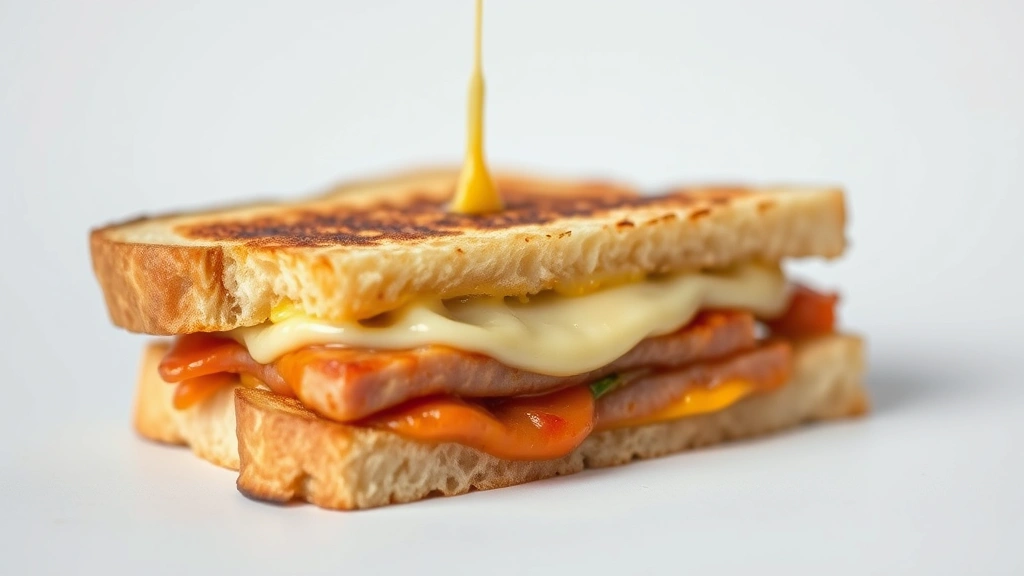
A standard grilled cheese sandwich consists of three fundamental components: bread, cheese, and butter or oil for cooking. Each element contributes meaningfully to the overall nutritional profile. The basic formula seems straightforward, yet the variables are substantial.
A typical grilled cheese made with two slices of white bread, two slices of American cheese, and one tablespoon of butter contains approximately 400-450 calories. However, this baseline shifts dramatically based on bread type, cheese selection, and cooking fat quantity. Understanding these variations helps contextualize whether grilled cheese fits within your dietary framework.
The nutrition facts label generator approach reveals that most commercial grilled cheese recipes cluster around 35-45 grams of total fat, with saturated fat typically comprising 15-20 grams of that total. Protein content ranges from 12-18 grams depending on cheese type and bread composition, while carbohydrates span 30-40 grams.
What distinguishes grilled cheese from genuinely unhealthy foods is the presence of legitimate nutritional components. Cheese provides calcium, vitamin B12, and protein. Whole grain bread contributes fiber and micronutrients. The fats, while substantial, include both saturated and unsaturated varieties. This isn’t a nutritionally empty food—it’s simply calorie-dense and requires contextual consumption.
Caloric Content and Macronutrient Breakdown
Calorie density represents grilled cheese’s most significant nutritional consideration. At roughly 400-500 calories per sandwich, a single grilled cheese can constitute 20-25% of a 2,000-calorie daily diet. For context, this matches the caloric content of many full meals, yet grilled cheese typically functions as a lunch or light dinner rather than a complete nutritional package.
The macronutrient distribution reveals an interesting pattern: grilled cheese typically contains far more fat than protein relative to carbohydrates. A standard preparation yields approximately 60% of calories from fat, 15% from protein, and 25% from carbohydrates. This ratio contrasts sharply with balanced nutrition recommendations suggesting 25-35% fat, 10-35% protein, and 45-65% carbohydrates.
However, macronutrient percentages matter less than absolute quantities when evaluating single meals. A grilled cheese providing 15 grams of protein and 8 grams of fiber (when made with whole grain bread) contributes meaningfully to daily nutritional needs. The challenge emerges when grilled cheese becomes a habitual choice rather than an occasional indulgence.
Research from Pew Research Center on American eating patterns demonstrates that comfort foods like grilled cheese appear most frequently in diets lacking structured meal planning. This suggests the health impact depends substantially on broader dietary context rather than the sandwich itself.
Sodium, Saturated Fat, and Heart Health
Sodium content in grilled cheese often exceeds public perception. A single sandwich can contain 600-900 milligrams of sodium, representing 26-39% of the daily recommended maximum. This primarily stems from cheese, which serves as a concentrated sodium source. American cheese varieties contain particularly high sodium levels—often 400+ milligrams per slice.
The saturated fat concern carries legitimate medical backing. A standard grilled cheese typically contains 15-20 grams of saturated fat, roughly 75-100% of the daily recommended maximum for a 2,000-calorie diet. Dietary guidelines from the American Heart Association recommend limiting saturated fat to 5-6% of daily calories, and regular grilled cheese consumption can easily exceed this threshold.
This doesn’t mean grilled cheese causes heart disease in isolation. Rather, it suggests that grilled cheese works best as an occasional meal rather than a dietary staple. Someone consuming grilled cheese twice weekly while maintaining otherwise heart-healthy eating patterns faces minimal cardiovascular risk. Someone eating grilled cheese three times weekly with additional saturated fat sources creates genuine concern.
The relationship between saturated fat intake and cardiovascular health remains more nuanced than 1980s dietary messaging suggested, according to recent meta-analyses published in peer-reviewed nutrition journals. However, excessive saturated fat consumption still correlates with elevated LDL cholesterol in most populations, making moderation sensible.
Ingredient Choices That Matter Most
Bread selection dramatically influences grilled cheese’s nutritional profile. White bread provides minimal fiber and micronutrients, delivering mainly simple carbohydrates. Whole wheat bread contributes 3-4 grams of fiber per slice plus B vitamins, minerals, and phytochemicals. This single substitution improves the nutritional density substantially without reducing satisfaction.
Sourdough bread presents another compelling option. Beyond providing similar fiber to whole wheat, sourdough’s fermentation process increases mineral bioavailability and reduces gluten’s impact on digestive systems. Some individuals find sourdough more digestible than standard whole wheat.
Cheese selection significantly impacts both nutritional content and flavor intensity. Sharp cheddar, gruyere, and other flavorful varieties allow smaller quantities to deliver maximum taste satisfaction. Using one ounce of sharp cheddar instead of two ounces of mild cheddar reduces fat by 9 grams and calories by roughly 110 while potentially improving flavor perception.
Low-fat cheese options present a nutritional paradox. While reducing fat content, many low-fat cheeses add sugar and thickeners while sacrificing flavor. This often leads to consuming more cheese to achieve satisfaction, potentially negating the fat reduction. Full-fat cheese in smaller quantities frequently proves more nutritionally sensible than larger quantities of low-fat alternatives.
Cooking fat selection matters substantially. Butter contributes primarily saturated fat and flavor. Olive oil provides monounsaturated fats and polyphenols with potential anti-inflammatory properties. Avocado oil offers similar benefits with a higher smoke point. Using one teaspoon of quality oil instead of one tablespoon of butter reduces saturated fat by 8 grams while maintaining the toasted exterior that makes grilled cheese appealing.
Comparing Preparation Methods
Traditional stovetop preparation using butter creates the beloved golden-brown exterior and melted cheese interior. However, this method requires careful fat management—one tablespoon of butter for two slices of bread produces a different result than two tablespoons. Most home cooks use excessive butter, inadvertently creating a significantly more calorie-dense product.
Panini press preparation offers advantages by distributing heat more evenly and requiring less added fat. The pressure creates a denser texture and more even browning with approximately 20-30% less cooking fat than traditional methods. This simple equipment change can reduce overall calories by 50-75 without sacrificing quality.
Air fryer preparation represents an emerging method gaining popularity for calorie reduction. Air frying requires minimal oil—roughly one teaspoon instead of one tablespoon—while achieving comparable browning and texture. This approach reduces total fat content by 40-50% compared to traditional butter-based methods.
Oven toasting presents a less common but viable alternative. Assembling the sandwich, placing it on a baking sheet, and broiling at 425°F for 3-4 minutes per side requires no added cooking fat. The bread toasts directly from oven heat, and cheese melts from radiant heat. This method produces a slightly different texture but eliminates cooking fat entirely.
Making Grilled Cheese Fit Your Nutrition Goals
For individuals following a healthy nutrition plan, grilled cheese can integrate successfully with strategic modifications. The key involves viewing grilled cheese as a starting point for optimization rather than a fixed recipe.
Athletes pursuing nutrition for athletes goals might pair grilled cheese with protein-rich sides. Adding sliced turkey or ham increases protein content to 25+ grams, supporting muscle recovery. Pairing with vegetable-based soup adds micronutrients and fiber while increasing satiety per calorie.
For weight management, portion control and frequency matter more than complete avoidance. A grilled cheese once weekly represents roughly 2-3% of weekly caloric intake, easily accommodated within balanced diets. The same sandwich consumed daily becomes problematic. This suggests grilled cheese works best as a planned meal rather than an impulsive choice.
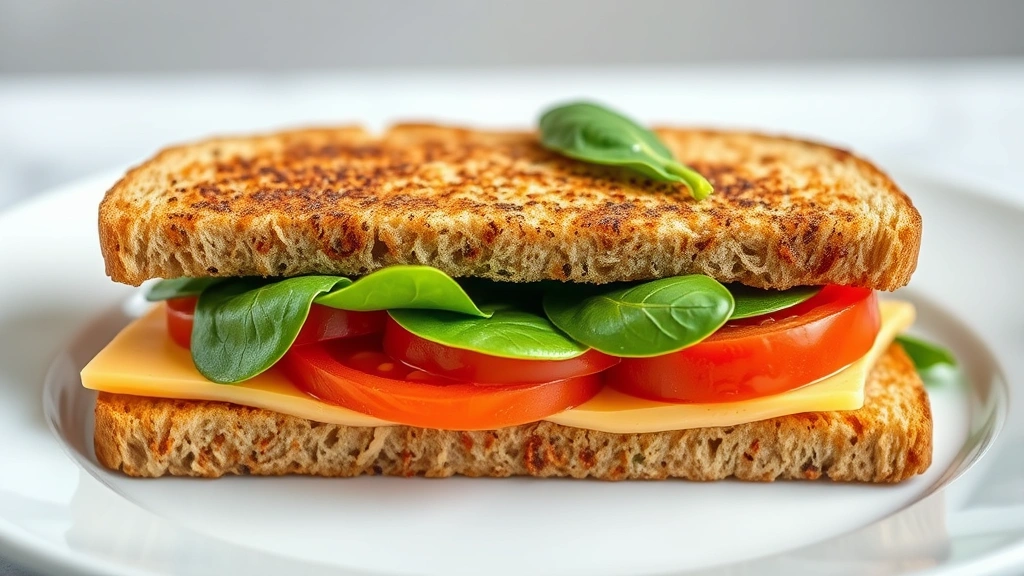
Adding vegetables transforms grilled cheese into a more nutritionally complete meal. Thin tomato slices add lycopene and reduce the relative proportion of fat per bite. Spinach contributes iron, calcium, and phytochemicals with minimal caloric addition. Caramelized onions provide sweetness and umami complexity while adding fiber.
The nutrition and mental health connection suggests that completely eliminating beloved foods like grilled cheese can create psychological stress counteracting nutritional benefits. Permission to enjoy grilled cheese occasionally supports long-term dietary adherence better than rigid restriction.
Exploring the Nutrients Pathway Blog reveals additional strategies for optimizing comfort foods within balanced nutrition frameworks. Expert guidance helps distinguish between genuinely problematic foods and foods simply requiring contextual consumption.
Practical optimization strategies include:
- Using whole grain bread instead of white bread (+3-4g fiber, +15 micronutrients)
- Selecting sharp cheese varieties and reducing quantity (same flavor, fewer calories)
- Cooking with minimal oil or butter using air fryer or panini press methods
- Adding vegetables for micronutrients and satiety without excessive calories
- Limiting frequency to once or twice weekly maximum
- Pairing with nutrient-dense sides like vegetable soup or salad
- Consuming as part of balanced meals rather than standalone lunches
FAQ
Is grilled cheese considered a healthy food?
Grilled cheese isn’t inherently healthy or unhealthy—it’s contextual. A single grilled cheese provides legitimate nutrients (protein, calcium, carbohydrates) but in a calorie-dense package with significant saturated fat. Occasional consumption within balanced diets poses no health concern. Regular consumption (3+ times weekly) can contribute to excessive saturated fat and sodium intake. The health impact depends on frequency, preparation method, and overall dietary pattern.
How many calories are in a typical grilled cheese sandwich?
Standard grilled cheese sandwiches contain 400-500 calories depending on ingredients and preparation. White bread versions tend toward the lower end (400-430 calories), while whole grain or sourdough versions may reach 450-480 calories due to denser texture. Preparation method significantly impacts totals—air-fried versions contain 50-75 fewer calories than traditionally buttered versions.
Can grilled cheese fit into a weight loss diet?
Yes, grilled cheese can fit into weight loss diets when consumed strategically. At 400-500 calories, a grilled cheese represents a reasonable single meal within most weight loss frameworks. Success requires limiting frequency to once or twice weekly, pairing with low-calorie sides (salad, vegetable soup), and using optimization techniques like reduced cooking fat and whole grain bread. Complete avoidance often proves unsustainable, making moderate inclusion more effective for long-term adherence.
What’s the healthiest way to make grilled cheese?
The healthiest grilled cheese combines multiple optimization strategies: whole grain or sourdough bread, sharp cheese in reduced quantity, vegetable additions (tomato, spinach), minimal cooking fat using air fryer or panini press methods, and consumption as part of balanced meals. This approach reduces calories by 100-150 compared to traditional preparation while improving micronutrient density.
Is cheese bad for you in grilled cheese sandwiches?
Cheese provides valuable calcium, vitamin B12, and protein, making it nutritionally beneficial. However, cheese in grilled cheese contributes substantial saturated fat and sodium. Using smaller quantities of strongly flavored cheese varieties (sharp cheddar, gruyere) allows satisfaction with reduced fat intake. The issue isn’t cheese itself but rather excessive quantity and frequency of consumption.
How often can I safely eat grilled cheese?
Most nutrition guidelines support consuming grilled cheese once or twice weekly without concern. This frequency allows enjoyment while maintaining overall dietary balance. Three or more times weekly begins approaching problematic levels for saturated fat and sodium intake, particularly for individuals with existing cardiovascular concerns or hypertension.


