Grits Nutrition Facts: A Dietitian’s Comprehensive Breakdown
Grits have been a dietary staple in the American South for centuries, offering a humble yet nutrient-dense carbohydrate source that continues to appear on breakfast tables and dinner plates alike. Despite their simplicity—ground cornmeal cooked into a creamy porridge—grits pack a surprising nutritional profile that deserves closer examination. Whether you’re a longtime fan or curious about incorporating them into your diet, understanding the grits nutrition facts is essential for making informed dietary choices.
This comprehensive guide breaks down the macronutrients, micronutrients, and health implications of grits, drawing on nutritional science and dietary expertise. We’ll explore how different preparation methods affect their nutritional value, identify who benefits most from including grits in their meals, and address common misconceptions about this traditional comfort food.
Macronutrient Profile of Grits
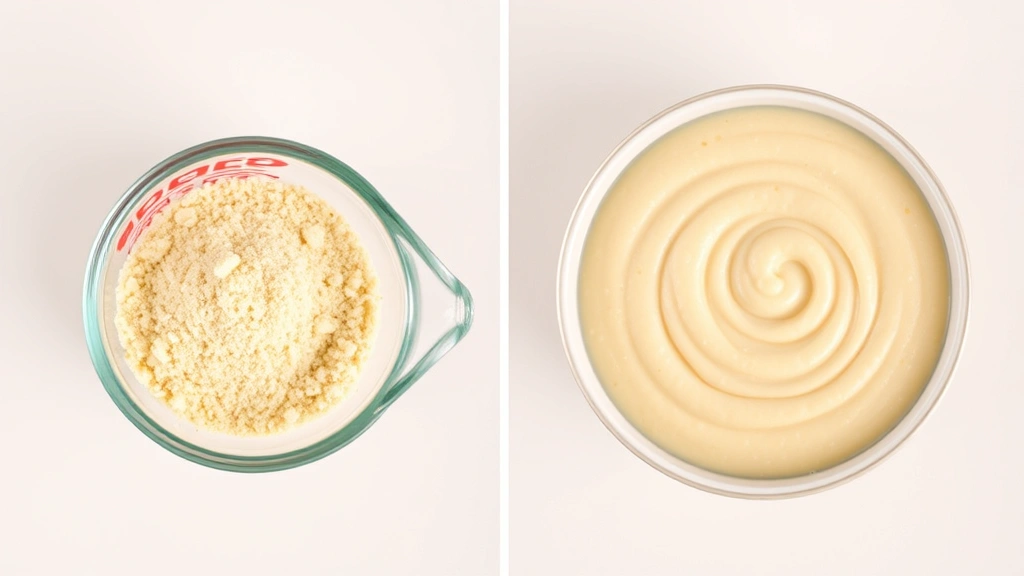
Understanding the macronutrient composition of grits provides the foundation for evaluating their nutritional contribution to your diet. A single serving of cooked grits—typically measured as one cup—contains approximately 182 calories, with macronutrients distributed as follows: carbohydrates dominate at around 32 grams, protein contributes 4 grams, and fat provides roughly 2 grams per serving.
The carbohydrate content in grits is primarily composed of complex carbohydrates derived from corn. These carbohydrates serve as an efficient energy source, making grits particularly valuable for individuals with high activity levels or those seeking sustained energy throughout the day. Unlike refined grain products, whole grain grits retain more fiber, which plays a crucial role in digestive health and blood sugar regulation.
Protein content in grits, while modest at 4 grams per cup, can be significantly enhanced through strategic pairing with other foods. Combining grits with eggs, cheese, legumes, or meat-based preparations increases the overall protein density of the meal. This complementary approach aligns with principles discussed in our tips for meal planning, where combining foods strategically maximizes nutritional value.
The fat content in plain cooked grits remains minimal, typically around 2 grams per serving. However, traditional preparation methods often involve adding butter, cream, or cheese, which substantially increases the fat content. Understanding this distinction between plain and traditionally prepared grits helps you make conscious decisions aligned with your dietary goals.
Vitamins and Minerals in Grits
Grits provide several essential micronutrients, particularly when made from enriched cornmeal, which is standard in most commercial products. The enrichment process adds back nutrients that are lost during processing, making enriched grits a more nutritionally complete option compared to non-enriched varieties.
Key micronutrients found in grits include:
- B Vitamins: Enriched grits contain thiamine, riboflavin, and niacin, which support energy metabolism and nervous system function. These B vitamins are essential for converting carbohydrates into usable energy, particularly important for individuals following active lifestyles.
- Iron: One cup of cooked enriched grits provides approximately 2 milligrams of iron, contributing roughly 11% of the daily recommended value for adult women and 25% for adult men. This iron is non-heme iron, which is less readily absorbed than heme iron from animal sources, but absorption improves when consumed with vitamin C-rich foods.
- Folate: Enriched grits contain folate, a B vitamin crucial for cell division and DNA synthesis. This nutrient is particularly important for pregnant women and those planning pregnancy.
- Manganese: Grits provide manganese, a trace mineral involved in bone health, metabolism, and antioxidant defense.
- Phosphorus: Supporting bone and tooth health, phosphorus represents another mineral found in grits.
The micronutrient profile of grits demonstrates their value within a diversified diet. For comprehensive guidance on optimizing nutrient intake, explore our how to improve nutrient absorption resource, which details strategies for maximizing the body’s utilization of nutrients from all food sources.
Calories and Serving Sizes
Proper portion awareness is fundamental to integrating grits into a balanced diet. A standard serving of cooked grits measures one cup, containing approximately 182 calories when prepared with water alone. This modest calorie count makes grits an accessible carbohydrate option for most dietary approaches.
However, calorie content escalates significantly with common preparation additions. A cup of grits prepared with whole milk instead of water increases calories to roughly 240, while incorporating butter and cheese can push the total to 350-400 calories or higher. These additions, while delicious and culturally traditional, represent important caloric considerations for those monitoring intake.
Understanding serving sizes prevents unintended overconsumption. Many individuals unknowingly consume two to three times the standard serving size, particularly in restaurant or family-style settings where large bowls of grits are common. Measuring portions initially helps establish awareness of appropriate quantities for your specific nutritional needs and goals.
Preparation Methods and Nutritional Impact
How grits are prepared dramatically influences their final nutritional profile. The difference between plain water-cooked grits and traditionally prepared versions represents a significant nutritional divergence worth understanding.
Water-based preparation represents the most basic approach, yielding grits with minimal added nutrients beyond the cornmeal itself. This method is suitable for those seeking to control fat and calorie intake while maintaining the complex carbohydrate benefits grits provide.
Butter and cheese additions transform grits into a richer dish, increasing saturated fat content substantially. While these additions enhance flavor and provide fat-soluble vitamins like vitamin A and D from dairy products, they also increase caloric density. A typical serving with generous butter and cheese additions can exceed 400 calories.
Milk-based cooking offers a middle ground, improving creaminess and taste while adding calcium and additional protein. Using low-fat or fat-free milk maintains this benefit while reducing saturated fat intake.
Stone-ground versus instant grits present another nutritional consideration. Stone-ground grits retain more of the corn’s original structure and nutrients, including more fiber than instant varieties. However, instant grits cook faster and may be more convenient for busy schedules. The nutritional difference is modest but measurable for those prioritizing maximum nutrient density.
Health Benefits and Considerations
Grits offer several legitimate health benefits when incorporated thoughtfully into a balanced diet. Their complex carbohydrate foundation provides sustained energy release, preventing the blood sugar spikes and crashes associated with refined carbohydrates. This characteristic makes grits particularly suitable for individuals managing blood sugar levels or seeking stable energy throughout the day.
The fiber content in whole grain grits supports digestive health by promoting beneficial gut bacteria and facilitating regular bowel movements. Additionally, the resistant starch in cooled cooked grits may provide prebiotic benefits, feeding beneficial bacteria in the colon.
From a cardiovascular perspective, grits prepared without excessive saturated fat contribute to heart-healthy eating patterns. The modest protein content, while not substantial on its own, becomes meaningful when grits are paired with protein-rich accompaniments like eggs, fish, or legumes.
However, certain populations should approach grits with specific considerations. Individuals with celiac disease must ensure their grits are certified gluten-free, as cross-contamination during processing can occur. Those with corn allergies obviously require alternative grain options. Additionally, people with advanced kidney disease may need to monitor phosphorus intake, though grits’ phosphorus content is generally manageable within appropriate portion sizes.
Grits in a Balanced Diet
Positioning grits within a comprehensive eating strategy aligns with established nutritional science. As a carbohydrate source, grits fit appropriately into most dietary frameworks, from Mediterranean patterns to balanced plate approaches.
The healthy nutrition plan guide emphasizes building meals around whole grains, lean proteins, healthy fats, and abundant vegetables—a framework where grits can play a supportive role. Pairing grits with nutrient-dense toppings and sides amplifies their contribution to overall nutritional goals.
Strategic combinations that enhance grits’ nutritional profile include:
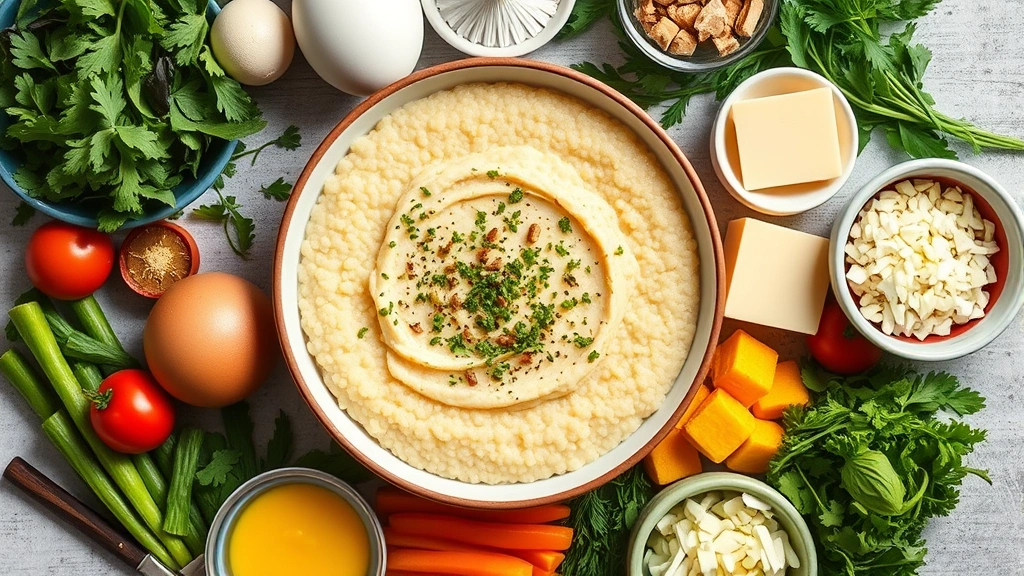
- Topping grits with sautéed vegetables like spinach, tomatoes, and bell peppers for added vitamins, minerals, and fiber
- Serving grits alongside protein sources such as grilled fish, lean poultry, or legumes to create complete proteins with all essential amino acids
- Incorporating healthy fats through olive oil drizzles or avocado additions rather than excessive butter
- Adding herbs and spices for flavor without additional calories or sodium
For individuals interested in optimizing their overall nutritional approach, our nutrition solutions section provides personalized guidance aligned with individual health objectives and dietary preferences.
Comparing Grits to Similar Foods
Understanding how grits compare nutritionally to similar grain products provides valuable context for dietary decision-making. Polenta, while often considered distinct, is essentially the same product—cornmeal cooked to a porridge consistency. The nutritional profiles are virtually identical, with cultural and textural differences being primary distinctions.
When compared to oatmeal, a common breakfast alternative, grits and oats present interesting contrasts. Oatmeal typically contains more fiber and slightly more protein per serving, while grits offer different micronutrient profiles reflecting their different grain sources. Both represent solid whole grain choices, with selection depending on personal preference, digestive tolerance, and specific nutritional goals.
Rice porridge (congee) offers similar caloric density and carbohydrate profiles to grits but may contain less fiber depending on preparation. Quinoa, while technically a seed rather than a grain, provides superior protein content and all essential amino acids, making it advantageous for those prioritizing protein intake.
Compared to refined grain products like white rice or white bread, grits made from whole grain cornmeal provide substantially more fiber and slower glucose absorption, supporting more stable blood sugar levels and improved satiety.
Understanding these comparisons, supported by research from Harvard School of Public Health’s Nutrition Source, helps individuals make informed grain selections aligned with their specific health objectives and preferences.
The relationship between dietary choices and overall wellness extends beyond individual foods. Our exploration of nutrition and mental health demonstrates how dietary patterns, including grain choices, influence cognitive function and emotional wellbeing.
FAQ
Are grits gluten-free?
Pure cornmeal grits are naturally gluten-free, making them suitable for individuals with celiac disease or gluten sensitivity. However, cross-contamination during processing can occur, so those with celiac disease should select products certified gluten-free by reputable third-party organizations.
How much sodium do grits contain?
Plain cooked grits prepared with water contain minimal sodium, typically less than 10 milligrams per cup. However, instant flavored grits packets often contain 400-500 milligrams of sodium per serving, representing significant amounts for those monitoring sodium intake. Preparing grits from plain cornmeal allows complete control over sodium content.
Can grits help with weight management?
Grits can support weight management when prepared thoughtfully. Their complex carbohydrates provide satiety without excessive calories, and their modest protein content contributes to fullness. However, traditional preparations with generous butter and cheese additions increase caloric density substantially. Portion control and mindful preparation methods are essential for weight management applications.
Are instant grits as nutritious as stone-ground grits?
While nutritionally similar in macronutrient composition, stone-ground grits retain slightly more fiber and nutrients due to less processing. The difference is modest, and instant grits remain a nutritious option for those prioritizing convenience. Choosing enriched instant grits ensures key vitamins and minerals are present.
What’s the best way to prepare grits for maximum nutrition?
Maximum nutritional benefit comes from using stone-ground or whole grain grits, cooking them with low-fat milk or broth for creaminess and added nutrients, and topping them with nutrient-dense additions like sautéed vegetables, lean proteins, and healthy fats. Limiting added butter and salt while emphasizing whole food toppings optimizes both nutrition and flavor.
Do grits spike blood sugar levels?
Grits’ complex carbohydrate composition means they digest more slowly than refined carbohydrates, resulting in more gradual blood sugar elevation compared to white bread or instant rice. However, individuals with diabetes should monitor portions and pair grits with protein and healthy fats to further moderate glycemic response.
How do grits fit into specific diets like keto or paleo?
Grits are not suitable for ketogenic diets due to their carbohydrate content. For paleo approaches, grits present a gray area, as some paleo practitioners exclude grains entirely while others incorporate properly prepared whole grains. Consulting with a healthcare provider or dietitian can clarify how grits fit your specific dietary framework.


