Is 93/7 Ground Beef Healthy? Expert Insight on Nutrition and Health Impact
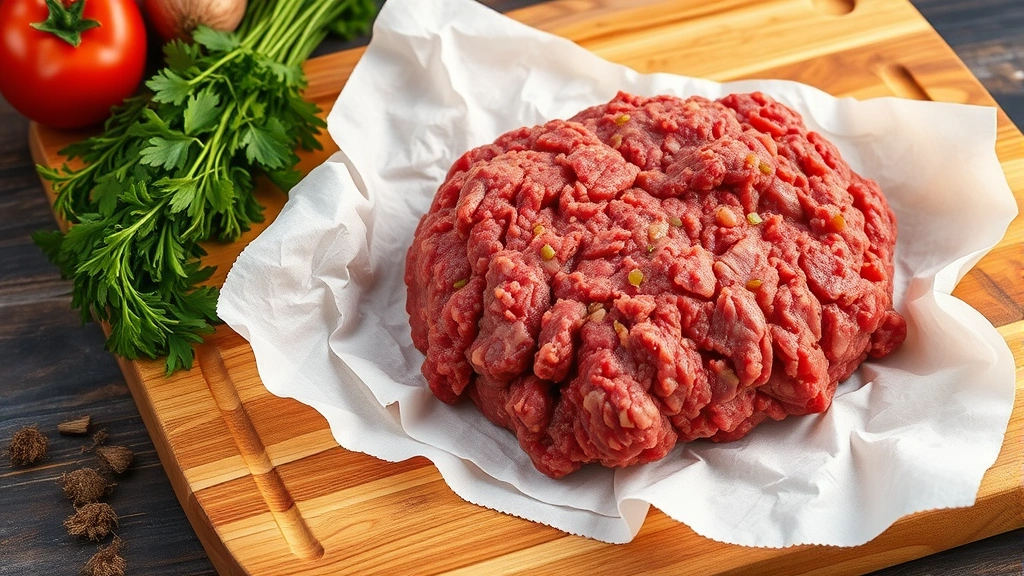
Ground beef remains one of America’s most consumed proteins, with the 93/7 lean-to-fat ratio representing a popular middle-ground option for health-conscious consumers. This specific blend—93% lean meat and 7% fat—has become increasingly prominent in grocery stores as people seek to balance taste, texture, and nutritional benefits. But does this ratio truly deliver on its health promises, or is it simply marketing savvy? Understanding the nutritional profile of 93/7 ground beef requires examining its composition, comparing it to other options, and considering how it fits into a broader healthy nutrition plan.
The rise of leaner ground beef reflects broader dietary trends influenced by cardiovascular health awareness and fitness culture. However, the relationship between fat content and health is more nuanced than simple percentages suggest. Factors like saturated versus unsaturated fats, micronutrient density, preparation methods, and portion sizes all significantly impact whether 93/7 ground beef deserves a place in your diet. This comprehensive analysis explores what the numbers actually mean and how to make informed choices about this versatile protein source.
Understanding 93/7 Ground Beef Composition
The 93/7 designation indicates that each serving contains 93% muscle tissue (lean meat) and 7% adipose tissue (fat). This labeling system, standardized by the USDA, helps consumers quickly identify the fat-to-lean ratio without requiring detailed nutritional analysis. However, this simple percentage masks considerable complexity in how beef is actually composed and processed.
When beef is ground, the process combines various muscle fibers and fat deposits throughout the cut. The 93/7 ratio represents an average, meaning some bites may contain slightly more fat while others are leaner. This distribution affects both cooking properties and nutritional outcomes. The grinding process itself can influence how effectively fat oxidizes during storage and cooking, potentially affecting the overall healthfulness of the final product.
The source meat for 93/7 ground beef typically comes from leaner cuts like sirloin, round, or chuck with excess fat trimmed away. Understanding these source cuts matters because different regions of the cow contain varying ratios of intramuscular fat (marbling) and subcutaneous fat. Expert nutritional analysis reveals that the quality of the remaining fat matters as much as quantity.
Nutritional Breakdown and Macronutrients
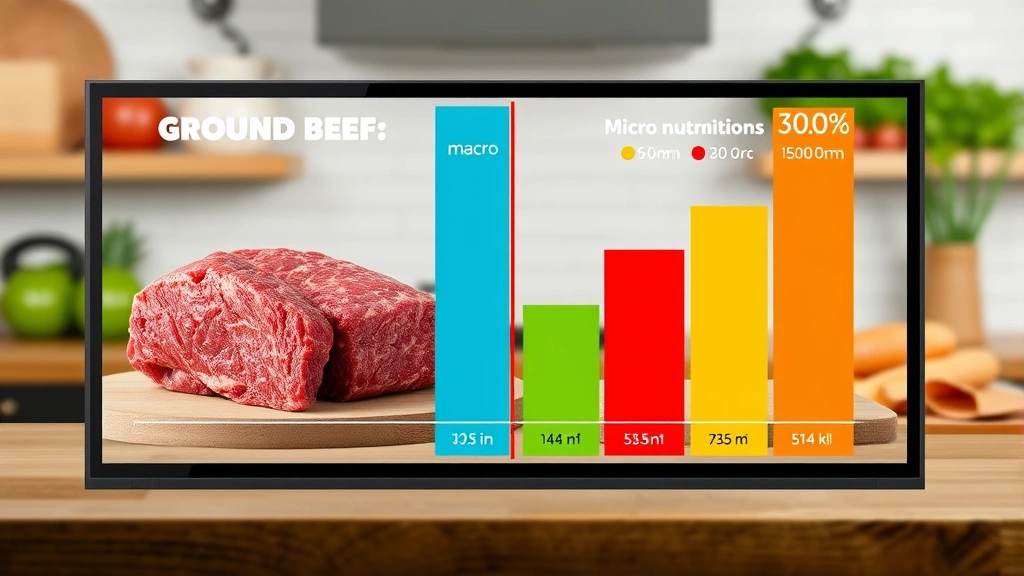
A standard 3.5-ounce (100-gram) serving of cooked 93/7 ground beef contains approximately:
- Protein: 24-26 grams—supporting muscle synthesis and satiety
- Fat: 7-8 grams total—providing essential fatty acids and fat-soluble vitamins
- Calories: 170-180 calories—relatively moderate for a protein source
- Carbohydrates: 0 grams—contributing to its appeal for low-carb diets
The protein content represents 93/7 ground beef’s strongest nutritional argument. At roughly 50% of calories from protein, it significantly exceeds the protein density of many plant-based alternatives and rivals chicken breast. This high protein concentration makes it particularly valuable for individuals focused on nutrition for athletic performance and muscle development.
The caloric efficiency of 93/7 ground beef compared to fattier options is notable. Compared to 80/20 ground beef, which contains around 290 calories per serving, the leaner 93/7 version saves roughly 110 calories per serving. Over a week of regular consumption, this difference compounds significantly, making it advantageous for individuals in caloric deficit.
However, macronutrient composition alone doesn’t determine healthfulness. The quality of those macronutrients, their biological availability, and how they interact with other dietary components all influence ultimate health outcomes.
Fat Content: The Complete Picture
The 7% fat content in 93/7 ground beef requires sophisticated analysis beyond simple percentage figures. Not all fats affect health identically, and completely eliminating fat from beef would actually reduce its nutritional value and bioavailability of certain vitamins.
Research from Pew Research Center’s dietary studies indicates that beef fat composition includes:
- Saturated Fat: Approximately 2.5-3 grams per serving (roughly 40% of total fat)
- Monounsaturated Fat: Approximately 3-3.5 grams per serving (roughly 45% of total fat)
- Polyunsaturated Fat: Approximately 0.3-0.5 grams per serving (roughly 5-7% of total fat)
This composition demonstrates that beef fat isn’t purely saturated. The monounsaturated fat content, similar to what’s found in avocados and other healthy fat sources, provides cardiovascular benefits. The ratio of unsaturated to saturated fat in 93/7 ground beef actually compares favorably to many perceived health foods.
Modern nutritional science has moved beyond the outdated model that all saturated fat is inherently harmful. The American Heart Association’s updated guidelines recognize that the overall dietary pattern, not individual saturated fat intake in isolation, most strongly predicts cardiovascular outcomes. Moderate consumption of 93/7 ground beef fits within recommended saturated fat limits for most adults.
The presence of some fat is actually beneficial. Fat-soluble vitamins like vitamin A, D, E, and K require dietary fat for absorption. The fat in ground beef facilitates absorption of these essential nutrients and enhances the bioavailability of iron, a critical nutrient in beef that supports oxygen transport and immune function.
Micronutrients and Health Benefits
Beyond macronutrient composition, 93/7 ground beef delivers impressive micronutrient density that often goes overlooked in simplified nutritional discussions. A 3.5-ounce serving provides:
- Iron: 2.6 mg (15% of daily value)—highly bioavailable heme iron crucial for energy and cognition
- Zinc: 5.5 mg (50% of daily value)—essential for immune function and wound healing
- Vitamin B12: 1.5 mcg (25% of daily value)—vital for neurological health and red blood cell formation
- Selenium: 19 mcg (35% of daily value)—powerful antioxidant supporting thyroid function
- Phosphorus: 200 mg (20% of daily value)—critical for bone health and energy metabolism
- Niacin: 5 mg (25% of daily value)—supports DNA repair and metabolic function
The heme iron in beef deserves particular emphasis. This form of iron, found only in animal products, has absorption rates of 15-35%, dramatically exceeding the 2-20% absorption rate of non-heme iron from plant sources. For individuals at risk of iron deficiency—including menstruating women, vegetarians transitioning to omnivorous diets, and those with certain absorption disorders—93/7 ground beef offers irreplaceable nutritional value.
Research on nutrition and mental health highlights the role of B vitamins and minerals in cognitive function. The B12 and zinc content in ground beef directly supports neurotransmitter synthesis and neurological protection, making it potentially beneficial for mood, memory, and overall cognitive performance.
The selenium content provides antioxidant protection through glutathione peroxidase, an enzyme that neutralizes free radicals and reduces inflammation throughout the body. This cellular-level benefit contributes to long-term disease prevention and healthy aging.
Comparison With Other Ground Beef Options
Understanding how 93/7 ground beef compares to alternatives illuminates whether it represents the optimal choice for different health goals and contexts.
93/7 vs. 80/20 Ground Beef
The 80/20 option contains roughly twice the fat (14% versus 7%), adding approximately 110 calories and 7 grams of additional fat per serving. For individuals in aggressive caloric deficit or with specific cardiovascular concerns, 93/7 offers measurable advantages. However, the additional fat in 80/20 enhances flavor, improves texture, and provides better browning during cooking. The culinary trade-off may matter significantly for meal satisfaction and long-term dietary adherence.
93/7 vs. 96/4 Ground Beef
Ultra-lean 96/4 ground beef contains only 4% fat, reducing calories to roughly 150 per serving. However, this extreme leanness often results in dry, less flavorful results unless carefully prepared with added moisture. The marginal caloric savings compared to 93/7 (30 calories per serving) rarely justifies the sacrifice in palatability for most consumers.
93/7 vs. Ground Poultry
Skinless chicken breast contains similar protein (26g per 3.5 oz) with only 3.6g fat and 165 calories. However, chicken lacks the iron density, B12 content, and mineral profile of beef. Chicken offers advantages for those specifically reducing red meat intake, but 93/7 beef provides superior micronutrient value per serving.
93/7 vs. Plant-Based Alternatives
Modern plant-based ground meat substitutes attempt to replicate beef’s nutritional profile, but comparisons reveal significant gaps. Most plant alternatives contain comparable calories and protein but lack the bioavailable iron, complete amino acid profile, and mineral density of actual beef. Additionally, many contain higher sodium levels and more processing than whole ground beef.
Health Considerations and Concerns
While 93/7 ground beef offers substantial nutritional benefits, several health considerations warrant discussion for informed decision-making.
Saturated Fat and Cardiovascular Health
The approximately 2.5-3 grams of saturated fat per serving fits comfortably within the American Heart Association’s recommendation of limiting saturated fat to 5-6% of daily calories (roughly 11-13 grams for a 2,000-calorie diet). Consuming 93/7 ground beef three times weekly provides only 7.5-9 grams of saturated fat from this source alone, leaving substantial room for other dietary components. Current evidence suggests that the saturated fat in lean beef, consumed as part of a balanced diet rich in vegetables and whole grains, does not significantly increase cardiovascular disease risk.
Sodium and Processing
Plain ground beef contains minimal sodium (roughly 75 mg per serving), making it compatible with low-sodium dietary approaches. However, many commercially ground beef products include additives, binders, or processing aids. Purchasing freshly ground beef from the butcher counter or grinding whole cuts at home provides maximum control over sodium and additive content.
Preparation Methods Matter Significantly
Cooking method substantially affects the final nutritional profile. High-heat methods like pan-frying can create advanced glycation end products (AGEs) and heterocyclic amines (HCAs), compounds associated with inflammation when consumed excessively. Lower-temperature cooking methods and inclusion of antioxidant-rich marinades mitigate these concerns.
Environmental and Ethical Considerations
Beef production carries higher environmental impact than many alternatives, including greater water usage, land requirements, and greenhouse gas emissions. Individuals prioritizing environmental sustainability may choose lower-frequency beef consumption while maintaining nutritional adequacy through diverse protein sources.
Best Practices for Preparation
Maximizing the health benefits of 93/7 ground beef requires thoughtful preparation strategies that preserve nutrients while minimizing potentially harmful compounds.
- Cook at Moderate Temperatures: Avoid charring surfaces. Target internal temperatures of 160°F (71°C) using lower-heat cooking methods like gentle simmering or lower-temperature oven cooking rather than high-heat searing.
- Include Antioxidant-Rich Ingredients: Cook ground beef with vegetables like onions, garlic, tomatoes, and bell peppers. These provide polyphenols that counteract oxidative stress from cooking.
- Drain Excess Fat Thoughtfully: While draining visible liquid fat reduces caloric content, retaining some fat enhances nutrient absorption and meal satisfaction. A balanced approach involves modest draining rather than complete fat removal.
- Marinate Before Cooking: Acid-based marinades using vinegar, citrus, or wine reduce HCA formation by up to 90% according to Nutrition Reviews research, while adding flavor and tenderness.
- Combine With Whole Grains and Vegetables: Balance ground beef dishes with fiber-rich carbohydrates and micronutrient-dense vegetables to improve overall nutritional density and glycemic response.
- Portion Control: Maintain servings around 3-4 ounces (85-113g) rather than oversized portions, allowing room for diverse foods within a balanced diet.
Integrating Into Your Diet
For most people, 93/7 ground beef fits healthfully into a balanced dietary pattern when consumption frequency and preparation methods align with overall health goals.
For Weight Management Goals
The high protein content (24-26g per serving) and relatively moderate caloric density make 93/7 ground beef an excellent protein choice for individuals pursuing weight loss. Protein’s superior satiety effect means ground beef-based meals suppress hunger more effectively than lower-protein alternatives, supporting adherence to caloric targets. Consuming 93/7 beef 2-3 times weekly provides substantial protein intake while maintaining dietary variety.
For Athletic Performance
Athletes requiring elevated protein intake for muscle development and recovery benefit significantly from 93/7 ground beef. The complete amino acid profile supports muscle protein synthesis, while the iron and zinc content enhance oxygen transport and recovery. Comprehensive athletic nutrition strategies commonly incorporate lean ground beef as a staple protein source.
For Cardiovascular Health
Individuals with existing cardiovascular disease or significant risk factors should consult healthcare providers about appropriate beef consumption frequency. For most people without contraindications, 93/7 ground beef can fit within heart-healthy dietary patterns that emphasize whole grains, vegetables, and healthy fats from diverse sources.
For Digestive Considerations
Some individuals experience digestive discomfort from high-fat meats. The relatively lean nature of 93/7 beef makes it more digestible than fattier options. Those concerned about digestive health should focus on thorough chewing, adequate hydration, and preparation methods that support digestive function.
Sample Integration Approaches
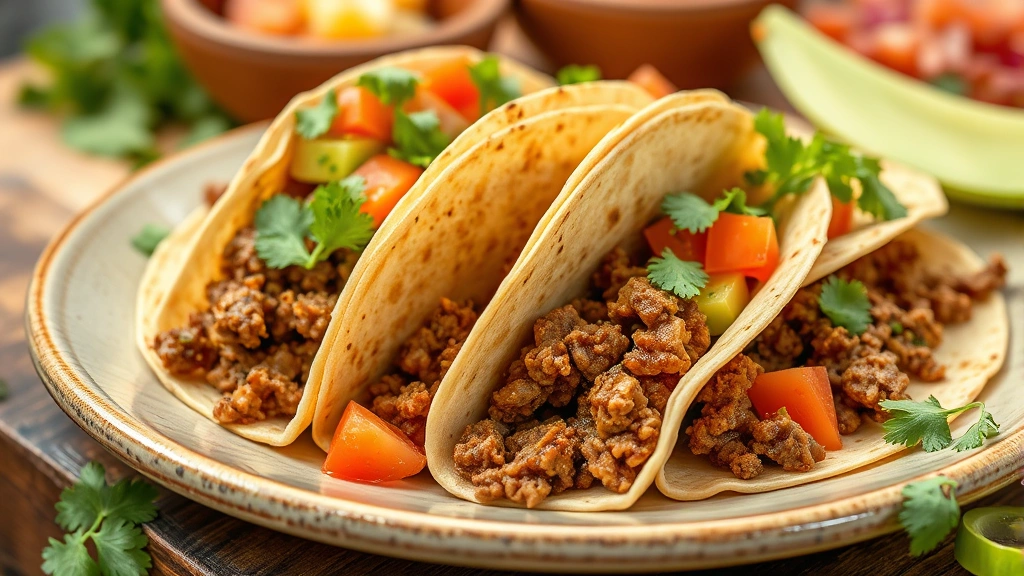
- Tacos: 3 oz ground beef with whole wheat tortillas, salsa, lettuce, tomatoes, and avocado
- Bolognese: Ground beef simmered with vegetables and whole grain pasta, providing fiber and micronutrients
- Chili: Ground beef combined with beans, tomatoes, and spices—creating complementary amino acid profiles and enhanced fiber
- Lettuce Wraps: Ground beef as protein-dominant meals for lower-carbohydrate approaches
- Meatballs: Combined with whole grains and vegetables for nutrient density
FAQ
Is 93/7 ground beef actually healthy?
Yes, 93/7 ground beef qualifies as healthy when consumed in appropriate portions as part of a balanced diet. Its high protein content, impressive micronutrient density, and favorable macronutrient ratio support multiple health goals. The key factors determining healthfulness involve preparation methods, portion sizes, and overall dietary patterns rather than the ground beef itself.
How often should I eat 93/7 ground beef?
Most health guidelines support consuming 93/7 ground beef 2-3 times weekly as part of diverse protein intake. This frequency provides substantial nutritional benefits while maintaining dietary diversity and accommodating other protein sources like poultry, fish, legumes, and plant-based options.
Does 93/7 ground beef contain too much saturated fat?
No. With approximately 2.5-3 grams of saturated fat per serving, 93/7 ground beef fits comfortably within recommended saturated fat limits. Additionally, roughly 45% of beef fat comprises heart-healthy monounsaturated fats, making the overall fat profile more balanced than commonly assumed.
Can I eat 93/7 ground beef if I’m trying to lose weight?
Absolutely. The high protein content (supporting satiety), moderate caloric density (170-180 calories per serving), and zero carbohydrate content make 93/7 ground beef an excellent choice for weight loss. Its nutrient density also prevents micronutrient deficiencies that can occur during caloric restriction.
How does 93/7 ground beef compare to chicken breast?
While chicken breast contains similar protein with slightly fewer calories, 93/7 ground beef provides superior iron bioavailability, higher zinc content, and complete vitamin B12 (absent in plant sources). The choice depends on individual preferences and dietary diversity, but ground beef offers distinct nutritional advantages.
What cooking methods preserve the most nutrition?
Gentle simmering, lower-temperature oven cooking, and slow cooking preserve more nutrients than high-heat searing. Marinating before cooking (especially with acid-based marinades) reduces harmful compound formation while enhancing flavor. Cooking with vegetables amplifies antioxidant content of the final dish.
Is grass-fed 93/7 ground beef healthier than conventional?
Grass-fed beef contains slightly higher omega-3 fatty acids and conjugated linoleic acid (CLA), compounds with potential anti-inflammatory benefits. However, the differences are modest, and both conventional and grass-fed 93/7 beef offer substantial nutritional value. The choice may depend on budget, environmental values, and personal preferences rather than significant health differentiation.


