Habit Burger Nutrition: A Dietitian’s Comprehensive Analysis of Menu Choices
Habit Burger has emerged as a popular fast-casual dining destination, particularly among health-conscious consumers seeking customizable burger options. The chain’s emphasis on fresh ingredients and transparency around nutritional content has positioned it favorably compared to traditional fast-food competitors. However, understanding the nutritional landscape of their menu requires careful examination of calorie counts, macronutrient distribution, and ingredient quality to make informed dietary choices.
As a registered dietitian, analyzing Habit burger nutrition information reveals both opportunities and challenges for different dietary goals. Whether you’re tracking calories for weight management, monitoring sodium intake for heart health, or seeking protein-rich options for muscle building, this guide provides evidence-based insights into navigating their menu strategically. The burger-centric model allows for significant customization, which can either work in your favor or against your nutritional objectives depending on how you approach ordering.
Understanding Habit Burger’s Nutritional Framework
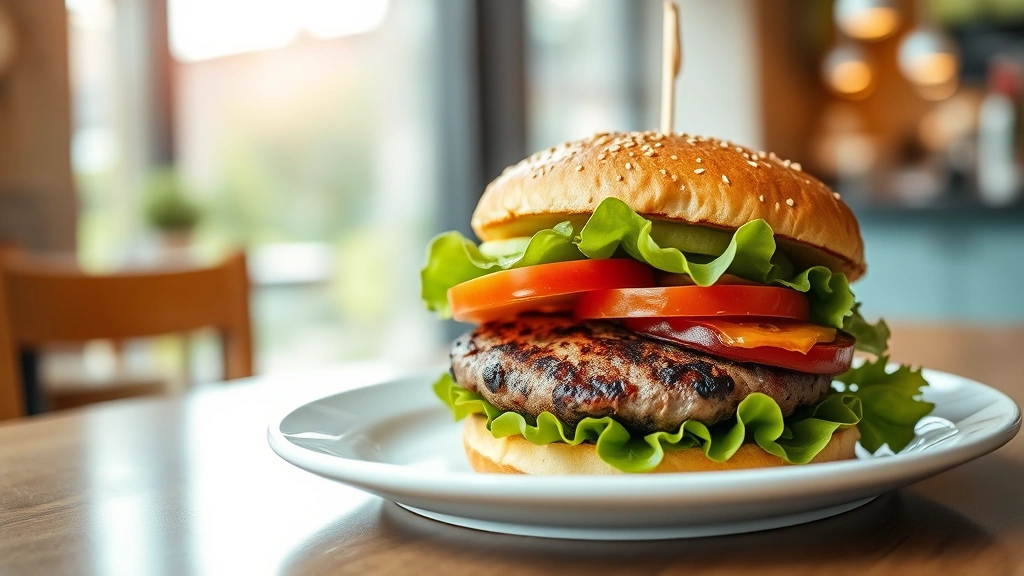
Habit Burger positions itself as a “better burger” restaurant, emphasizing chargrilled beef cooked fresh daily without freezing. This approach differs significantly from major chains, potentially affecting nutritional profiles through cooking methods and ingredient sourcing. The restaurant provides detailed nutritional information for all menu items, making it easier for diners to make informed choices compared to establishments with limited transparency.
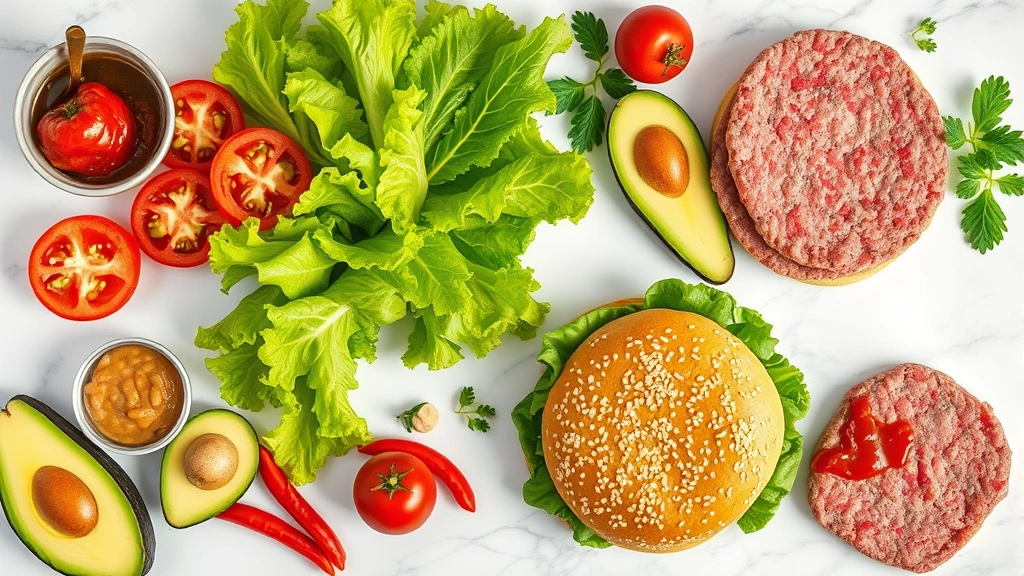
The foundation of any Habit burger begins with their beef patties, available in single or double configurations. Understanding the baseline nutrition before customization is essential. A single chargrilled beef patty contains approximately 240-260 calories and 19-21 grams of protein, making it a reasonable protein source. However, the complete burger experience involves buns, condiments, and toppings that significantly impact the final nutritional profile. Our healthy nutrition plan guide emphasizes understanding baseline ingredients before building complete meals.
What distinguishes Habit from competitors is their commitment to fresh produce and limited processing. Their lettuce, tomatoes, and onions are prepared fresh daily, and they offer premium toppings like avocado at reasonable upcharges. This focus on ingredient quality matters nutritionally because whole foods provide superior nutrient density and satiety compared to processed alternatives. When examining nutrition facts about avocados, you’ll discover they’re calorie-dense but nutrient-rich, making them valuable additions to burger meals for heart health and sustained energy.
Calorie Content Across Menu Items
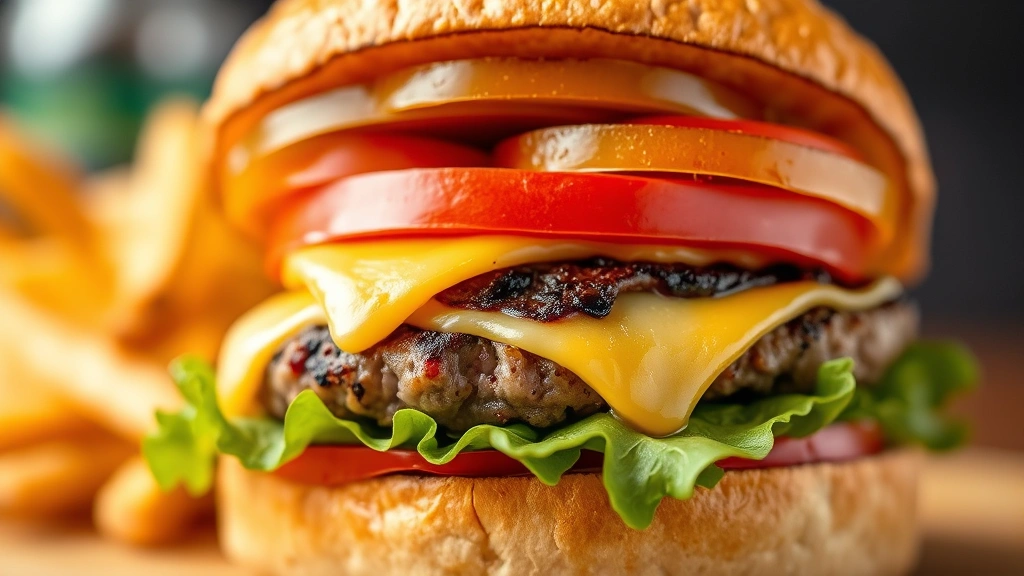
Calorie counts vary dramatically across Habit’s burger offerings, ranging from approximately 400 calories for their Charburger (single patty, standard toppings) to over 800 calories for loaded specialty burgers with multiple patties and premium additions. The standard Charburger with lettuce, tomato, onion, and pickles provides a baseline around 420-440 calories, making it suitable for moderate-calorie meal planning.
Their most popular item, the Charburger with cheese, adds approximately 80-100 calories and 6-7 grams of fat, elevating the total to roughly 500-540 calories. Double patty versions nearly double the calorie content, reaching 700-750 calories before condiments. Specialty items like the Charburger with Tempura Green Beans exceed 600 calories due to the fried vegetable preparation method.
For context, according to dietary guidelines, a single meal should typically comprise 25-35% of daily caloric intake for a 2000-calorie diet, suggesting 500-700 calories as an appropriate range. Many Habit burgers fall within this window, particularly when paired with appropriate sides and beverages. However, portion awareness remains critical, as adding fries and sugary drinks can easily push totals to 1000+ calories.
The restaurant’s commitment to ingredient transparency extends to calorie information, which is federally required for chain restaurants but varies in accessibility. Habit provides this information readily, enabling data-driven ordering decisions.
Protein and Macronutrient Breakdown
Protein content represents one of Habit Burger’s nutritional strengths. A single patty Charburger provides 25-28 grams of protein, while double patty versions exceed 40 grams. This protein density makes Habit burgers particularly valuable for individuals pursuing muscle development, recovery from exercise, or maintaining satiety throughout the day. Research from the National Institute on Aging suggests adequate protein intake supports muscle preservation and metabolic function across all life stages.
Fat content typically ranges from 18-25 grams for standard burgers, with saturated fat comprising 7-10 grams. While this saturated fat content warrants awareness for those monitoring cardiovascular risk, the presence of beneficial monounsaturated fats from beef and optional avocado additions provides nutritional complexity. Understanding macronutrient balance relates directly to our guide on how to improve nutrient absorption, as adequate fat consumption facilitates absorption of fat-soluble vitamins.
Carbohydrate content varies primarily based on bun selection. Standard sesame seed buns contain approximately 40-45 grams of carbohydrates, while lettuce wrap alternatives reduce this to near zero. For individuals managing blood sugar or following low-carbohydrate dietary patterns, requesting lettuce wraps transforms the nutritional profile dramatically. Habit’s willingness to accommodate such requests enhances their utility for specialized diets.
The protein-to-calorie ratio (approximately 1 gram protein per 15-18 calories) positions Habit burgers favorably compared to many fast-casual alternatives, supporting satiety and reducing overall caloric intake when portion-controlled.
Sodium and Heart Health Considerations
Sodium content presents the most significant nutritional concern across Habit’s menu. A single Charburger typically contains 700-900 milligrams of sodium, representing 30-39% of the recommended daily intake according to American Heart Association guidelines. When combined with typical sides and beverages, a complete meal easily exceeds 1500 milligrams, approaching the full recommended daily maximum of 2300 milligrams.
This sodium concentration derives from multiple sources: beef patties naturally contain sodium, buns contain added salt, condiments (particularly pickles and special sauces) contribute significantly, and cheese additions increase sodium further. Individuals managing hypertension or pursuing cardiovascular health optimization should approach Habit burgers cautiously and consider sodium-reduction strategies.
Practical sodium reduction techniques include requesting burgers without pickles (approximately 200 mg sodium reduction), choosing mustard over special sauce (100+ mg reduction), and avoiding cheese unless essential. These modifications can reduce sodium content by 30-40% while maintaining palatability. Our comprehensive guide on nutrition and mental health emphasizes how dietary patterns, including sodium intake, influence overall physiological function.
For context, the USDA and FDA recommend sodium intake below 2300 mg daily for healthy adults, yet average Americans consume 3400+ mg daily, with fast-casual dining representing a significant contributor to this excess. Making strategic choices at establishments like Habit becomes crucial for long-term cardiovascular health.
Customization Strategies for Better Nutrition
Habit Burger’s customization-friendly approach enables significant nutritional optimization. Unlike traditional fast-food chains with limited flexibility, Habit encourages modifications that can substantially improve nutritional profiles. Building your ideal burger requires understanding how each component affects overall nutrition.
Start with protein selection: single patty burgers (240-260 calories, 19-21g protein) work well for moderate-calorie goals, while double patties suit higher-calorie needs or intense athletic training. Charburgers use fresh beef without added fillers, ensuring protein quality. Next, consider bun alternatives: standard sesame adds 40-45g carbs, while lettuce wraps eliminate bun carbs entirely, reducing total calories by 80-100.
Vegetable additions multiply nutritional benefits without excessive calorie increases. Lettuce and tomato add vitamins, minerals, and fiber with minimal calories. Avocado represents an upgraded topping choice, adding approximately 120-140 calories but providing heart-healthy monounsaturated fats, potassium, and fiber. Our detailed analysis of nutrition facts about avocados demonstrates their role in supporting cardiovascular health and nutrient absorption.
Condiment selection dramatically impacts sodium and calorie content. Mustard (3-5 calories, 55 mg sodium) vastly outperforms special sauce (100+ calories, 200+ mg sodium). Requesting no pickles eliminates 200+ mg sodium without nutritional loss. These seemingly minor modifications compound significantly across the entire meal.
Beverage choices represent another critical customization opportunity. Replacing sugary soft drinks with unsweetened iced tea, water, or black coffee eliminates 200-300 calories and 50-65 grams of added sugar. This single change reduces meal calories to 600-700 range while eliminating liquid sugar’s negative metabolic effects.
Comparing Habit to Competitors
Comparing Habit Burger to major competitors reveals meaningful nutritional distinctions. Traditional fast-food chains like McDonald’s and Burger King employ frozen patties, higher sodium levels, and limited customization options. Habit’s fresh beef approach and customization flexibility provide advantages for health-conscious consumers.
Five Guys, another fast-casual competitor, offers fresh beef but typically higher calorie burgers (700-850 calories for standard items) and limited vegetable options compared to Habit. In-N-Out Burger provides lower-calorie options (390-480 calories for standard burgers) but offers less customization and fewer vegetable selections than Habit.
Shake Shack positions itself as premium fast-casual but delivers similar calorie counts to Habit with higher price points. Wendy’s offers fresh beef burgers at lower prices but with less customization capability. From a nutritional standpoint, Habit occupies a favorable position: fresh ingredients, reasonable calorie counts, extensive customization, and transparent nutrition information.
The sustainability angle also matters nutritionally. Habit’s commitment to fresh, local sourcing when possible supports nutrient density compared to heavily processed competitors. This connects directly to our tips for meal planning, which emphasize prioritizing whole foods and ingredient quality for optimal nutrition.
Building a Balanced Meal
Constructing a nutritionally balanced meal at Habit requires strategic component selection. A balanced approach targets approximately 500-700 calories, 25-35g protein, 20-30g fat, and 40-50g carbohydrates while minimizing excess sodium.
Recommended balanced meal structure:
- Burger base: Single patty Charburger with lettuce wrap (saves 80-100 calories and 40g carbs compared to standard bun)
- Protein: Beef patty provides 19-21g; cheese addition adds 6-7g additional protein
- Vegetables: Lettuce, tomato, onion, avocado (adds nutrients, fiber, healthy fats)
- Condiments: Mustard only (minimal calories, reduced sodium)
- Side: Grilled vegetables or salad instead of fries (adds nutrients, fiber, reduces calories)
- Beverage: Unsweetened iced tea or water (eliminates liquid sugar)
This configuration delivers approximately 550-600 calories, 28-32g protein, 22-26g fat, and 20-25g carbohydrates while keeping sodium under 800 mg. This approach suits weight management, athletic recovery, and general health optimization.
For higher-calorie needs (athletic training, muscle building), add a double patty burger and regular fries, reaching 1000-1100 calories with 40-45g protein. For lower-calorie goals (1200-1500 calorie daily targets), single patty with lettuce wrap and vegetable sides maintains nutritional adequacy while supporting weight loss.
FAQ
How many calories are in a Habit Burger Charburger?
A standard Charburger with single patty, lettuce, tomato, onion, and pickles contains approximately 420-440 calories. Adding cheese increases this to 500-540 calories. Variations based on condiments and toppings can shift totals by 50-150 calories.
Is Habit Burger good for weight loss?
Habit Burger can support weight loss when approached strategically. Single patty burgers with lettuce wraps, vegetable sides, and water or unsweetened beverages provide satisfying meals under 600 calories. The high protein content (25-28g per burger) promotes satiety, reducing overall caloric consumption. However, portion control and customization remain essential; loaded burgers with fries and sugary drinks can easily exceed 1200 calories.
What’s the best low-carb option at Habit?
Requesting a lettuce wrap instead of the standard bun reduces carbohydrates from 40-45g to near zero. Pair this with a single or double patty burger, cheese if desired, and vegetable toppings. This modification creates a keto-friendly meal under 400 calories (single patty) or 600-650 calories (double patty) with minimal carbohydrates.
How much sodium is in Habit Burger meals?
Standard burgers contain 700-900 mg sodium, representing 30-39% of recommended daily intake. Complete meals with sides and beverages easily reach 1500+ mg. Reducing sodium involves requesting no pickles (saves 200 mg), choosing mustard over special sauce (saves 100+ mg), and avoiding cheese when possible.
Does Habit offer vegetarian options?
While Habit specializes in burgers, vegetarian customization is possible through requests for vegetable-only sandwiches on buns or lettuce wraps. However, their menu lacks dedicated vegetarian proteins like plant-based patties, making them less ideal for vegetarian diets compared to competitors with explicit plant-based offerings.
How does Habit compare nutritionally to Five Guys?
Habit typically offers lower-calorie burgers (420-540 calories standard) compared to Five Guys (700-850 calories standard). Habit provides more extensive fresh vegetable options and customization flexibility. Five Guys emphasizes higher-quality beef and hand-cut fries but with less nutritional optimization capability. Both use fresh beef, but Habit edges ahead for health-conscious consumers.
What’s the protein content in Habit burgers?
Single patty burgers provide 25-28g protein, while double patties deliver 40-45g protein. Adding cheese increases protein by 6-7g. These protein levels rank favorably among fast-casual burger establishments, supporting muscle maintenance, recovery, and satiety.


