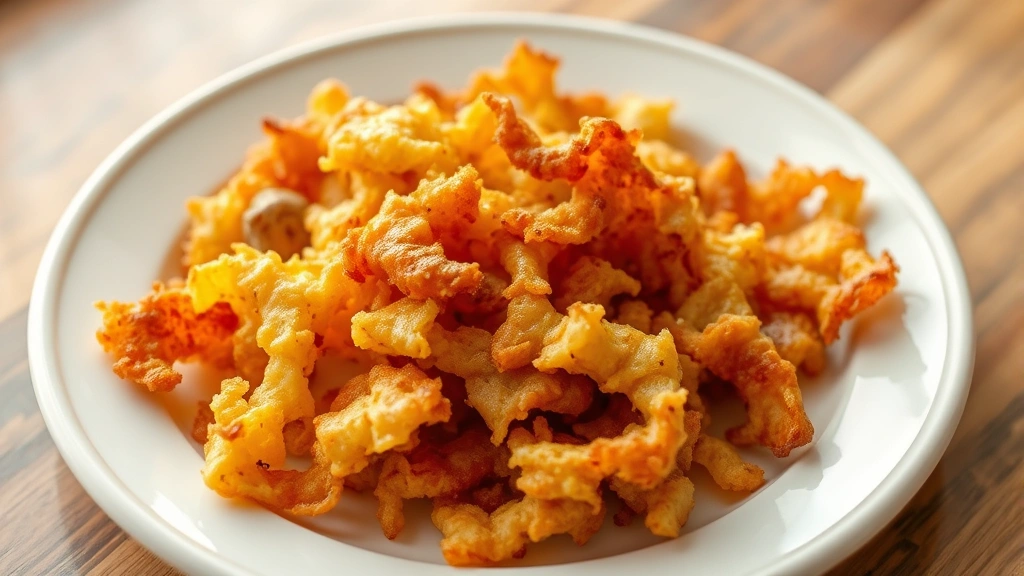
Hash Brown Nutrition Facts: Dietitian Insights on Calories, Fats, and Healthier Preparations
Hash browns have become a breakfast staple across diners, fast-food chains, and home kitchens worldwide. Whether you’re ordering them at your favorite restaurant or preparing them at home, understanding the nutritional composition of this beloved comfort food is essential for making informed dietary choices. As a registered dietitian, I’ve fielded countless questions about hash brown nutrition, and the answers are more nuanced than many realize. The way hash browns are prepared, their portion size, and the ingredients used can dramatically affect their caloric content and nutritional value.
This comprehensive guide breaks down everything you need to know about hash brown nutrition facts, including detailed breakdowns of calories, macronutrients, micronutrients, and practical strategies for enjoying them as part of a balanced diet. Whether you’re tracking macros, managing weight, or simply curious about what you’re eating, this analysis will provide evidence-based insights to guide your breakfast decisions.
Hash Brown Nutrition Facts: Complete Breakdown
A standard serving of hash browns—typically one cup or about 155 grams—contains approximately 340-380 calories, though this figure varies significantly based on preparation method. The nutritional profile of hash browns is primarily influenced by the cooking fat, portion size, and any added ingredients like cheese or bacon bits. According to the American Heart Association, understanding these baseline numbers helps consumers make conscious choices about their daily intake.
Traditional hash browns prepared by pan-frying in butter or oil contain roughly 17-20 grams of fat per serving, with saturated fat accounting for approximately 3-5 grams. The carbohydrate content is substantial, ranging from 35-45 grams per serving, with about 3-4 grams of dietary fiber. Protein content is relatively modest at 3-4 grams, making hash browns more of a carbohydrate and fat-focused food rather than a protein source. Sodium levels can be concerning, particularly in restaurant versions, which often contain 400-600 milligrams of sodium per serving.
The glycemic index of hash browns is moderate to high, meaning they can cause a relatively quick spike in blood sugar levels. This is particularly important for individuals managing diabetes or prediabetes. The American Diabetes Association recommends pairing high-glycemic foods like hash browns with protein and fiber to moderate blood sugar response.

Calories and Macronutrients Explained
When examining the caloric content of hash browns, context matters enormously. A small serving of home-fried hash browns using minimal oil might contain only 200-250 calories, while deep-fried versions at restaurants can exceed 450-500 calories. The difference lies primarily in cooking method and oil absorption. Understanding macronutrient distribution helps explain why hash browns feel satisfying despite their caloric density.
Fat comprises approximately 45-50% of hash brown calories, carbohydrates account for 40-45%, and protein represents only 5-10%. This macronutrient profile makes hash browns energy-dense but not particularly satiating when consumed alone. Research from Nutrition Reviews indicates that foods high in refined carbohydrates and fats without adequate protein often leave people hungry shortly after eating, potentially leading to overconsumption.
The fat in hash browns deserves special attention. While total fat content is significant, the type of fat matters. Hash browns cooked in vegetable oil contain primarily polyunsaturated and monounsaturated fats, which are more heart-healthy than saturated fats. However, many restaurants use partially hydrogenated oils or solid fats high in saturated fat. Deep-frying introduces additional concerns, as the high-heat cooking process can create trans fats and advanced glycation end products (AGEs), compounds associated with inflammation and chronic disease.
Carbohydrate quality in hash browns is another consideration. White potatoes, the primary ingredient, are starchy vegetables with minimal fiber. The carbohydrates are primarily simple starches that digest quickly, spiking blood glucose. Adding fiber through dietary fiber sources to your meal can moderate this effect.
Micronutrients and Vitamins in Hash Browns
Beyond macronutrients, hash browns provide several micronutrients, though typically in modest amounts. Potatoes are naturally good sources of potassium, vitamin B6, and vitamin C, though cooking methods can affect bioavailability. A typical serving of hash browns provides approximately 10-15% of the daily value for potassium, an essential mineral for heart health and blood pressure regulation.
Vitamin B6 is present in hash browns at levels around 8-12% of daily value, supporting nervous system function and amino acid metabolism. However, the vitamin C content is substantially reduced through cooking, with home-prepared hash browns retaining only about 20-30% of raw potato’s vitamin C content. This is because vitamin C is heat-sensitive and leaches into cooking fats and water.
Hash browns contain minimal amounts of calcium and iron, making them a poor choice for meeting mineral needs. The manganese content is more notable, with one serving providing approximately 15-20% of daily value. Manganese supports bone health and metabolic function. However, when considering hash browns within the broader context of a healthy nutrition plan, they should be balanced with more micronutrient-dense foods.
The antioxidant profile of hash browns depends heavily on potato variety and preparation. Colored potatoes (purple, red, blue) contain anthocyanins and other polyphenols with antioxidant properties, but most restaurants use standard white or russet potatoes with minimal phytonutrient content. The cooking process, particularly high-heat frying, can also degrade heat-sensitive antioxidants.
Restaurant vs. Homemade Hash Browns
The nutritional difference between restaurant and homemade hash browns can be dramatic. Restaurant hash browns, particularly those from fast-food chains, are often prepared with industrial cooking oils, excessive sodium, and sometimes additional ingredients like dextrose or sodium phosphate for texture and preservation. A McDonald’s hash brown, for example, contains 150 calories and 9 grams of fat, but significantly more sodium than homemade versions.
Diner hash browns tend to be larger and cooked with more fat, potentially containing 400-500 calories per serving. Breakfast buffet hash browns vary wildly depending on the establishment, but many sit under heat lamps for extended periods, potentially increasing oxidative stress in the food. The FDA provides guidelines on food safety for restaurants, but individual preparation practices vary considerably.
Homemade hash browns offer superior control over ingredients and cooking methods. Preparing them with minimal oil, using quality potatoes, and controlling sodium through seasoning choices can reduce caloric content to 150-200 calories per serving while improving nutritional quality. You can also incorporate vegetables like bell peppers, onions, or spinach to increase fiber and micronutrient density.
The cooking method makes an enormous difference in the final nutritional profile. Pan-frying in a non-stick skillet with just 1-2 teaspoons of olive oil produces hash browns with approximately half the fat of traditional fried versions. Air-frying has emerged as another excellent option, producing crispy hash browns with minimal oil while reducing caloric content significantly.
Healthier Preparation Methods
If you enjoy hash browns but want to minimize nutritional drawbacks, several preparation strategies can help. First, consider potato selection. Using smaller potatoes with thinner skin-to-flesh ratios reduces the carbohydrate-to-fiber ratio slightly. Sweet potatoes offer higher fiber content (approximately 3.9 grams per 100 grams compared to 2.1 grams in white potatoes) and a lower glycemic index, making them an excellent alternative.
Cooking method selection is perhaps the most impactful change. Air-frying produces crispy hash browns using just 1-2 teaspoons of oil per serving, reducing fat content by 60-70% compared to traditional pan-frying. The Maillard reaction still occurs, creating the desirable browning and flavor without excessive oil. Baking hash browns at 425°F after tossing with minimal oil and seasoning is another viable option, though they won’t achieve the same crispiness.
Vegetable incorporation transforms hash browns from a simple starch into a more balanced dish. Shredding zucchini, bell peppers, or mushrooms and mixing them with potatoes increases fiber, reduces the carbohydrate density, and adds micronutrients. A 50-50 potato-to-vegetable ratio can reduce calories by 15-20% while substantially improving nutritional value. This aligns with principles discussed in our guide on nutrition for athletes, where nutrient density is paramount.
Seasoning choices matter more than most people realize. Using herbs like rosemary, thyme, and garlic powder instead of salt reduces sodium intake without sacrificing flavor. Nutritional yeast adds a savory umami flavor with additional B vitamins and protein. Black pepper and cayenne add flavor without calories while potentially providing antioxidant benefits.
Pairing hash browns strategically amplifies nutritional benefits. Serving them alongside eggs provides additional protein and choline, improving satiety and reducing blood sugar spikes. Adding avocado contributes healthy fats, fiber, and potassium. Fresh fruit or a small salad with vinaigrette adds vitamins, minerals, and additional fiber. This balanced meal composition is more aligned with nutrition facts about avocados and other whole foods.
Hash Browns and Weight Management
For individuals focused on weight loss or weight management, hash browns present a challenge. Their high caloric density (approximately 220 calories per 100 grams) combined with modest protein and fiber content makes them easy to overeat. The combination of refined carbohydrates and fat triggers dopamine release in the brain’s reward centers, promoting continued consumption even when caloric needs are met.
However, complete elimination isn’t necessary. Portion control and strategic pairing can allow hash browns to fit within weight management goals. A reasonable serving size is approximately half cup (about 75 grams), which provides roughly 170 calories. This smaller portion, paired with eggs and vegetables, creates a balanced breakfast around 350-400 calories that promotes satiety for several hours.
The satiety index—a measure of how filling foods are relative to calories—is moderate for hash browns. This means they don’t satisfy hunger as effectively as foods high in protein or fiber. Research indicates that adding just 10-15 grams of protein to a hash brown meal substantially improves satiety and reduces subsequent snacking. This could be achieved through eggs, Greek yogurt, cottage cheese, or legumes.
Glycemic impact also influences weight management success. Foods that spike blood sugar rapidly can trigger hunger and cravings within 2-3 hours. Choosing preparation methods that preserve fiber, incorporating vegetables, and pairing hash browns with protein and healthy fats all moderate glycemic response and support more stable energy levels throughout the morning.
For individuals with metabolic concerns, the National Institutes of Health provides evidence-based guidance on managing nutrition for weight and metabolic health. Hash browns can be incorporated occasionally when prepared with attention to portion size and nutritional balance.
Dietary Considerations and Allergies
Hash browns are naturally free from common allergens like nuts, dairy, shellfish, and soy, making them generally suitable for those with these allergies. However, cross-contamination in restaurant settings is a significant concern. Many restaurants cook hash browns in shared fryers with other foods, potentially introducing allergen traces. Those with severe allergies should inquire about preparation methods and dedicated cooking surfaces.
Gluten sensitivity is rarely an issue with hash browns made from pure potatoes, but some commercial preparations include additives or are cooked in facilities processing gluten. Always verify that hash browns are certified gluten-free if celiac disease or non-celiac gluten sensitivity is a concern. Additionally, some restaurants dust hash browns with flour for texture, which introduces gluten.
For those following specific diets, hash browns require consideration. Ketogenic diets must account for hash browns’ carbohydrate content—approximately 35-45 grams per serving exceeds typical daily keto carb limits. Paleo diets are generally compatible with hash browns made from potatoes and healthy cooking fats, though some strict paleo practitioners minimize potato consumption due to their starch content and potential for gut irritation in sensitive individuals.
Individuals with nutrition and mental health concerns should note that high-glycemic meals can affect mood and energy stability. The blood sugar spike from hash browns followed by a crash can exacerbate mood swings and anxiety in sensitive individuals. Balancing them with protein and healthy fats provides more stable energy and mood support.
Sodium content is particularly important for those managing hypertension or heart disease. Restaurant hash browns often contain 400-600 milligrams of sodium per serving—25-40% of the daily recommended intake. The American Heart Association recommends limiting sodium to 2,300 milligrams daily, with an ideal limit of 1,500 milligrams. Homemade versions allow complete control over sodium content, typically reducing it to 100-200 milligrams per serving.
FAQ
How many calories are in a typical serving of hash browns?
A standard one-cup serving (approximately 155 grams) of hash browns contains 340-380 calories when pan-fried. This varies based on cooking method: air-fried versions contain approximately 200-250 calories, while deep-fried restaurant versions can exceed 450-500 calories. Fast-food hash browns are typically smaller and contain 150-200 calories per serving.
Are hash browns healthy?
Hash browns provide some nutritional benefits, including potassium, vitamin B6, and carbohydrates for energy. However, they’re calorie-dense, high in fat, and made from refined carbohydrates that spike blood sugar. They’re best enjoyed occasionally as part of a balanced meal rather than as a dietary staple. Healthier preparation methods like air-frying and vegetable incorporation can improve their nutritional profile significantly.
Do hash browns have protein?
Hash browns contain minimal protein—typically only 3-4 grams per serving. This limited protein content means they won’t support muscle maintenance or repair effectively and contribute modestly to satiety. Pairing hash browns with protein sources like eggs, Greek yogurt, or sausage substantially improves the meal’s nutritional value and satiety.
Can you eat hash browns on a diet?
Yes, hash browns can fit into a weight management diet when portion-controlled and paired strategically. Limiting serving size to approximately half cup, choosing air-fried or baked preparations, and combining them with protein and vegetables creates a balanced meal that fits within caloric goals while promoting satiety and stable blood sugar.
What’s the difference between hash browns and home fries?
Hash browns are made from shredded or finely chopped potatoes pressed into a patty or loose mixture, creating a crispy exterior and tender interior. Home fries are typically larger potato chunks or wedges. Hash browns are more calorie-dense due to their higher surface-area-to-volume ratio, which increases oil absorption during cooking. Home fries generally contain fewer calories and slightly more fiber due to retained skin.
Are sweet potato hash browns healthier?
Yes, sweet potato hash browns offer nutritional advantages over white potato versions. Sweet potatoes contain approximately 40% more fiber, higher beta-carotene content (converted to vitamin A), and a lower glycemic index. They provide approximately 86 calories per 100 grams compared to 77 calories for white potatoes, but the improved fiber and nutrient density makes them a superior choice nutritionally.
How much sodium is in restaurant hash browns?
Restaurant hash browns typically contain 400-600 milligrams of sodium per serving, representing 17-26% of the daily recommended intake. Fast-food versions are often lower at 200-350 milligrams due to smaller portions. Homemade versions can contain as little as 50-100 milligrams when prepared without added salt.


