Hawaiian Bros Menu: Dietitian’s Nutritional Insight
Hawaiian Bros has rapidly expanded across the United States, capturing the casual dining market with its vibrant acai bowls, fresh poke, and tropical-inspired beverages. As a dietitian-reviewed resource, understanding the nutritional landscape of this popular chain becomes increasingly important for health-conscious consumers navigating modern food choices. This comprehensive analysis examines Hawaiian Bros’ menu offerings through a nutritional lens, helping you make informed decisions that align with your dietary goals.
The brand’s appeal lies in its fresh, customizable approach to Hawaiian cuisine. However, like many fast-casual restaurants, Hawaiian Bros presents both nutritional opportunities and challenges. Some menu items deliver exceptional nutrient density, while others—particularly when customized with premium toppings and sweetened sauces—can quickly exceed daily caloric and sugar recommendations. This guide dissects the menu to reveal which items support wellness goals and which require mindful portion control.
Understanding Hawaiian Bros’ Nutritional Foundation
Hawaiian Bros positions itself within the nutrition information landscape as a health-forward alternative to traditional fast food. The chain emphasizes fresh ingredients, minimal processing, and customizable portions—all positive indicators for nutritional quality. However, the reality becomes more nuanced when examining specific menu items and standard preparation methods.
The restaurant’s core ingredients—acai berries, fresh fish, tropical fruits, and granola—contain genuine nutritional value. Acai berries deliver anthocyanins, a class of antioxidants with research-backed health benefits. Fresh poke provides omega-3 fatty acids from wild-caught fish. Tropical fruits contribute fiber and micronutrients. Yet these wholesome foundations often become obscured by added sugars, calorie-dense toppings, and preparation methods that undermine their nutritional benefits.
Understanding your baseline caloric needs is essential before ordering. A typical adult requires between 2,000-2,500 calories daily, though this varies significantly based on age, activity level, and metabolic factors. Many Hawaiian Bros menu items range from 400-700 calories, making them substantial meals rather than light snacks—information critical for building a healthy nutrition plan.
Acai Bowl Analysis: Superfood or Sugar Trap?
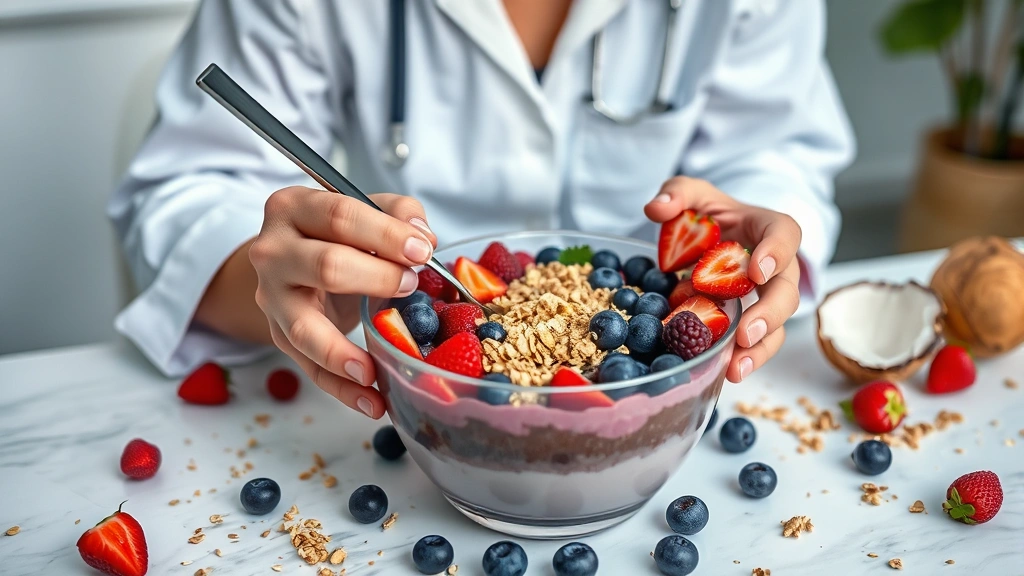
Acai bowls represent Hawaiian Bros’ signature offering, yet they exemplify how nutrient-dense ingredients can become nutritionally problematic through assembly and customization. A standard acai base—frozen acai puree blended with juice or milk—contains approximately 200-250 calories and modest sugar content from the fruit itself. The problems emerge with additions.
Standard toppings at Hawaiian Bros typically include granola (150-200 calories, often with added sugars), honey drizzle (60 calories per tablespoon), fresh fruit (50-100 calories), and coconut flakes (80 calories per serving). A fully assembled bowl easily reaches 500-650 calories, with 35-50 grams of sugar—approaching or exceeding recommended daily limits for added sugars (25 grams for women, 36 grams for men, according to American Heart Association guidelines).
The nutritional profile becomes particularly concerning when examining macronutrient balance. Most acai bowls skew heavily toward carbohydrates (60-70% of calories) with minimal protein (5-15 grams). This macronutrient distribution, while appropriate for post-workout meals, provides limited satiety for general consumption. Consumers often experience blood sugar spikes followed by energy crashes within 90 minutes.
However, strategic customization transforms acai bowls into genuinely nutritious meals. Requesting light granola, substituting honey with fresh berries, and adding protein powder or Greek yogurt shifts the macronutrient profile toward balanced nutrition. Such modifications reduce added sugars to 15-20 grams while increasing protein to 20-25 grams, creating meals with superior satiety and metabolic effects.
For those following nutrition for athletes and performance optimization, acai bowls with added protein become legitimate pre- or post-workout nutrition. The carbohydrates replenish glycogen stores, while added protein supports muscle recovery. Timing matters significantly—consuming these bowls immediately before or after exercise yields superior results compared to general snacking.
Poke Bowls: Protein-Rich Options for Health
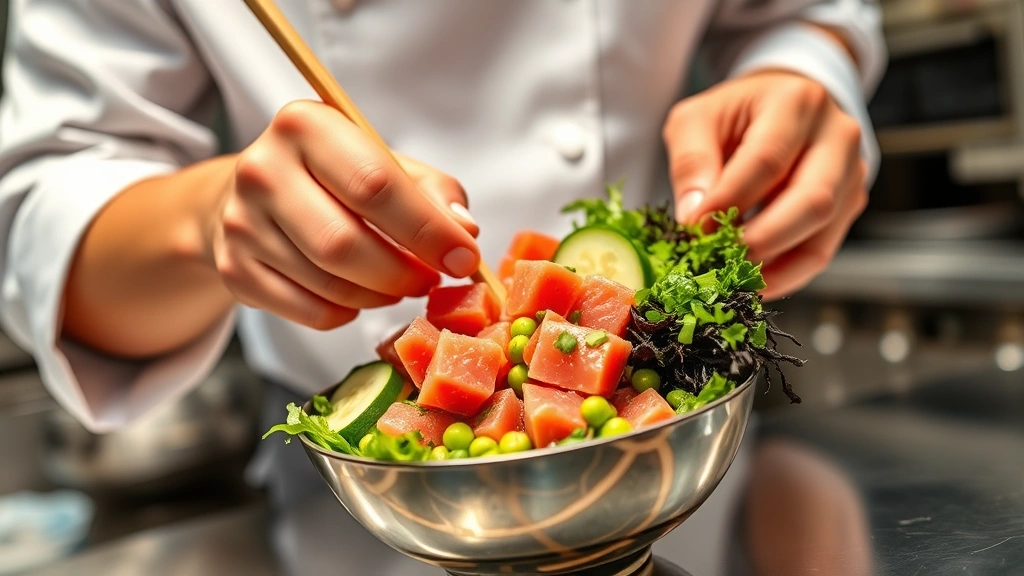
Poke bowls represent Hawaiian Bros’ most nutritionally defensible offering, delivering substantial protein, omega-3 fatty acids, and micronutrients with relatively controlled calorie counts. A standard poke bowl features 4-6 ounces of fresh fish (typically ahi tuna, salmon, or a combination), providing 25-35 grams of protein and approximately 150-250 calories depending on fish selection and preparation method.
The nutritional advantages of poke extend beyond protein content. Wild-caught fish varieties contain EPA and DHA—omega-3 fatty acids associated with cardiovascular health, cognitive function, and inflammation reduction. Research from the American Heart Association recommends consuming fatty fish twice weekly, making poke bowls a convenient mechanism for meeting these guidelines.
Base options significantly impact overall nutritional value. White rice contributes primarily carbohydrates and calories (200 calories per serving) with minimal micronutrient density. Brown rice or mixed greens provide superior fiber content—approximately 4 grams per serving compared to 1 gram in white rice. Greens additionally contribute micronutrients including iron, calcium, and folate, making them nutritionally superior choices despite identical or lower calorie counts.
Vegetable additions—edamame, cucumber, seaweed salad, avocado—contribute fiber, minerals, and healthy fats. Edamame provides 11 grams of protein per cup, making it an excellent complementary addition for those seeking to maximize protein intake. Seaweed delivers iodine and other trace minerals often deficient in Western diets. Avocado contributes monounsaturated fats associated with improved cholesterol profiles and sustained satiety.
Sauce selection dramatically influences the nutritional profile. Spicy mayo and other creamy dressings add 150-200 calories and 3-5 grams of saturated fat per serving. Soy-based sauces provide umami satisfaction with minimal caloric impact (10-20 calories). Requesting sauce on the side allows portion control, preventing the common issue of excessive sauce consumption that undermines otherwise nutritious bowls.
A strategically assembled poke bowl—featuring grilled fish, mixed greens base, generous vegetable portions, and soy-based sauce—delivers 400-500 calories with 30-40 grams of protein, 8-12 grams of fiber, and favorable micronutrient density. This macronutrient distribution supports sustained energy, muscle maintenance, and metabolic health significantly better than acai bowl alternatives.
Beverages and Hidden Caloric Surprises
Hawaiian Bros beverages present a nutritional minefield where seemingly healthy choices harbor substantial hidden calories and added sugars. Smoothies and açai drinks, marketed as nutritious, frequently contain 400-600 calories with 50-70 grams of added sugar per serving. This represents more sugar than many desserts, yet consumers perceive these beverages as health-promoting due to fruit content and wellness branding.
The primary culprit involves fruit juice bases and sweetened purees. A typical açai smoothie combines frozen açai (naturally sweet), added fruit juice (concentrated sugars), sweetened yogurt or milk, and additional syrups or honey. Each component contributes sugars, and their combined effect produces beverages exceeding healthy daily sugar limits in a single drink.
Fresh-squeezed juice options, while containing vitamins and minerals, provide concentrated fruit sugars without the fiber present in whole fruits. A 16-ounce fresh orange juice contains approximately 56 grams of sugar and 200 calories—identical sugar content to a 20-ounce soda despite perceived health superiority. The absence of fiber eliminates the satiety and blood sugar stabilization benefits of whole fruit consumption.
Tropical smoothies and açai beverages often incorporate coconut milk, nut butters, or sweetened condensed milk to achieve creamy textures. Coconut milk contributes 140-180 calories per serving primarily from saturated fat. While coconut oil contains medium-chain triglycerides with unique metabolic properties, excessive consumption still contributes to caloric excess—the primary driver of weight gain.
Water, unsweetened tea, and black coffee represent nutritionally optimal beverage choices at Hawaiian Bros, providing hydration without caloric or sugar contributions. For those seeking flavored options, requesting light or no added sweeteners in smoothies, asking for water-based acai beverages instead of juice-based varieties, and selecting smaller serving sizes substantially reduces negative nutritional impacts.
Consumers should be aware that added sugar consumption significantly correlates with obesity, type 2 diabetes, and cardiovascular disease. A single high-sugar beverage, while occasionally tolerable, becomes problematic when consumed regularly—particularly for individuals with metabolic concerns or weight management goals.
Customization Strategies for Optimal Nutrition
Hawaiian Bros’ customization capability represents its greatest nutritional advantage, enabling consumers to align menu items with specific dietary goals and preferences. Strategic customization transforms potentially problematic items into genuinely nutritious meals supporting long-term health objectives.
For acai bowl optimization, request modifications including: light or no granola (saving 100-150 calories and 15-20 grams of sugar), no honey drizzle or honey on the side for portion control, extra fresh berries instead of dried fruit, and protein powder addition (20-25 grams protein, 100-120 calories). These modifications create bowls delivering 400-450 calories with 20-25 grams protein and under 25 grams total sugar—nutritionally comparable to balanced meals rather than desserts.
For poke bowls, prioritize: mixed greens or brown rice base instead of white rice, double vegetable portions (requesting extra edamame, cucumber, and seaweed), light sauce application or sauce on the side, avocado addition for healthy fats and satiety, and consideration of grilled rather than raw protein options if concerned about raw fish safety. These customizations create bowls exceeding 35 grams protein while maintaining 450-550 calorie counts with exceptional micronutrient density.
Beverage customization involves requesting: water-based acai instead of juice-based varieties, no added syrups or sweeteners, fresh fruit additions instead of juice concentrates, and smaller portion sizes. Alternatively, requesting acai bowls instead of beverages provides equivalent nutrition with superior satiety through solid food’s mechanical and digestive advantages.
Understanding portion psychology is essential. Hawaiian Bros’ serving sizes often exceed actual nutritional requirements. Requesting to-go containers and consuming half the meal immediately while saving the remainder for later naturally controls portions without perceived deprivation. This strategy proves particularly effective for acai bowls and poke bowls, which maintain quality during refrigeration.
Individuals following specific dietary patterns should research detailed nutrition facts before ordering. Those adhering to low-carbohydrate diets should emphasize poke bowls with greens bases and minimize rice portions. Individuals following plant-based diets should request vegetable-based poke alternatives or construct vegetable-forward bowls emphasizing legumes and plant proteins. Those managing sodium intake should request reduced-salt preparations and soy sauce on the side.
Comparison with Fast-Casual Competitors
Contextualizing Hawaiian Bros within the broader fast-casual restaurant landscape reveals both competitive advantages and limitations. Compared to traditional fast food, Hawaiian Bros demonstrates superior nutritional profiles through fresh ingredients, minimal processing, and customization options. A Hawaiian Bros poke bowl nutritionally outperforms comparable items from burger chains, sandwich shops, and fried chicken establishments.
However, when compared to specialized health-focused competitors, Hawaiian Bros presents mixed results. Salad-centric restaurants often provide superior vegetable portions and fiber content. Build-your-own bowl chains frequently offer more transparent nutritional information and lower-calorie base options. Smoothie-focused establishments sometimes feature more restrained sugar additions, though Hawaiian Bros’ protein powder options partially offset this disadvantage.
The acai bowl category presents particular competitive considerations. Dedicated açai shops often emphasize acai quality and minimal additives, potentially offering superior antioxidant content and lower added sugar levels compared to Hawaiian Bros’ standardized preparations. However, Hawaiian Bros’ broader menu diversity provides nutritional flexibility unavailable at specialized establishments, making it advantageous for groups with varied dietary preferences.
Pricing comparisons reveal Hawaiian Bros’ competitive positioning. Most poke bowls range from $12-15, comparable to competitors despite superior ingredient quality and portion sizes. Acai bowls typically cost $10-13, slightly higher than some competitors but justified by fresh ingredient sourcing. For budget-conscious consumers, Hawaiian Bros’ customization enables cost-effective nutrition—requesting smaller portions, light toppings, and water beverages reduces prices while maintaining nutritional adequacy.
Nutritional transparency deserves consideration. While Hawaiian Bros provides calorie counts and basic nutritional information, detailed breakdowns of sugar, sodium, and micronutrients remain limited. Competitors including Sweetgreen and similar establishments provide comprehensive nutritional databases enabling precise dietary planning. Consumers requiring detailed nutritional information should contact Hawaiian Bros directly or utilize third-party nutritional databases.
Dietary Considerations and Allergen Information
Hawaiian Bros’ menu accommodates diverse dietary requirements, though careful attention to preparation and cross-contamination remains essential. Gluten-free options exist through poke bowls featuring rice or vegetable bases, though soy sauce (typically containing gluten) requires explicit substitution requests. Dedicated gluten-free preparation surfaces aren’t guaranteed, necessitating direct communication with staff regarding celiac disease or severe gluten sensitivity.
Dairy-free customization involves requesting non-dairy milk alternatives in smoothies and acai bowls. Most locations stock coconut, almond, and oat milk options, though availability varies by location. Yogurt-based toppings require substitution with granola or nuts to maintain texture and satiety. Vegan modifications eliminate fish, honey, and dairy, creating plant-based poke alternatives using tofu or vegetable combinations with legume-based proteins.
Fish allergies present significant challenges given poke bowls’ prominence. While vegetable-based bowls remain available, cross-contamination risks exist in shared preparation areas. Individuals with severe allergies should communicate directly with management regarding preparation protocols and dedicated utensil usage.
Sodium considerations matter for individuals managing hypertension or following low-sodium diets. Soy sauce, seaweed, and processed fish contribute substantial sodium—often 800-1200 milligrams per bowl. Requesting no added salt, sauce on the side, and limiting soy-based additions reduces sodium content significantly. The American Heart Association recommends 2,300 milligrams daily sodium, making mindful selection essential for those managing cardiovascular health.
Sugar-restricted diets require careful navigation. Beyond obvious sweetened beverages, hidden sugars appear in granola (often 10-15 grams per serving), honey drizzles, and some sauce preparations. Individuals managing diabetes or prediabetes should emphasize protein-rich poke bowls with vegetable bases, request sugar-free sauce alternatives, and minimize granola consumption. Consulting information on dietary fiber’s health importance helps contextualize how fiber reduces sugar’s metabolic impact.
Pregnant individuals should avoid raw fish in poke bowls due to listeria and other pathogenic risks. Hawaiian Bros offers cooked fish alternatives, though verification with staff ensures proper preparation. Prenatal nutrition emphasizes iron, folate, and calcium—nutrients available through vegetable-rich bowls with dairy or plant-based alternatives.
Fitness enthusiasts and athletes find particular value in Hawaiian Bros’ protein-rich options. Optimizing nutrition through diet for athletic performance requires 1.2-2.0 grams protein per kilogram bodyweight daily. A 150-pound athlete requires 80-150 grams daily protein—achievable through multiple Hawaiian Bros meals combined with additional whole food sources. Post-workout poke bowls with protein additions support muscle recovery and adaptation.
FAQ
What is the healthiest item on Hawaiian Bros’ menu?
The grilled fish poke bowl with mixed greens base, double vegetables, and light sauce represents the healthiest standard offering. Customizing this selection by requesting sauce on the side and adding edamame creates a meal delivering 35-40 grams protein, 10+ grams fiber, and controlled calories while maintaining excellent micronutrient density. This meal supports satiety, metabolic health, and sustained energy better than acai bowl alternatives.
How much sugar is in Hawaiian Bros’ acai bowls?
Standard acai bowls contain 35-50 grams total sugar, with 25-35 grams from added sources (honey, granola, sweetened milk). This exceeds recommended daily added sugar limits in a single item. Customizing by requesting light granola, no honey, and protein powder reduces added sugar to 15-20 grams while increasing protein and satiety.
Are Hawaiian Bros bowls appropriate for weight loss diets?
Poke bowls with strategic customization support weight loss through high protein content and satiety-promoting effects. Acai bowls, particularly in standard preparations, present challenges due to high sugar and moderate calorie content without corresponding protein. For weight loss success, prioritize poke bowls, minimize beverages, and maintain overall caloric deficits through portion control and balanced meal composition.
Can I get Hawaiian Bros bowls on a ketogenic diet?
Strict ketogenic adherence proves challenging at Hawaiian Bros due to limited low-carbohydrate base options. Requesting extra vegetables, eliminating rice, and choosing fatty fish maximizes fat content while minimizing carbohydrates. However, standard preparations contain insufficient fat for ketogenic macronutrient targets. Those following ketogenic protocols may find Hawaiian Bros better suited for occasional consumption rather than regular dietary staples.
What customizations reduce calories most effectively?
Requesting mixed greens instead of rice (saving 150-200 calories), light or no granola (saving 100-150 calories), sauce on the side (saving 100-150 calories), and smaller portions creates meals under 400 calories while maintaining nutritional quality. These modifications prove particularly effective for acai bowls, reducing calorie counts from 600+ to 350-400 while improving macronutrient balance.
How does Hawaiian Bros compare nutritionally to Chipotle?
Both restaurants emphasize customization and fresh ingredients, enabling nutritious meal construction. Chipotle provides superior vegetable quantity and lower-calorie base options through rice and lettuce choices. Hawaiian Bros excels in seafood protein quality and omega-3 content. For weight loss and blood sugar management, Hawaiian Bros’ poke options generally outperform Chipotle’s carbohydrate-heavy bowls, while Chipotle provides superior options for those seeking plant-forward nutrition.
Is Hawaiian Bros safe for pregnant women?
Raw fish in poke bowls presents listeria risks during pregnancy. Hawaiian Bros offers cooked fish alternatives—request these explicitly to ensure safety. Vegetable-based bowls with dairy or plant-based protein alternatives provide excellent prenatal nutrition emphasizing folate, iron, and calcium. Always communicate pregnancy status to restaurant staff to ensure appropriate food handling and preparation.


