
Heavy Cream Nutrition: Dietitian’s Analysis
Heavy cream stands as one of the most misunderstood ingredients in modern nutrition discourse. Often vilified by low-fat diet advocates yet celebrated by ketogenic enthusiasts, this dairy staple deserves a nuanced examination grounded in nutritional science. As a registered dietitian nutritionist, I’ve observed how heavy cream’s perception has shifted dramatically over the past decade, driven by evolving research on dietary fats and their metabolic effects. Understanding heavy cream nutrition requires moving beyond simplistic calorie counting to explore macronutrient composition, micronutrient density, and contextual consumption patterns.
The polarization surrounding heavy cream reflects broader confusion about fat consumption in Western diets. Many consumers remain trapped between outdated low-fat messaging and trendy high-fat diet promotion, lacking evidence-based guidance on how heavy cream fits into balanced nutrition. This analysis synthesizes current nutritional science, examines heavy cream’s complete nutrient profile, and provides practical guidance for informed consumption decisions aligned with individual health goals and dietary approaches.
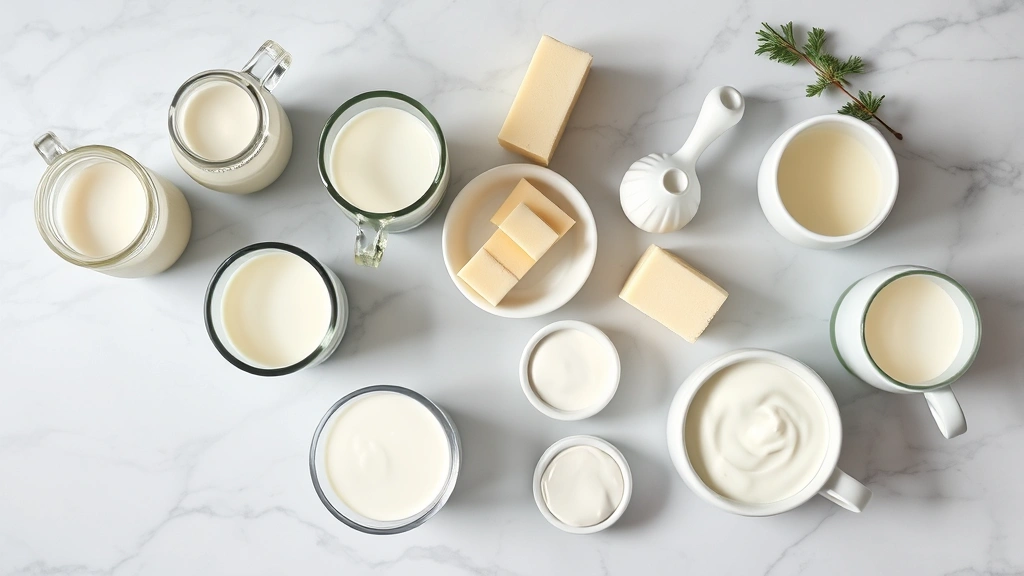
Heavy Cream Nutrition Profile: Complete Breakdown
Heavy cream, defined as cream containing at least 36% milk fat by the FDA, represents one of the most nutrient-dense dairy products available. A standard serving of two tablespoons (30 milliliters) contains approximately 100 calories, making it relatively calorie-dense compared to lighter dairy options. However, caloric density doesn’t automatically translate to poor nutritional value—understanding what comprises those calories proves essential for informed consumption decisions.
The complete nutritional profile of heavy cream reveals significant complexity. Beyond the macronutrient framework most consumers understand, heavy cream contains fat-soluble vitamins, minerals, and bioactive compounds that influence its overall nutritional contribution. When examining nutrition solutions, recognizing that heavy cream provides concentrated sources of certain nutrients becomes crucial for dietary planning. The USDA nutritional database indicates that two tablespoons of heavy cream deliver approximately 11 grams of total fat, 0.4 grams of protein, and negligible carbohydrates, positioning it as a pure fat source with minimal protein contribution.
What distinguishes heavy cream from lower-fat dairy alternatives involves both quantitative and qualitative differences. The fat globules in heavy cream demonstrate different physical and chemical properties compared to milk or light cream, affecting how our digestive system processes and absorbs these lipids. Research from the Proceedings of the National Academy of Sciences demonstrates that fat composition and structure significantly influence metabolic processing and satiety signaling.

Macronutrient Composition and Metabolic Effects
Heavy cream’s macronutrient profile centers overwhelmingly on fat, with trace amounts of protein and carbohydrates. This composition makes heavy cream fundamentally different from balanced protein-carbohydrate foods, positioning it as a specialized ingredient rather than a complete nutritional source. The fat content comprises approximately 62% of total calories per standard serving, with the remaining calories distributed among minimal protein and carbohydrates derived from milk lactose.
The metabolic fate of heavy cream’s fat component warrants detailed examination. Dairy fat contains a unique mixture of saturated, monounsaturated, and polyunsaturated fatty acids, with saturated fat comprising roughly 62% of total fat content. This includes palmitic acid, myristic acid, and stearic acid—each demonstrating distinct metabolic pathways and physiological effects. Contrary to earlier assumptions that all saturated fats behave identically, contemporary lipid research reveals nuanced differences in how specific fatty acids influence cholesterol metabolism and inflammation markers. The American Heart Association Journal has published extensive research distinguishing between saturated fat sources and their varying cardiovascular implications.
Incorporating heavy cream into your healthy nutrition plan requires understanding portion control and metabolic context. When consumed in small quantities as a flavoring agent or culinary ingredient, heavy cream contributes minimal total daily fat intake. A two-tablespoon serving represents only 11 grams of fat against typical daily recommendations of 44-78 grams for most adults, positioning heavy cream as a reasonable component within balanced macronutrient distribution.
The satiety-promoting effects of dietary fat deserve particular attention. Fat consumption triggers multiple satiety signaling pathways, including cholecystokinin release, increased chewing time, and delayed gastric emptying. These physiological responses mean that small quantities of heavy cream may contribute to appetite satisfaction more effectively than equivalent calories from carbohydrates. This metabolic advantage becomes particularly relevant for individuals following nutrition for athletes or those managing energy balance for weight-related goals.
Ketogenic and low-carbohydrate diet adherents leverage heavy cream’s macronutrient profile to achieve nutritional ketosis and maintain metabolic flexibility. The virtually zero carbohydrate content allows flexible incorporation without disrupting ketone production or glucose metabolism. However, even within these dietary frameworks, portion awareness remains important to prevent excessive caloric intake that could undermine weight management or metabolic goals.
Micronutrients and Bioavailability
Beyond macronutrient composition, heavy cream delivers concentrated doses of essential micronutrients, particularly fat-soluble vitamins and certain minerals. Two tablespoons of heavy cream provide approximately 86 IU of vitamin A, contributing roughly 1.7% of the daily recommended intake for adults. While this percentage appears modest, cumulative intake across dairy products significantly impacts total vitamin A status, especially for populations with limited vegetable consumption.
Vitamin D represents another micronutrient of particular importance in heavy cream, particularly for products derived from grass-fed cattle or fortified commercial sources. The vitamin D content in dairy products varies substantially based on animal diet, season, and processing methods. Grass-fed cream contains higher vitamin D concentrations due to increased sunlight exposure and pasture-based nutrition, while conventional grain-fed sources provide variable amounts depending on fortification protocols.
The presence of butyric acid, a short-chain fatty acid comprising approximately 3-4% of dairy fat, demonstrates emerging health-promoting properties. Research published in the Nature journal collection on metabolic research indicates that butyric acid supports gut barrier integrity, promotes beneficial microbiota composition, and exhibits anti-inflammatory properties. This short-chain fatty acid crosses the blood-brain barrier and may influence neurological function, though research in human populations remains preliminary.
Heavy cream contains trace amounts of conjugated linoleic acid (CLA), a polyunsaturated fatty acid with potential metabolic benefits. Grass-fed dairy products contain higher CLA concentrations compared to grain-fed sources, with some studies suggesting modest benefits for body composition management. While individual servings provide small CLA quantities, regular consumption of grass-fed heavy cream contributes to cumulative intake of this bioactive compound.
Understanding how to improve nutrient absorption becomes particularly relevant for fat-soluble vitamins present in heavy cream. Consuming heavy cream alongside other foods doesn’t negatively impact absorption—in fact, the fat content facilitates absorption of fat-soluble vitamins from other dietary sources consumed simultaneously. This synergistic effect means that heavy cream in salad dressings or vegetable preparations actually enhances carotenoid bioavailability from those plant foods.
Saturated Fat Content and Cardiovascular Health
The saturated fat controversy surrounding heavy cream demands evidence-based examination rather than ideological positioning. Heavy cream contains approximately 7 grams of saturated fat per two-tablespoon serving, representing roughly 35% of the daily recommended intake based on a 2,000-calorie diet. This concentration has historically triggered concerns about cardiovascular health, yet contemporary research reveals considerably more nuance than earlier dietary guidelines suggested.
Recent meta-analyses and systematic reviews, including comprehensive analyses from the Cochrane Collaboration, demonstrate that saturated fat’s relationship with cardiovascular disease risk proves more complex than simple causation models suggest. The type of saturated fat matters significantly—palmitic acid demonstrates different metabolic effects compared to stearic acid, which the body readily converts to oleic acid (a monounsaturated fat). Furthermore, the food matrix context profoundly influences how saturated fat consumption affects health outcomes.
Dairy products present a particularly interesting case study, as epidemiological evidence suggests that full-fat dairy consumption shows either neutral or protective associations with cardiovascular outcomes compared to low-fat alternatives. This paradox contradicts earlier assumptions and reflects the importance of examining whole foods rather than isolated nutrients. The fat-soluble vitamins, bioactive peptides, and other compounds present in full-fat dairy may confer protective effects that offset any theoretical adverse effects from saturated fat content.
Individual metabolic factors significantly influence how saturated fat consumption affects personal cardiovascular risk. Genetic variations in cholesterol metabolism, baseline lipid profiles, insulin sensitivity, and inflammatory status all moderate the relationship between dietary saturated fat and cardiovascular health markers. For individuals with familial hypercholesterolemia or specific genetic polymorphisms affecting lipid metabolism, saturated fat restriction may prove more relevant than for metabolically healthy individuals.
The broader dietary context determines how heavy cream consumption influences overall cardiovascular health. When incorporated into diets emphasizing whole foods, fiber, and plant-based components, modest heavy cream consumption rarely demonstrates adverse health effects. Conversely, heavy cream consumption within dietary patterns characterized by ultra-processed foods, refined carbohydrates, and minimal physical activity contributes to cumulative cardiovascular risk factors.
Heavy Cream in Different Dietary Approaches
Heavy cream’s nutritional profile makes it particularly valuable for specific dietary frameworks while less suitable for others. Within ketogenic and very-low-carbohydrate diets, heavy cream serves as a foundational ingredient, supporting adequate fat intake necessary for ketone production and metabolic adaptation. The zero-carbohydrate composition allows flexible incorporation without metabolic disruption, making heavy cream invaluable for individuals managing blood glucose or pursuing nutritional ketosis for therapeutic purposes.
Mediterranean diet adherents may incorporate heavy cream more sparingly, favoring olive oil and other fat sources aligned with traditional dietary patterns. However, limited heavy cream use for culinary purposes aligns acceptably with Mediterranean principles, particularly when balanced with abundant plant foods, legumes, and whole grains. The emphasis remains on overall dietary pattern rather than elimination of specific ingredients.
Plant-based and vegan dietary approaches necessarily exclude heavy cream, requiring alternative fat sources from nuts, seeds, coconut products, and plant-based oils. These alternatives provide comparable caloric density and culinary functionality while accommodating ethical and environmental values central to plant-based nutrition. Understanding substitution strategies ensures that plant-based diets maintain adequate fat intake and fat-soluble vitamin availability.
For individuals managing specific health conditions, heavy cream consumption warrants individualized assessment. Those with lactose intolerance generally tolerate heavy cream better than milk due to lower lactose concentration (approximately 0.3-0.4% compared to 4.7% in whole milk), though sensitivity varies individually. Individuals with dairy allergies must strictly avoid heavy cream regardless of fat content.
Processing Methods and Nutritional Differences
Heavy cream processing methods significantly influence nutritional composition and bioavailability of contained nutrients. Pasteurized heavy cream, heated to 161-163°F for 15 seconds, maintains virtually all nutritional components while eliminating pathogenic microorganisms. This standard processing minimizes nutrient loss compared to raw cream while providing food safety assurance.
Ultra-high temperature (UHT) processing, heating cream to 280°F for 2-4 seconds, achieves extended shelf stability but causes greater nutrient degradation, particularly affecting heat-sensitive vitamins and bioactive compounds. Some research suggests that UHT processing may reduce some fat-soluble vitamin availability and alter protein structures, though these changes remain relatively minor compared to nutrient content overall.
Organic heavy cream sourced from grass-fed cattle demonstrates nutritionally distinct profiles compared to conventional sources. Grass-fed dairy contains higher concentrations of omega-3 fatty acids, conjugated linoleic acid, and fat-soluble vitamins due to pasture-based nutrition and increased sunlight exposure. These compositional differences, while quantitatively modest, accumulate across regular consumption and may contribute measurably to overall nutrient intake.
Whipping cream, containing 30-36% milk fat, differs slightly from heavy cream (36%+ milk fat) but demonstrates comparable nutritional profiles with marginal differences in fat concentration and whipping capability. Both products serve similar nutritional functions with minimal practical distinction for most consumers.
Practical Guidelines for Healthy Consumption
Evidence-based recommendations for heavy cream consumption emphasize portion awareness and dietary context rather than categorical restriction. For most adults, incorporating 1-4 tablespoons of heavy cream daily as a culinary ingredient aligns with balanced nutrition and macronutrient distribution. This quantity contributes meaningful flavor and culinary functionality while maintaining reasonable caloric and saturated fat intake.
Individuals pursuing weight management benefit from portion control strategies that leverage heavy cream’s satiety-promoting properties. Using small quantities in coffee, salad dressings, or vegetable preparations maximizes satisfaction and nutrient absorption from other foods without excessive caloric contribution. The satiety benefits of fat consumption mean that small quantities of heavy cream often provide greater satisfaction than equivalent calories from lower-fat alternatives.
Those managing specific health conditions warrant individualized guidance from qualified nutrition professionals. Individuals with elevated cholesterol, cardiovascular disease, or diabetes benefit from personalized assessment of heavy cream consumption within their complete dietary pattern. The nutrition and mental health connection extends to dietary fat intake, as adequate fat consumption supports neurological function and mood regulation.
Storage and freshness considerations influence nutritional quality and safety. Heavy cream deteriorates through oxidation and microbial growth, particularly in opened containers. Proper refrigeration at 40°F or below maintains nutritional integrity and safety for approximately 7-10 days after opening. Freezing heavy cream extends storage life for several months, though texture changes upon thawing limit utility for whipping applications while remaining suitable for cooking and baking.
Culinary applications should emphasize heavy cream as a flavoring ingredient rather than primary nutrient source. Using heavy cream in modest quantities for soups, sauces, coffee preparations, and baked goods provides satisfying results without excessive caloric or fat contribution. This approach aligns with traditional culinary practices emphasizing quality ingredients in appropriate quantities rather than elimination or excessive consumption.
FAQ
Is heavy cream suitable for weight loss diets?
Heavy cream can support weight loss when incorporated strategically. The high fat content promotes satiety, potentially reducing overall caloric intake despite caloric density. Small quantities used as culinary ingredients or coffee additives contribute meaningful satisfaction with minimal caloric burden. However, portion control remains essential, as excessive heavy cream consumption easily contributes surplus calories undermining weight management goals.
Does heavy cream raise cholesterol levels?
Heavy cream’s cholesterol-raising effects vary individually based on genetic factors, overall dietary patterns, and metabolic health status. Contemporary research suggests that full-fat dairy consumption demonstrates neutral or protective associations with cardiovascular health in most populations. Individual lipid response testing provides personalized information for those concerned about cholesterol management.
Can people with lactose intolerance consume heavy cream?
Most lactose-intolerant individuals tolerate heavy cream reasonably well due to its lower lactose concentration compared to milk. However, sensitivity varies individually, and some individuals with severe lactose intolerance may experience symptoms. Gradual introduction and portion control help identify personal tolerance thresholds.
How does grass-fed heavy cream differ nutritionally?
Grass-fed heavy cream contains higher concentrations of omega-3 fatty acids, conjugated linoleic acid, and fat-soluble vitamins compared to grain-fed sources. These compositional differences accumulate across regular consumption and may contribute measurably to overall nutrient intake, though individual serving differences remain modest.
What’s the best way to store heavy cream?
Store heavy cream in the coldest section of the refrigerator at 40°F or below for 7-10 days after opening. Freezing extends shelf life for several months, though texture changes limit utility for whipping applications. Check expiration dates and discard cream with off-odors or visible spoilage indicators.
Heavy cream nutrition encompasses far more complexity than simplified macronutrient analysis suggests. Contemporary evidence supports moderate heavy cream consumption within balanced dietary patterns as compatible with diverse health goals. Individual assessment, portion awareness, and dietary context determine whether heavy cream represents an appropriate component of personal nutrition strategies. Moving beyond ideological positioning toward evidence-based evaluation enables informed decisions aligned with individual health objectives and values.


