Honey Bunches of Oats: Dietitian’s Breakdown of Nutrition, Benefits, and Considerations
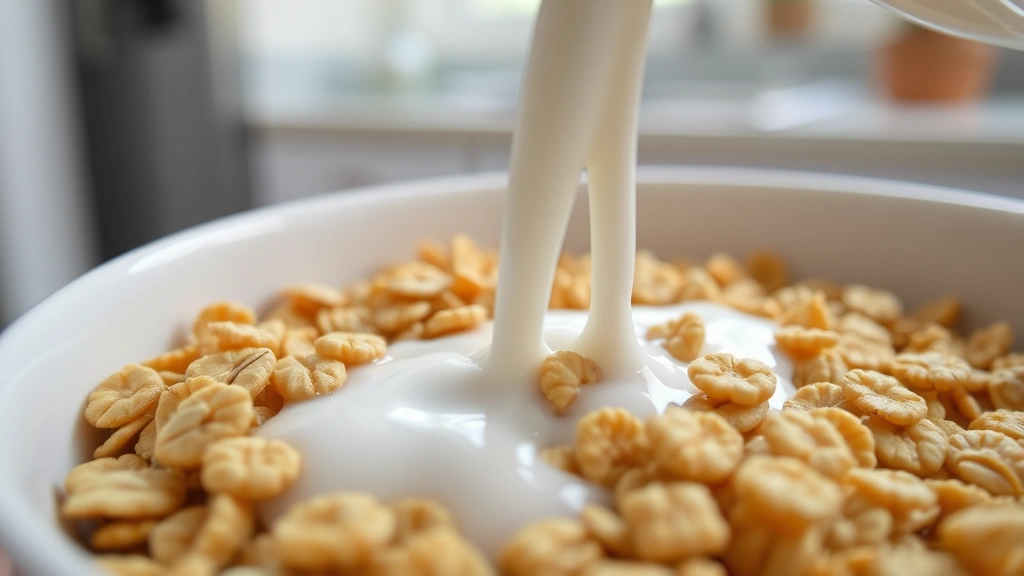
Honey Bunches of Oats has been a breakfast staple for millions of Americans since its introduction in 1965. With its distinctive sweet honey coating and crispy oat clusters, this cereal combines convenience with a familiar taste profile that appeals to both children and adults. But what does a bowl of this popular breakfast actually deliver nutritionally? As nutrition professionals evaluate processed cereals, understanding the complete nutritional picture—from macronutrients to added sugars—becomes essential for making informed dietary choices.
This comprehensive dietitian’s breakdown examines Honey Bunches of Oats from multiple angles, analyzing its ingredient composition, nutritional value, potential health impacts, and how it fits within the broader context of a balanced diet. Whether you’re a regular consumer wondering about the cereal’s place in your breakfast routine or someone curious about breakfast options aligned with wellness goals, this evidence-based analysis provides the clarity you need.
Nutritional Profile Overview
A standard serving of Honey Bunches of Oats (typically 3/4 cup or 30 grams) contains approximately 120 calories, making it a relatively moderate option among breakfast cereals. The cereal delivers a mix of carbohydrates, minimal fat, and protein, though the proportions matter considerably when evaluating its nutritional merit. Understanding the complete nutritional profile requires examining not just individual nutrients, but how they interact and what they reveal about the cereal’s formulation.
The base product consists primarily of whole grain oats, corn flour, and wheat starch, combined with honey and other sweetening agents. This combination creates the characteristic taste and texture consumers recognize, but it also influences the nutritional density and how the body processes these ingredients. When compared to other breakfast options—whether whole grain alternatives, nutrient-dense whole foods like avocados, or other cereals—Honey Bunches of Oats occupies a middle ground that warrants careful consideration.
Macronutrient Breakdown
Carbohydrates dominate the macronutrient composition of Honey Bunches of Oats, comprising approximately 24 grams per serving. Of these carbohydrates, only 1.5 grams come from dietary fiber, leaving roughly 22.5 grams as digestible carbohydrates, a significant portion of which are simple sugars. This carbohydrate-heavy profile reflects the cereal’s processing methods, which reduce fiber content compared to whole oats.
Protein content stands at approximately 2 grams per serving, a modest amount that falls short of what many nutritionists recommend for breakfast to support satiety and stable blood sugar levels. This low protein content means that consuming Honey Bunches of Oats alone may leave consumers feeling hungry within a couple of hours. Pairing it with high-protein additions—such as Greek yogurt, nuts, or eggs—significantly improves the meal’s nutritional profile and staying power.
Fat content is minimal at just 1.5 grams per serving, with less than 0.5 grams coming from saturated fat. While low fat content appeals to certain dietary philosophies, the absence of healthy fats means the cereal lacks the satiety-promoting compounds found in whole nuts, seeds, or higher-fat grain options. When developing a healthy nutrition plan, balancing macronutrients across meals becomes crucial for sustained energy and metabolic health.
The glycemic index (GI) of Honey Bunches of Oats is notably high, estimated between 70-75, meaning it causes rapid blood sugar spikes similar to white bread. This rapid glucose absorption can trigger insulin responses that, over time, may contribute to metabolic stress in susceptible individuals. Understanding how to improve nutrient absorption and manage glycemic impact involves strategic food pairing and preparation methods.
Sugar Content and Sweeteners
One of the most significant nutritional considerations with Honey Bunches of Oats is its added sugar content. Each 30-gram serving contains approximately 12 grams of total sugars, with the majority coming from added sweeteners rather than naturally occurring sugars in oats. This represents roughly 24% of the daily value for sugar based on a 2,000-calorie diet—a substantial amount for a single breakfast serving.
The primary sweetening agents include honey, corn syrup, and sugar, applied in layers during manufacturing to create the distinctive taste. While honey carries marketing appeal as a “natural” sweetener, it functions metabolically identically to table sugar and other sweetening agents. The American Heart Association recommends limiting added sugars to no more than 6 teaspoons (25 grams) daily for women and 9 teaspoons (36 grams) for men; a single bowl of Honey Bunches of Oats already consumes nearly half of the daily recommended limit for women.
Regular consumption of high-sugar breakfast cereals has been linked to increased risk of type 2 diabetes, obesity, and dental problems. Research from the Pew Research Center on American dietary patterns shows that processed cereals remain among the top sources of added sugars in children’s diets. The immediate energy spike followed by a crash can also impair concentration and mood stability throughout the morning, particularly problematic for students and professionals requiring sustained cognitive performance.
Fiber and Digestive Health
Dietary fiber represents one of the most deficient nutrients in Honey Bunches of Oats relative to whole grain alternatives. At just 1.5 grams per serving, the cereal provides only 6% of the daily recommended fiber intake. This fiber deficit occurs despite the use of whole grain oats as a primary ingredient, indicating that processing removes significant fiber content.
Adequate fiber intake supports digestive regularity, feeds beneficial gut bacteria, helps stabilize blood sugar, and promotes satiety. The low fiber content in Honey Bunches of Oats means that consumers consuming this cereal regularly may struggle to meet daily fiber recommendations unless they actively incorporate high-fiber foods in other meals. Whole grain cereals typically contain 5-8 grams of fiber per serving, making them substantially superior for digestive health and metabolic function.
Soluble fiber, particularly found in oats in their whole form, helps reduce cholesterol absorption and moderates blood sugar response. However, the processing that creates Honey Bunches of Oats disrupts much of this beneficial soluble fiber, reducing the cereal’s cardioprotective potential. For individuals focused on digestive wellness and metabolic optimization, choosing higher-fiber alternatives represents a more strategic dietary choice.
Vitamins and Minerals
Honey Bunches of Oats is fortified with several essential vitamins and minerals, a common practice in breakfast cereals designed to enhance nutritional appeal. The fortification includes B vitamins (thiamine, riboflavin, niacin, B6, and B12), vitamin C, vitamin D, and minerals including iron, zinc, and magnesium. These additions contribute meaningfully to micronutrient intake, particularly for individuals whose diets might otherwise lack adequate B vitamins.
However, fortified nutrients differ from naturally occurring nutrients in several important ways. The body’s absorption of synthetic vitamins and minerals may be less efficient than absorption of food-based nutrients, and fortified cereals cannot replicate the complex nutrient synergies found in whole foods. Additionally, relying on fortified processed foods rather than whole food sources limits exposure to phytonutrients, antioxidants, and other bioactive compounds that support long-term health.
The iron fortification in Honey Bunches of Oats is particularly notable, as cereal manufacturers often add iron in forms that have modest bioavailability. Pairing the cereal with vitamin C-rich foods (citrus, berries, tomatoes) enhances iron absorption, making breakfast choices more strategic. For individuals managing nutrition and mental health through dietary choices, B vitamin adequacy becomes particularly important for neurotransmitter synthesis and cognitive function.
Ingredient Analysis
The ingredient list for Honey Bunches of Oats reveals the complexity of modern breakfast cereals. Primary ingredients include whole grain oats, corn flour, wheat starch, honey, and corn syrup, followed by various oils, salt, and flavoring compounds. This composition reflects optimization for taste and shelf stability rather than maximum nutritional density.
Whole grain oats appear first, which is positive, but the subsequent refined grain ingredients (corn flour, wheat starch) dilute the whole grain benefits. The ratio of whole grains to refined grains in the final product is less favorable than dedicated whole grain cereals. For consumers seeking to maximize whole grain intake—recommended at 48 grams daily by most health organizations—Honey Bunches of Oats provides approximately 7-8 grams per serving, requiring significant supplementation from other sources.
The cereal contains no artificial colors or flavors in most formulations, a positive attribute compared to some competitors. However, it does contain BHA (butylated hydroxyanisole), a preservative that some health advocates question, though regulatory agencies maintain it is safe at approved levels. The inclusion of vegetable oils (soybean and/or canola oil) adds minimal nutritional value and contributes omega-6 polyunsaturated fats without balancing omega-3 sources.
Health Considerations
For individuals with specific health conditions, Honey Bunches of Oats presents particular considerations. Those managing type 2 diabetes or prediabetes should approach this cereal cautiously due to its high glycemic index and added sugar content. The rapid blood sugar spike can complicate blood glucose management and undermine metabolic health goals.
Individuals following nutrition for athletes optimizing performance through diet would benefit from alternatives providing greater protein and sustained energy release. The quick carbohydrate spike offers minimal advantage for athletic performance compared to options with complex carbohydrates and adequate protein.
For children, while the cereal’s fortification provides some nutritional value and the familiar taste encourages breakfast consumption, the high sugar content contributes to childhood obesity and dental health concerns. Pediatric nutritionists increasingly recommend limiting processed cereals in children’s diets and prioritizing whole food options.
Individuals with celiac disease should note that most Honey Bunches of Oats formulations contain wheat, making them unsuitable. However, some manufacturers offer gluten-free versions for those requiring wheat avoidance.
The cereal is appropriate for individuals without specific health restrictions who consume it occasionally as part of a balanced diet with protein additions. However, daily consumption as a primary breakfast option presents cumulative health risks related to added sugar and refined carbohydrate intake.
How to Make Smarter Choices
If you enjoy Honey Bunches of Oats and wish to include it in your diet, several strategies optimize its nutritional value. First, reduce portion sizes to 1/2 cup rather than the standard 3/4 cup serving, decreasing sugar intake to approximately 8 grams. Second, pair the cereal with high-protein additions such as Greek yogurt, cottage cheese, or nuts, which improve satiety and moderate blood sugar response.
Adding fresh berries or other fruits increases fiber, vitamins, and antioxidants while adding only modest amounts of natural sugars. Nuts and seeds contribute healthy fats, additional protein, and micronutrients including magnesium and zinc. These additions transform the cereal from a simple processed food into a more balanced breakfast with improved nutritional density.
Consider alternating between Honey Bunches of Oats and higher-fiber whole grain alternatives several days per week. Options like plain oatmeal with honey and nuts, whole grain granola with Greek yogurt, or grain-based bowls with vegetables and protein provide superior nutritional profiles. Visiting Nutrients Pathway Blog offers additional evidence-based nutrition guidance for breakfast optimization.
Reading labels on similar cereals helps identify alternatives with lower added sugar content (under 5 grams per serving), higher fiber content (at least 3 grams per serving), and adequate protein (at least 3 grams per serving). Many whole grain cereals meet these criteria while maintaining acceptable taste profiles.
For meal planning purposes, consider Honey Bunches of Oats an occasional breakfast option rather than a dietary staple. Reserve it for days when convenience is paramount or when paired with substantial protein additions that enhance the overall nutritional value of the meal.

FAQ
Is Honey Bunches of Oats a healthy breakfast option?
Honey Bunches of Oats provides some nutritional value through fortification and whole grain oats, but its high added sugar content (12 grams per serving), low fiber (1.5 grams), and low protein (2 grams) make it a moderate choice at best. It’s acceptable occasionally when paired with protein sources, but shouldn’t be a daily breakfast staple for those prioritizing health optimization. Whole grain cereals with lower sugar content represent healthier alternatives.
How much sugar is in Honey Bunches of Oats?
A standard 30-gram serving contains approximately 12 grams of added sugars, representing about 24% of the daily recommended limit for women and 33% for men. This high sugar content makes the cereal unsuitable as a daily breakfast for individuals managing weight, blood sugar, or metabolic health. Reducing portion size or choosing lower-sugar alternatives significantly decreases sugar intake.
Can I eat Honey Bunches of Oats if I’m diabetic?
The high glycemic index and added sugar content make Honey Bunches of Oats problematic for individuals with type 2 diabetes or prediabetes. The rapid blood sugar spike complicates glucose management. Those with diabetes should choose low-glycemic cereals with minimal added sugars and pair them with protein sources to moderate blood sugar response. Consulting with a registered dietitian helps identify appropriate breakfast options aligned with individual health goals.
What are better alternatives to Honey Bunches of Oats?
Superior alternatives include plain steel-cut oats topped with nuts and berries, whole grain cereals with less than 5 grams of added sugar per serving, grain-based bowls with vegetables and protein, or Greek yogurt parfaits with granola. These options provide greater fiber, protein, and micronutrient density while containing less added sugar. Many whole grain cereals offer comparable taste satisfaction with improved nutritional profiles.
Is Honey Bunches of Oats gluten-free?
Most standard Honey Bunches of Oats formulations contain wheat and are not gluten-free. Individuals with celiac disease or gluten sensitivity should avoid standard versions. However, some manufacturers offer certified gluten-free alternatives that replace wheat with other grains. Always check product labeling to confirm gluten-free status before consuming.
How does Honey Bunches of Oats compare nutritionally to plain oatmeal?
Plain steel-cut or rolled oats dramatically outperform Honey Bunches of Oats nutritionally. One cup of cooked oatmeal contains approximately 5 grams of fiber and 10 grams of protein compared to Honey Bunches’ 1.5 grams fiber and 2 grams protein. Plain oats contain negligible added sugars, while Honey Bunches contains 12 grams per serving. Adding honey and nuts to plain oatmeal creates a superior breakfast in terms of satiety, blood sugar stability, and nutrient density while maintaining comparable taste satisfaction.